

Have you ever wondered if someone is secretly tracking your car? It’s a scary thought, but knowing the truth can give you peace of mind.
If you’re worried about your privacy or just curious, this guide will help you discover if your car has a hidden tracker. You don’t need any special tools or skills to check. Keep reading, and you’ll learn simple steps to find out what’s really going on with your vehicle.
Don’t let fear control you—take charge and protect your privacy today.
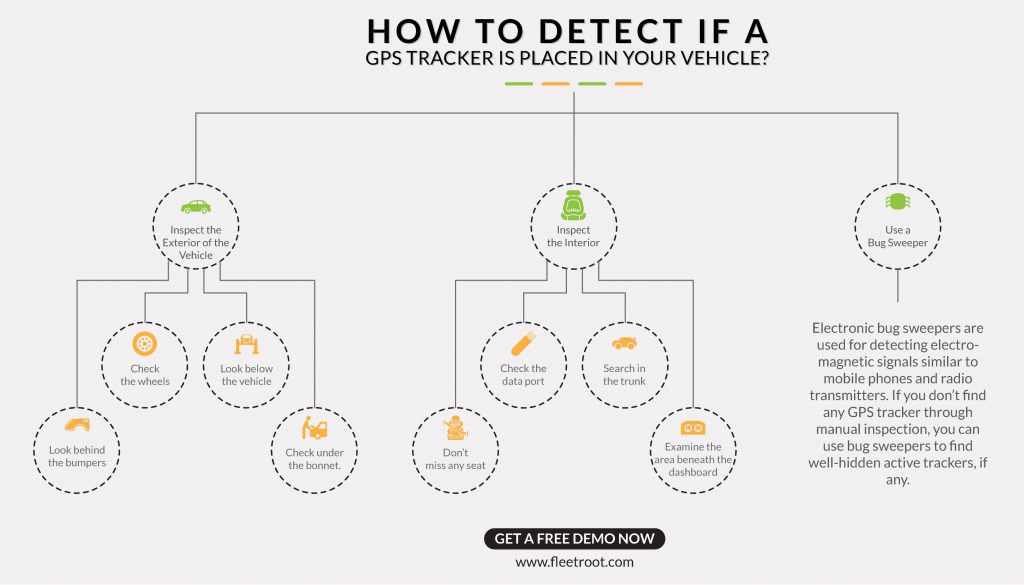
Credit: www.fleetroot.com
Signs Of A Car Tracker
Car trackers can be hard to spot. They are often small and hidden well. Knowing the signs helps protect your privacy. Watch for unusual changes in your car’s setup. These clues may mean a tracker is present.
Unusual Wiring Under The Dashboard
Look under the dashboard for extra wires. Car trackers need power and connect to the car’s system. Strange wiring that does not belong may be a tracker. Wires bundled together or taped in odd spots can be a clue.
Extra Devices Attached To The Battery
Check the battery area for small devices. Trackers often attach here to get power. A small box or gadget not part of the car may be a tracker. These devices can be magnetic or clipped on.
Hidden Gadgets Around The Vehicle
Search for small gadgets on the car’s body. Trackers can hide inside bumpers, under seats, or inside wheel wells. Look for unusual lumps, holes, or taped items. These hidden spots are common places for trackers.
Increased Battery Drain
A tracker uses power even when the car is off. You may notice the battery dies faster than usual. Frequent jump-starts or dim lights can signal extra power use. This may point to a hidden tracking device.
Common Types Of Car Trackers
Car trackers come in different types. Each type works in its own way to track your vehicle’s location. Knowing these types helps you find out if your car has a tracker installed.
Trackers vary in size and how they connect to your car. Some are easy to spot. Others hide well. Understanding common trackers can help you check your vehicle better.
Gps Trackers
GPS trackers use satellites to find your car’s exact spot. They send this data to a phone or computer. These trackers are small and often hidden under the car or inside panels. They need power, so they connect to the car battery or have their own battery.
Obd-ii Port Trackers
These trackers plug into the car’s OBD-II port. This port is under the dashboard and used by mechanics. OBD-II trackers get power from the car and send location data. They are easy to install and remove but stay visible near the port.
Magnetic Trackers
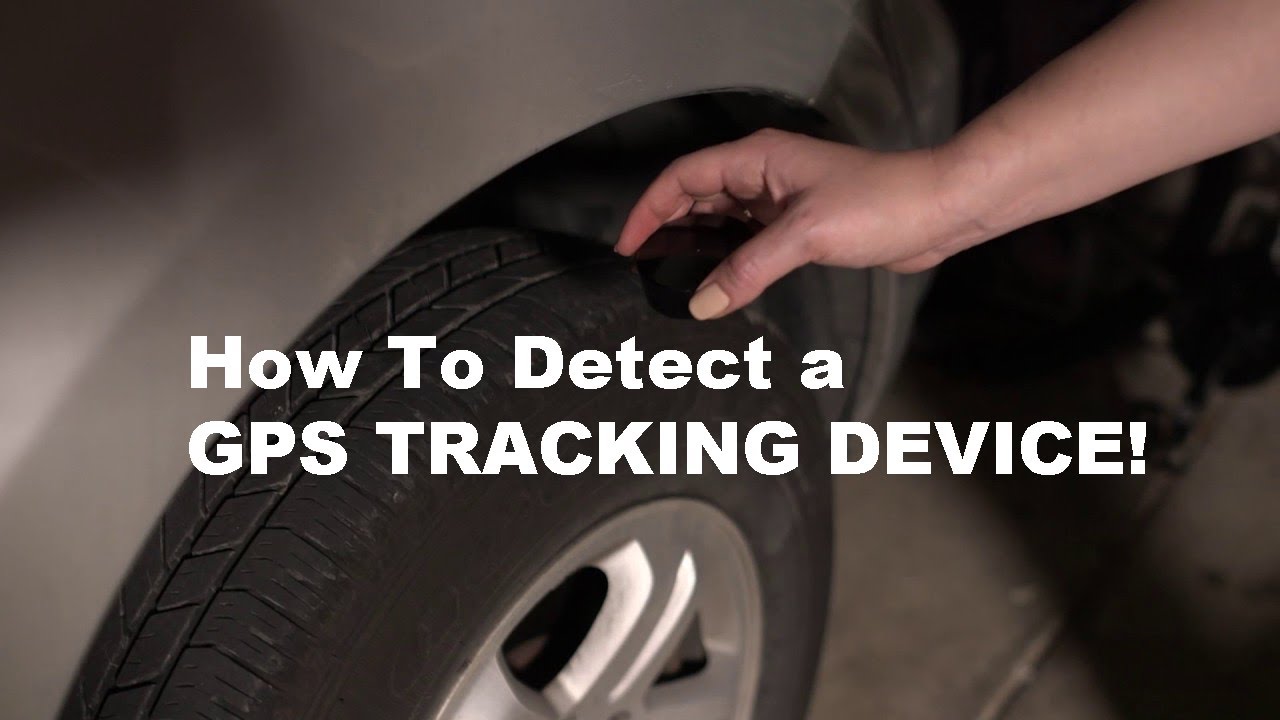
Magnetic trackers stick to the metal parts of your car. They are small and hidden under the vehicle or inside the wheel wells. Their magnets keep them firmly in place. These trackers have their own battery and can work for weeks without charging.
Bluetooth Trackers
Bluetooth trackers use short-range signals to connect to nearby devices. They don’t track location like GPS but help find a car in a parking lot. These small devices are easy to hide inside the car. They need to be close to your phone to work.
Tools To Detect Trackers
Detecting a tracker in your car requires the right tools. These tools help you find hidden devices that send signals. Using the proper tools makes the search easier and more accurate. Here are some common tools to detect trackers.
Rf Detector Devices
RF detector devices scan for radio frequencies near your car. Trackers emit radio signals to send location data. These detectors alert you to unusual signals around your vehicle. They are easy to use and portable. Just turn on the device and move it around your car. A beep or light shows when a signal is detected.
Mobile Apps For Signal Scanning
Mobile apps can scan for tracker signals using your phone. These apps detect Bluetooth and Wi-Fi signals. Trackers often use these signals to connect to networks. The app shows a list of devices near your car. It helps you spot unknown or suspicious connections. Many apps are free and simple to use.
Physical Inspection Tools
Physical inspection tools help you check the car’s parts closely. A flashlight lets you see in dark, tight spaces. A mirror on a stick helps view hidden areas. Small screwdrivers allow you to open panels safely. Use these tools to inspect the dashboard, under seats, and wheel wells. Look for unusual wires or small boxes that do not belong.
Step-by-step Detection Process
Discovering a tracker in your car is possible with a clear plan. Follow simple steps to check your vehicle carefully. These methods do not need expert skills or expensive tools. Start with easy checks, then use devices for deeper scanning. Stay calm and patient during the process.
Visual Inspection
Begin by looking around your car’s interior and exterior. Check under seats, dashboards, and inside glove compartments. Look behind panels and under the car near wheel wells. Trackers are usually small, black boxes or devices with wires. Notice anything unusual or out of place. Take your time and be thorough.
Use An Rf Detector
Use a radio frequency detector to find signals from trackers. Turn the device on and slowly move it around the car. Pay attention to beeping sounds or flashing lights on the detector. These indicate a transmitting device nearby. Scan all areas, including hidden spots and under the hood. This tool helps find wireless trackers that are hard to see.
Check The Obd-ii Port
Locate the OBD-II port under the dashboard. This port connects to the car’s computer system. Some trackers plug directly into this port for power and data. Look for any devices or cables attached to it. If you find something unfamiliar, it may be a tracker. Remove it carefully and test your car’s functions afterward.
Scan For Bluetooth Devices
Use your smartphone to scan for Bluetooth devices inside the car. Open Bluetooth settings and look for unknown devices. Trackers often use Bluetooth to send data or connect to apps. If you see strange names or devices, note them down. Try turning off Bluetooth and then back on to refresh the list. This step helps spot hidden wireless trackers.
What To Do If You Find A Tracker
Finding a tracker on your car can be a scary experience. It means someone may be watching your movements. Acting carefully and quickly is important to protect your privacy and safety.
Taking the right steps after spotting a tracker helps avoid trouble. It also stops others from following you without permission.
Contacting Authorities
Report the tracker to the police right away. They have tools and training to handle these situations. Give them all details, including where you found the device. This helps them start an investigation.
Removing The Device Safely
Do not try to remove the tracker yourself if you are unsure. Some devices may trigger alerts or cause damage. If you choose to remove it, wear gloves and be gentle. Take photos of the tracker before removal for evidence.
Seeking Professional Help
Hire a professional to check your car thoroughly. Experts know how to find hidden devices safely. They can remove trackers without risking damage or alerting the tracker’s owner. This ensures your car stays secure.

Credit: tracki.com
Preventing Unauthorized Tracking
Preventing unauthorized tracking is key to protecting your privacy and safety. Trackers can follow your car without your knowledge. Taking steps to stop this helps keep your movements private. It also gives you peace of mind while driving.
Regular Vehicle Checks
Check your car often for strange devices. Look under the car, inside wheel wells, and beneath seats. Small trackers can blend in with wires or metal parts. Use a flashlight to spot unusual gadgets. Doing this regularly reduces the chance of hidden trackers staying unnoticed.
Securing Parking Areas
Park your car in well-lit, secure spots. Choose places with cameras or guards if possible. Avoid isolated or dark areas that invite tampering. Secured parking lowers the risk of someone attaching a tracker. Always lock doors and windows before leaving your vehicle.
Using Tracker Detection Services
Tracker detection services scan your car for hidden devices. Professionals use special tools to find GPS trackers or bugs. These services provide thorough checks beyond what you can do alone. Use them if you suspect your car is being tracked. Early detection helps remove trackers quickly.
Credit: www.youtube.com
Frequently Asked Questions
How Can I Detect A Tracker On My Car?
Check for unusual devices under the car, inside the wheel wells, or behind panels. Use a GPS detector or smartphone apps to scan for signals. Look for extra wires or magnets that don’t belong to your car’s original setup.
What Are Common Signs Of A Hidden Car Tracker?
Unexpected wires, small magnetic boxes, or unusual battery packs indicate trackers. Also, sudden drops in your car’s battery life can be a sign. Sometimes, tracking devices emit a faint beep or signal that can be detected with special tools.
Can A Mechanic Help Find A Car Tracker?
Yes, a trusted mechanic can inspect your vehicle thoroughly. They can spot hidden devices during routine maintenance. Mechanics know where trackers are commonly placed and can safely remove them if found.
Are Car Trackers Legal Without Owner’s Consent?
In many regions, placing trackers without consent is illegal. Laws vary by state or country, so check local regulations. Unauthorized tracking may lead to criminal charges or fines.
Conclusion
Knowing if your car has a tracker helps you stay in control. Check common hiding spots like under the car or inside panels. Use a signal detector or smartphone app to find unusual signals. Stay calm and act carefully if you find a device.
Protect your privacy and feel safer on the road. Taking small steps can make a big difference in your peace of mind. Keep your car secure and enjoy worry-free driving every day.

