

Have you ever wondered how often you should change your fuel filter? It’s a simple question, but the answer can save you from costly car repairs and keep your engine running smoothly.
Your fuel filter plays a crucial role in protecting your vehicle by catching dirt and debris before they reach the engine. Ignoring it can lead to poor performance, reduced fuel efficiency, and even breakdowns. Keep reading to find out exactly when and why you need to replace your fuel filter—and how doing it on time can save you money and headaches down the road.
Role Of A Fuel Filter
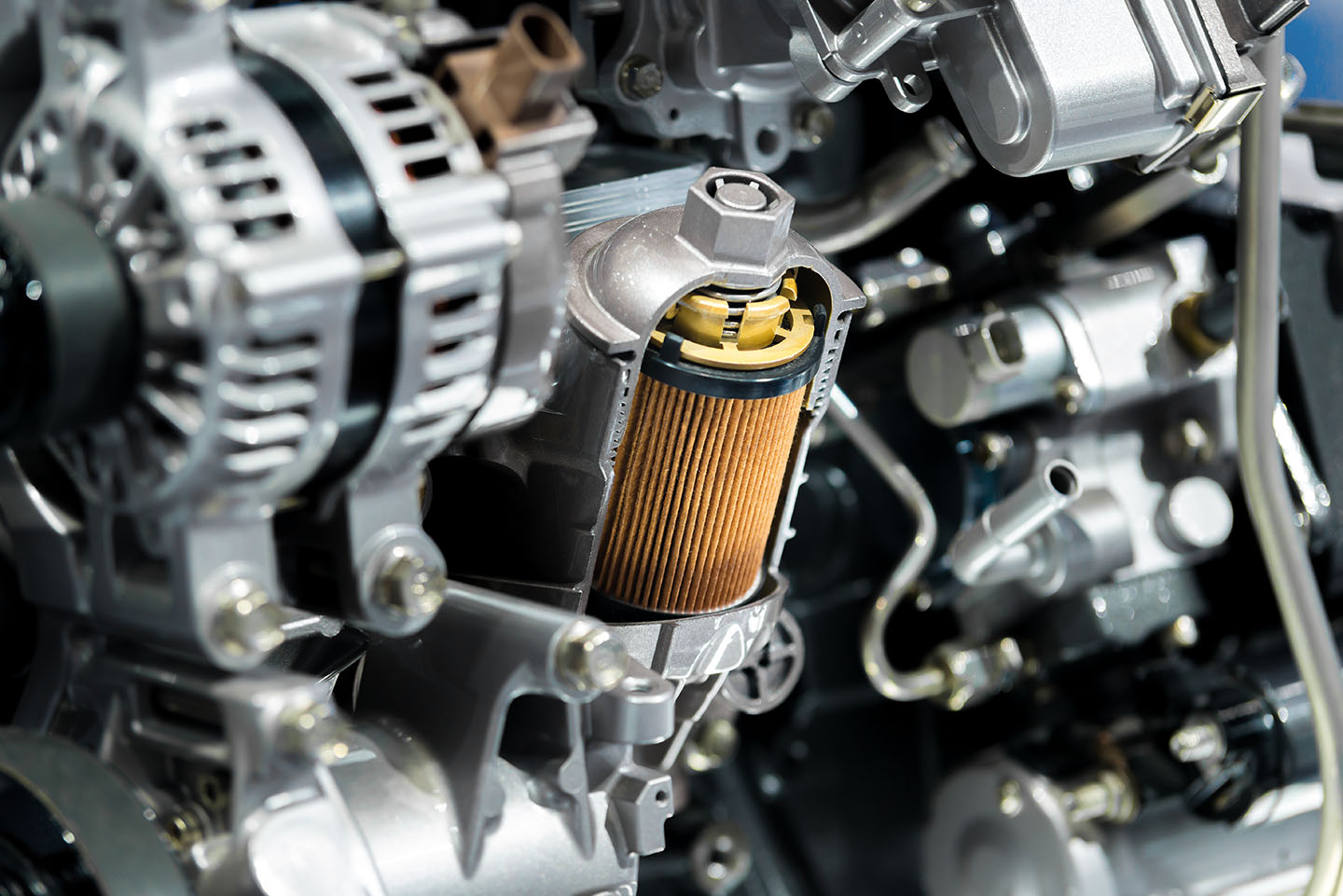
The fuel filter is a small but important part of your car. It cleans the fuel before it reaches the engine. Dirt, rust, and other tiny particles can enter the fuel tank. The fuel filter stops these from going into the engine. This helps the engine run smoothly and last longer.
Protecting Engine Components
The fuel filter protects vital engine parts from damage. Dirt and debris can cause wear and tear inside the engine. This can lead to costly repairs. The filter catches these particles early. It keeps the fuel clean and safe for the engine. Clean fuel means less damage and better engine health.
Maintaining Fuel Efficiency
A clean fuel filter helps the engine burn fuel better. When the filter is clogged, fuel flow slows down. The engine works harder and uses more fuel. This lowers fuel efficiency and increases costs. Changing the filter on time keeps fuel flowing freely. The engine uses fuel well and saves money.
Credit: bostechauto.com
Signs Of A Clogged Fuel Filter
A clogged fuel filter can cause many problems for your vehicle. It stops fuel from flowing smoothly to the engine. This can lead to poor engine performance and other fuel system troubles. Recognizing the signs early helps you avoid costly repairs and keep your car running well.
Engine Performance Issues
The engine may start to run roughly or stall often. You might notice a loss of power during acceleration. The car can hesitate or sputter when you press the gas pedal. These symptoms happen because the engine is not getting enough fuel. A clogged fuel filter restricts the flow and causes these problems.
Fuel System Problems
The fuel pump can work harder than usual. It may make strange noises or fail early. The fuel injectors might not spray fuel properly. This leads to poor fuel efficiency and rough idling. Dirt and debris trapped in the fuel filter affect the whole fuel system.
Recommended Replacement Intervals
Knowing when to change your fuel filter helps keep your engine healthy. The fuel filter stops dirt and rust from clogging your fuel system. Over time, it gets dirty and less effective. Changing it at the right time prevents engine problems and saves money on repairs.
Manufacturer Guidelines
Car makers give advice on how often to replace the fuel filter. This information is in the owner’s manual. Most suggest changing it every 20,000 to 40,000 miles. Some newer cars have filters that last longer. Following these guidelines helps keep your car running well.
Factors Influencing Replacement Frequency
Driving conditions affect how fast your fuel filter gets dirty. Rough roads or dusty places make it clog quicker. Using low-quality fuel can also shorten its life. Frequent short trips cause more wear than long highway drives. Check the filter more often if you drive in tough conditions.
Diy Vs Professional Replacement
Changing your fuel filter is important to keep your car running smoothly. You can choose to do it yourself or hire a professional. Both options have good points and challenges. Understanding each helps you decide what fits your needs.
Tools Needed For Diy
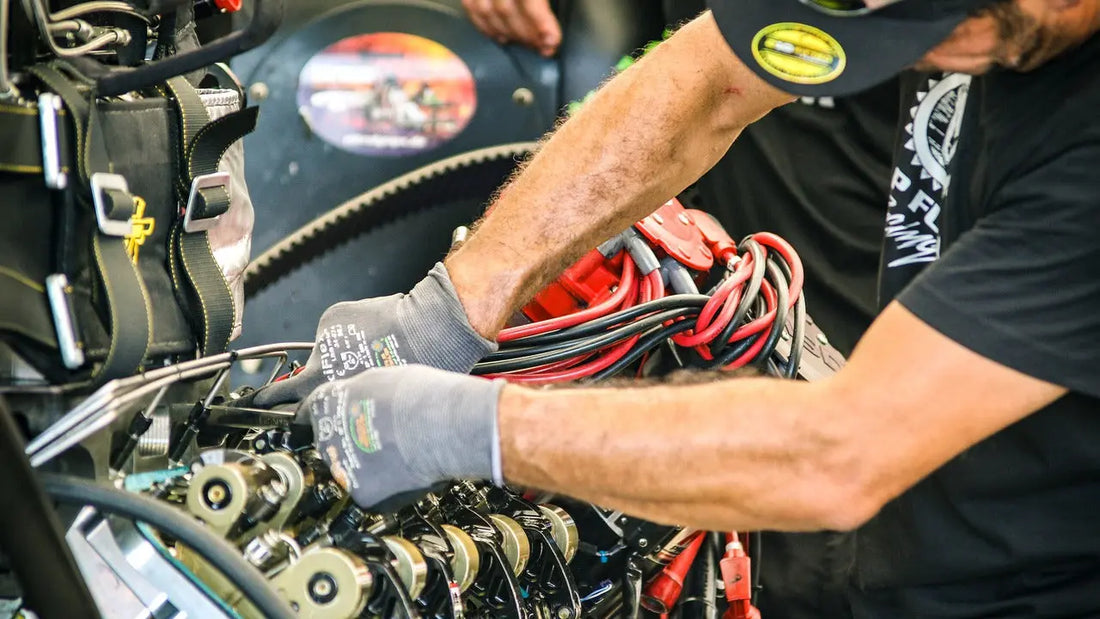
Changing a fuel filter yourself needs some basic tools. You will need a wrench set to loosen bolts. A screwdriver helps remove clamps and covers. A container to catch fuel spills is useful. Safety gloves protect your hands from fuel. Clean rags are good for wiping parts. Having these tools ready makes the job easier.
When To Seek Professional Help
Some situations require a professional mechanic. If your car has a complex fuel system, avoid DIY. Strange noises or leaks mean you need expert care. Professionals have special tools and experience. They can spot problems you might miss. Trusting a pro can save time and money in the long run.
Consequences Of Neglecting Fuel Filter Changes
Neglecting to change your fuel filter can cause serious problems for your vehicle. The fuel filter cleans dirt and debris from the fuel before it reaches the engine. Over time, it gets clogged. A clogged filter stops fuel from flowing properly. This can harm your engine and lower your car’s performance. Understanding the consequences helps you avoid costly repairs.
Engine Damage Risks
A dirty fuel filter makes your engine work harder. Dirt and particles may pass through and damage engine parts. This causes poor engine performance and rough idling. Over time, it can lead to engine failure. Repairing engine damage is expensive and takes time. Changing the fuel filter regularly prevents these risks.
Increased Fuel Consumption
A clogged fuel filter reduces fuel flow. The engine tries to get more fuel to keep running. This leads to higher fuel use. Your car will need gas more often. Fuel efficiency drops, costing you more money. Regular filter changes keep fuel flow smooth and save fuel.
Credit: www.ievilenergy.com
Tips To Extend Fuel Filter Life
Extending the life of your fuel filter can save you time and money. Proper care helps keep your engine running smoothly. Follow simple tips to make your fuel filter last longer.
These tips also improve your vehicle’s overall performance. Small habits make a big difference in filter health.
Using Quality Fuel
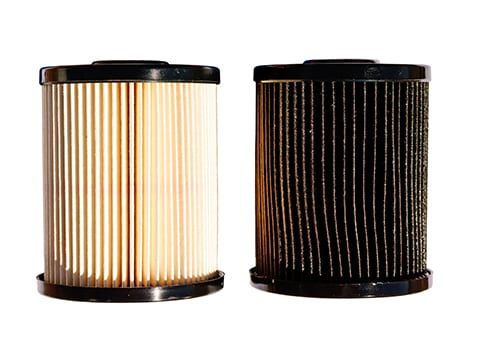
Choose clean and high-grade fuel for your vehicle. Poor fuel contains dirt and debris that clog the filter quickly. Filling up at trusted gas stations reduces contamination risks. Clean fuel helps the filter trap fewer particles. This keeps the filter working well for a longer time.
Regular Vehicle Maintenance
Keep a consistent maintenance schedule for your car. Change the fuel filter as recommended by the vehicle manual. Check fuel lines and connections for leaks or damage. Clean or replace air filters regularly to reduce strain on the fuel system. Routine checks prevent buildup that can block the filter. Well-maintained vehicles protect the fuel filter’s efficiency.
Credit: www.waynesautocenter.com
Frequently Asked Questions
How Often Should I Change My Fuel Filter?
Typically, change your fuel filter every 20,000 to 40,000 miles. Check your vehicle’s manual for specific intervals.
What Are Signs Of A Clogged Fuel Filter?
Symptoms include engine misfires, stalling, poor acceleration, and difficulty starting. These indicate restricted fuel flow needing filter replacement.
Can A Dirty Fuel Filter Damage My Engine?
Yes, a clogged filter reduces fuel flow, causing engine strain. This may lead to poor performance and potential engine damage.
Is Changing The Fuel Filter A Diy Task?
Yes, if you have basic tools and mechanical skills. Otherwise, professional service ensures proper installation and safety.
Conclusion
Changing your fuel filter regularly keeps your engine healthy. A clean filter helps fuel flow smoothly. This prevents engine problems and saves money on repairs. Most cars need a new filter every 20,000 to 30,000 miles. Check your car’s manual for exact advice.
Don’t wait for signs of trouble to act. Keep your car running well by staying ahead. A simple filter change can improve performance and fuel efficiency. Remember, small steps protect your vehicle in the long run.


