

If you want your engine to run smoothly and avoid costly repairs, knowing how to drain your fuel filter water separator is a must. Water in your fuel system can cause serious damage, but the good news is that draining the separator is a simple step you can take to protect your engine.
You’ll learn exactly how to do it quickly and safely, so you can keep your vehicle or equipment running strong. Keep reading—your engine will thank you.
Fuel Filter Water Separator Basics
The fuel filter water separator is a key part of many engines. It removes water and dirt from the fuel. Clean fuel helps the engine run smoothly. Water in fuel can cause damage and poor engine performance. Knowing how this device works helps keep the engine healthy.
Regular checks and maintenance of the fuel filter water separator prevent costly repairs. This section explains its purpose and how to spot water contamination early.
Purpose And Importance
The main job of the fuel filter water separator is to clean fuel. It catches water and dirt before they reach the engine. Water in fuel can cause rust and corrosion inside engine parts. Dirt can block fuel injectors and reduce power. The separator protects engine parts and improves fuel efficiency. It helps the engine last longer and run better. Without it, the engine may fail unexpectedly.
Common Signs Of Water Contamination
Water in fuel causes several problems. The engine might start to stall or run rough. You may hear strange noises during operation. Fuel smells different or feels watery. The engine may lose power or fail to start. Fuel filters clog faster than usual. Spotting these signs early helps fix problems quickly. Draining the water separator can restore engine performance. Ignoring water contamination leads to serious engine damage.
Tools And Safety Gear Needed
Draining a fuel filter water separator requires specific tools and safety gear. Using the right equipment makes the task easier and safer. Preparation is key to avoid spills and injuries.
Essential Tools List
- Wrench or socket set for loosening drain valve
- Drain pan to catch water and fuel mixture
- Clean rags or paper towels for spills
- Gloves to protect your hands from fuel
- Safety glasses to shield your eyes
- Flashlight for better visibility in tight spaces
- Container for proper fuel disposal
Safety Precautions
Wear gloves and safety glasses before starting the task. Fuel can irritate skin and eyes.
Work in a well-ventilated area to avoid inhaling fumes. Keep open flames away from the work zone. Avoid smoking during the process. Use rags to quickly clean any spills to prevent slipping. Dispose of fuel and contaminated materials properly to protect the environment.
Preparing Your Vehicle
Preparing your vehicle before draining the fuel filter water separator is essential. This step ensures safety and makes the process smooth. Taking time to prepare can prevent spills and damage.
Start by knowing where the fuel filter water separator is located. Then, stop the engine to avoid accidents. Follow these simple steps carefully.
Locating The Fuel Filter Water Separator
Open the hood or engine cover of your vehicle. Look for a small, round container connected to fuel lines. It often sits near the fuel filter or fuel pump. Check your owner’s manual if unsure. Knowing the exact location saves time and effort.
Shutting Off The Engine
Turn off the ignition and remove the key. Let the engine cool down for a few minutes. This prevents burns and fuel leaks. Make sure the vehicle is on a flat surface. Engage the parking brake to keep the vehicle steady.

Credit: clearflowsys.com
Draining The Water Separator
Draining the water separator is an important task for maintaining your engine’s health. Water in the fuel can cause damage and reduce performance. Removing this water keeps the fuel system clean and efficient. This process is simple but must be done carefully to avoid spills and contamination.
Step-by-step Drain Procedure
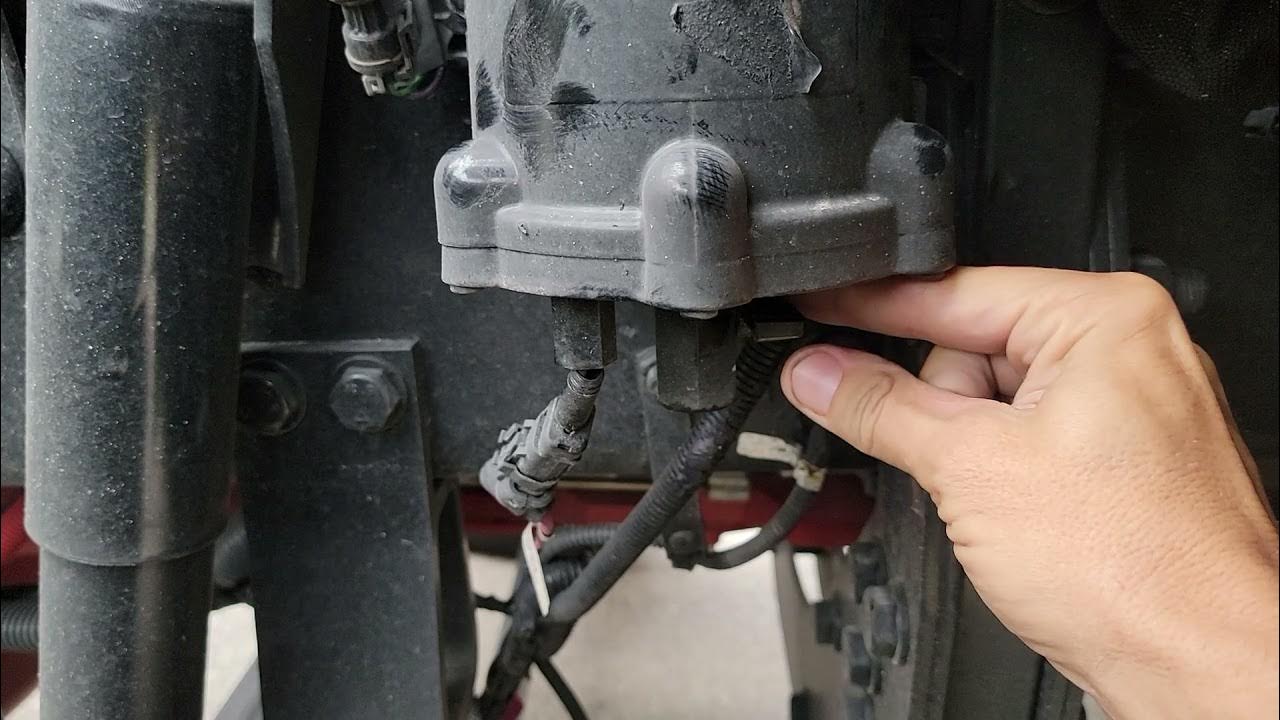
First, park the vehicle on a flat surface and turn off the engine. Locate the fuel filter water separator, usually near the fuel tank or engine. Place a container under the drain valve to catch water and fuel. Slowly open the drain valve or petcock. Let the water flow out completely. Close the valve once only clean fuel appears. Wipe any spills with a rag and dispose of waste safely.
Handling Collected Water And Fuel
Collected liquid contains water and some fuel. Do not pour it on the ground or down drains. Store it in a sealed container. Take it to a hazardous waste disposal center. Wear gloves to protect your skin. Wash hands after handling. Proper disposal prevents pollution and keeps the environment safe.
Post-drain Maintenance
After draining the fuel filter water separator, proper maintenance is essential. This step ensures your engine runs smoothly and avoids future problems. Take time to inspect and reset parts to keep everything in good shape.
Inspecting For Leaks
Check all the connections around the fuel filter. Look closely for any signs of fuel or water leaks. Even small drips can cause damage over time. Tighten loose fittings carefully. Replace any worn-out seals or gaskets. A thorough inspection helps prevent costly repairs later.
Resetting Or Replacing Components
Some fuel water separators have a reset button or valve. Use it to clear any warning lights or indicators. If your separator has a replaceable filter element, change it regularly. Follow the manufacturer’s instructions for replacement intervals. Proper resetting and timely parts replacement keep the system reliable and efficient.

Credit: www.yachtingmonthly.com
Tips To Prevent Water Buildup
Water buildup in a fuel filter water separator can cause engine problems. Preventing this buildup helps keep engines running smoothly. Simple steps reduce water accumulation and protect fuel systems. These tips save time and repair costs.
Regular Maintenance Schedule
Check the fuel filter water separator often. Drain water before it fills up. Follow the machine’s manual for maintenance times. Replace filters as recommended. Clean parts help stop water damage. Regular care keeps the system working well.
Using Fuel Additives
Fuel additives reduce water and contaminants in fuel. Choose additives made for diesel or gasoline engines. Add them during fueling to protect the system. These products help break water droplets apart. They improve fuel quality and prevent blockages.
Credit: www.youtube.com
Frequently Asked Questions
How Often Should I Drain A Fuel Filter Water Separator?
You should drain the fuel filter water separator every 500 to 1,000 miles. Check it more frequently in wet conditions to prevent water buildup and engine damage.
What Tools Are Needed To Drain A Fuel Water Separator?
To drain a fuel water separator, you need a wrench, a container to catch water, and a clean rag. Always wear gloves for safety.
Can I Drive With Water In The Fuel Filter?
Driving with water in the fuel filter can damage your engine. It reduces fuel efficiency and may cause corrosion or stalling.
How Do I Identify Water In The Fuel Filter?
Water in the fuel filter appears as a clear or cloudy liquid separate from the fuel. It often collects at the bottom of the separator bowl.
Conclusion
Draining the fuel filter water separator keeps your engine safe. Regular checks prevent water damage and improve fuel flow. Follow the steps carefully to avoid mistakes. Use the right tools and work in a clean space. Clean filters help your vehicle run smoothly and last longer.
Stay consistent with maintenance to avoid costly repairs. Your engine will thank you with better performance and reliability. Simple care makes a big difference in the long run. Keep your fuel system clean and your engine healthy.

