

Is your car’s AC not cooling like it used to? You might be wondering, how often do you need to recharge your car’s AC to keep it running smoothly?
Knowing the right time to recharge can save you from uncomfortable rides and costly repairs. You’ll discover simple signs to watch for and easy tips to keep your car’s AC in top shape all year round. Keep reading to find out exactly when and why your car’s AC needs a recharge.
Signs Your Car Ac Needs Recharging
Knowing the signs your car AC needs recharging helps avoid discomfort. Pay attention to changes in how your AC works. Early detection can save money and keep your car cool.
Weak Airflow
Air coming from vents feels weak or less powerful. The AC fan may work, but the air feels thin. This happens when refrigerant levels drop. Low refrigerant reduces pressure and airflow strength.
Warm Air Blowing
Instead of cold air, warm or room temperature air blows out. This means the AC is not cooling properly. The refrigerant absorbs heat to cool the air. Without enough refrigerant, it cannot cool effectively.
Unusual Noises
Strange sounds like hissing or rattling come from the AC system. These noises may indicate leaks or low refrigerant. The compressor may strain due to low refrigerant, causing noise. Ignoring sounds can lead to bigger problems.
Foul Odors
Bad smells come from the AC vents when turned on. This can mean mold or bacteria growing inside the system. Low refrigerant can cause moisture buildup, leading to odors. Cleaning and recharging may be needed to fix smells.
Credit: www.aireserv.com
Factors Affecting Ac Recharge Frequency
The frequency of recharging your car’s AC depends on several key factors. These factors influence how often the refrigerant runs low or the system needs a refill. Understanding them helps keep your car cool and the AC working efficiently. Below are the main aspects that affect AC recharge frequency.
Climate And Usage
Hotter climates make your AC work harder. The refrigerant may deplete faster in these areas. Using the AC daily increases wear and tear. Short trips with frequent starts and stops also affect the system. In cooler places or with less use, the recharge may be less often.
Vehicle Age And Condition
Older cars tend to lose refrigerant more quickly. Parts wear out and seals may shrink over time. Newer vehicles often have better-sealed AC systems. Regular checks can spot issues before they cause major losses. A well-maintained system holds refrigerant longer.
Leakage And Maintenance
Leaks are a common cause of AC recharge needs. Small leaks let refrigerant escape slowly. Poor maintenance can cause damage to hoses and seals. Checking for leaks helps prevent frequent recharges. Keep the AC system clean and serviced for best results.
Recommended Recharge Intervals
Knowing when to recharge your car’s AC keeps it running cool and fresh. Regular recharging stops the system from losing power and helps avoid costly repairs. Different factors affect how often you need a recharge.
Typical Time Frames
Most cars need an AC recharge every 1 to 2 years. This timing depends on how much you use the AC and the weather in your area. Hot climates may require more frequent recharges.
Mileage Considerations
Higher mileage cars often need an AC recharge sooner. The system parts wear down over time, causing gas to leak. Checking your AC after every 15,000 to 20,000 miles helps maintain performance.
Manufacturer Guidelines
Car makers provide specific recharge intervals in the owner’s manual. Following these guidelines ensures the system works efficiently. Always check the manual for the best advice on your car model.

Credit: knowhow.napaonline.com
How To Recharge Your Car Ac
Knowing how to recharge your car AC helps keep it cool and fresh. Over time, the refrigerant in your AC system can run low. This causes the air to lose its chill. Recharging your car AC restores the cooling power quickly. You can choose to do it yourself or get professional help. Both options have their own steps and benefits. Understanding these will help you decide the best way to recharge your AC.
Diy Recharge Steps
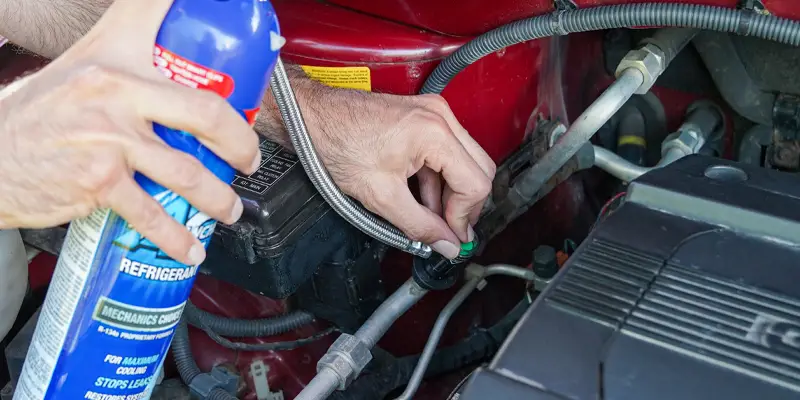
First, park your car in a safe, open space. Make sure the engine is off and cool. Locate the low-pressure port on the AC system. It looks like a small valve and is usually near the engine. Attach the recharge hose to the port carefully. Read the instructions on the refrigerant can before use. Start the engine and turn the AC to the coldest setting. Slowly add refrigerant by pressing the can nozzle. Stop frequently to check the pressure gauge. Do not overfill the system as it can cause damage. When finished, remove the hose and close the valve tightly. Dispose of empty cans properly and wash your hands.
Professional Service Benefits
Professionals use special tools to check your AC system thoroughly. They detect leaks and fix them before recharging. The recharge process is precise and meets safety standards. They use the right amount of refrigerant for your car. Professionals also clean or replace AC parts if needed. This prevents future problems and keeps the system efficient. They save you time and avoid mistakes. Your AC stays cooler longer with expert care. Professionals provide a warranty on their service for peace of mind.
Costs Involved In Ac Recharging
Recharging your car’s AC system involves certain costs that vary depending on the method you choose. Understanding these costs can help you plan your budget better. Costs depend on tools, labor, and possible repairs needed during the process.
Diy Vs Professional Costs
Doing the AC recharge yourself costs less upfront. A recharge kit from an auto store can cost between $20 and $50. These kits include refrigerant and basic tools for adding it to your system. Professional services charge more, usually between $100 and $200. The price covers labor, refrigerant, and system checks. Professionals can spot other AC issues during the service, which saves money later.
Additional Repair Expenses
Sometimes, AC recharging is not enough. Leaks or damaged parts may need fixing. Repair costs vary widely. A simple leak repair can cost around $150 to $300. Replacing parts like compressors or condensers can cost $500 or more. These repairs are necessary for the AC to work properly. Ignoring them may increase costs over time.
Preventing Frequent Ac Recharges
Frequent AC recharges can be annoying and costly. Preventing these helps keep your car cool without extra expenses. Simple care and smart use extend the life of your car’s AC system. Follow easy steps to avoid frequent visits to the mechanic.
Focus on regular checks, fixing leaks, and using the AC correctly. These habits save energy and keep the air fresh inside your car. A well-maintained AC works better and lasts longer.
Regular Maintenance Tips
Check the AC system every six months. Clean or replace the cabin air filter regularly. Remove debris from the condenser and radiator. Run the AC for a few minutes weekly, even in winter. This keeps the system lubricated and prevents damage.
Leak Detection And Repair
Leaks cause loss of refrigerant, making the AC weak. Watch for oily spots under the car or around AC parts. Use a UV dye or electronic leak detector to find leaks. Fix leaks early to avoid full system failure and costly repairs.
Proper Use Of Ac System
Start the car with windows open for a short time. Then close windows and turn on the AC. Avoid setting the temperature too low; moderate settings reduce strain. Turn off the AC a few minutes before parking. This helps dry the system and prevents mold growth.
Credit: www.lopersperformancecenter.com
Frequently Asked Questions
How Often Should You Recharge Car Ac?
Car AC typically needs recharging every 2 to 3 years. However, if cooling weakens or leaks appear, recharge sooner. Regular maintenance checks help spot issues early and keep AC efficient.
What Signs Indicate Car Ac Needs Recharging?
If your car AC blows warm air or cools slowly, it likely needs recharging. Strange noises or a musty smell also suggest low refrigerant levels requiring a recharge.
Can I Recharge My Car Ac Myself?
Yes, you can recharge your car AC using DIY kits. However, improper handling may cause damage. It’s best to consult a professional for accurate diagnosis and safe recharging.
Does Recharging Car Ac Improve Fuel Efficiency?
Recharging car AC improves cooling but has minimal impact on fuel efficiency. A well-maintained AC system runs smoothly and prevents engine strain, indirectly supporting fuel economy.
Conclusion
Car AC recharging keeps your vehicle cool and comfortable. Regular checks help spot leaks early and save money. Most cars need a recharge every 1 to 3 years. Watch for weak airflow or warm air as warning signs. Proper maintenance extends the life of your AC system.
Stay attentive to your car’s needs. Keep your drives pleasant, no matter the weather. Simple steps ensure your AC works well year-round. Don’t wait until the heat becomes unbearable.


