

Have you ever wondered how much your car’s value drops after an accident, even if it’s fully repaired? This loss is called diminished value, and it can cost you more than just the repair bills.
Knowing how to figure out the diminished value of your car is key to making smart decisions—whether you’re selling, trading in, or filing an insurance claim. You’ll discover simple steps to calculate that hidden loss and learn how to protect your investment.
Keep reading, because understanding this could save you hundreds or even thousands of dollars.
Credit: www.insurancecentermo.com
What Is Diminished Value
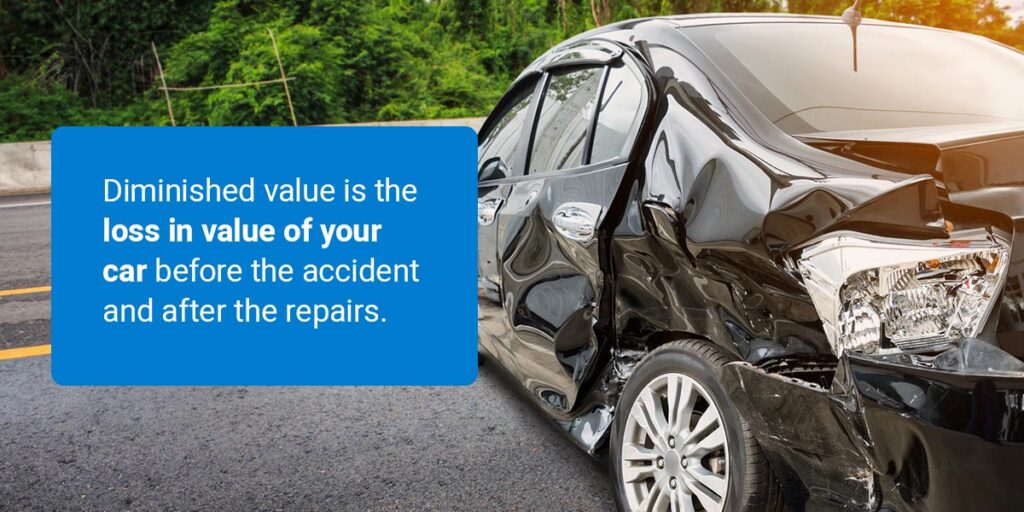
Diminished value is a key concept in car ownership and insurance. It means the loss in a car’s market worth after an accident. Even after repairs, a car can lose value. This loss happens because buyers often pay less for cars with accident history.
Understanding diminished value helps car owners make better decisions. It can affect resale price and insurance claims. Knowing what diminished value means is the first step in figuring it out.
What Diminished Value Means
Diminished value shows how much less a car is worth. This value drops after an accident. The damage lowers a car’s appeal and trust. Buyers see a repaired car as less reliable.
There are three main types of diminished value. Immediate diminished value happens right after the crash. Inherent diminished value is the permanent loss after repairs. Repair-related diminished value occurs if the repair quality is poor.
Why Diminished Value Matters
Diminished value impacts the resale price. It can also affect insurance claims. Car owners may recover some of the lost value through claims. Knowing diminished value helps protect your investment.
Credit: www.jdpower.com
Factors Affecting Diminished Value
Diminished value means the loss in a car’s market worth after damage and repair. Many factors influence this value. Understanding these helps car owners estimate the loss better. Some factors lower the value more than others. Knowing them guides you in negotiating or claiming insurance.
Vehicle Age And Condition
Newer cars lose more value after damage. Older cars have less value to lose. The car’s condition before the accident matters. A well-kept car holds value better than a worn one. Age and condition set the baseline for value loss.
Accident Severity
Severe accidents cause bigger drops in value. Minor fender benders usually cause small losses. Damage to the frame or structure lowers value a lot. The more serious the damage, the higher the diminished value.
Repair Quality
High-quality repairs help maintain a car’s value. Poor repairs or visible flaws reduce value further. Using original parts matters to buyers. Professional work reassures buyers about safety and reliability.
Market Demand
Cars in high demand lose less value. Rare or classic cars keep value better. Common cars may lose more after damage. Local market trends affect diminished value too.
Types Of Diminished Value
Diminished value means the loss in a car’s market worth after damage. Different types of diminished value explain how much a car’s value drops. Knowing these types helps car owners understand their claims better.
Each type shows a unique way the car loses value. Some happen right after the accident. Others show up after repairs or just because the car had damage.
Immediate Diminished Value
Immediate diminished value happens right after an accident. Even before repairs, the car is worth less. Buyers see a car with damage history as risky. This lowers what they will pay.
Inherent Diminished Value
Inherent diminished value is the loss just because the car was damaged. It stays even after perfect repairs. People avoid cars with accident history. This reduces the price no matter how good the fix is.
Repair-related Diminished Value
Repair-related diminished value happens if repairs are poor or incomplete. Bad paint jobs or mismatched parts make the car less valuable. Visible flaws after repair cause this type of loss. It can be fixed with quality repairs.
Simple Methods To Calculate Diminished Value
Calculating the diminished value of a car helps you understand how much your vehicle’s worth has dropped after damage. There are easy methods to find this value without needing complex tools or expert knowledge. These simple approaches give a clear idea of what your car lost in value.
Using Online Calculators
Online calculators offer a quick way to estimate diminished value. You just enter details like car make, model, year, and damage type. The tool then uses formulas to give you a rough value loss. This method is fast and does not cost anything.
Keep in mind, online calculators provide estimates only. They may not reflect the exact market value drop. Still, they give a good starting point for your claim or sale.
Professional Appraisal
A professional appraisal gives a precise diminished value estimate. Experts inspect your car carefully, looking at damage and repair quality. They use industry standards to calculate value loss.
This method is more accurate but can cost money. It is useful for insurance claims or legal cases. A written appraisal report adds credibility to your claim.
Comparable Market Analysis
Comparing your car with similar vehicles on the market reveals value differences. Check prices of cars like yours without damage. Then compare with prices of repaired cars with similar damage.
This method shows how much buyers pay less for damaged cars. It requires some research but offers real market insights. Use listings, dealer prices, and classified ads for data.
Steps To Estimate Your Car’s Diminished Value
Estimating your car’s diminished value helps understand how much value it lost after damage. This process involves several clear steps. Each step provides important details to get a fair estimate. Follow these steps carefully to figure out your car’s worth after repairs.
Gather Vehicle Information
Start by collecting all basic details about your car. Include make, model, year, mileage, and condition before the damage. This information sets the foundation for the entire estimation.
Assess Damage History
List all damages your car has had. Note the type of damage and when it happened. This helps determine how the damage affects the car’s value over time.
Evaluate Repair Records
Check all repair documents and invoices. Confirm the quality of repairs and parts used. Good repairs reduce value loss, while poor repairs increase it.
Research Market Prices
Look at similar cars for sale. Compare prices of cars with and without damage history. This comparison shows how much value damage can reduce.
Calculate Estimated Loss
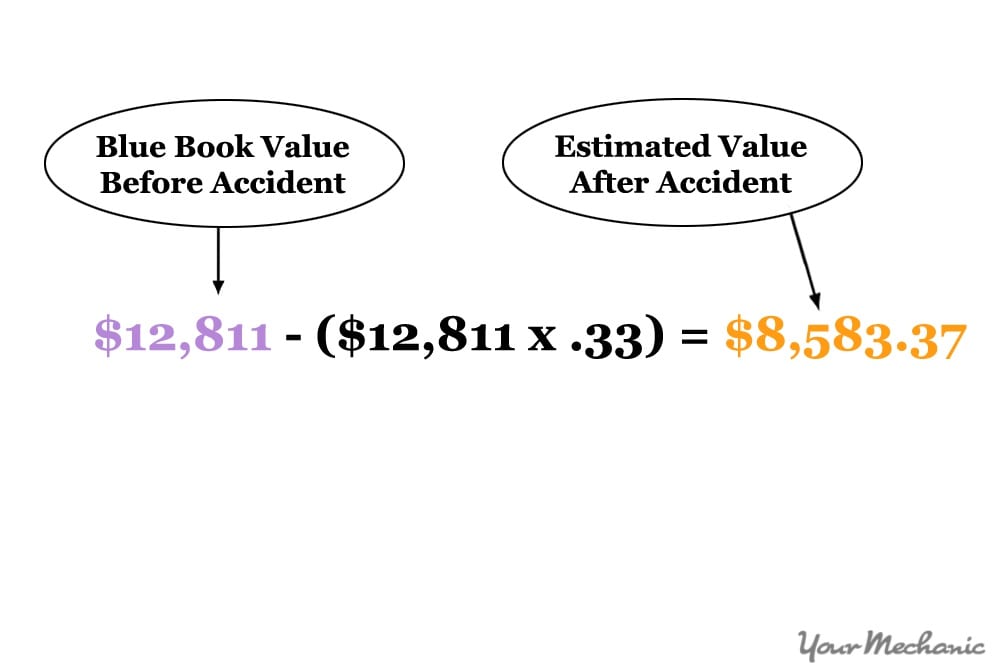
Use the gathered data to estimate value loss. Subtract the current market value from the value before damage. This difference is your car’s diminished value.
Tips To Maximize Diminished Value Claims
Maximizing your diminished value claim increases the chance of fair compensation. You must prepare carefully and follow key steps. These tips help you build a strong case and avoid common mistakes.
Keep clear records, get several repair estimates, and seek expert advice. These actions protect your rights and improve your claim’s success.
Document Everything
Keep detailed records of all car damage and repairs. Take clear photos before and after repairs. Save all receipts and invoices related to the accident and repairs.
Write down dates and descriptions of conversations with insurance agents or repair shops. Documentation proves your car’s condition and supports your claim.
Get Multiple Estimates
Obtain repair and diminished value estimates from different shops. Compare these quotes to understand your car’s true loss in value. Multiple estimates show the problem’s extent and back up your claim.
Choose reputable mechanics and appraisers with experience in diminished value. Their professional opinions carry more weight with insurance companies.
Consult Insurance Experts
Talk to insurance adjusters or independent experts who know diminished value laws. They can explain your rights and guide you through the claim process. Expert advice helps avoid common pitfalls.
Experts also help negotiate with insurance companies to get fairer settlements. Their knowledge strengthens your position and raises claim success chances.
When To Hire A Professional Appraiser
Figuring out the diminished value of your car can be tricky. Sometimes, the loss is not easy to see or calculate. A professional appraiser can give you a clear, fair estimate. They have the skills and tools to check your car’s real value after damage.
Knowing the right time to hire an appraiser saves money and stress. It also helps with insurance claims and selling your car. Here are key moments when calling a professional makes sense.
After Major Accident Repairs
If your car had big repairs, the value might drop more than expected. An appraiser checks the quality of repairs and impact on value. This helps prove how much your car is worth now.
When Insurance Offers Too Little
Insurance companies often lowball diminished value claims. An appraiser provides an honest, detailed report. This report supports your case for a fair payout.
Before Selling A Repaired Car
Knowing the reduced value helps set a fair selling price. An appraiser’s report shows buyers why the price is lower. This builds trust and speeds up the sale.
Complex Damage Cases
Some damages affect value in hidden ways. Frame damage or electronics issues are tough to assess. Professionals use special methods to find true diminished value.
Disputes Over Damage Claims
When disagreements arise about your car’s value, an appraiser acts as an expert witness. Their unbiased opinion supports your claim in court or negotiations.
Credit: www.yourmechanic.com
Frequently Asked Questions
What Is Diminished Value Of A Car?
Diminished value is the loss in a car’s market worth after an accident. Even after repairs, the car is worth less. This value reflects how buyers perceive accident history and potential future issues.
How Is Diminished Value Calculated?
Diminished value is calculated by comparing the car’s pre-accident market value to its post-repair value. Factors include damage severity, repair quality, and car age. Professional appraisers or online tools often help estimate this loss.
Can I Claim Diminished Value After An Accident?
Yes, you can claim diminished value from the at-fault party’s insurance. It compensates for your car’s reduced resale value. Filing a claim requires documentation of damage, repair, and market value before and after the accident.
Does Insurance Cover Diminished Value Claims?
Not all insurance policies cover diminished value claims. Coverage depends on your policy and state laws. Some states allow claims against the at-fault driver’s insurer for diminished value compensation.
Conclusion
Knowing the diminished value of your car helps you make smart decisions. It shows how much your car’s worth dropped after damage. You can use this knowledge when selling or insuring your vehicle. Keep records of repairs and damages for accuracy.
Always get a professional appraisal if possible. Understanding this value protects your money and your rights. It makes dealing with insurance or buyers easier. Stay informed and confident about your car’s true worth.

