

How often do you need to replace a fuel filter? It’s a question many car owners overlook until a problem arises.
Yet, your fuel filter plays a crucial role in keeping your engine running smoothly. If it’s clogged or dirty, your car’s performance can drop, and you might even face costly repairs. You’ll discover the signs that tell you it’s time for a change, how often you should check it, and simple tips to keep your vehicle in top shape.
Keep reading—your engine will thank you.
Role Of A Fuel Filter
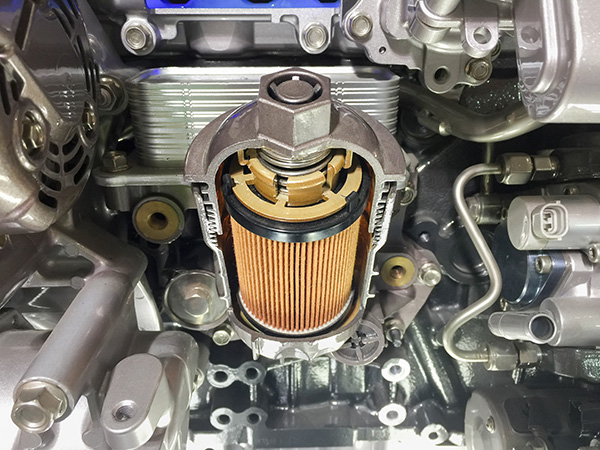
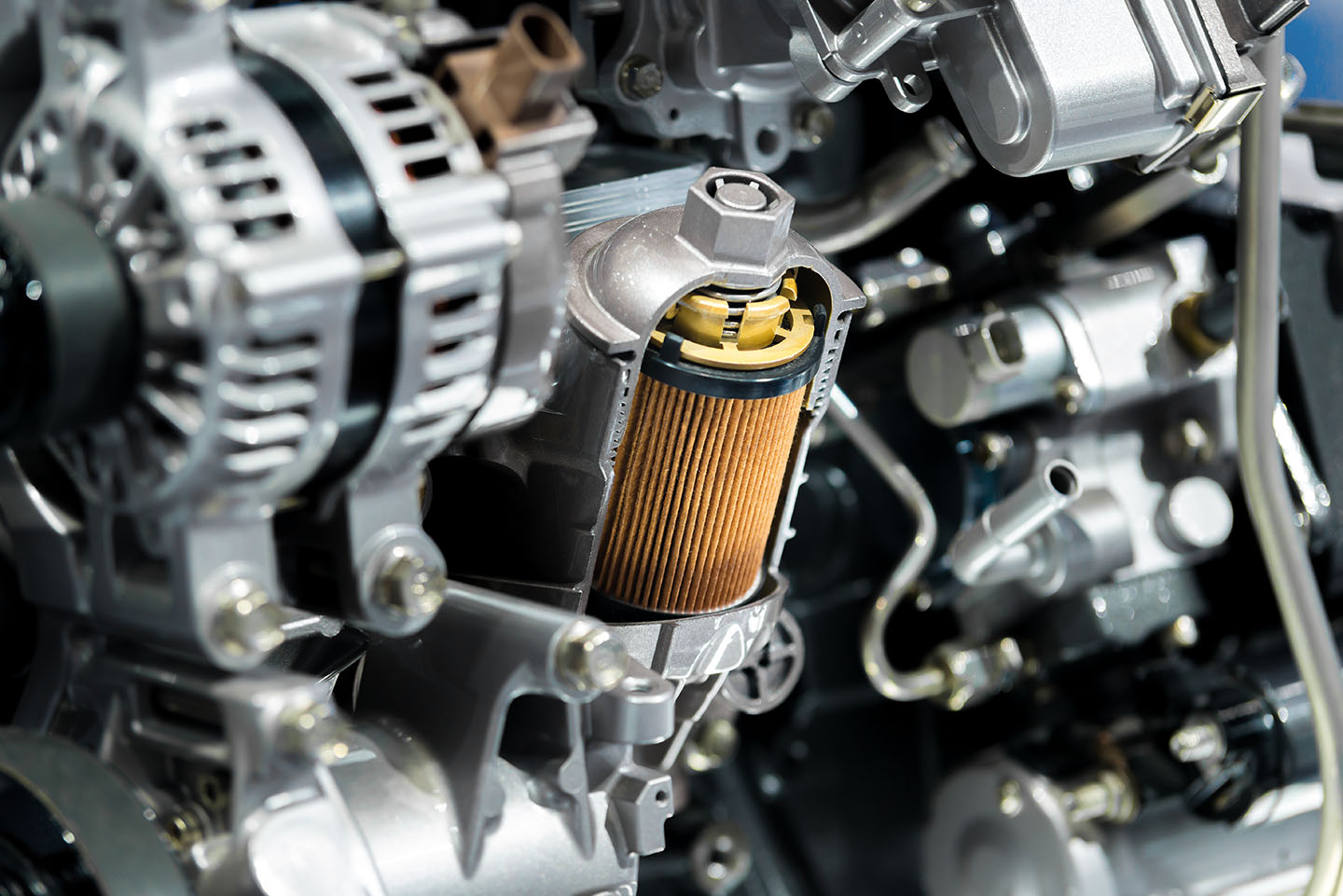
The fuel filter plays an important role in a vehicle’s fuel system. It keeps the fuel clean by removing dirt and particles. This helps the engine run smoothly and last longer. Understanding the fuel filter’s role can show why regular replacement is important.
Filtering Impurities
The fuel filter traps dirt, rust, and other particles from the fuel. These impurities come from the fuel tank or gas stations. Without filtering, these particles can reach the engine. The filter stops them, protecting the fuel injectors and engine parts.
Protecting Engine Components
Clean fuel prevents damage to engine parts like injectors and cylinders. The fuel filter stops harmful debris from causing wear and tear. This protection helps the engine perform well and saves repair costs. A clean fuel filter means a healthier engine.
Signs Of A Clogged Fuel Filter
A clogged fuel filter can cause many problems for your vehicle. It stops fuel from flowing properly to the engine. This can affect how your car runs and may cause damage over time. Watch for signs that show your fuel filter might be blocked. Early detection helps keep your car in good shape.
Engine Performance Issues
The engine may run rough or stall suddenly. It can lose power during acceleration. You might hear sputtering sounds from the engine. These happen because fuel flow is limited. The engine does not get enough fuel to work well.
Starting Problems
Your car may take longer to start or fail to start. The fuel filter blocks fuel from reaching the engine. This makes ignition difficult. Sometimes, the engine turns over but does not start. This is a strong sign the filter needs checking.
Reduced Fuel Efficiency
Your car may use more fuel than usual. A clogged filter forces the engine to work harder. This wastes fuel and lowers mileage. You might notice you need to fill the tank more often. Fuel efficiency drops because the engine struggles to run smoothly.
Recommended Replacement Intervals
Knowing the right time to replace a fuel filter helps keep your engine running smoothly. Fuel filters catch dirt and debris before they reach the engine. Over time, filters get clogged and lose their effectiveness. Replacing them at the right interval avoids poor engine performance and costly repairs.
Manufacturer Guidelines
Most car makers give clear advice on fuel filter replacement. Check your vehicle’s owner manual for specific intervals. Common recommendations range from 20,000 to 40,000 miles. Some newer cars have filters that last longer or are built into the fuel pump. Following the manufacturer’s schedule helps maintain engine health and fuel efficiency.
Variations By Vehicle Type
Fuel filter replacement depends on the vehicle type and usage. Diesel engines often need more frequent changes than gasoline engines. Older cars may require more care and earlier filter swaps. Trucks and SUVs that carry heavy loads or drive off-road might need quicker replacements. Adjust intervals based on your driving conditions and vehicle type for best results.
Credit: www.paulsauto.com
Factors Affecting Replacement Frequency
The frequency of fuel filter replacement depends on many factors. These factors impact how fast the filter clogs or wears out. Understanding them helps keep your vehicle running smoothly. It also prevents engine problems related to dirty fuel.
Driving Conditions
Driving in dusty or dirty areas makes the fuel filter clog faster. Off-road driving, heavy traffic, and short trips increase filter use. Frequent stop-and-go traffic puts more strain on the filter. Clean fuel flow becomes harder to maintain under these conditions. Regular checks become more important.
Fuel Quality
Low-quality or contaminated fuel clogs filters quickly. Bad fuel contains dirt, rust, and water. These impurities block the filter’s tiny holes. Using good quality fuel reduces filter wear. It keeps the fuel system cleaner and lasts longer.
Vehicle Age And Usage
Older vehicles often need fuel filters replaced more often. High mileage increases dirt and debris in the fuel system. New cars usually have cleaner fuel systems and longer filter life. Frequent driving and long distances also wear the filter faster. Keep track of your vehicle’s age and use to plan replacements.
How To Replace A Fuel Filter
Replacing a fuel filter is a key part of car maintenance. It keeps fuel clean and your engine running smoothly. Changing the filter regularly prevents clogs and engine problems. The process is simple and can save money on repairs.
Tools Needed
- New fuel filter
- Wrenches (open-end or socket)
- Screwdrivers
- Fuel line disconnect tool (if required)
- Container to catch fuel
- Rags or paper towels
- Safety glasses and gloves
Step-by-step Process
- Locate the fuel filter under the car or near the engine.
- Relieve fuel system pressure by removing the fuel pump fuse and running the engine until it stops.
- Wear safety glasses and gloves before starting.
- Place the container below the fuel filter to catch fuel drips.
- Disconnect the fuel lines from the filter using wrenches or a disconnect tool.
- Remove the old fuel filter from its bracket.
- Install the new filter, making sure the flow arrow points in the correct direction.
- Reconnect the fuel lines tightly to avoid leaks.
- Replace the fuel pump fuse and start the engine to check for leaks.
Safety Precautions
- Work in a well-ventilated area to avoid fumes.
- Keep fire sources and sparks away from fuel.
- Wear safety glasses to protect your eyes.
- Use gloves to avoid skin contact with fuel.
- Dispose of old fuel and filter properly.
- Make sure the engine is cool before starting the work.
Credit: bostechauto.com
Professional Vs Diy Replacement
Deciding between professional and DIY fuel filter replacement depends on several factors. Both options have clear advantages. Choosing the right one can save time and money. Understanding these benefits helps you maintain your vehicle better.
Benefits Of Professional Service
Professionals have the right tools and experience. They can replace the fuel filter quickly and safely. They know how to spot other potential problems. This reduces the risk of damaging your vehicle. Professionals also provide a warranty on their work. This offers peace of mind after the service. They dispose of old filters properly, protecting the environment.
When To Attempt Diy
DIY replacement suits those with basic car skills. It works if your vehicle’s fuel filter is easy to access. You save money on labor costs by doing it yourself. Follow the vehicle manual carefully to avoid mistakes. Use quality replacement parts to ensure good performance. Avoid DIY if the fuel system is complex or hard to reach. Safety is important since fuel systems can be dangerous.
Cost Considerations
Replacing a fuel filter involves some costs that car owners should know. These costs vary based on the vehicle and service location. Understanding these expenses helps plan maintenance without surprises.
Parts And Labor Costs
The price of a fuel filter can range from $10 to $50. Labor costs depend on the mechanic’s rate and the car’s design. Some cars have easy-to-reach filters, lowering labor time and cost. Others require more work, increasing expenses. On average, expect to pay $50 to $150 for parts and labor combined.
Long-term Savings
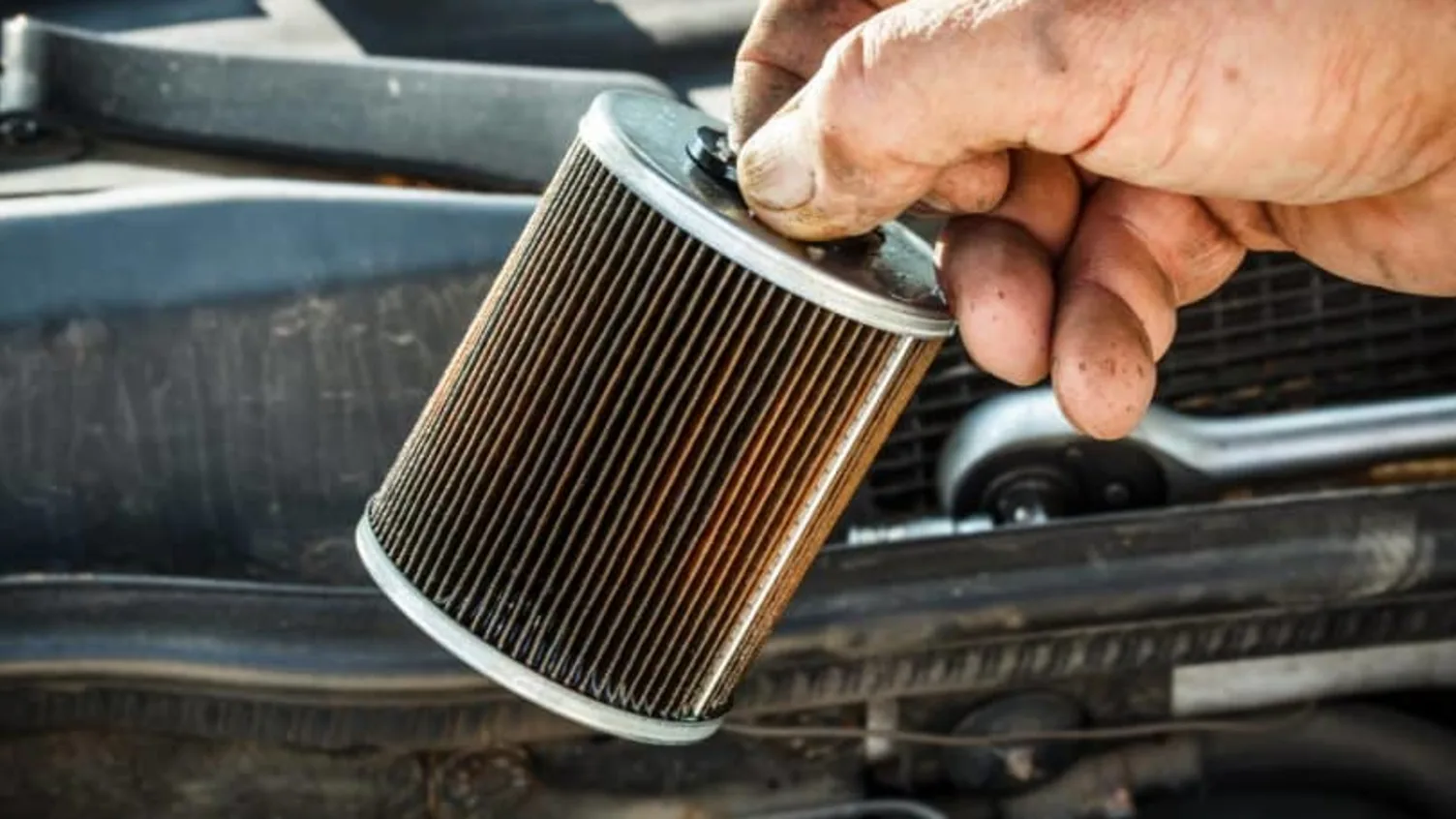
Replacing the fuel filter on time protects the engine from dirt and debris. It prevents costly repairs caused by clogged filters. Good maintenance keeps fuel efficiency higher. This means spending less on gas over time. Small expenses now can save big money later.
Credit: www.bigboxcars.com.au
Maintaining Fuel System Health
Maintaining fuel system health is key to keeping your vehicle running smoothly. The fuel filter plays a big role in protecting the engine from dirt and debris. A clean fuel system helps improve performance and saves money on repairs. Small steps can keep the fuel filter working well and extend its life.
Regular care prevents clogs and damage. It also helps the engine burn fuel efficiently. This lowers emissions and boosts power. Taking care of the fuel system means fewer breakdowns and longer engine life.
Regular Inspections
Check the fuel filter regularly for signs of dirt or wear. Follow the vehicle’s manual for inspection times. Look for leaks or cracks in fuel lines near the filter. Early detection stops bigger problems later. A quick check can spot issues before they cause damage.
Using Quality Fuel
Choose fuel from trusted stations. Poor quality fuel can clog the filter faster. Clean fuel helps the filter last longer. It also protects the engine from harmful deposits. Using good fuel is an easy way to keep the fuel system healthy.
Frequently Asked Questions
How Often Should A Fuel Filter Be Replaced?
Typically, replace your fuel filter every 20,000 to 40,000 miles. Check your vehicle’s manual for specific intervals. Frequent replacement ensures clean fuel flow and optimal engine performance.
What Happens If A Fuel Filter Is Not Replaced?
A clogged fuel filter reduces fuel flow, causing poor engine performance. It may lead to engine misfires, stalling, or difficulty starting. Timely replacement prevents damage and costly repairs.
Can I Replace The Fuel Filter Myself?
Yes, if you have basic mechanical skills and tools. Always follow the vehicle’s manual instructions and safety precautions. Otherwise, seek professional assistance to avoid damage or injury.
How To Know If My Fuel Filter Needs Replacement?
Signs include engine hesitation, reduced power, rough idling, or poor acceleration. A check engine light may also appear. Regular inspection helps catch issues early.
Conclusion
Replacing your fuel filter keeps your engine running smoothly. Most cars need a new filter every 20,000 to 40,000 miles. Dirt and debris can clog the filter and reduce fuel flow. A clean filter helps save fuel and prevents engine problems.
Check your car’s manual for exact advice. Regular maintenance saves money and avoids breakdowns. Don’t wait for issues to start—stay ahead with timely fuel filter changes. Simple care means better performance and longer engine life.


