

Have you noticed your car acting up lately? Maybe it’s struggling to start, stalling unexpectedly, or losing power on the road.
These signs could mean your fuel filter is clogged and needs replacing. Your fuel filter plays a crucial role in keeping your engine running smoothly by blocking dirt and debris from reaching vital parts. Ignoring a failing fuel filter can lead to costly repairs and leave you stranded when you least expect it.
Keep reading to learn how to spot the warning signs and why timely fuel filter replacement is essential for your vehicle’s health and your peace of mind.
Role Of A Fuel Filter
The fuel filter plays a vital role in your vehicle’s fuel system. It cleans the fuel before it reaches the engine. This helps keep the engine safe from dirt and debris.
Without a clean fuel filter, particles can clog the fuel injectors. This can cause poor engine performance and damage over time.
Fuel Filter Function
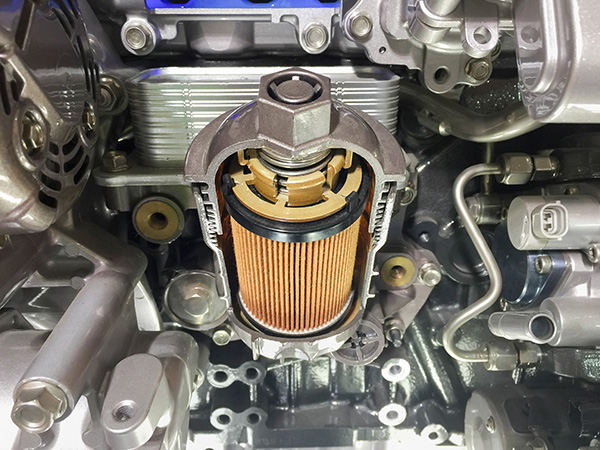
The fuel filter removes dirt, rust, and other particles from the fuel. It acts as a barrier to protect the engine parts. Clean fuel is essential for smooth engine operation.
The filter traps harmful contaminants and stops them from entering the engine. This helps the engine run efficiently and last longer.
Impact On Engine Performance
A dirty or clogged fuel filter reduces fuel flow to the engine. This can cause the engine to sputter or stall. You might notice a loss of power or rough idling.
Fuel filters that are not replaced on time can cause poor fuel economy. The engine works harder, using more fuel than usual. Replacing the fuel filter improves engine performance and saves fuel.
Common Signs Of A Failing Fuel Filter
A fuel filter keeps dirt and rust from entering the engine. Over time, the filter can get clogged and stop working well. This causes problems with how the engine runs. Knowing the signs of a failing fuel filter helps avoid bigger issues and costly repairs.
Spotting early signs lets you fix the problem quickly. The most common signs point to trouble with fuel flow. These signs affect engine performance and fuel use. Watch for these symptoms to know when to replace the fuel filter.
Engine Misfires And Hesitation
A clogged fuel filter blocks fuel from reaching the engine. This causes the engine to misfire or hesitate. You may feel the car jerk or lose power during acceleration. These issues happen because the engine starves for fuel.
Reduced Fuel Efficiency
A bad fuel filter makes the engine work harder. The car uses more fuel than normal. You will notice you fill the tank more often. Lower miles per gallon is a clear sign of fuel filter problems.
Difficulty Starting The Engine
The engine needs a steady fuel supply to start. A dirty fuel filter can stop this flow. Your car might crank longer or fail to start. This happens because the fuel pump struggles to push fuel through the filter.
Unusual Engine Noises
Listen for strange noises from the engine. A clogged fuel filter can cause sputtering or knocking sounds. These noises come from inconsistent fuel delivery. They signal that the engine is under stress and needs attention.
Effects Of A Clogged Fuel Filter
A clogged fuel filter blocks fuel flow to the engine. This blockage causes several problems that affect your car’s performance. Knowing the effects helps you decide when to replace the filter.
Poor Acceleration
A dirty fuel filter limits fuel supply to the engine. The engine gets less fuel, causing slow acceleration. Your car may hesitate when you press the gas pedal. It feels like the engine is weak or tired.
Stalling Issues
The engine needs a steady fuel flow to run smoothly. A clogged filter interrupts this flow. The engine can stall or stop while driving or idling. This makes driving unsafe and frustrating.
Check Engine Light Activation
The car’s computer detects fuel flow problems. It turns on the check engine light on the dashboard. This warning means the fuel filter or another part may need attention. Don’t ignore this light to avoid bigger problems.
Fuel Filter Replacement Frequency
Knowing how often to replace your fuel filter helps keep your vehicle running smoothly. The fuel filter stops dirt and debris from reaching the engine. Over time, it gets clogged and needs changing. Replacing it on time avoids engine problems and poor performance. The right replacement frequency depends on several factors.
Manufacturer Recommendations
Car makers provide specific guidelines for fuel filter replacement. These instructions are based on the vehicle’s design and fuel system. Usually, the recommendation falls between 20,000 and 60,000 miles. Checking your owner’s manual gives the best advice. Following these guidelines helps maintain engine health and fuel efficiency.
Driving Conditions Impact
Driving habits and road conditions affect how fast the fuel filter clogs. Dusty or rough roads fill the filter with dirt quicker. Short trips and stop-and-go traffic also strain the fuel system more. In these cases, replacing the fuel filter more often is necessary. Clean fuel means better engine performance and fewer repairs.
How To Inspect The Fuel Filter
Knowing how to inspect your fuel filter can save you time and money. A fuel filter keeps dirt and rust from reaching your engine. Over time, it gets clogged and stops working well. Checking it regularly helps keep your car running smoothly.
Visual Inspection Tips
Start by locating the fuel filter under your car or near the engine. Look for signs of rust, dirt, or damage. A dirty or rusty filter needs replacement. Check for fuel leaks around the filter. Wet spots or stains may mean the filter is failing.
Also, look at the fuel lines connected to the filter. Cracks or hardening are warning signs. A cracked line can cause fuel leaks and poor engine performance. Use a flashlight to see clearly in dark areas. Clean the area before inspection for better visibility.
Professional Diagnostic Tools
Mechanics use special tools to check fuel filter health. A pressure gauge measures fuel pressure before and after the filter. Low pressure after the filter means it is clogged. Scan tools can detect engine problems related to fuel flow.
Some garages use fuel flow testers. These tools measure how much fuel passes through the filter. If flow is below the normal range, the filter needs replacement. Professional tools give exact information that visual checks cannot.
Visiting a mechanic for these tests ensures accurate diagnosis. It helps avoid replacing parts unnecessarily. A proper check keeps your engine healthy and fuel system clean.

Credit: www.youtube.com
Benefits Of Timely Replacement
Replacing the fuel filter on time keeps your car running smoothly. It stops dirt and debris from reaching the engine. This helps your vehicle perform better and last longer. Knowing the benefits encourages you to keep up with this simple task.
Improved Engine Performance
A clean fuel filter lets fuel flow freely to the engine. This helps the engine run without interruptions. Your car will start easily and drive smoothly. You may notice better acceleration and less engine hesitation. Timely replacement prevents rough idling and stalling.
Extended Fuel System Life
Dirty fuel can damage fuel injectors and pumps. A clogged filter stops these particles from entering the system. This reduces wear and tear on fuel parts. Replacing the filter on time saves you costly repairs. It keeps your fuel system healthy for many miles.
Diy Vs Professional Replacement
Deciding between a DIY fuel filter replacement and hiring a professional is important. Both choices have benefits and drawbacks. Understanding these can help you make a better decision for your car and budget.
Safety Considerations
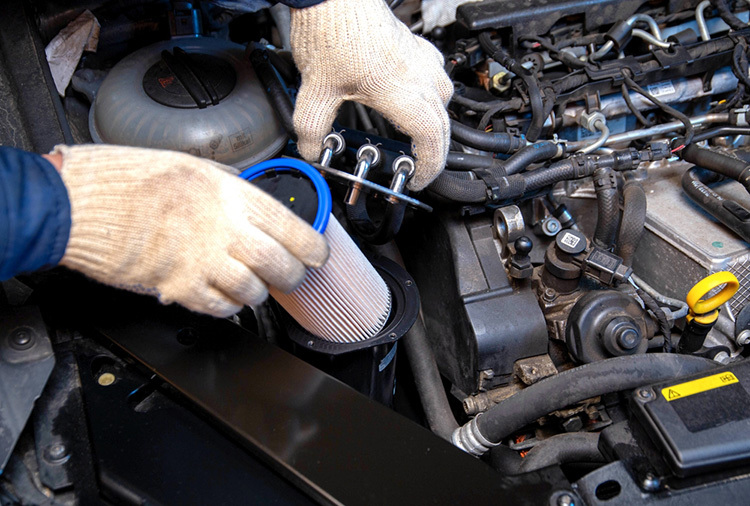
Replacing a fuel filter involves handling gasoline. Gasoline is highly flammable and dangerous. A small spark can cause a fire. Professionals have tools and training to work safely. They know how to avoid spills and leaks. DIYers should wear gloves and eye protection. Work in a well-ventilated area. Avoid open flames or sparks nearby. If unsure about safety, choose a professional.
Cost And Convenience
Doing it yourself saves money on labor costs. Fuel filters and tools can be affordable. Time spent depends on your skill and tools. Mistakes may lead to extra repairs and costs. Professionals charge for service but save time. They complete the job quickly and correctly. They also dispose of old parts safely. Choose DIY for low cost and learning. Pick professional service for convenience and peace of mind.
Credit: www.spacecenterautomotive.com
Credit: monroenissanservice.com
Frequently Asked Questions
How Often Should I Replace My Fuel Filter?
Most manufacturers recommend replacing fuel filters every 20,000 to 40,000 miles. Check your vehicle’s manual for specific intervals.
What Are Signs Of A Clogged Fuel Filter?
Common signs include engine hesitation, reduced power, stalling, and poor acceleration. These symptoms indicate restricted fuel flow.
Can A Dirty Fuel Filter Damage The Engine?
Yes, a dirty filter can cause poor fuel delivery, leading to engine misfires and potential damage over time.
How Does A Fuel Filter Affect Car Performance?
A clean filter ensures smooth fuel flow, improving engine efficiency and power. A clogged one reduces performance and fuel economy.
Conclusion
A clogged fuel filter can cause many car problems. Poor engine performance, stalling, or hard starts are clear signs. Regular checks help catch issues early. Replacing the filter keeps fuel clean and engine healthy. Don’t wait for trouble to start.
Stay safe and save money by acting on these signs. Your car will run smoother and last longer. Simple steps like this protect your ride. Pay attention to your vehicle’s signals. It’s worth the effort.


