

Have you ever wondered how often your fuel filter needs to be changed? Ignoring this small but vital part of your vehicle can lead to big problems down the road.
Your engine relies on clean fuel to run smoothly, and a clogged filter can slow you down or even cause costly damage. You’ll discover exactly when and why you should replace your fuel filter to keep your car running at its best.
Keep reading—you don’t want to miss these simple tips that can save you time and money.
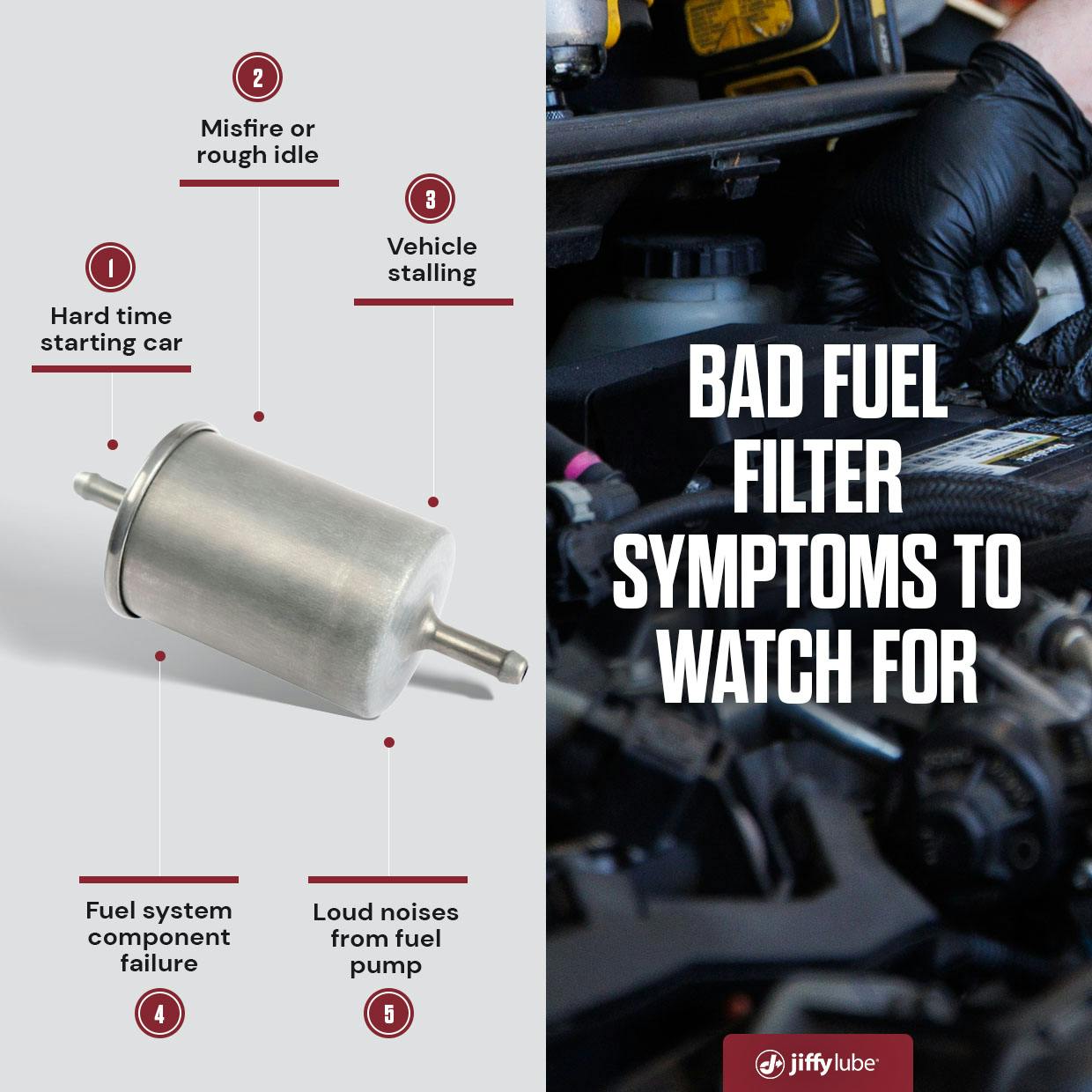
Credit: www.jiffylube.com
Role Of A Fuel Filter
The fuel filter plays a key role in keeping your vehicle’s engine clean. It stops dirt, rust, and other particles from reaching the engine. This helps the engine run smoothly and last longer. Understanding the fuel filter’s role helps you know why changing it is important.
Function In Fuel System
The fuel filter cleans the fuel before it reaches the engine. It catches small particles that can clog fuel injectors. Clean fuel means better combustion. The filter protects the fuel pump and engine parts from damage. Without it, dirt can cause serious engine problems.
Impact On Engine Performance
A clean fuel filter helps the engine get the right fuel flow. This improves engine power and fuel efficiency. A clogged filter can cause engine misfires or stalling. It also raises fuel consumption and emissions. Changing the filter keeps the engine running strong and smooth.
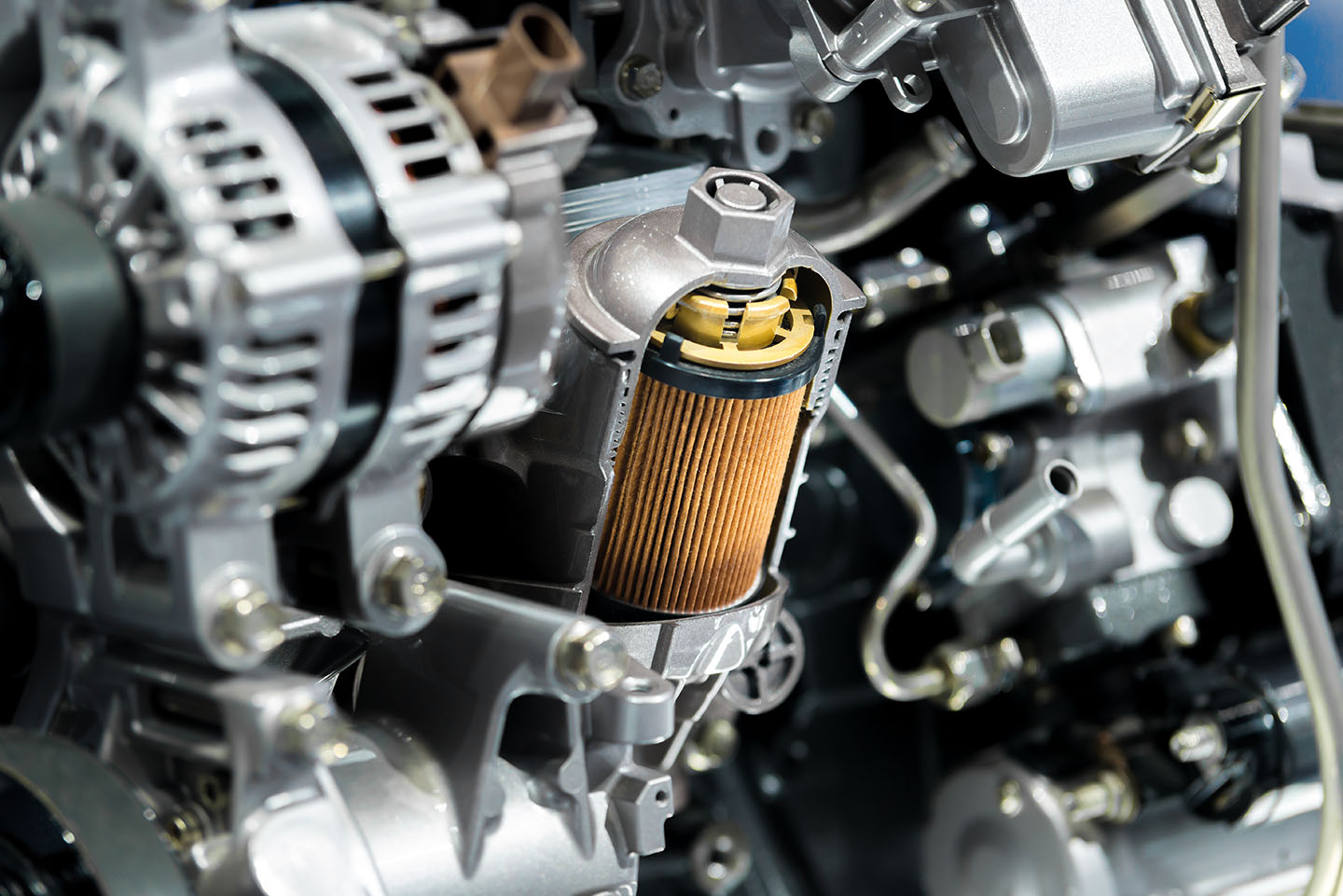
Credit: bostechauto.com
Signs Of A Clogged Fuel Filter
A clogged fuel filter can cause many problems in your vehicle. It stops fuel from flowing smoothly to the engine. This can affect how your car runs. Recognizing the signs of a clogged fuel filter helps you fix issues early.
Watch for changes in your car’s performance. These signs often show up before serious damage occurs. Knowing these signs saves time and money on repairs.
Engine Misfires And Hesitation
Your engine may misfire or hesitate while driving. This happens because the fuel filter blocks fuel flow. The engine does not get enough fuel to run properly. You might feel the car jerk or lose power when accelerating.
Reduced Fuel Efficiency
A clogged fuel filter makes the engine work harder. This causes your car to use more fuel than normal. You will notice more visits to the gas station. Lower fuel efficiency means your car is less economical to drive.
Difficulty Starting The Engine
Starting your car can become harder with a clogged fuel filter. The engine struggles to get enough fuel to start. You may hear the engine crank longer than usual. Sometimes, the engine might not start at all.
Recommended Replacement Intervals
Knowing the recommended replacement intervals for your fuel filter helps keep your engine healthy. Changing the fuel filter on time prevents dirt and debris from entering the fuel system. This protects the engine parts and improves fuel efficiency. Different vehicles and driving conditions affect how often the fuel filter needs a change.
Manufacturer Guidelines
Car makers provide specific instructions on fuel filter changes. These guidelines are based on tests and engine design. Usually, they recommend changing the fuel filter every 20,000 to 40,000 miles. Some newer models have filters that last longer or are built into the fuel pump. Always check your owner’s manual for exact intervals.
Factors Affecting Replacement Frequency
Driving conditions can speed up fuel filter wear. Dusty or rough roads cause the filter to clog faster. Short trips and stop-and-go traffic also affect filter life. Using poor quality fuel increases dirt and contaminants in the filter. In these cases, change the fuel filter sooner than the guideline. Regular checks help catch problems early and keep fuel flowing smoothly.
Diy Vs Professional Replacement
Deciding between DIY and professional fuel filter replacement depends on your comfort and skills. Changing a fuel filter yourself saves money but requires care. Professionals handle it quickly and safely but cost more. Knowing what tools and safety steps are needed helps you choose wisely.
Tools Needed For Replacement
You need a new fuel filter that fits your vehicle. A wrench or socket set helps remove bolts. Screwdrivers may be required to loosen clamps. A container to catch spilled fuel is important. Gloves protect your hands from fuel and dirt. Safety glasses shield your eyes from splashes.
Safety Precautions
Work in a well-ventilated area to avoid fuel fumes. Keep sparks and flames far from the fuel system. Wear gloves and glasses to protect skin and eyes. Relieve fuel system pressure before starting work. Dispose of old fuel and filter properly. Clean any spills immediately to prevent fire risks.
Consequences Of Neglecting Fuel Filter Change
Neglecting to change the fuel filter can cause serious problems for your vehicle. The fuel filter stops dirt and rust from reaching the engine. Over time, the filter clogs and stops working well. This makes the engine work harder and can cause damage. Understanding these risks helps you keep your car running smoothly.
Engine Damage Risks
A dirty fuel filter limits fuel flow. The engine may not get enough fuel. This causes poor engine performance and can lead to stalling.
Particles trapped by the clogged filter can pass into the engine. These particles cause wear and tear on engine parts. Over time, this leads to costly engine damage.
Fuel injectors may also get clogged. This affects fuel spray and engine efficiency. The result is reduced power and rough running.
Increased Repair Costs
Ignoring fuel filter changes raises repair expenses. Engine parts damaged by dirty fuel cost more to fix.
Fuel system repairs are often complex and costly. Preventing damage with regular filter changes saves money.
Neglected fuel filters can cause multiple issues. Repairing all related problems can strain your budget.
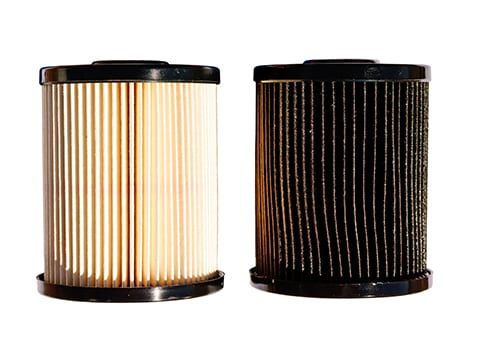
Credit: www.waynesautocenter.com
Tips To Extend Fuel Filter Life
Extending the life of your fuel filter helps your car run smoothly longer. A clean fuel filter stops dirt and debris from reaching the engine. This keeps your engine healthy and saves money on repairs. Simple habits can make a big difference.
Using Quality Fuel
Always choose good quality fuel for your vehicle. Cheap fuel may contain more dirt and water. These impurities clog the fuel filter faster. Clean fuel means less work for the filter. This keeps the engine parts safe and clean.
Regular Vehicle Maintenance
Check your fuel filter during routine car service. Mechanics can spot problems early and replace filters on time. Keep an eye on fuel lines and tank for leaks or dirt. Regular oil changes and air filter checks help overall engine health. A well-maintained car uses fuel cleaner and protects the filter.
Frequently Asked Questions
How Often Should A Fuel Filter Be Replaced?
Typically, fuel filters should be replaced every 20,000 to 40,000 miles. Check your vehicle’s manual for exact intervals. Regular replacement ensures clean fuel flow and prevents engine issues.
What Are Signs Of A Clogged Fuel Filter?
Common signs include engine misfires, reduced power, stalling, and poor acceleration. A clogged filter restricts fuel flow, impacting engine performance and fuel efficiency.
Can A Dirty Fuel Filter Damage The Engine?
Yes, a dirty fuel filter can cause engine damage. It limits fuel supply, leading to poor combustion and potential engine wear or failure.
Is Fuel Filter Replacement Necessary For All Vehicles?
Most vehicles require regular fuel filter changes, but intervals vary. Some modern cars have lifetime filters, so always check your owner’s manual for guidance.
Conclusion
Changing the fuel filter keeps your engine running smooth. Most cars need a new filter every 20,000 to 40,000 miles. Dirt and debris can block the filter and hurt performance. Clean fuel helps your vehicle last longer and saves money.
Check your owner’s manual for exact times. Regular changes avoid costly repairs and improve fuel efficiency. Don’t wait until problems start. Keep your car healthy with timely fuel filter changes. Simple steps protect your engine and your ride.

