

Is your vehicle acting up, losing power, or stalling unexpectedly? These problems might be caused by a bad fuel filter.
Knowing how to test if your fuel filter is bad can save you time, money, and a lot of frustration. You’ll learn simple, clear steps to check your fuel filter yourself. By the end, you’ll feel confident spotting the signs early and keeping your engine running smoothly.
Keep reading—you don’t want to miss these easy tips that can protect your car and your wallet.
Signs Of A Bad Fuel Filter
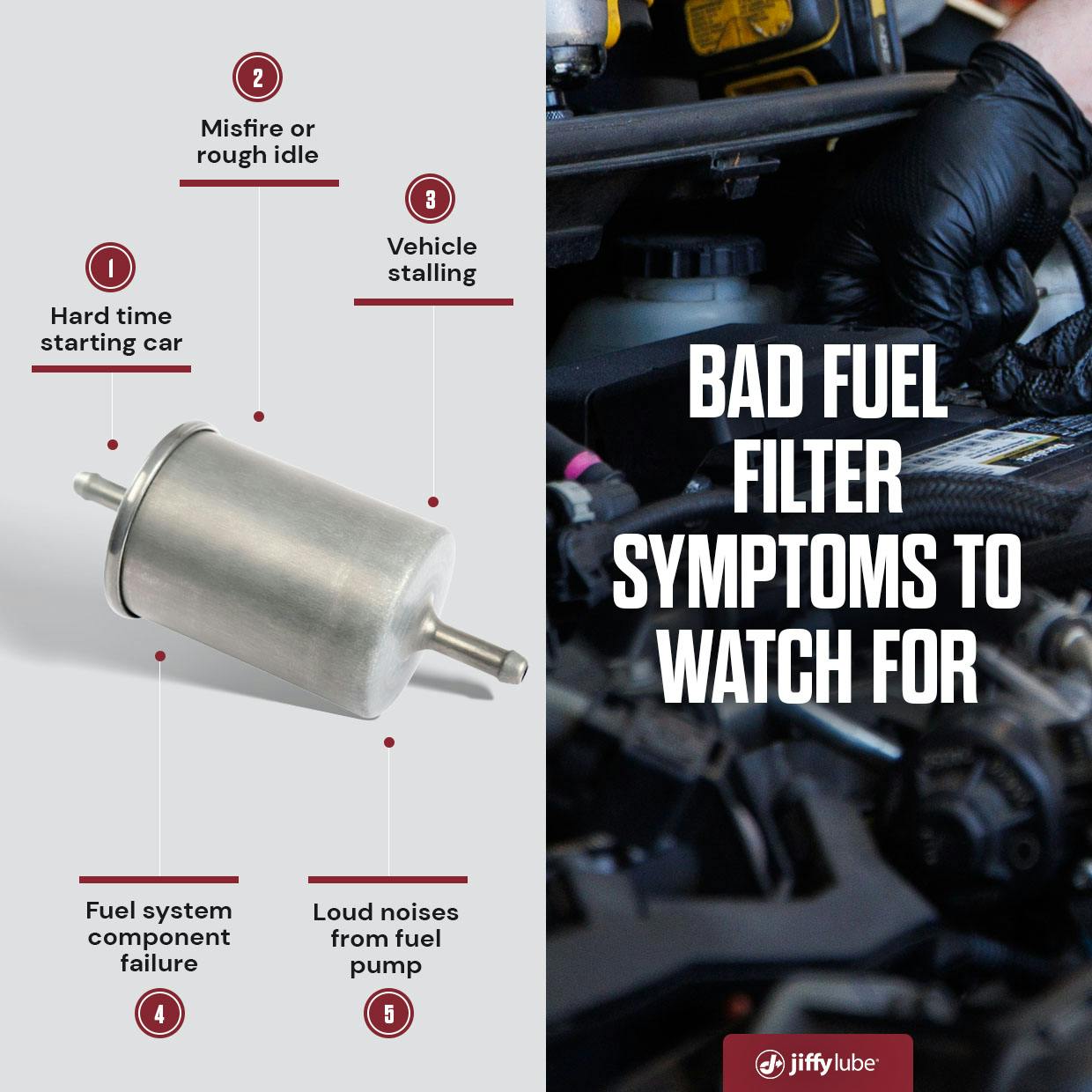
Knowing the signs of a bad fuel filter helps keep your vehicle running well. The fuel filter cleans dirt and debris from the fuel before it reaches the engine. When the filter gets clogged, it stops fuel from flowing properly. This can cause different problems with your car’s performance. Watch for these clear signs to know if the fuel filter needs checking or replacing.
Engine Performance Issues
A clogged fuel filter limits fuel flow to the engine. The engine may run rough or lose power. You might notice the car struggles to speed up. The engine can misfire or hesitate during driving. These problems happen because the engine does not get enough fuel.
Difficulty Starting The Engine
A bad fuel filter makes it hard for the engine to start. The engine may crank longer than usual before it fires up. Sometimes, it may fail to start at all. Fuel struggles to reach the engine quickly. This causes delays and frustration during startup.
Frequent Stalling
The engine may stall often when the fuel filter is clogged. Stalling can happen while idling or driving. The car may suddenly lose power and stop running. This happens because fuel flow cuts off briefly. Frequent stalling means the fuel filter needs attention soon.
Reduced Fuel Efficiency
A dirty fuel filter affects how the engine burns fuel. The engine works harder and uses more fuel. You may notice the car uses fuel faster than before. Reduced fuel efficiency means higher costs and more visits to the gas station. Fixing the fuel filter can improve mileage.
Tools Needed For Testing
Testing a fuel filter needs some basic tools. These tools help check if the filter blocks fuel flow or causes engine issues. You do not need expensive or complex equipment. Most tools are easy to find and use. This makes the testing process simple and clear.
Basic Hand Tools
Start with simple hand tools like wrenches and screwdrivers. These help remove the fuel filter from the fuel line safely. You might also need pliers to disconnect clamps. Have a container ready to catch any fuel spillage. Basic tools prepare you for the next testing steps.
Fuel Pressure Gauge
A fuel pressure gauge measures the fuel pressure in the system. Low pressure might mean a clogged fuel filter. Attach the gauge to the fuel line or fuel rail. Read the pressure while the engine runs or the pump is on. This tool gives clear evidence of filter problems.
Multimeter
A multimeter checks the electrical parts related to the fuel filter system. Some filters have sensors or heaters. Test these parts to see if they work properly. Use the multimeter to check voltage and resistance. It helps find hidden issues that affect fuel flow.
Safety Precautions
Testing a fuel filter can be risky without proper safety steps. Fuel is flammable and can harm your health. Taking safety precautions protects you and your surroundings. Follow these simple rules to stay safe during the test.
Work In A Well-ventilated Area
Fuel fumes are dangerous to breathe. Always test the fuel filter outside or in a space with good airflow. Open doors and windows to let fresh air in. Avoid working in tight or closed areas. This lowers the risk of inhaling harmful fumes.
Wear Protective Gear
Protect your skin and eyes from fuel spills. Use safety glasses to shield your eyes. Wear gloves that resist chemicals to keep your hands safe. Long sleeves and pants help protect your skin. Good gear reduces the chance of injury or irritation.
Avoid Open Flames
Fuel can catch fire easily. Keep all flames and sparks far away. Don’t smoke near the testing area. Turn off any devices that create sparks. This helps prevent fires or explosions while testing the fuel filter.
Credit: www.jiffylube.com
Step-by-step Fuel Filter Test
Testing a fuel filter helps find problems before they cause engine trouble. This step-by-step guide shows how to check the fuel filter safely and clearly. Follow these steps to see if your fuel filter needs replacement.
Locate The Fuel Filter
Start by finding the fuel filter in your vehicle. It is usually along the fuel line, near the engine or under the car. Check your car’s manual for the exact location. Make sure the engine is off before you begin.
Check For Visible Damage Or Clogs
Look closely at the fuel filter’s exterior. Search for cracks, rust, or dirt build-up. A dirty or damaged filter often blocks fuel flow. Replace the filter if you see any visible signs of damage or clogging.
Test Fuel Pressure
Attach a fuel pressure gauge to the fuel line. Turn the ignition on without starting the engine. Check the pressure reading on the gauge. Low pressure can mean a clogged fuel filter. Compare the reading with the car’s manual specs.
Inspect Fuel Flow
Disconnect the fuel line after the filter. Place a container to catch the fuel. Turn the ignition on briefly. Watch the fuel flow into the container. Weak or no flow may mean the filter is bad. Reconnect the fuel line after testing.
Interpreting Test Results
Interpreting the results of a fuel filter test helps determine if the filter is working well. It shows whether fuel flows smoothly or if there is a blockage. Understanding these signs guides you on what action to take next.
Normal Vs Low Fuel Pressure
Normal fuel pressure means the filter is clean and fuel flows easily. Low fuel pressure suggests the filter may be clogged or damaged. Use a pressure gauge to measure it. Compare the reading with your car’s manual specs.
Signs Of Blockage
Blockage in the fuel filter slows fuel flow. This can cause engine hesitation, stalling, or poor acceleration. A strong smell of fuel or sputtering engine sounds also hint at blockage. These signs mean fuel is struggling to reach the engine.
When To Replace The Filter
Replace the filter if fuel pressure is below normal levels. Also change it if you notice engine problems like rough idling or loss of power. Regular replacement keeps the engine safe and running smoothly. Check your car’s service schedule for timing.

Credit: www.autonationmobileservice.com
Additional Tips For Maintenance
Taking care of your fuel filter goes beyond just testing it. Proper maintenance helps keep your engine running smooth. Small steps make a big difference. These tips help you avoid common fuel system problems. Follow them to get the most from your vehicle.
Regular Replacement Intervals
Replace your fuel filter as the manufacturer suggests. Waiting too long can clog the filter. A dirty filter reduces fuel flow and engine power. Keep track of your replacement schedule. This simple habit saves money on repairs.
Using Quality Fuel
Choose fuel from trusted stations. Low-quality fuel contains dirt and water. These contaminants harm the fuel filter and engine. Clean fuel helps maintain filter health. It also improves your car’s performance and fuel economy.
Cleaning Fuel System Components
Clean other parts like fuel injectors and tanks. Dirt in these areas can block the filter faster. Use fuel system cleaners as recommended. Regular cleaning helps your fuel filter last longer. It keeps the whole system working well.

Credit: oilchangers.com
Frequently Asked Questions
How Do I Know If My Fuel Filter Is Clogged?
A clogged fuel filter causes engine misfires, poor acceleration, and stalling. Check for rough idling or difficulty starting your vehicle. These signs suggest restricted fuel flow needing inspection or replacement of the fuel filter.
What Tools Are Needed To Test A Fuel Filter?
You need a fuel pressure gauge, basic hand tools, and safety gear. The gauge measures pressure before and after the filter, helping identify blockages. Always follow safety precautions when working with fuel systems.
Can A Bad Fuel Filter Cause Engine Problems?
Yes, a bad fuel filter restricts fuel flow, causing engine hesitation, stalling, or loss of power. It can also damage fuel injectors and reduce fuel efficiency. Timely testing and replacement prevent costly engine damage.
How Often Should I Replace The Fuel Filter?
Typically, replace the fuel filter every 20,000 to 30,000 miles or per manufacturer guidelines. Frequent replacements ensure optimal engine performance and prevent fuel system damage. Always check your vehicle’s manual for specific intervals.
Conclusion
Testing your fuel filter helps keep your engine running smooth. A bad fuel filter can cause poor performance and stalling. Regular checks catch problems early and save money. Use simple tests like checking fuel flow and engine response. Clean or replace the filter as needed to avoid issues.
Staying aware of fuel filter health protects your vehicle’s lifespan. Small steps make a big difference in car care. Keep your ride reliable by watching this key part closely.


