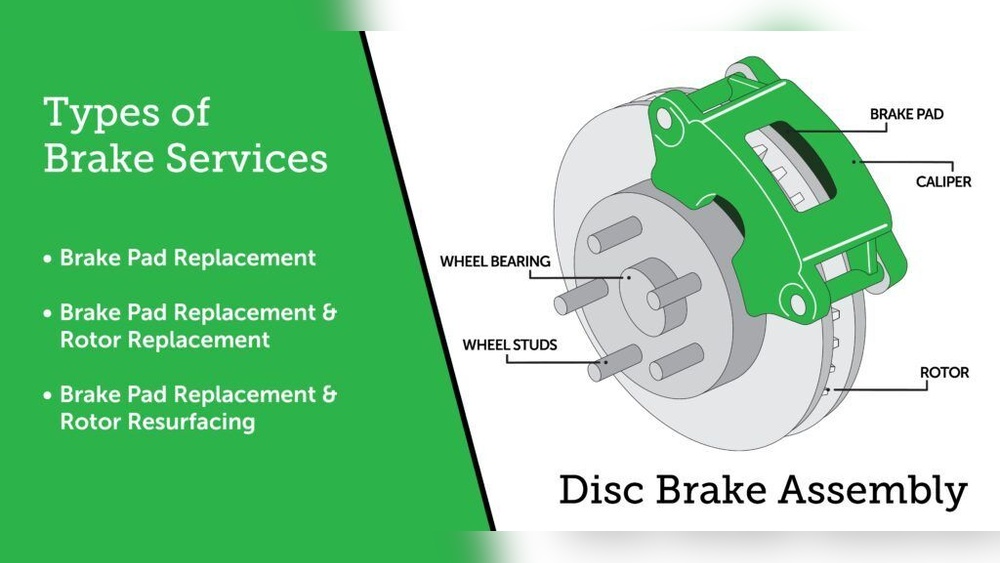
Have you ever wondered how often you should replace your brakes and rotors? Knowing the right time to make this change can save you money, keep your car running smoothly, and most importantly, protect your safety on the road.
Ignoring worn brakes or rotors can lead to costly repairs or dangerous driving conditions. You’ll discover clear signs to watch for, expert tips on maintenance, and easy ways to know when it’s time to replace these vital parts. Keep reading to ensure your brakes and rotors are always in top shape.

Credit: www.hawkperformance.com
Signs You Need New Brakes
Brakes are one of the most important parts of your car. They keep you safe by stopping your vehicle. Knowing the signs of worn brakes helps you act fast. This way, you avoid accidents and costly repairs. Watch for changes in sound, feel, and response.
Squeaking And Grinding Noises
Squeaking sounds often mean brake pads are worn out. These noises happen when the metal parts rub together. Grinding noises show the pads are gone completely. This can damage your rotors. Do not ignore these sounds. They warn you that brakes need attention.
Reduced Brake Response
Brakes should feel firm and quick. If your brake pedal feels soft or goes down too far, there is a problem. Your car may take longer to stop. This delay can cause accidents. Reduced brake response means it is time to check your brakes.
Vibration Or Pulsation When Braking
If you feel shaking or pulsing in the brake pedal, the rotors may be warped. This happens from heat and wear. Vibrations make it harder to control your car. They also show that rotors might need replacing. Pay attention to any unusual pedal feelings.
When To Replace Rotors
Knowing when to replace rotors is key for safe driving. Rotors wear down over time and affect braking performance. Checking rotors regularly helps avoid accidents and costly repairs.
Rotors show signs that tell you it is time for a change. Some signs are easy to see, while others need a closer look. Understanding these signs keeps your brakes working well.
Visible Wear And Damage
Rotors can show clear signs of wear. Look for deep grooves or cracks on the rotor surface. Rust can also weaken the rotor. These damages reduce braking power and need quick attention.
Warping And Vibration
Warped rotors cause vibration when braking. You may feel shaking in the brake pedal or steering wheel. This happens because uneven rotors do not press evenly against brake pads. Warping means it’s time to replace the rotors.
Minimum Thickness Requirements
Rotors have a minimum thickness for safety. Thinner rotors heat up faster and can crack. Mechanics measure rotor thickness with special tools. If thickness is below the limit, replacement is necessary to keep brakes effective.
Brake Replacement Intervals
Brake replacement intervals vary depending on several key factors. Knowing when to replace brakes and rotors helps keep your vehicle safe and running smoothly. Regular checks prevent costly repairs and unexpected breakdowns.
Manufacturer Recommendations
Car makers provide specific guidelines for brake replacement. These guidelines are based on the car model and brake type. Most manufacturers suggest checking brakes every 30,000 to 70,000 miles. Following these recommendations helps maintain optimal brake performance.
Driving Habits Impact
Your driving style greatly affects brake wear. Frequent hard stops wear brakes faster. City driving with stop-and-go traffic causes more brake use. Highway driving usually causes less brake wear. Smooth, gradual braking extends brake life.
Environmental Factors
Where you drive changes how brakes wear out. Mountain roads with steep slopes strain brakes more. Dusty or sandy environments cause brake parts to wear quickly. Wet climates can lead to rust on rotors. Regular inspections are vital in harsh conditions.
Rotor Replacement Frequency
Rotor replacement frequency depends on many factors. These include driving habits, vehicle type, and rotor quality. Rotors wear out over time and need attention to keep braking safe and effective. Knowing when to replace rotors helps avoid costly damage and keeps your car running smoothly.
Signs Of Rotor Wear
Look for vibrations when braking. This often means rotors are warped. Listen for squealing or grinding noises. These sounds may show rotor damage. Check for visible grooves or cracks on rotors. Uneven brake pad wear can also signal rotor problems. Ignoring these signs can reduce braking power.
Balancing Rotor Resurfacing Vs Replacement
Resurfacing rotors means shaving off a thin layer to smooth the surface. It fixes minor damage and extends rotor life. Replacement is better if rotors are too thin or deeply damaged. Thicker rotors handle heat better and last longer. Your mechanic can help decide the best option.
Mileage Guidelines
Rotors usually last 30,000 to 70,000 miles. This range depends on driving style and road conditions. Frequent hard braking can shorten rotor life. Check rotors during regular brake inspections. Replace them sooner if signs of wear appear. Keeping rotors in good shape ensures safe stops.
Safety Risks Of Delayed Replacement
Delaying the replacement of brakes and rotors can lead to serious safety issues. These parts are crucial for stopping your vehicle safely. Worn brakes and rotors reduce your control on the road. Ignoring their condition increases the risk of accidents and costly repairs.
Decreased Stopping Power
Old brakes lose their grip on the rotors. This makes your car take longer to stop. In emergencies, every extra foot counts. Weak brakes can cause dangerous situations. They put you and others at risk.
Increased Accident Risk
Slow stopping means more chances of crashes. You may not stop in time at traffic lights or stop signs. Wet or slippery roads make it worse. Faulty brakes can cause rear-end collisions and other crashes.
Damage To Other Components
Worn rotors and brakes can harm other parts. The brake system works as a whole. Damaged parts cause extra wear on calipers and wheel bearings. Repair costs rise when more components fail. Replacing brakes and rotors on time saves money and keeps you safe.

Credit: www.reddit.com
Tips For Extending Brake And Rotor Life
Extending the life of your brakes and rotors saves money and improves safety. Simple habits and regular care help your braking system last longer. Follow these tips to keep brakes working well and avoid early replacements.
Smooth Driving Techniques
Brake gently and avoid sudden stops. Smooth driving reduces wear on brake pads and rotors. Keep a safe distance to prevent hard braking. Gradual slowing down helps extend brake life. Avoid riding the brakes on long downhill drives.
Regular Maintenance Checks
Inspect brakes and rotors regularly for signs of wear. Check brake fluid levels and replace fluid as needed. Listen for unusual sounds like squealing or grinding. Have a mechanic check brake components at least twice a year. Early detection prevents costly repairs later.
Quality Parts Selection
Choose brake pads and rotors from reputable brands. Quality parts last longer and perform better. Avoid cheap parts that wear out quickly. Use parts designed for your vehicle model. This ensures proper fit and safe braking performance.
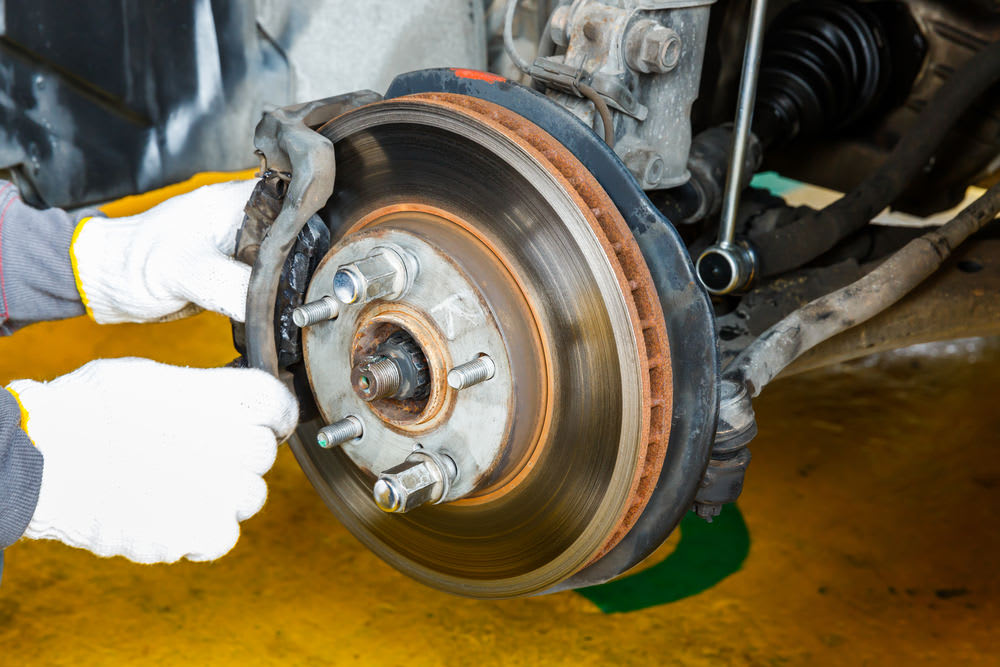
Credit: www.yourmechanic.com
Frequently Asked Questions
How Often Should I Replace Brake Pads?
Brake pads typically need replacement every 30,000 to 70,000 miles. Factors like driving habits and vehicle type affect timing. Regular inspections help ensure safety and performance. Replace pads when thickness is below 3mm to avoid damage.
When Do Rotors Need Replacement?
Rotors usually last between 50,000 to 70,000 miles. Replace them if they show deep grooves, warping, or cracking. Thin rotors can cause vibration and reduced braking efficiency. Regular checks during brake service help spot rotor issues early.
Can I Replace Rotors Without Changing Brake Pads?
It is possible but not recommended. New rotors with worn pads can reduce braking performance. For best results, replace both simultaneously to ensure even wear and optimal stopping power.
What Are Signs Of Worn Brakes And Rotors?
Common signs include squealing, grinding noises, vibration when braking, and longer stopping distances. If you notice these, inspect your brakes immediately. Timely replacement prevents accidents and costly repairs.
Conclusion
Brake and rotor replacement depends on your driving habits and car type. Signs like noise, vibration, or poor braking show it’s time. Regular checks keep your car safe and smooth. Don’t wait for problems; stay ahead with maintenance. Proper care helps avoid costly repairs later.
Remember, brakes protect you and others on the road. Keep them in good shape for safer driving every day.