Are you wondering what PSI pressure washer is best for car detailing? Choosing the right pressure washer can make a huge difference in how clean and shiny your car looks.
Too much pressure might damage your paint, while too little won’t get the job done. You’ll discover the perfect PSI range to safely and effectively clean your car. Keep reading to learn how to protect your vehicle while giving it a spotless finish every time.

Credit: www.esseg.eu
Pressure Washer Basics
Understanding the basics of pressure washers helps in choosing the right one for car detailing. Pressure washers use water pressure to clean surfaces quickly and efficiently. Knowing how pressure works and what features matter can save time and protect your car’s paint. Here, we break down key points to help you pick the best pressure washer for car care.
How Psi Impacts Cleaning
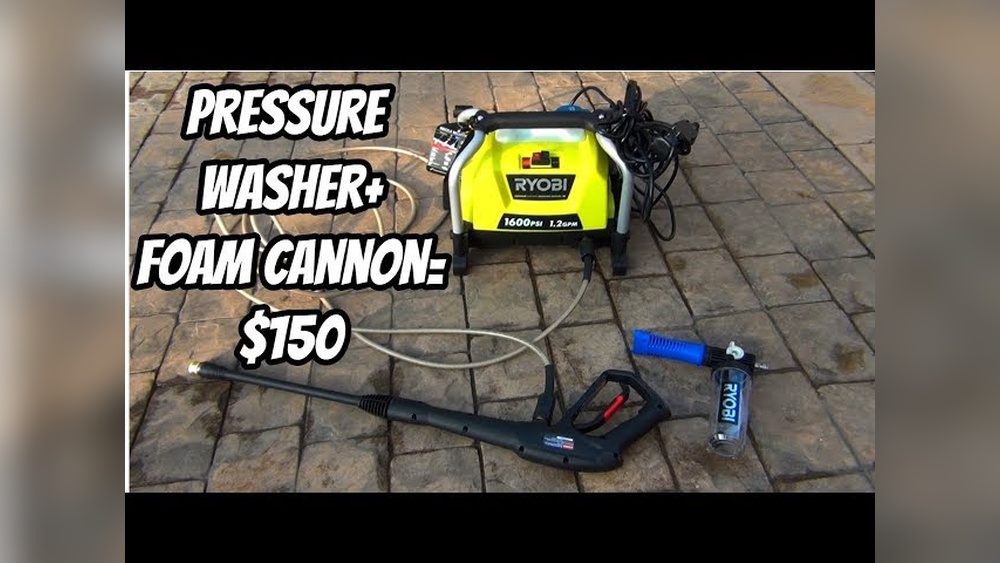
PSI stands for pounds per square inch. It measures how strong the water pressure is. Higher PSI means more force to remove dirt and grime. But too much pressure can damage your car’s paint. For car detailing, a PSI between 1200 and 1900 is usually safe and effective. This range cleans well without hurting delicate surfaces.
Types Of Pressure Washers
Pressure washers come in electric and gas models. Electric washers are lighter and quieter. They work well for regular car cleaning. Gas washers offer more power but are heavier and louder. They suit tough jobs but can be too strong for cars. Choose based on your cleaning needs and where you will use the washer.
Key Features To Consider
Look for adjustable pressure settings to control water force. A good spray nozzle lets you change spray patterns for different areas. Check the water flow rate, measured in gallons per minute (GPM). Higher GPM means faster cleaning. Also, consider the hose length for easy reach around your car. These features improve cleaning and make the job easier.

Credit: www.caranddriver.com
Ideal Psi Range For Cars
Choosing the right PSI for car detailing is important. Too much pressure can damage the paint. Too little might not clean well. The ideal PSI range helps clean the car safely and effectively. It keeps the paint safe and removes dirt easily. Understanding this range helps you get the best results without harm.
Safe Psi Levels For Car Paint
Most cars need a pressure washer with 1200 to 1900 PSI. This range cleans well without hurting the paint. Higher PSI can strip paint or cause scratches. Lower PSI may leave dirt behind. Use a washer in this safe range for smooth and clean results.
Balancing Power And Protection
The goal is to clean powerfully but protect the car. Use a nozzle with a wider spray to reduce pressure on paint. Keep the nozzle at least 12 inches from the car surface. Test on a small area first. Adjust PSI and distance to find the best balance.
Common Psi Mistakes To Avoid
Using too high PSI can cause paint damage and water intrusion. Avoid holding the washer too close. Do not focus on one spot for too long. Avoid using industrial pressure washers designed for heavy-duty cleaning. These often have PSI levels too high for cars.
Top Pressure Washer Models 2025
Choosing the right pressure washer for car detailing is key in 2025. The right PSI helps clean without damage. Different models suit different needs and budgets. Here are the top pressure washer models for car care this year.
Best Budget Options
Budget models offer good pressure at a low cost. They usually have PSI between 1200 and 1800. These washers work well for light cleaning tasks. Ideal for small cars and gentle washing. Easy to use and store for beginners.
Mid-range Pressure Washers
Mid-range models deliver 1800 to 2500 PSI. These are great for regular car detailing. They provide stronger water flow for tough dirt and grime. Perfect for medium-sized vehicles and frequent use. Often include extra features like adjustable nozzles.
Premium Models For Professionals
Premium washers offer over 2500 PSI for deep cleaning. Made for professionals and heavy-duty use. They handle large vehicles and stubborn stains with ease. Built with durable parts for long life. Advanced settings help control pressure precisely.
Nozzles And Attachments
Nozzles and attachments are key parts of a pressure washer for car detailing. They control the water flow and spray pattern. This affects how well dirt and grime are removed without damaging the car’s surface. Using the right nozzle and attachment makes cleaning easier and safer for your vehicle.
Choosing The Right Nozzle
Nozzles come in different angles, like 0°, 15°, 25°, and 40°. A 0° nozzle sprays a very strong, narrow jet. It can damage paint if used too close. A 25° or 40° nozzle gives a wider spray, which is safer for cars. Choose a nozzle that cleans well but does not harm the surface.
For car detailing, a 25° nozzle often works best. It removes dirt without scratching paint. Avoid nozzles with too narrow spray for delicate parts. Adjust distance from the surface to control pressure.
Specialized Attachments For Detailing
Attachments help clean hard-to-reach areas on cars. A foam cannon sprays soap evenly over the car. It helps loosen dirt before rinsing. A rotary brush attachment gently scrubs wheels and tires. It removes brake dust and grime.
Other tools include extension wands and water brooms. Extensions reach high spots like roofs. Water brooms cover large flat areas quickly. Using these attachments improves cleaning speed and quality.
Maintaining Your Equipment
Keep nozzles and attachments clean for best results. Dirt inside nozzles can block water flow. Rinse them after each use with clean water. Check for wear or damage regularly. Replace worn parts to avoid poor cleaning or damage.
Store attachments in a dry place. Avoid leaving them in direct sunlight. Proper care extends the life of your pressure washer tools. Well-maintained equipment works better and lasts longer.
Techniques For Car Detailing
Techniques for car detailing play a big role in keeping your vehicle clean and protected. Using the right methods with a pressure washer helps remove dirt without damaging the paint. Proper steps make the process easier and more effective. Below are key techniques to follow for a great car wash experience.
Pre-wash Tips
Start by rinsing the car with low-pressure water. This removes loose dirt and dust. Avoid strong pressure to prevent scratches. Check the pressure washer settings before use. Use a foam cannon to cover the car with soap. Let the foam sit for a few minutes. This softens grime and makes washing easier.
Effective Washing Methods
Use a soft wash mitt or sponge for scrubbing. Wash from top to bottom to avoid spreading dirt. Rinse the mitt often to keep it clean. Use circular motions gently on stubborn spots. Avoid harsh scrubbing to protect the paint. Rinse the car well with moderate pressure to remove soap.
Post-wash Care
Dry the car using a microfiber towel to avoid water spots. Check for any remaining dirt or stains. Apply a wax or sealant to protect the paint. This helps keep the car shiny longer. Clean the pressure washer after use for better performance. Store it in a dry place to avoid damage.
Common Challenges And Solutions
Car detailing with a pressure washer can be very effective. Some challenges often arise during the process. Knowing common problems and their solutions helps protect your vehicle. It also improves cleaning results. This section covers key issues and how to solve them.
Avoiding Paint Damage
High pressure can harm car paint. Use pressure between 1200 and 1900 PSI for safe cleaning. Keep the nozzle at least 12 inches from the surface. Avoid holding the spray in one spot too long. Use a wide spray pattern for even cleaning.
Dealing With Tough Stains
Dirt, bird droppings, and tar can be hard to remove. Pre-soak stains with a mild detergent. Let it sit for a few minutes. Use a pressure washer with moderate PSI to rinse off grime. For stubborn spots, use a soft brush after spraying.
Winter And Weather Considerations
Cold weather can freeze water in the machine. Store the pressure washer indoors during winter. Use antifreeze if recommended by the manufacturer. Avoid washing cars in freezing temperatures to prevent ice damage. Dry the car quickly after washing in cold weather.
Safety And Maintenance
Using a pressure washer for car detailing needs care and attention. Safety and maintenance keep you and your car safe. They also help the machine last longer. Follow simple rules to avoid damage and accidents.
Proper Usage Guidelines
Always wear safety glasses and gloves. Keep the nozzle at least 12 inches from the car surface. Use the right pressure setting, usually between 1200 and 1900 PSI. Avoid spraying directly on sensitive parts like mirrors and windows. Never point the spray at people or pets.
Routine Maintenance Tips
Check the pressure washer for leaks or damage before each use. Clean the nozzle to prevent clogs. Change the oil if your model needs it. Rinse the detergent tank after every wash. Tighten any loose parts to keep the washer working well.
Storage Best Practices
Drain all water from the machine after use. Store the pressure washer in a dry, cool place. Keep it away from direct sunlight and freezing temperatures. Coil the hose neatly to avoid kinks. Cover the washer to protect it from dust and dirt.

Credit: www.youtube.com
Frequently Asked Questions
What Psi Is Ideal For Car Detailing?
For car detailing, a pressure washer with 1200 to 1900 PSI is ideal. It cleans effectively without damaging paint or surfaces.
Can High Psi Damage My Car’s Paint?
Yes, high PSI above 2000 can strip paint or cause chips. Use moderate PSI for safe, thorough cleaning.
Should I Use Hot Or Cold Water Pressure Washer?
Cold water pressure washers are sufficient for car detailing. Hot water isn’t necessary and may harm delicate surfaces.
What Nozzle Size Suits Car Washing Best?
A 25-degree nozzle is best for car washing. It balances power and gentleness, preventing paint damage while cleaning efficiently.
Conclusion
Choosing the right PSI for car detailing matters a lot. Too much pressure can harm your paint. Too little pressure might not clean well. A pressure washer with 1200 to 1900 PSI works best. It cleans dirt without damage. Remember to use the right nozzle too.
Always test on a small area first. This way, your car stays shiny and safe. Clean smart, not hard.