

Have you ever wondered how often you should replace your diesel fuel filter? If you want your engine to run smoothly and avoid costly repairs, this is a question you can’t afford to ignore.
Your diesel fuel filter plays a crucial role in keeping impurities out of your engine. But when it gets clogged, your vehicle’s performance suffers. Keep reading to discover the key signs that tell you it’s time for a change and how sticking to the right schedule can save you money and headaches down the road.
Role Of Diesel Fuel Filters
The diesel fuel filter plays a vital role in keeping your engine healthy. It cleans the fuel before it reaches the engine parts. This small part helps the engine work smoothly and last longer.
Without a good fuel filter, dirt and water can enter the engine. This can cause damage and reduce performance. The filter stops these problems by catching harmful particles early.
Protecting Engine Components
The fuel filter protects key engine parts from dirt and rust. It stops tiny particles from clogging the fuel injectors. Clean fuel means less wear and tear on the engine. This helps avoid costly repairs and engine breakdowns.
Filtering Contaminants
Diesel fuel often contains dust, dirt, and water. The filter removes these contaminants before fuel reaches the engine. Water in fuel can cause corrosion and poor combustion. The filter keeps the fuel clean and safe for the engine.
Impact On Performance
A clean fuel filter improves engine performance. It allows smooth fuel flow and better combustion. Dirty filters cause fuel flow problems and engine stalling. Replacing the filter regularly keeps your engine running strong and efficient.
Signs Of A Clogged Fuel Filter
A clogged diesel fuel filter can cause many problems in your vehicle. It stops fuel from flowing smoothly. This makes the engine work harder. Knowing the signs helps you fix the issue early. Catching these signs can save you money and trouble.
Reduced Engine Power
The engine may lose power while driving. It feels weak and slow. You might notice slower acceleration. The vehicle may struggle to climb hills. This happens because less fuel reaches the engine.
Difficulty Starting
The engine takes longer to start. It may crank many times before starting. Sometimes, it might not start at all. This shows the fuel flow is blocked. A clogged filter can stop fuel from reaching the engine.
Unusual Engine Noises
The engine may make strange sounds. You could hear sputtering or knocking. These noises mean the engine is struggling. Fuel starvation causes these unusual sounds. It signals that the fuel filter needs checking.
Recommended Replacement Intervals
Knowing the right time to replace your diesel fuel filter keeps your engine healthy. The recommended replacement intervals depend on several key factors. These include the manufacturer’s advice, how you drive, and the quality of the fuel you use. Following these guidelines helps avoid engine problems and saves money on repairs.
Manufacturer Guidelines
Car makers provide clear instructions on when to change the diesel fuel filter. This information is usually in the owner’s manual. Most recommend replacement every 20,000 to 40,000 miles. Following these guidelines ensures the filter works well and protects the engine. Ignoring them can cause clogged filters and poor engine performance.
Driving Conditions Influence
Driving habits affect how often to replace the fuel filter. Rough roads and stop-and-go traffic make the filter work harder. Frequent short trips can cause moisture buildup in the fuel system. These conditions may require more frequent filter changes. On the other hand, steady highway driving puts less stress on the fuel filter.
Fuel Quality Considerations
The quality of diesel fuel plays a big role in filter lifespan. Poor or contaminated fuel clogs the filter faster. Using fuel with dirt or water increases the risk of damage. High-quality fuel helps the filter last longer and protects the engine. Checking fuel sources and choosing clean diesel extends filter life.
Factors Affecting Replacement Timing
The timing to replace a diesel fuel filter depends on several key factors. These factors impact how quickly the filter gets clogged and stops working well. Understanding them helps keep your engine running smoothly. It also prevents fuel system problems and costly repairs.
Vehicle Age And Usage
Older vehicles tend to need fuel filter changes more often. Over time, dirt and rust build up inside fuel tanks. Daily driving in heavy traffic or on rough roads wears out the filter faster. Longer trips on highways cause less stress on the filter. Frequent short trips increase moisture and sediment in the fuel.
Climate And Environment
Hot and humid climates speed up fuel filter clogging. Moisture in the air can mix with diesel fuel. This causes rust and microbial growth in the filter. Cold climates may cause wax crystals to form in diesel fuel. These crystals can block the fuel filter. Dusty or sandy environments fill the filter with dirt quickly.
Type Of Diesel Engine
Modern diesel engines with advanced fuel systems need cleaner fuel. Their filters may require more frequent changes. Older engines can tolerate dirtier fuel but still need regular filter care. High-performance engines put more strain on the fuel filter. Heavy-duty engines working with tough fuel need strong, frequent filtration.
Step-by-step Replacement Process
Replacing the diesel fuel filter is a simple task that keeps your engine running smoothly. Follow these steps carefully to do the job right. This guide helps you avoid common mistakes and saves time.
Gathering Required Tools
Start by collecting all tools needed for the replacement. You will need a new fuel filter, a wrench, a container for old fuel, and clean rags. Having everything ready makes the process faster and easier.
Draining The Old Filter
Place the container under the old filter to catch the fuel. Use the wrench to loosen the filter carefully. Let the fuel drain fully to avoid spills and mess.
Installing The New Filter
Check the new filter for any damage before installing. Screw the new filter in place by hand first, then tighten it with the wrench. Do not overtighten to prevent damage.
Bleeding Air From The System
Air in the fuel system can stop the engine from working. Use the bleed valve or pump to remove trapped air. Keep bleeding until fuel flows smoothly without bubbles.

Credit: airdogdiesel.com
Maintenance Tips To Extend Filter Life
Extending the life of a diesel fuel filter helps keep your engine running smoothly. Proper maintenance reduces the need for frequent replacements. Follow these simple tips to protect your filter and improve fuel efficiency.
Using High-quality Fuel
Always choose good quality diesel fuel. Poor fuel contains dirt and water that harm the filter. Clean fuel helps the filter trap fewer impurities. This keeps the filter working longer and your engine cleaner.
Regular Engine Checkups
Check your engine often for signs of trouble. A well-maintained engine puts less strain on the fuel filter. Look for leaks, unusual noises, or reduced power. Early detection prevents damage to the filter and other parts.
Avoiding Contaminated Fuel Sources
Fill up at trusted fuel stations only. Contaminated fuel clogs the filter quickly. Dirt, water, and debris cause blockages and damage. Using clean fuel protects the filter and keeps your engine healthy.
Common Mistakes To Avoid
Replacing a diesel fuel filter is key to keeping your engine healthy. Many people make mistakes that cause bigger problems. Avoiding these errors saves time and money. Here are the common mistakes to watch out for.
Ignoring Early Warning Signs
Dirty fuel filters cause slow engine starts and rough idling. Some ignore these signs, thinking they will go away. Waiting too long lets dirt reach the engine. This can damage important parts and reduce performance. Listen to your engine’s signals and act fast.
Delaying Replacement Too Long
Fuel filters wear out after time. Putting off replacement can block fuel flow. This reduces power and fuel efficiency. Diesel engines need clean fuel to run well. Changing the filter on schedule keeps fuel moving freely. Don’t wait until your engine stalls.
Improper Installation
Wrong installation causes leaks or filter damage. Using the wrong filter size can harm the engine. Tighten fittings just right, not too loose or tight. Follow the manufacturer’s steps carefully. Proper installation ensures the filter works correctly and lasts longer.
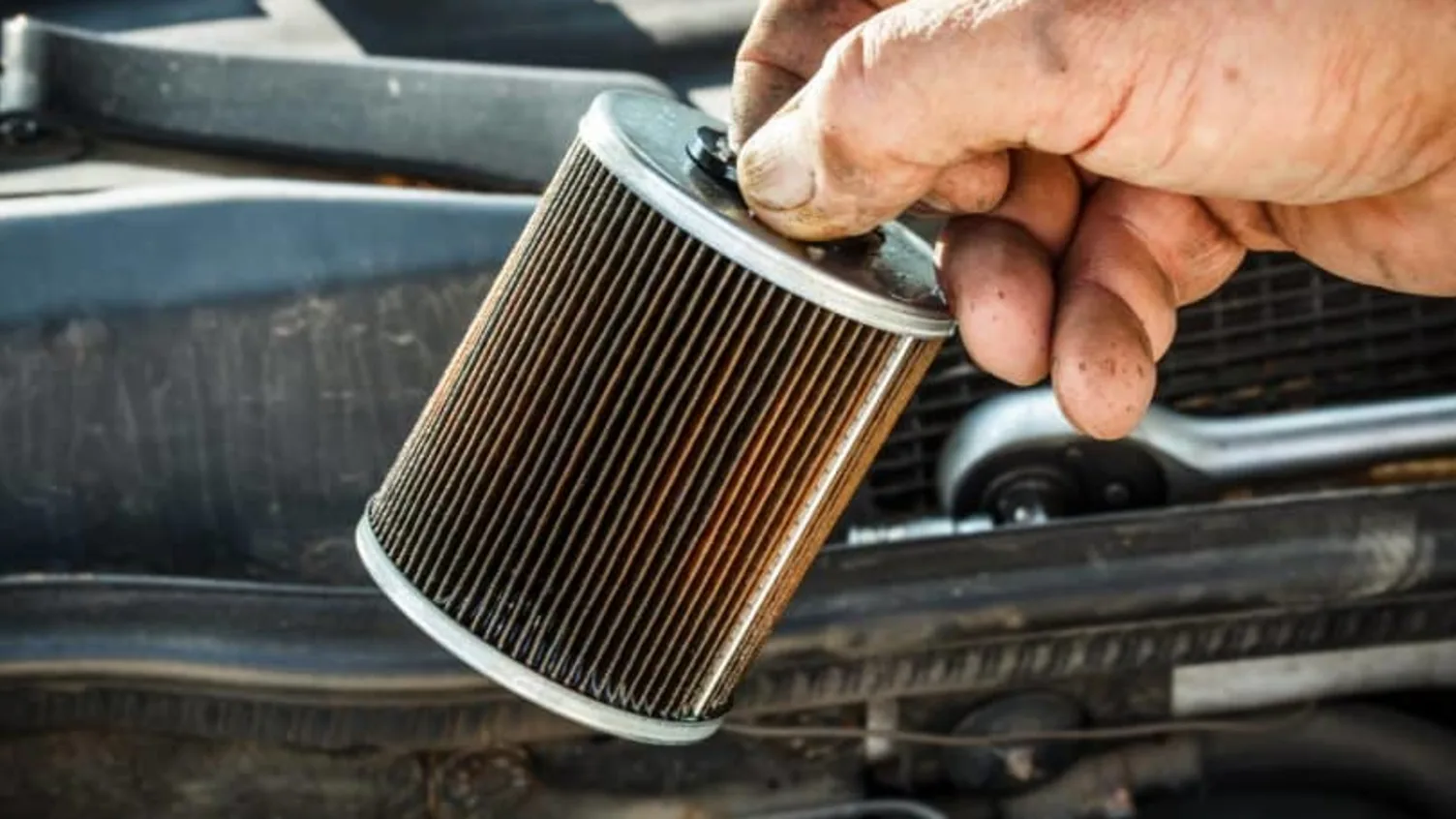
Credit: www.bigboxcars.com.au
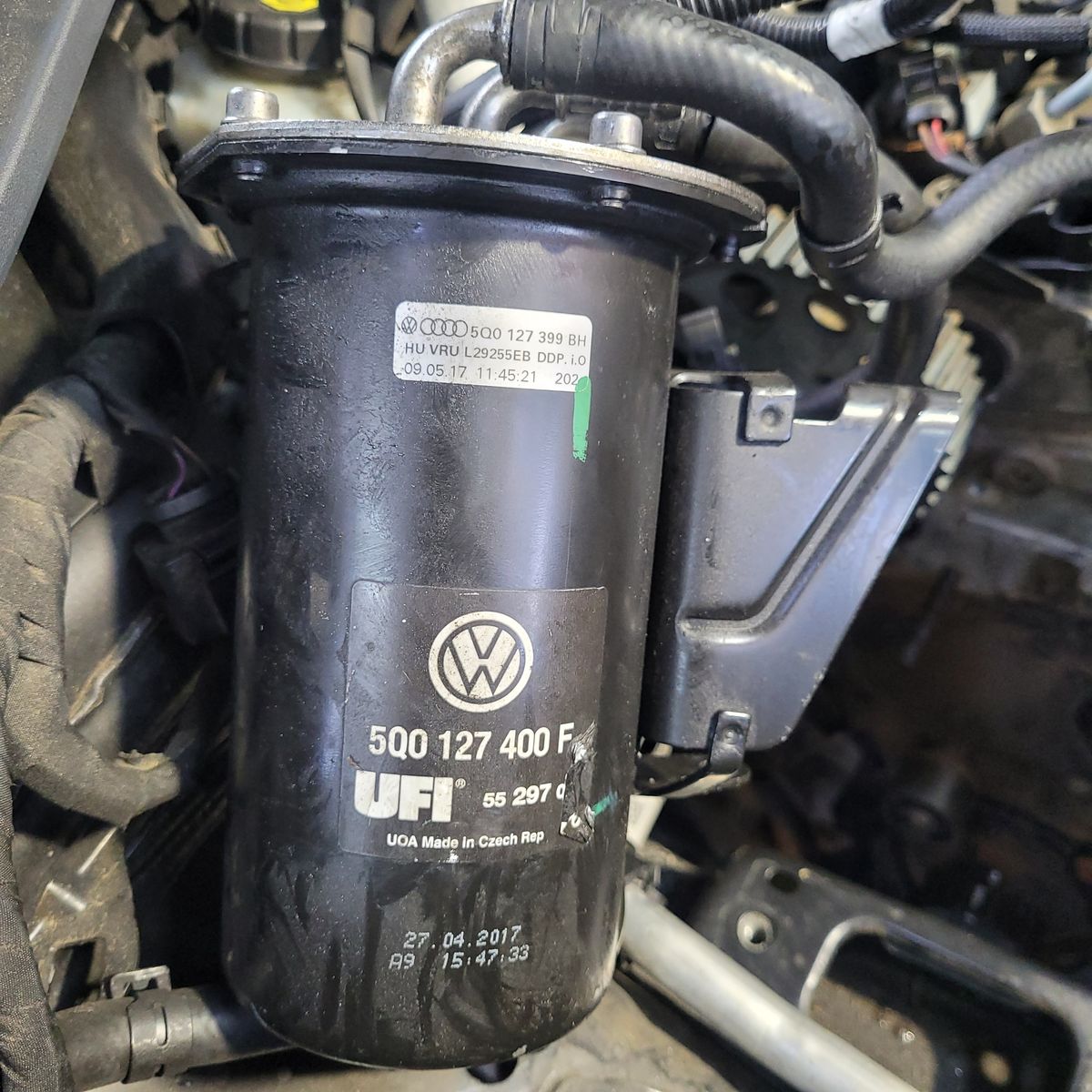
Credit: grimmermotors.co.nz
Frequently Asked Questions
How Often Should I Replace My Diesel Fuel Filter?
Replace your diesel fuel filter every 10,000 to 25,000 miles. Check your vehicle manual for specific intervals. Frequent replacement ensures engine efficiency and prevents clogging.
What Are Signs Of A Clogged Diesel Fuel Filter?
Common signs include engine misfires, reduced power, and poor fuel economy. Your engine may also have trouble starting. Immediate replacement prevents further damage.
Can I Replace A Diesel Fuel Filter Myself?
Yes, with basic tools and safety precautions, you can replace it. Follow your vehicle’s manual and ensure no dirt enters the fuel system during replacement.
Why Is Diesel Fuel Filter Maintenance Important?
It protects the engine from contaminants and water in fuel. Proper maintenance ensures smooth engine operation and prolongs fuel system lifespan. Ignoring it risks costly repairs.
Conclusion
Regularly changing your diesel fuel filter keeps your engine healthy. It stops dirt and water from causing damage. Most experts suggest replacing it every 10,000 to 25,000 miles. Check your vehicle’s manual for exact advice. Clean fuel means better performance and longer engine life.
Neglecting this small task can lead to costly repairs. Stay on schedule to avoid breakdowns and save money. Simple care goes a long way for diesel engines. Keep your truck or car running smoothly. Small steps like this make a big difference.


