You want your car to look its best every time you drive it. But how often should you wax your car to keep that fresh, shiny finish?
Waxing isn’t just about looks—it protects your paint from damage and keeps your car safe from the elements. If you’re unsure when to wax or how often is enough, you’re in the right place. Keep reading, and you’ll discover the simple schedule that can save your car’s paint and make it shine like new.
Benefits Of Car Waxing
Car waxing offers many benefits that keep your vehicle looking great. It improves the car’s appearance and helps protect it from damage. Regular waxing also makes cleaning easier and keeps the paint fresh for longer. Below are the key benefits of waxing your car.
Enhancing Shine
Waxing adds a deep, glossy shine to your car’s paint. It makes the color look richer and more vibrant. The wax smooths the surface, reflecting light better. This simple step makes your car look newer and well cared for.
Protecting Paint
Wax forms a protective layer over the paint. It guards against harmful UV rays that cause fading. Wax also shields the paint from minor scratches and dirt. This layer helps maintain the car’s original color and finish.
Repelling Dirt And Water
Wax creates a water-repellent surface on your car. Rain and water bead up and roll off quickly. This reduces water spots and grime buildup. Dirt does not stick easily, making cleaning faster and easier.
Credit: ethoscarcare.com
Factors Affecting Waxing Frequency
Waxing a car protects its paint and keeps it shiny. The frequency of waxing depends on several key factors. These factors affect how quickly the wax wears off. Understanding them helps maintain your car’s appearance better.
Climate And Weather
Hot sun can fade car paint and break down wax faster. Rain and snow wash away wax layers. Salt from roads causes damage and wears wax quickly. Cars in dry, mild climates need waxing less often. Harsh weather demands more frequent waxing for protection.
Driving Habits
Daily drivers face more dirt, dust, and pollution. These elements wear wax faster. Long trips expose cars to more sun and weather changes. Cars driven mostly on highways may need waxing more often. Gentle driving in clean areas allows for fewer wax applications.
Storage Conditions
Cars parked in garages stay cleaner and lose wax slower. Outdoor parking exposes cars to sun, rain, and dirt. Covered parking helps protect wax and paint. If your car stays outside most of the time, wax it more often. Proper storage reduces the need for frequent waxing.
Types Of Car Wax
Car wax protects your vehicle’s paint and keeps it shiny. Different types of wax offer different benefits. Knowing these types helps you choose the right one for your car. This can also affect how often you need to wax your car.
Natural Waxes
Natural waxes usually contain carnauba wax. This wax comes from a Brazilian palm tree. It gives a deep, warm shine to your car’s paint. Natural waxes last a few weeks to a couple of months. They protect well against dirt and water. Many car lovers prefer natural wax for its rich gloss.
Synthetic Waxes
Synthetic waxes are made from man-made chemicals. They do not have natural ingredients like carnauba. These waxes last longer than natural ones. Synthetic wax can protect your car for up to six months. They also provide a very smooth finish. Synthetic waxes are easier to apply and remove.
Spray Waxes And Sealants
Spray waxes come in a spray bottle for quick use. They are very easy to apply and dry fast. Spray waxes do not last as long as other waxes. Sealants are similar but last longer. Sealants are synthetic and offer strong protection. Both are good for regular touch-ups between full waxes.
Credit: www.peoriavw.com
Recommended Waxing Intervals
Knowing the right time to wax your car helps keep its shine and protection. Waxing too often wastes time and product. Waxing too little lets dirt and damage build up. The best schedule depends on your car’s use and the climate. Here are some common recommended waxing intervals to choose from.
Monthly Waxing
Monthly waxing suits cars exposed to harsh conditions. This includes salty roads, heavy rain, or strong sun. Frequent waxing shields paint from damage. It keeps the car looking glossy and new. This option works well for car lovers who want top care.
Quarterly Waxing
Waxing every three months fits most drivers. It balances protection and effort well. The wax lasts longer than a month but needs refreshing. This schedule helps maintain a good shine without too much work. Ideal for regular use in moderate weather.
Seasonal Waxing
Seasonal waxing means applying wax four times a year. Do it at the start of each season. This method suits areas with clear seasonal changes. Waxing before winter, spring, summer, and fall protects against different weather risks. It keeps the paint safe and clean all year.
Signs Your Car Needs Waxing
Knowing when your car needs waxing helps keep it shiny and protected. Waxing adds a layer that shields the paint from damage. Watch for signs that tell you it is time to wax again.
Dull Or Faded Paint
Paint that looks dull or faded loses its bright shine. Sunlight, dirt, and rain wear down the wax layer. Without wax, the paint loses its glow and looks old.
Water Spots And Streaks
Water spots and streaks stay on the car after rain or washing. Wax helps water bead up and roll off the surface. If spots do not disappear easily, your car needs waxing.
Increased Dirt Buildup
Dirt and dust stick more to a car without wax. Wax creates a smooth surface that repels grime. If your car feels sticky or dirty quickly, it is time to wax.
Credit: cleantools.net
Waxing Tips For Best Results
Waxing a car helps keep its paint shiny and protected. Doing it right makes a big difference. Follow these simple tips to get the best results from waxing. Proper steps ensure the wax lasts longer and looks great.
Preparing The Surface
Start with a clean car. Wash it well to remove dirt and dust. Dry the car completely before waxing. Check for any paint damage and fix it if needed. Wax sticks better to smooth, clean surfaces.
Applying Wax Correctly
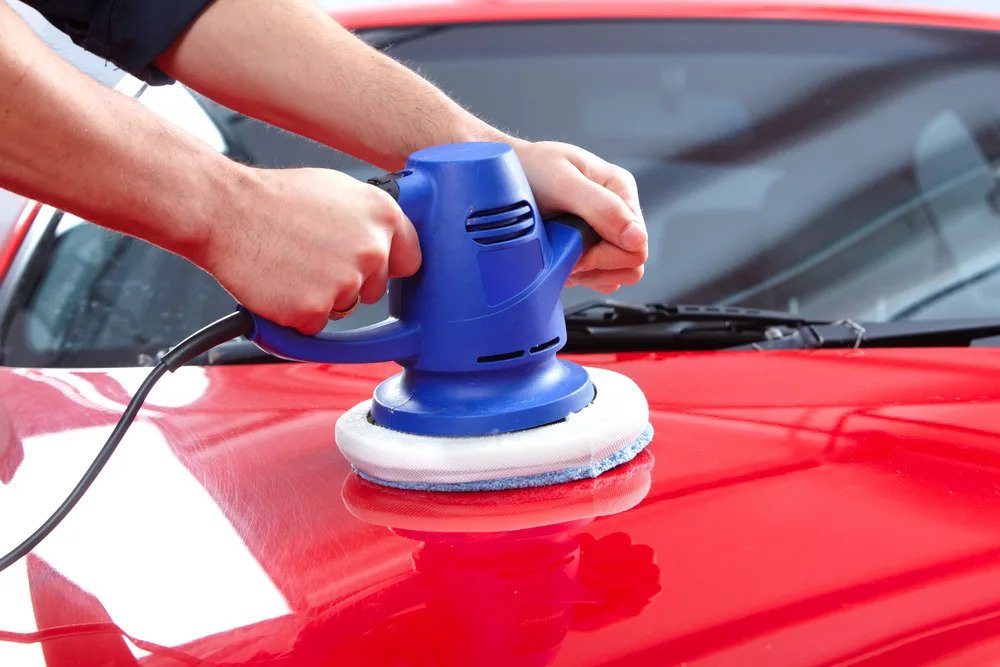
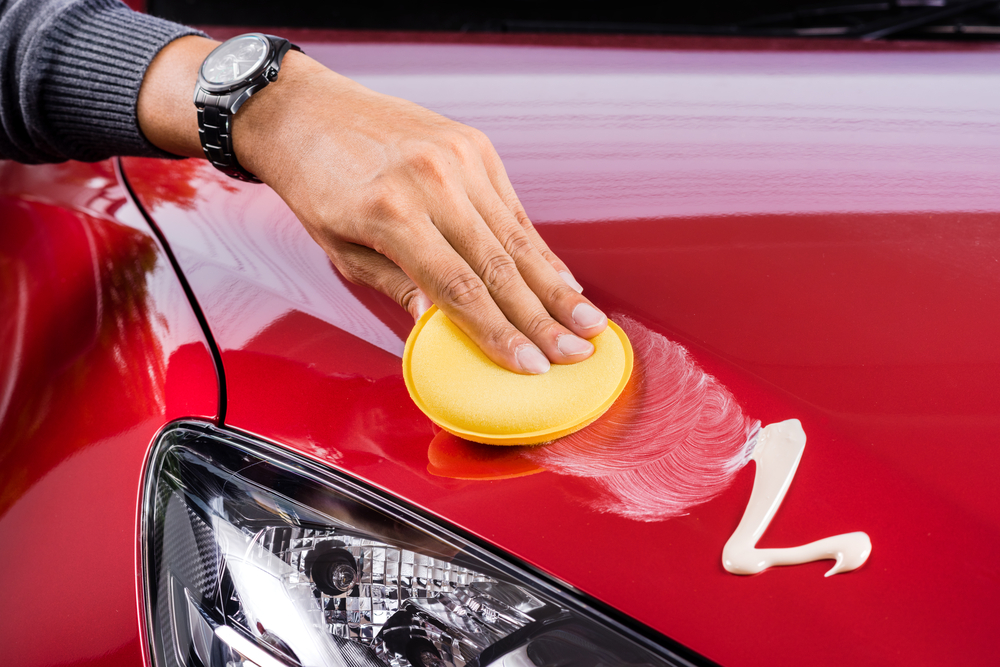
Use a small amount of wax at a time. Spread it evenly in circular motions. Work on one section before moving to the next. Avoid applying wax in direct sunlight or on a hot surface. Let the wax dry to a haze before buffing.
Buffing And Finishing
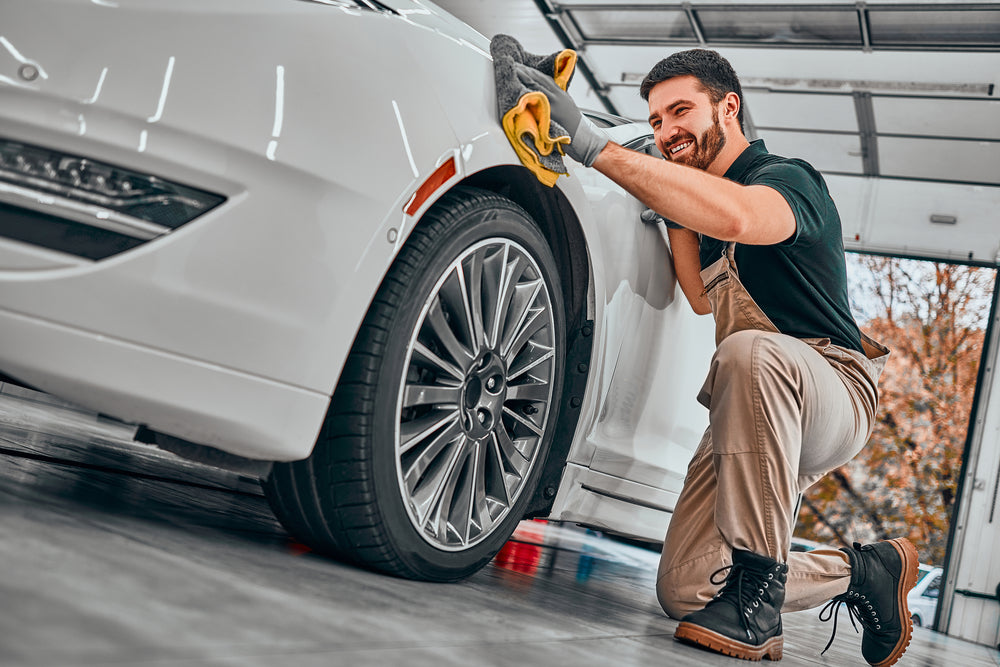
Use a soft, clean cloth to buff the wax. Buff in small circles until the surface shines. Remove all wax residue to avoid streaks. Check your work in natural light to see the shine. Repeat every few months to keep the car protected.
Common Waxing Mistakes To Avoid
Waxing your car regularly keeps it shiny and protected. Yet, many make simple mistakes that reduce wax’s effect. Avoid these common errors to get the best results and keep your car looking great.
Waxing Over Dirt
Never wax a dirty car. Dirt scratches the paint when rubbed. Always wash and dry your car first. Clean surface helps wax stick better and last longer.
Using Too Much Product
Less is more with car wax. Using too much makes it hard to remove. It also wastes wax and leaves streaks. Apply a thin, even layer for best results.
Waxing In Direct Sunlight
Avoid waxing under bright sun. Heat makes wax dry too fast. This causes uneven application and streaks. Choose a cool, shaded spot for waxing your car.
Alternatives To Traditional Waxing
Waxing your car keeps it shiny and protected. Traditional wax needs regular reapplication. Some car owners want easier or longer-lasting options. Alternatives to traditional waxing offer different benefits. These options can save time and improve paint protection. Here are some popular choices beyond wax.
Paint Sealants
Paint sealants are synthetic products. They form a hard, protective layer on the car’s surface. Sealants last longer than wax, often up to six months. They resist dirt and water well. Sealants keep your car looking glossy. Applying sealants is similar to waxing but less frequent.
Ceramic Coatings
Ceramic coatings offer strong, durable protection. They bond with the paint to create a hard shield. Coatings last much longer, sometimes years. They protect against scratches, UV rays, and chemicals. Ceramic coatings make cleaning the car easier. They require professional application or careful DIY work.
Quick Detailers
Quick detailers are spray-on products for fast touch-ups. They add shine and remove light dust or fingerprints. These sprays do not replace waxing but extend its life. Use quick detailers between wax or sealant applications. They are simple and fast for maintaining a clean look.
Frequently Asked Questions
How Often Should I Wax My Car For Best Protection?
Wax your car every 3 months to maintain optimal protection. This frequency shields the paint from UV rays and dirt. Regular waxing also enhances shine and extends the car’s exterior life. Adjust based on climate and usage for best results.
Does Frequent Waxing Damage Car Paint?
No, frequent waxing does not damage car paint. It creates a protective layer that prevents oxidation and fading. However, avoid abrasive waxes or polishing too often. Proper waxing improves paint longevity and keeps your vehicle looking new.
Can I Wax My Car In Direct Sunlight?
It’s best to avoid waxing in direct sunlight. Heat can cause wax to dry too fast, leaving streaks or smudges. Choose a shaded, cool area for waxing to ensure smooth application and better results.
What Type Of Wax Is Best For Regular Use?
Carnauba and synthetic waxes are popular choices. Carnauba provides a deep shine, while synthetic lasts longer and offers stronger protection. For regular use, synthetic wax is more durable and easier to maintain.
Conclusion
Regular waxing keeps your car’s paint shiny and protected. Most experts suggest waxing every three months. This helps stop dirt, sun, and water damage. You can wax more often if you live in harsh weather. Less frequent waxing may let grime build up and dull your car.
A clean, waxed car looks newer and lasts longer. Take care of your vehicle with simple steps like waxing. It pays off with a better-looking car and easier cleaning. Simple routine, big benefits.