

Have you ever wondered just how hot your brake rotors get when you hit the brakes hard? Understanding this can make a big difference in how you care for your car and stay safe on the road.
When your brakes heat up, it affects their performance—and your safety. You’ll discover the surprising temperatures brake rotors reach, why it matters to you, and what signs to watch for to keep your brakes working smoothly. Keep reading to protect your ride and make every stop a safe one.

Credit: www.youtube.com
Brake Rotor Temperature Basics
Brake rotors play a key role in stopping your vehicle safely. They work by creating friction with the brake pads. This friction causes heat. Understanding how hot brake rotors get helps you maintain your brakes better. It also helps in knowing when your brakes need attention.
Typical Operating Temperatures
Brake rotors usually run between 200 and 500 degrees Fahrenheit. Light braking keeps temperatures on the lower side. Hard braking or long downhill drives push temperatures higher. In extreme cases, rotors can reach 1,000 degrees Fahrenheit or more. High heat affects brake performance and rotor life.
Factors Affecting Heat Levels
Several factors change how hot brake rotors get. Vehicle weight is important; heavier cars create more heat. Speed also matters; faster speeds mean more heat during braking. The type of brake pads affects heat too. Ventilated rotors cool down faster than solid rotors. Road conditions and driving style also impact rotor temperature.
Heat Generation During Braking
Brake rotors get very hot when a vehicle slows down or stops. This heat comes from the force between the brake pads and the rotors. Understanding how heat builds up helps you know why brakes need proper care.
Friction And Energy Conversion
Braking turns motion into heat through friction. The brake pads press against the rotors. This rubbing stops the wheels from spinning. The energy from moving parts changes into heat energy. This heat makes the rotors very hot fast.
Friction depends on how hard the pads press and the rotor surface. More pressure means more heat. The harder you brake, the hotter the rotors get. This heat can reach hundreds of degrees Celsius.
Impact Of Driving Conditions
Driving style affects how hot rotors become. Frequent braking, like in city traffic, raises rotor temperature. Long downhill drives also cause high heat due to constant braking. Fast stops generate more heat than slow stops.
Weather plays a role too. Hot days make rotors heat quicker. Wet or cold conditions cool the rotors faster. Proper cooling helps avoid brake failure and damage.
Maximum Temperatures Reached
Brake rotors can get very hot during use. The maximum temperature depends on how you drive and the braking situation. Understanding these temperatures helps you know how your brakes perform and when they might wear out faster.
Normal Driving Vs. Performance Driving
In normal driving, brake rotors usually reach 200 to 400 degrees Fahrenheit. This temperature is safe for most rotors and does not cause damage. Light stops and steady speeds keep the heat moderate.
Performance driving pushes rotors much harder. During hard cornering and fast stops, temperatures can rise to 800 degrees or more. Racing or aggressive driving heats rotors quickly. This high heat can cause faster wear and sometimes warping.
Heat Spikes In Emergency Braking
Emergency braking causes sudden heat spikes. Rotors can jump from normal to over 1,000 degrees Fahrenheit in seconds. This extreme heat happens because brakes try to stop the car fast.
Such heat spikes stress the rotor material. It may lead to cracks or warping if repeated often. Brake systems are designed to handle these spikes but keeping cool helps avoid damage.
Credit: www.ebcbrakes.com
Effects Of Excessive Heat
Brake rotors can get extremely hot during use. Excessive heat affects their shape and performance. It causes serious problems that reduce safety and control. Understanding these effects helps you keep brakes in good condition.
Rotor Warping And Cracking
High temperatures cause rotors to warp. Warping means the rotor surface bends or twists. This creates uneven contact with brake pads. The result: vibrations and shaking during braking.
Extreme heat can also cause cracks. Cracks weaken the rotor structure. They may grow larger over time. Cracked rotors risk breaking while driving. This is dangerous and costly to fix.
Brake Fade And Reduced Performance
Excess heat leads to brake fade. Brake fade means brakes lose their stopping power. Heat reduces the friction between rotor and pads.
Less friction means longer stopping distances. Brakes feel soft or spongy. This reduces driver confidence and safety. Cooling down rotors is essential to maintain brake strength.
Materials And Heat Resistance
Brake rotors face extreme heat during use. The material they are made of affects how much heat they can handle. Heat resistance helps prevent warping and damage. Understanding rotor materials helps explain how hot they get.
Common Rotor Materials
Most brake rotors are made from cast iron. Cast iron is cheap and has good heat resistance. It absorbs and spreads heat well, which helps braking. Steel rotors exist but they heat up faster and wear quicker. Cast iron remains the top choice for regular driving.
High-performance Rotor Options
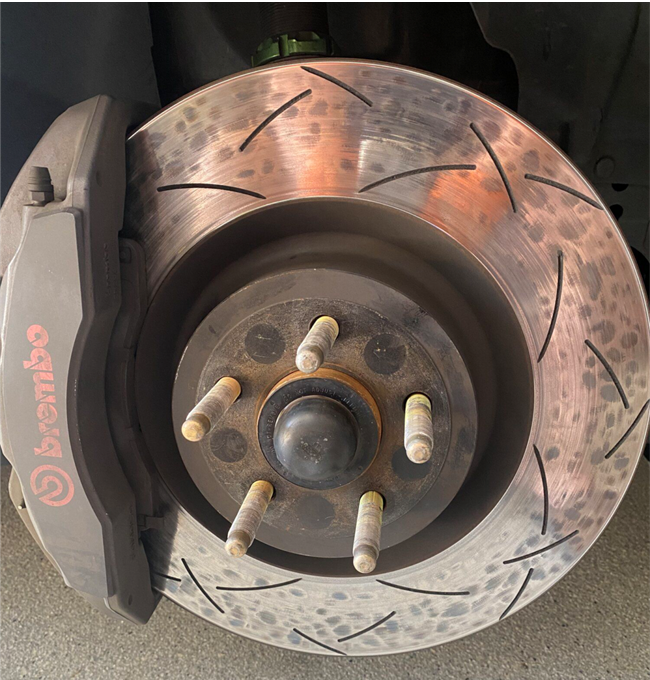
High-performance cars use rotors made from special materials. Carbon-ceramic rotors handle much higher temperatures. They are lighter and resist warping better than iron. These rotors keep braking strong even after many hard stops. Some use drilled or slotted designs to improve cooling and reduce heat.
Credit: www.quora.com
Cooling Mechanisms
Brake rotors get very hot during use. Cooling mechanisms help keep them at safe temperatures. These systems reduce heat fast. This stops damage and keeps brakes working well.
Ventilated Rotors
Ventilated rotors have spaces inside them. These spaces let air flow through. Air cools the rotors quickly. It moves heat away from the brake surface.
These rotors work better than solid ones. They lower the risk of overheating. This keeps brake performance steady and safe.
Heat Dissipation Techniques
Heat dissipation means spreading heat out fast. Brake rotors use different ways to do this. Materials like cast iron absorb heat well.
Some rotors have slots or holes. These designs allow heat to escape. They also help remove brake dust and water.
Good heat dissipation stops warping and cracking. This extends the life of the rotors. It also improves overall braking safety.
Measuring Rotor Temperatures
Measuring the temperature of brake rotors helps understand their performance. Rotors get very hot during braking. Knowing their temperature shows how hard the brakes work and if they are safe to use. Different tools can measure rotor heat without touching the parts. This helps avoid accidents and keeps the vehicle in good shape.
Experts use special devices to get quick and accurate temperature readings. These tools help drivers and mechanics check brakes easily. The two common methods are infrared thermometers and telemetry in racing. Each method has unique benefits for measuring rotor heat.
Infrared Thermometers
Infrared thermometers read heat from a distance. They detect the infrared energy that rotors give off. Just point the device at the rotor surface and get a quick temperature. This tool is easy to use and safe because it does not touch the hot parts. Mechanics use it to check brakes after driving or testing. It gives instant results to prevent damage or failure.
Telemetry In Racing
Telemetry sends real-time data from the car to the pit crew. Sensors on the rotors measure their temperature during a race. This data helps teams watch brake health and driver safety. The crew can advise drivers to adjust speed or brake use. Telemetry helps avoid brake overheating, which can cause accidents. It is a high-tech way to track rotor heat continuously.
Preventing Overheating
Brake rotors can get extremely hot during driving. Overheating reduces their performance and life. Preventing this problem keeps your brakes safe and effective. Simple steps help control rotor temperature and avoid damage.
Driving Habits
Slow down early to avoid hard braking. Sudden stops make rotors heat up fast. Use engine braking on long descents to lower brake use. Keep a safe distance from cars ahead to brake gently. Avoid riding the brakes for long periods. These habits reduce stress on your rotors and keep them cooler.
Maintenance Tips
Check brake pads regularly for wear. Thin pads cause rotors to heat more. Replace pads before they wear out completely. Clean brake parts to remove dust and debris. Inspect rotors for cracks or warping. Warped rotors heat unevenly and wear quickly. Have brakes serviced by a professional every year. Proper maintenance helps prevent overheating and extends rotor life.
Frequently Asked Questions
How Hot Do Brake Rotors Get During Normal Driving?
Brake rotors typically reach 200 to 400 degrees Fahrenheit during regular driving. This temperature is enough to stop your vehicle efficiently without damaging the rotors or brakes.
Can Brake Rotors Overheat And Cause Damage?
Yes, brake rotors can overheat, especially during heavy braking. Overheating can cause warping, reduced braking performance, and premature wear of the brake system.
What Temperature Can Brake Rotors Reach Under Heavy Braking?
Under heavy braking, brake rotors can reach temperatures up to 1,000 degrees Fahrenheit or more. This extreme heat requires high-quality materials to prevent damage and maintain performance.
How Does Rotor Temperature Affect Braking Performance?
Higher rotor temperatures can reduce braking efficiency by causing brake fade. Brake fade happens when heat reduces friction between the pads and rotors, leading to longer stopping distances.
Conclusion
Brake rotors can get very hot during use. This heat affects how well your brakes work. Knowing the temperature helps you drive safely. Too much heat can cause damage or wear. Regular checks keep your braking system in good shape.
Pay attention to how your brakes feel and sound. Proper care extends the life of your rotors. Safe driving means understanding your car’s needs. Keep your brakes cool to stay in control.


