If you drive a diesel vehicle, you might wonder how often you should change your diesel fuel filter. Ignoring this simple maintenance step can lead to costly repairs and poor engine performance.
But how do you know when it’s the right time to replace it? You’ll discover the key signs and recommended intervals that keep your engine running smoothly and protect your investment. Keep reading to learn how a small part like the fuel filter can make a big difference for your diesel engine’s health.

Credit: www.youtube.com
Role Of Diesel Fuel Filters
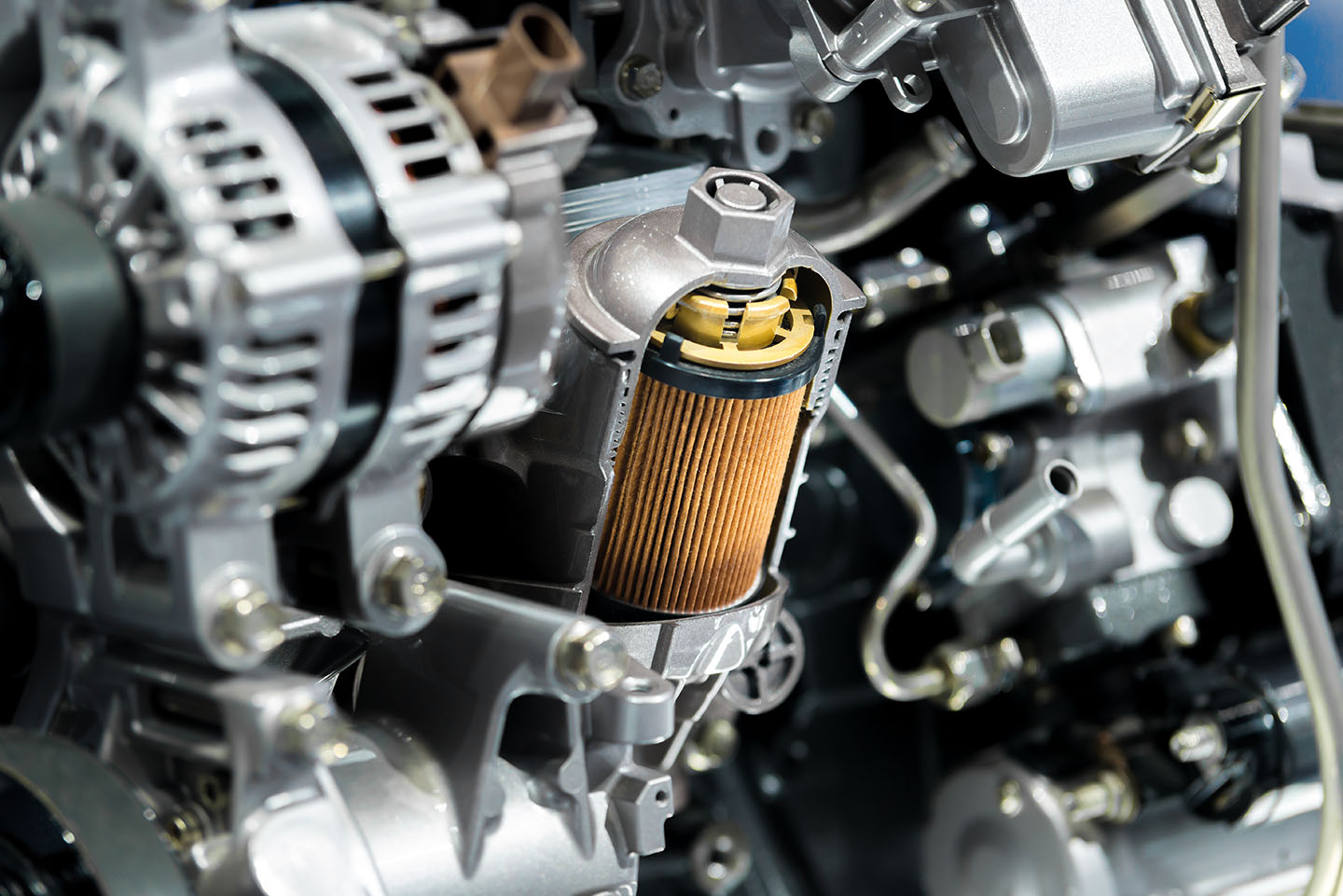
The diesel fuel filter plays a key role in keeping your engine healthy. It cleans the fuel before it reaches the engine parts. This helps the engine run smoothly and last longer. A clean fuel filter also improves fuel efficiency. Understanding its role helps know why regular changes matter.
Protecting The Engine
The fuel filter stops dirt and rust from entering the engine. These particles can cause damage inside the engine. Small scratches and wear happen if the fuel is not clean. A clean filter protects engine parts like injectors and pumps. This protection helps avoid costly repairs and breakdowns.
Filtering Contaminants
Fuel can have water, dust, and debris. These contaminants harm the engine and reduce performance. The fuel filter catches these harmful particles. It keeps only clean fuel flowing through the system. Removing water is also important to prevent corrosion. Good filtering keeps the engine running strong and efficient.
Signs Of A Clogged Fuel Filter
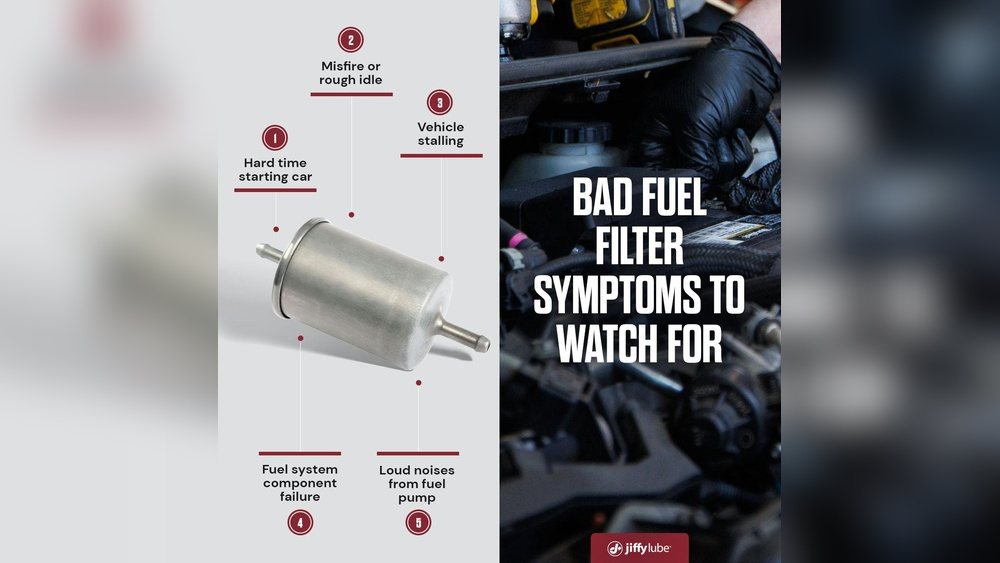
A clogged diesel fuel filter can cause several problems in your vehicle. It restricts the fuel flow to the engine. This leads to poor engine function and other issues. Recognizing these signs early helps avoid costly repairs. Here are common signs of a clogged fuel filter.
Engine Performance Issues
The engine may run rough or lose power. Acceleration can feel weak or slow. The vehicle might hesitate or stall during driving. These happen because the engine is not getting enough fuel.
Starting Problems
Difficulty starting the engine is a clear warning. The engine may crank but fail to start quickly. Sometimes it needs several tries before it fires up. Poor fuel flow causes the engine to struggle at startup.
Unusual Noises
Listen for strange sounds from the engine area. Whining or sputtering noises may occur. These noises happen due to fuel starvation. It signals the fuel filter is clogged and needs attention.
Factors Affecting Replacement Frequency
Several factors influence how often a diesel fuel filter needs changing. These factors affect the filter’s ability to protect the engine from dirt and water. Understanding these helps keep your engine healthy and running smoothly.
Vehicle Type And Usage
Different vehicles have different fuel system needs. Large trucks or heavy machinery often require more frequent fuel filter changes. These vehicles use more fuel and face tougher conditions. Small cars or light trucks may need less frequent changes. How often you drive also matters. Daily use can wear out filters faster than occasional trips.
Fuel Quality
Fuel quality plays a big role in filter life. Poor or contaminated diesel contains more dirt and water. This dirt clogs the filter faster. High-quality fuel usually lasts longer in the filter. Using clean fuel helps extend the filter’s life. Regularly check the fuel source for quality.
Driving Conditions
Driving in dusty or dirty environments affects the filter. Off-road or construction site driving exposes filters to more dirt. Stop-and-go traffic or short trips can cause moisture buildup. Moisture in the fuel system damages the filter quicker. Smooth highway driving may allow longer intervals between changes.
Credit: www.mapfreinsurance.com
Recommended Replacement Intervals
Knowing the right time to change a diesel fuel filter helps keep your engine strong. Diesel fuel filters catch dirt and water. Over time, they get clogged. This can hurt engine performance and fuel efficiency. Changing the filter regularly avoids costly repairs and engine problems.
Manufacturer Guidelines
Car makers give clear advice on fuel filter changes. This info is in the vehicle’s owner manual. Most suggest changing the diesel fuel filter every 15,000 to 25,000 miles. Some newer models may last longer due to better filter technology. Always check the manual for the exact interval. Following this advice keeps the engine running smoothly and protects its parts.
General Industry Standards
Experts in the diesel industry often recommend changing the fuel filter every 20,000 miles. This is a common rule for many diesel vehicles. For heavy-duty trucks or machines, the interval might be shorter due to harsher conditions. Filters should also be changed if you notice engine problems or fuel contamination. Regular replacement helps avoid fuel system damage and keeps the diesel engine reliable.
Risks Of Delayed Replacement
Delaying the replacement of a diesel fuel filter can cause serious problems. The filter’s job is to keep dirt and debris out of the engine. Over time, a clogged filter stops working well. This leads to several risks that affect your vehicle’s performance and lifespan.
Engine Damage
A dirty fuel filter can make the engine work harder. Dirt and particles enter the fuel system. This causes wear on engine parts. Small damage can grow into costly repairs. Regular filter changes protect your engine from harm.
Reduced Fuel Efficiency
Clogged filters slow down fuel flow. The engine burns more fuel to keep running. This lowers gas mileage and wastes money. Clean filters help the engine use fuel better. This keeps your vehicle running smoothly and saves fuel.
Increased Emissions
A blocked fuel filter can cause incomplete fuel burning. This leads to more smoke and harmful gases. Dirty filters increase pollution from your vehicle. Changing filters on time helps reduce emissions. It keeps the air cleaner and meets regulations.
Diy Vs Professional Replacement
Deciding between a DIY diesel fuel filter change and hiring a professional can be tricky. Some car owners enjoy doing repairs themselves to save money. Others prefer experts to avoid mistakes and ensure safety. Both options have clear benefits and challenges.
DIY replacement lets you learn about your vehicle. It can be cheaper and quicker for simple tasks. But it needs the right tools and some mechanical skill. Professional service guarantees the job is done right. It also reduces the risk of damage or leaks. Knowing the steps and tools helps you choose the best path.
Tools Needed
You need a new diesel fuel filter specific to your vehicle. A wrench set helps to loosen and tighten bolts. A container to catch spilled fuel is important. Gloves protect your hands from dirt and fuel. Safety glasses keep your eyes safe. Rags or paper towels for cleaning up. A jack and stands if you must lift the vehicle.
Step-by-step Process
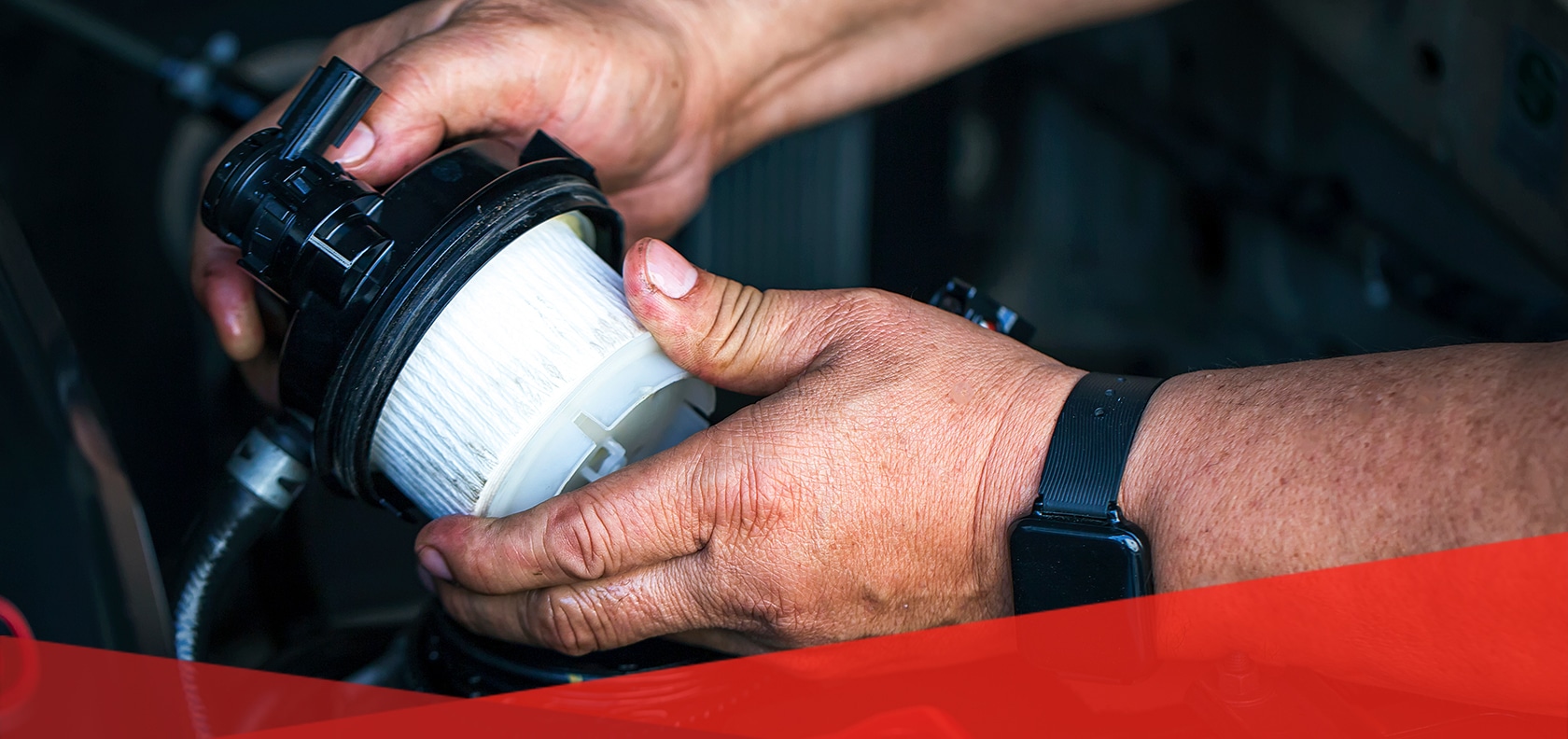
Start by parking on a flat surface and turning off the engine. Relieve fuel system pressure carefully. Use the wrench to remove the old fuel filter. Catch any fuel that spills into your container. Insert the new filter in the same position. Tighten all connections firmly but do not over-tighten. Clean any spilled fuel and check for leaks. Dispose of the old filter safely. Start the engine and check that it runs smoothly.
When To Seek Help
Ask a professional if you feel unsure or lack tools. If the fuel filter is hard to reach, avoid risking injury. Strange engine noises or leaks after replacement need expert checks. Complex fuel systems require special skills and equipment. Always seek help if you notice fuel smells or smoke. Safety and proper functioning are the top priorities.
Maintenance Tips For Fuel Filters
Proper care of diesel fuel filters keeps the engine running smoothly. Dirty or clogged filters reduce fuel flow and hurt performance. Regular maintenance can stop costly repairs and extend filter life.
Simple steps help protect the fuel filter and the entire fuel system. Clean filters improve fuel efficiency and lower emissions. Follow these tips to keep your diesel fuel filter in good shape.
Regular Inspections
Check the fuel filter often for dirt or damage. Look for signs like rough engine running or trouble starting. Replace the filter if it looks clogged or old. Regular checks catch problems before they get worse.
Using Quality Fuel
Always fill up with clean, good-quality diesel fuel. Poor fuel contains dirt and water that harm the filter. Use trusted fuel stations to avoid contamination. Clean fuel helps the filter last longer and work better.
Keeping Fuel Tanks Clean
Keep the fuel tank free from dirt and water buildup. Dirty tanks send contaminants to the filter quickly. Drain water and remove sludge from the tank regularly. A clean tank protects the fuel filter and engine parts.
Credit: bostechauto.com
Frequently Asked Questions
How Often Should I Change My Diesel Fuel Filter?
Typically, diesel fuel filters should be replaced every 10,000 to 25,000 miles. Check your vehicle’s manual for exact intervals. Regular changes prevent fuel contamination and engine damage.
What Are Signs Of A Clogged Diesel Fuel Filter?
Symptoms include engine misfires, reduced power, rough idling, and difficulty starting. A clogged filter restricts fuel flow, harming performance. Prompt replacement fixes these issues.
Can I Change A Diesel Fuel Filter Myself?
Yes, with basic tools and safety precautions, you can replace the filter. Follow the vehicle manual steps carefully to avoid fuel leaks and air entering the system.
Does Fuel Quality Affect Diesel Filter Life?
Absolutely, poor-quality or contaminated fuel clogs filters faster. Using clean, high-quality diesel extends filter lifespan and maintains engine efficiency.
Conclusion
Changing your diesel fuel filter regularly keeps your engine healthy. Dirty filters block fuel flow and cause problems. Most experts suggest changing the filter every 10,000 to 25,000 miles. But check your vehicle’s manual for exact advice. Clean fuel filters help save money on repairs.
They also improve your truck’s performance. Don’t wait for trouble to start. Stay ahead by replacing the filter on time. Your engine will thank you with better power and longer life. Simple steps like this make a big difference.