
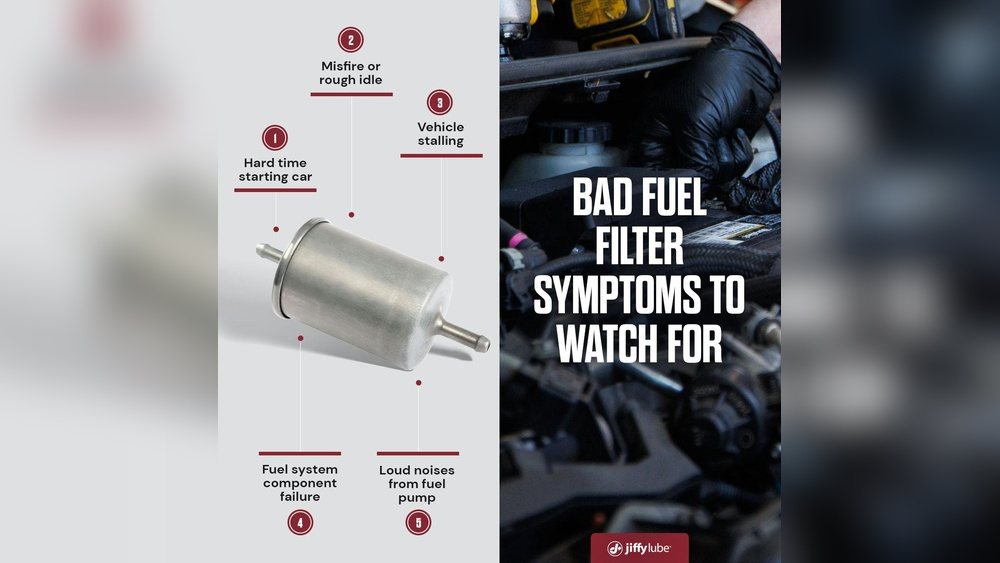
Have you noticed your car acting up lately? Maybe it’s struggling to start, or the engine feels weaker than usual.
These could be signs that your fuel filter is clogged. But how can you be sure? Knowing the clear signs of a clogged fuel filter can save you from costly repairs and keep your vehicle running smoothly. You’ll discover the simple ways to tell if your fuel filter is the problem—and what you can do about it before it’s too late.
Keep reading to protect your car and avoid unexpected breakdowns.

Credit: oilchangers.com
Symptoms Of A Clogged Fuel Filter
A clogged fuel filter can cause many problems in your vehicle. It blocks the fuel flow, making the engine work harder. Recognizing the symptoms early can save you from costly repairs. Watch for these common signs to keep your car running smoothly.
Engine Misfires And Stalls
Fuel does not reach the engine properly. This causes the engine to misfire or stall. You may feel sudden jerks or the engine might stop while driving. These problems happen more often at low speeds or idle.
Reduced Engine Power
The engine loses power because of fuel shortage. It struggles during acceleration or climbing hills. The car may feel weak and slow. This happens because the clogged filter restricts fuel supply.
Difficulty Starting The Engine
The engine takes longer to start or won’t start at all. The fuel filter stops enough fuel from reaching the engine. This makes ignition hard. You might need several attempts before the engine runs.
Unusual Engine Noises
The engine may make strange noises like sputtering or coughing. These sounds show the engine is not getting enough fuel. Pay attention to these noises during acceleration or at idle. They signal a fuel flow problem.
Impact On Fuel Efficiency
A clogged fuel filter affects how well your car uses fuel. It blocks fuel flow, making the engine work harder. This strain reduces fuel efficiency. You may notice your car needs more fuel to run the same distance. Understanding this impact helps you spot problems early.
Decreased Mileage
A clogged fuel filter lowers your car’s mileage. The engine gets less fuel, so it runs poorly. You might see fewer miles on a full tank. Your car struggles to maintain speed and power. This causes more stops at gas stations. Poor mileage is a clear sign of fuel flow issues.
Increased Fuel Consumption
Your car uses more fuel to compensate for the clogged filter. The engine burns fuel less efficiently. This leads to higher fuel costs over time. More fuel is wasted during each trip. Increased consumption points to a problem with fuel delivery. Checking the fuel filter can prevent this waste.
Visual Inspection Tips
Visual checks help find a clogged fuel filter early. They show signs of dirt or damage. This saves time and money on repairs. You do not need special tools. Just careful observation and basic knowledge.
Checking For Dirt And Debris
Look closely at the fuel filter surface. Dirt and debris can stick outside the filter. This buildup blocks fuel flow. Dark spots or grime are bad signs. Clean filters usually look clear or slightly opaque. Use a flashlight to see inside if possible. Dirt inside means the filter is clogged.
Fuel Filter Condition Indicators
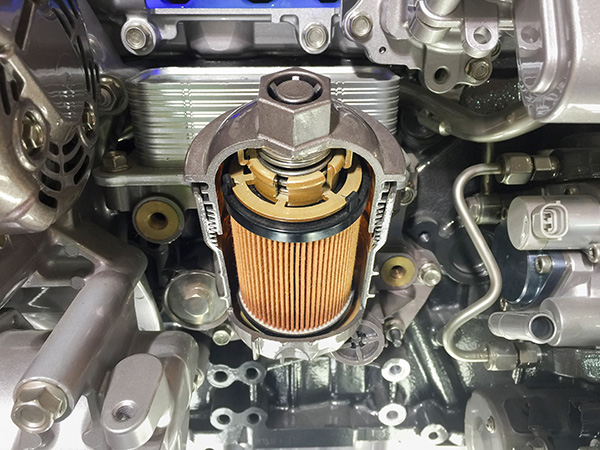
Some filters have built-in indicators. These show if the filter needs changing. They may change color or show a mark. A faded or darkened indicator means clogging. Also, check for cracks or leaks on the filter body. Any damage reduces filter efficiency. Replace the filter if you see these signs.
Credit: www.autoworks-wa.com
Tools To Diagnose Fuel Filter Issues
Diagnosing a clogged fuel filter requires the right tools. These tools help check if fuel flows smoothly through the system. They reveal pressure drops or blockages that affect engine performance. Using proper tools saves time and prevents unnecessary repairs. Below are two common tools used to spot fuel filter problems.
Using A Fuel Pressure Gauge
A fuel pressure gauge measures the fuel flow pressure in the line. Attach it to the fuel rail or fuel line. Start the engine and watch the pressure reading. Low pressure often means a clogged fuel filter. Compare the reading with the vehicle’s manual specs. This tool is easy to use and gives quick results.
Professional Diagnostic Equipment
Professional equipment offers detailed insights beyond simple pressure checks. Mechanics use scan tools to read engine data and fuel system performance. These devices detect subtle signs of fuel blockage or pump strain. They connect to the car’s computer for real-time feedback. Such tools help find problems that are not visible to the naked eye.
Preventive Maintenance For Fuel Filters
Preventive maintenance for fuel filters helps keep your vehicle running smoothly. Fuel filters stop dirt and rust from reaching the engine. A clogged filter reduces fuel flow and harms engine performance. Checking and replacing fuel filters on time avoids costly repairs and breakdowns. Simple care protects the engine and saves money.
Recommended Replacement Intervals
Most car makers suggest changing fuel filters every 20,000 to 40,000 miles. This range depends on your vehicle and driving conditions. Some filters last longer, but old filters often clog faster. Follow your vehicle’s manual for exact intervals. Regular replacement ensures clean fuel reaches the engine. It keeps your car healthy and efficient.
Signs To Schedule A Service
Watch for engine problems like stalling or rough idling. Poor acceleration or unusual engine noises can also signal a clogged filter. Check for trouble starting the car or a drop in fuel efficiency. These signs mean the fuel filter may be blocked. Schedule a service quickly to prevent more damage. Early action keeps your car safe and reliable.

Credit: www.youtube.com
Frequently Asked Questions
How Do I Know If My Fuel Filter Is Clogged?
A clogged fuel filter causes engine misfires, slow acceleration, and stalling. You may also notice poor fuel efficiency and difficulty starting the vehicle.
What Are Common Symptoms Of A Bad Fuel Filter?
Symptoms include rough idling, engine hesitation, reduced power, and frequent stalling. These signs often indicate restricted fuel flow due to a clogged filter.
Can A Clogged Fuel Filter Damage My Engine?
Yes, a clogged filter restricts fuel flow, causing the engine to run lean. This can lead to overheating and potential engine damage over time.
How Often Should I Replace The Fuel Filter?
Generally, replace the fuel filter every 20,000 to 40,000 miles. Check your vehicle’s manual for specific intervals to maintain optimal performance.
Conclusion
A clogged fuel filter can cause many car problems. Watch for slow engine start and poor performance. Strange noises or stalling are signs too. Regular checks help avoid costly repairs. Clean fuel keeps your engine running smooth. Pay attention to your car’s behavior daily.
Early action saves time and money. Stay alert to keep your vehicle healthy.

