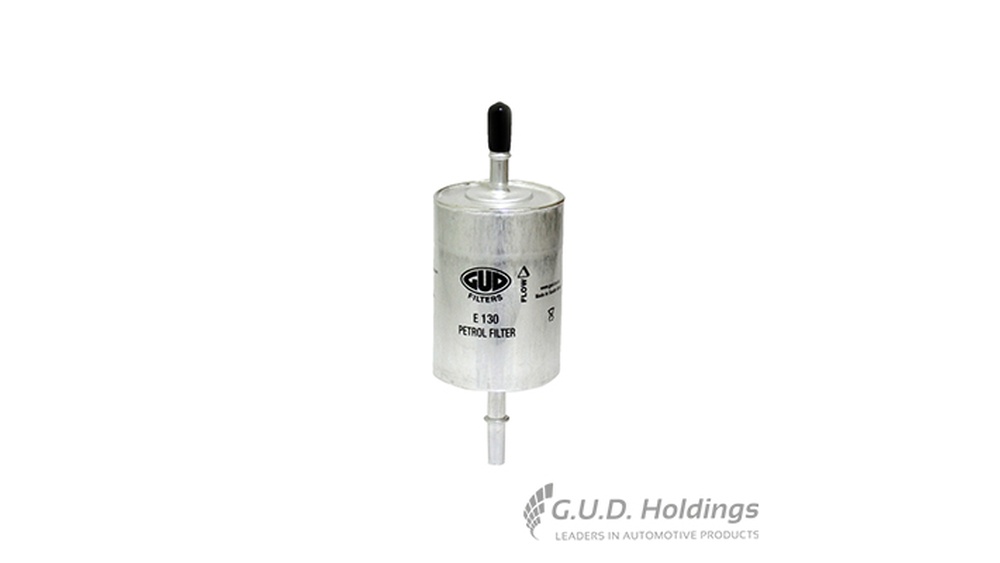
Have you ever wondered how often you should change your fuel filter? It’s one of those car maintenance tasks that often gets overlooked but can make a big difference in how smoothly your vehicle runs.
If your engine feels sluggish or you notice a drop in fuel efficiency, your fuel filter might be the hidden culprit. Knowing the right time to replace it can save you from costly repairs and keep your car performing at its best.
Keep reading to find out exactly when and why you should change your fuel filter to protect your engine and drive with confidence.

Credit: kbmotorsports.biz
Role Of A Fuel Filter
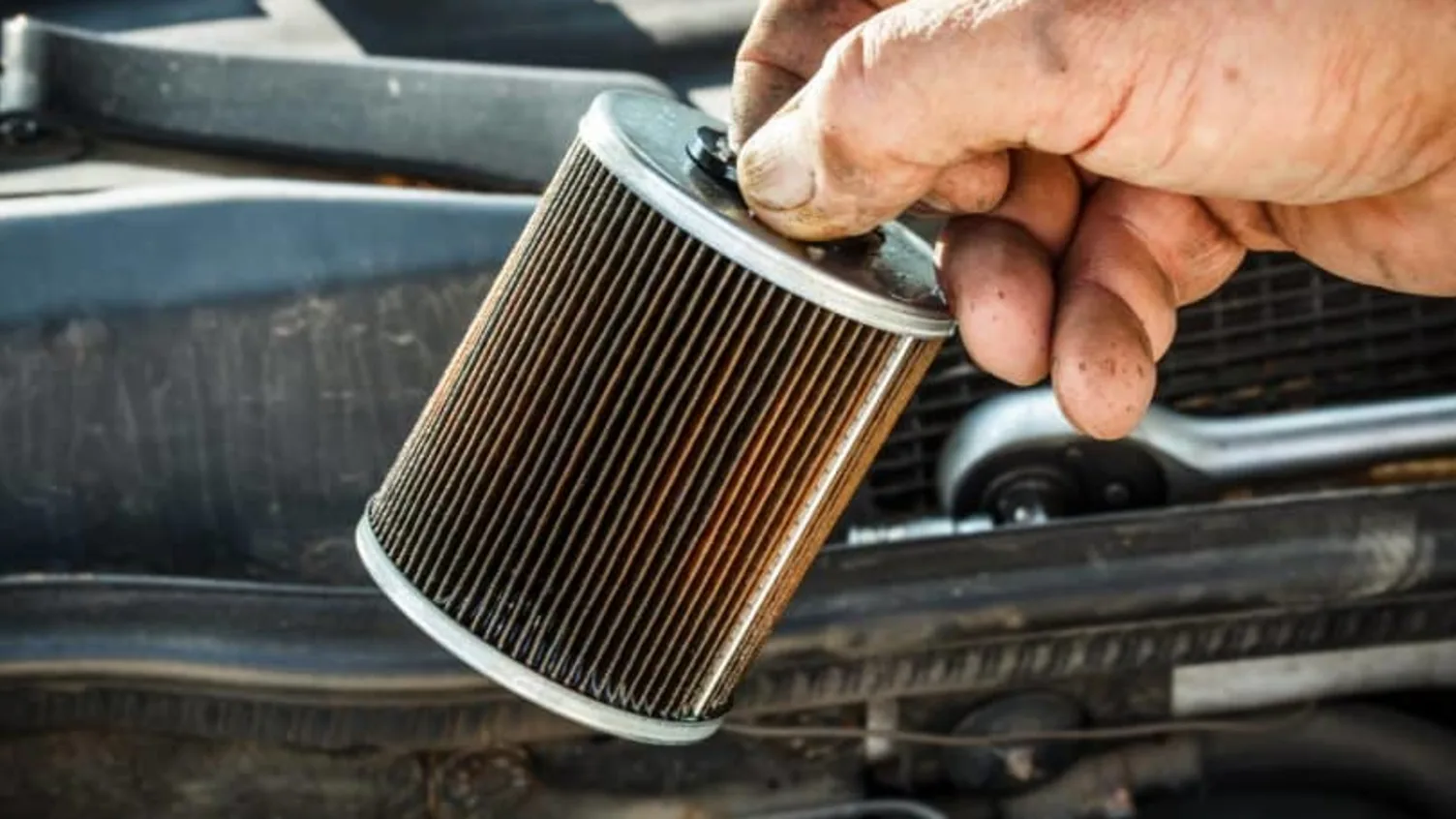
A fuel filter plays a key role in your vehicle’s fuel system. It cleans the fuel before it reaches the engine. Small dirt particles and rust can get into fuel. The filter stops these impurities from causing damage. Clean fuel helps the engine run smoothly. It also protects important engine parts.
Without a fuel filter, dirt can clog fuel injectors. This leads to poor engine performance and possible breakdowns. The filter keeps fuel clean and your engine healthy.
Fuel Filter Function
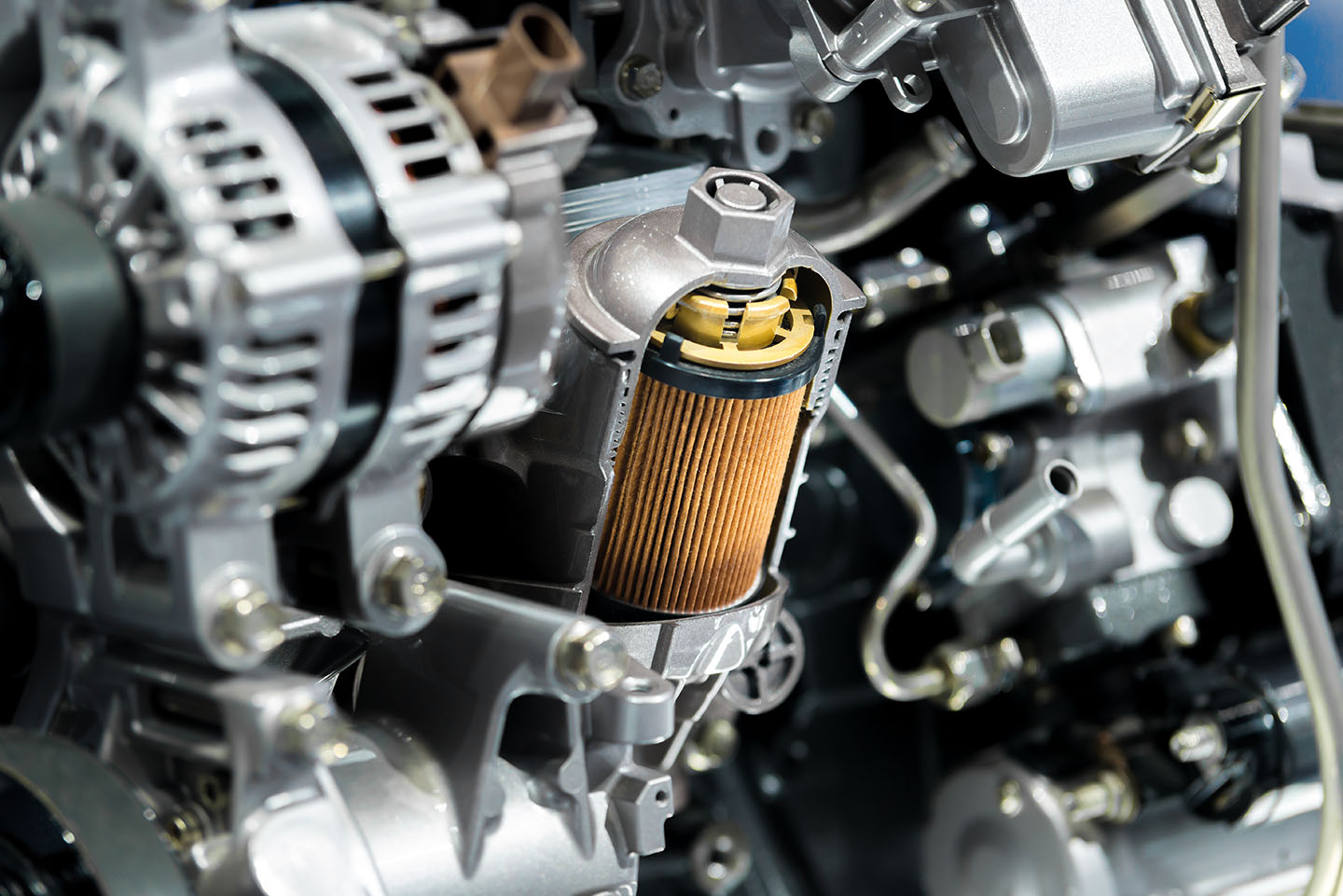
The fuel filter traps dirt, dust, and rust from the fuel. It acts like a barrier inside the fuel system. Fuel passes through the filter before reaching the engine. The filter removes tiny particles that can harm engine parts. This prevents blockages and wear inside the engine. Clean fuel means better combustion and less engine stress.
Impact On Engine Performance
A clean fuel filter helps the engine get a steady fuel supply. This improves engine power and efficiency. A clogged filter reduces fuel flow. The engine may hesitate or stall during driving. Fuel injectors can get dirty and fail. Changing the fuel filter keeps the engine strong and reliable. It also helps save fuel and reduces emissions.
Credit: www.bigboxcars.com.au
Signs Of A Clogged Fuel Filter
A clogged fuel filter can cause many problems in your vehicle. It blocks the flow of fuel to the engine. This leads to poor performance and can damage parts over time. Recognizing the signs of a clogged fuel filter helps you fix the issue early. It saves money and keeps your car running smoothly.
Engine Hesitation
The engine may hesitate or jerk during acceleration. This happens because the fuel flow is not steady. The car might feel weak or slow to respond. It struggles to get enough fuel to keep running properly. This hesitation shows the filter might be clogged.
Reduced Fuel Efficiency
You may notice your car uses more fuel than usual. A dirty fuel filter makes the engine work harder. It causes the fuel to burn less efficiently. This means you fill up your tank more often. Lower fuel efficiency is a clear sign of a clogged filter.
Starting Issues
The car might take longer to start or fail to start. A blocked fuel filter limits fuel supply to the engine. Without enough fuel, the engine struggles to start. This problem happens especially after the car sits for a while. Starting issues often point to a clogged fuel filter.
Recommended Replacement Intervals
Knowing the right time to change your fuel filter keeps your engine healthy. Fuel filters trap dirt and debris. Over time, they get clogged and reduce fuel flow. This can hurt your car’s performance. Following recommended replacement intervals helps avoid problems. These intervals depend on your car and driving style.
Manufacturer Guidelines
Car makers provide specific advice on fuel filter changes. Check your owner’s manual for details. Most suggest replacing the filter every 20,000 to 40,000 miles. Some modern cars have filters that last longer. Always follow the schedule given by the manufacturer. It ensures your car runs smoothly and lasts longer.
Driving Conditions Impact
Driving habits affect how fast a fuel filter clogs. Dusty roads and stop-and-go traffic cause more dirt buildup. Short trips with frequent starts also stress the filter. In tough conditions, change the filter more often. Clean fuel means better engine power and fuel economy. Adjust your schedule based on how and where you drive.
Credit: bostechauto.com
Factors Affecting Fuel Filter Life
The lifespan of a fuel filter depends on several important factors. Understanding these factors helps you know when to change the filter. Fuel filters protect your engine by catching dirt and debris in the fuel.
Changing the filter too late can cause engine problems. Changing it too early can waste money. Learn what affects fuel filter life to keep your car running well.
Fuel Quality
Fuel quality plays a big role in filter life. Low-quality fuel often contains more dirt and impurities. These particles clog the fuel filter faster. Using cleaner, higher-quality fuel helps the filter last longer. Poor fuel can reduce filter life by half or more.
Vehicle Age And Model
Older vehicles may need more frequent fuel filter changes. Parts wear down and dirt builds up over time. Some car models have filters that last longer than others. Check your vehicle’s manual for recommended intervals. Newer models often have better fuel systems and filters.
Environmental Conditions
Driving in dusty or dirty areas can shorten filter life. Dirt and dust enter the fuel system more easily. Cold weather can also affect fuel and filter performance. Frequent stop-and-go driving clogs filters faster. Adjust filter change schedules based on your driving conditions.
Diy Vs Professional Replacement
Choosing between DIY and professional fuel filter replacement depends on your skills and tools. Some car owners prefer to save money by doing it themselves. Others want to avoid risks by hiring a mechanic. Understanding both options helps you decide the best approach for your vehicle and safety.
Tools Needed For Diy
Changing a fuel filter at home needs a few basic tools. You will need a wrench set to loosen fuel lines. A screwdriver helps remove clamps and covers. Safety glasses protect your eyes from fuel splashes. A container to catch spilled fuel is also important. Make sure you have a new fuel filter that fits your car. Working in a well-ventilated area reduces inhaling fumes. Always disconnect the battery before starting to avoid sparks.
When To Seek Professional Help
Some fuel filter replacements require special tools or skills. If your filter is hard to reach, a mechanic can access it safely. Fuel leaks are dangerous, so experts handle those better. If you feel unsure about the steps, it is safer to hire help. Professionals also check other parts for damage or wear. They can spot problems early before they become costly. Trusting a mechanic ensures the job is done right and fast.
Benefits Of Regular Fuel Filter Changes
Changing your fuel filter regularly helps keep your car running well. It stops dirt and particles from reaching the engine. Clean fuel means fewer problems and better performance. Here are some key benefits of regular fuel filter changes.
Improved Engine Longevity
A clean fuel filter protects the engine from dirt and debris. It reduces wear on engine parts. This helps your engine last longer. Avoids costly repairs and breakdowns.
Enhanced Fuel Efficiency
A clean fuel filter allows fuel to flow smoothly. The engine burns fuel more efficiently. This means your car uses less gas. Saves money on fuel over time.
Reduced Emissions
Clean fuel helps the engine burn fuel fully. This lowers harmful gas emissions from the car. Helps keep the air cleaner. Supports a healthier environment.
Frequently Asked Questions
How Often Should I Replace My Car’s Fuel Filter?
Replace your fuel filter every 20,000 to 40,000 miles. Check your vehicle’s manual for exact intervals. Regular changes prevent engine issues and improve fuel efficiency.
What Are Signs Of A Clogged Fuel Filter?
Symptoms include engine misfires, poor acceleration, and difficulty starting. A clogged filter restricts fuel flow, causing these performance problems. Immediate replacement is necessary if you notice these signs.
Can A Dirty Fuel Filter Cause Engine Problems?
Yes, a dirty fuel filter can cause stalling and rough idling. It blocks fuel flow, leading to poor engine performance. Timely replacement helps maintain engine health and smooth operation.
Is Fuel Filter Replacement Necessary For All Vehicles?
Most vehicles require fuel filter changes, but intervals vary. Some newer models have lifetime filters. Always check your owner’s manual for specific recommendations.
Conclusion
Changing your fuel filter regularly keeps your engine healthy. A clean filter helps fuel flow smoothly. It prevents dirt from damaging engine parts. Check your vehicle’s manual for exact timing. Usually, changing it every 20,000 to 40,000 miles works well.
Watch for signs like rough idling or poor fuel economy. Staying on schedule saves money on repairs later. A simple change can improve car performance. Take care of your fuel filter for a longer engine life. Don’t ignore this small but important part.