
Have you ever wondered just how big a covered wagon wheel really is? Whether you’re curious about history, planning a project, or simply love old-time stories, knowing the size of these wheels can give you a surprising new perspective.
These wheels weren’t just ordinary—they had to be strong, sturdy, and built to last through rough trails. You’ll discover the exact dimensions of a covered wagon wheel and why their size mattered so much. Keep reading, and you’ll see how something as simple as a wheel played a huge role in shaping history.

Credit: www.hansenwheel.com
Covered Wagon Wheel Dimensions
The dimensions of a covered wagon wheel play a vital role in its performance and durability. These wheels were designed to carry heavy loads over rough terrain. The size and build helped pioneers travel long distances safely. Understanding these dimensions reveals how these wheels supported the weight and managed rough roads.
Typical Diameter And Width
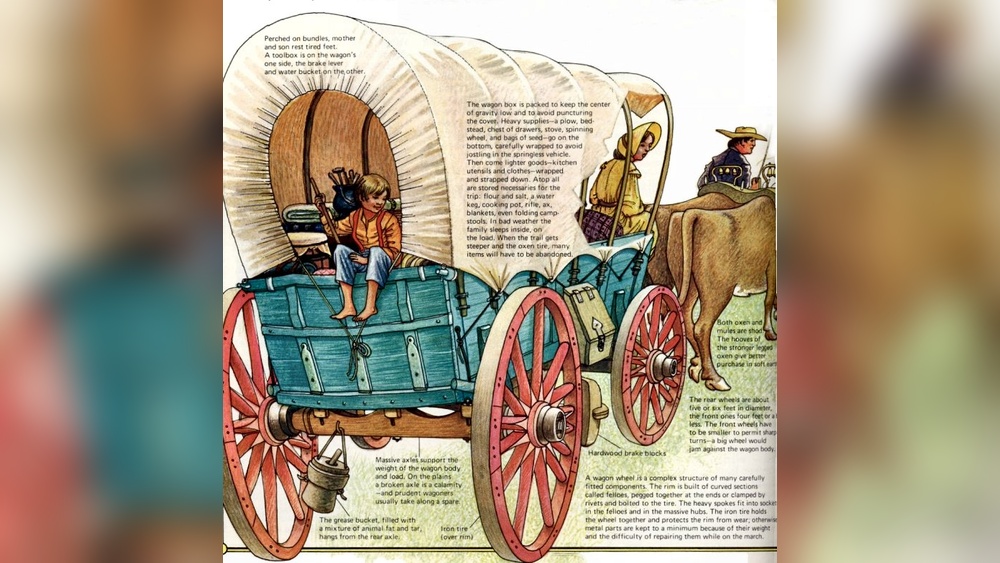
Covered wagon wheels usually have a diameter between 4 to 6 feet. This large size helped the wagon roll over rocks and mud easily. The width of the wheel ranged from 3 to 6 inches. A wider wheel spread the weight, preventing the wagon from sinking in soft ground. The size also balanced strength and weight for easier movement.
Materials And Construction
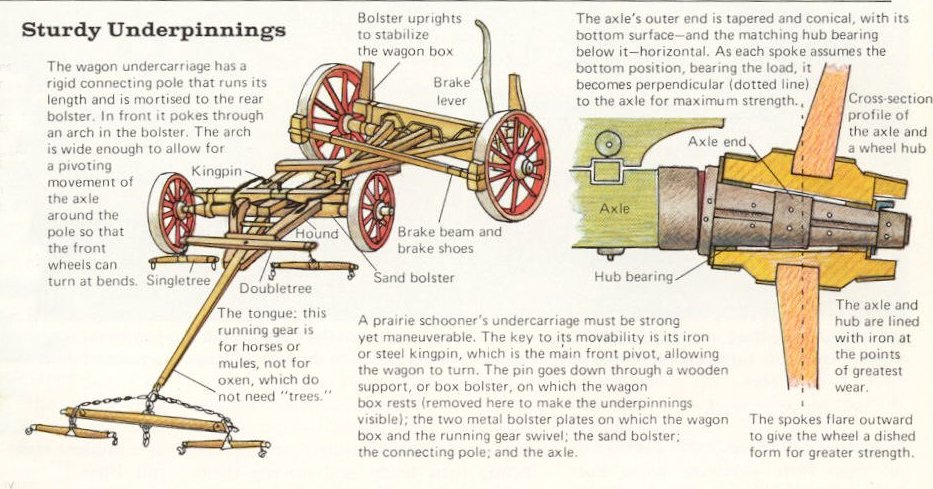
Wheels were made mostly from hardwood like oak or hickory. These woods are strong and resist cracking. The wheel had several parts: the hub, spokes, and rim. The hub was the center, often reinforced with iron. Spokes connected the hub to the rim, giving stability. The rim had an iron band called a tire, protecting the wood from wear. This combination made the wheel sturdy and reliable.
Credit: www.oregonpioneers.com
Historical Size Variations
Covered wagon wheels did not have one standard size. Their sizes changed based on many factors. These wheels needed to fit different terrains and loads. Understanding their historical size variations helps us see their role in travel and trade.
Wagon builders chose wheel sizes carefully. They balanced strength, weight, and ease of use. This led to many size differences across regions and time periods.
Differences Across Regions
Wagon wheels were larger in the American West than in the East. Larger wheels helped cross rough land and deep mud. In Europe, wheels were often smaller because roads were better. Climate also affected wheel size choices. Dry areas needed wide wheels to avoid sinking in sand. Wet areas used narrower wheels to cut through soft ground.
Evolution Over Time
Early covered wagon wheels were smaller and heavier. As technology improved, wheels became lighter and stronger. Wheel sizes grew to carry heavier loads safely. Changes in wood quality and metal rims also affected sizes. By the late 1800s, wheels often measured between 44 and 60 inches in diameter. This size range worked well for most journeys and cargo.
Size Impact On Functionality
The size of a covered wagon wheel plays a crucial role in how well the wagon works. Bigger wheels help the wagon move over rough land. Smaller wheels might make the wagon less stable. The wheel size affects how much weight the wagon can carry. It also changes how the wagon handles different ground types.
Terrain Adaptability
Bigger wheels roll easier over rocks and uneven ground. They can climb small hills without getting stuck. Small wheels might get caught in mud or holes. Large wheels spread the weight better, so the wagon does not sink. This makes travel smoother and safer on rough paths.
Load Capacity
Bigger wheels carry more weight without breaking. They support heavy loads over long trips. Smaller wheels hold less weight and wear out faster. Strong, large wheels help keep the wagon stable. This means the wagon can carry food, tools, and people safely.
Credit: oregontrailcenter.org
Comparing Covered Wagon Wheels To Modern Wheels
Covered wagon wheels and modern wheels serve the same basic purpose. Both help vehicles move smoothly over surfaces. Yet, their size and design show how technology and needs have changed. Comparing these wheels highlights their differences clearly.
Size Differences
Covered wagon wheels are much larger than most modern wheels. They often measure about 4 feet in diameter. This large size helped wagons roll over rough ground. Modern car wheels usually range from 14 to 20 inches. Smaller wheels suit paved roads and faster speeds. The big size of wagon wheels was needed for rough trails.
Design Advancements
Wagon wheels use wood and iron parts. They have spokes to spread the weight. Iron rims protect the wood from wear. Modern wheels use steel or alloy materials. They often include rubber tires for better grip and comfort. Modern designs focus on durability and smooth rides. The shift from wood to metal and rubber shows major progress.
Surprising Facts About Wagon Wheels
Wagon wheels are more interesting than most people think. These wheels carried pioneers across vast lands. Their size and design changed depending on many factors. Some facts about wagon wheels might surprise you. Let’s explore some unusual details about these wheels.
Uncommon Sizes
Most covered wagon wheels measure about 4 feet in diameter. Some wheels, though, were smaller or larger. Smaller wheels helped with lighter loads and narrow paths. Larger wheels were used for rough, uneven roads. Bigger wheels rolled over obstacles more easily. Wheel size could also change by region and purpose. Not all wagon wheels fit the usual size.
Record-breaking Wheels
Some wagon wheels became famous for their huge size. The largest wheels ever made were over 10 feet tall. These massive wheels were built for special wagons or displays. Such wheels could carry very heavy loads. They also showed the skill of old wheelwrights. These record wheels are rare but show how diverse wagon wheels could be.
Frequently Asked Questions
How Big Is A Typical Covered Wagon Wheel?
A typical covered wagon wheel measures about 4 to 5 feet in diameter. This size helped the wagon navigate rough terrains during westward expansion. The wheels were large to provide stability and support heavy loads over uneven ground.
What Materials Were Used For Covered Wagon Wheels?
Covered wagon wheels were primarily made from hardwood, like oak or hickory. The wood provided strength and durability for long journeys. Iron bands, called tires, were fitted around the wheels to protect the wood from wear.
Why Were Covered Wagon Wheels So Large?
Large wheels helped covered wagons cross obstacles like rocks and streams easily. Bigger wheels reduced the impact of bumps and made travel smoother. This design was crucial for the rough trails pioneers faced.
How Wide Were Covered Wagon Wheels?
Covered wagon wheels were typically 4 to 6 inches wide. The width helped distribute weight evenly and prevent sinking into soft ground. This was important for maintaining stability on muddy or sandy trails.
Conclusion
Covered wagon wheels were large and strong to handle rough roads. Most wheels stood about four feet tall, helping wagons move over rocks and mud. Their size made travel easier and safer for pioneers. Understanding their size gives us a glimpse into old travel challenges.
These wheels played a key role in history and adventure. Now, we appreciate how important their design was for long journeys.


