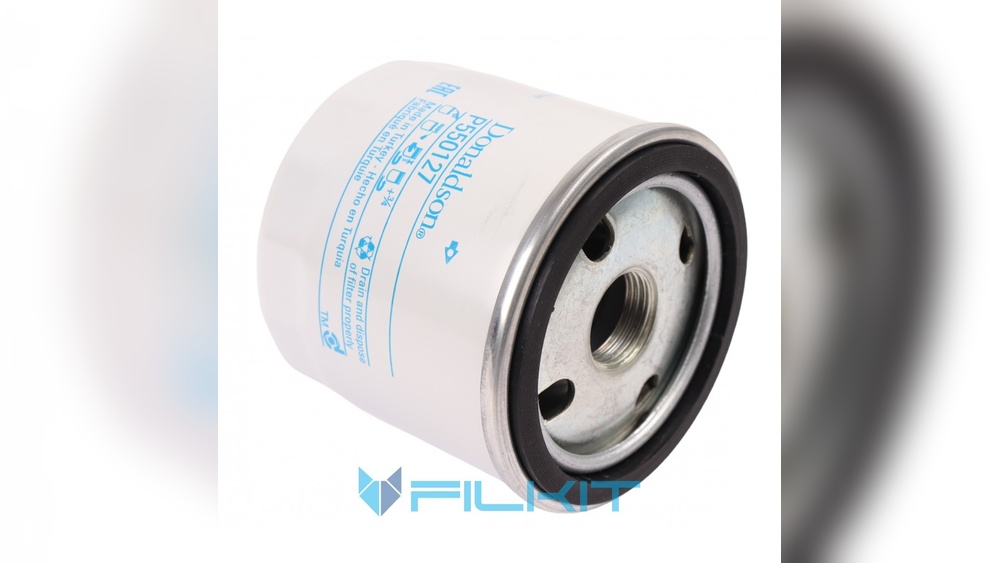
You might not think about your fuel filter often, but it plays a crucial role in keeping your engine running smoothly. If your fuel filter gets clogged, your car can lose power, stall, or even suffer costly damage.
So, how often should you replace a fuel filter to avoid these problems? Knowing the right timing can save you money, prevent breakdowns, and keep your ride reliable. Keep reading to discover the simple steps you can take to protect your vehicle and keep it performing at its best.
Credit: bostechauto.com
Role Of A Fuel Filter
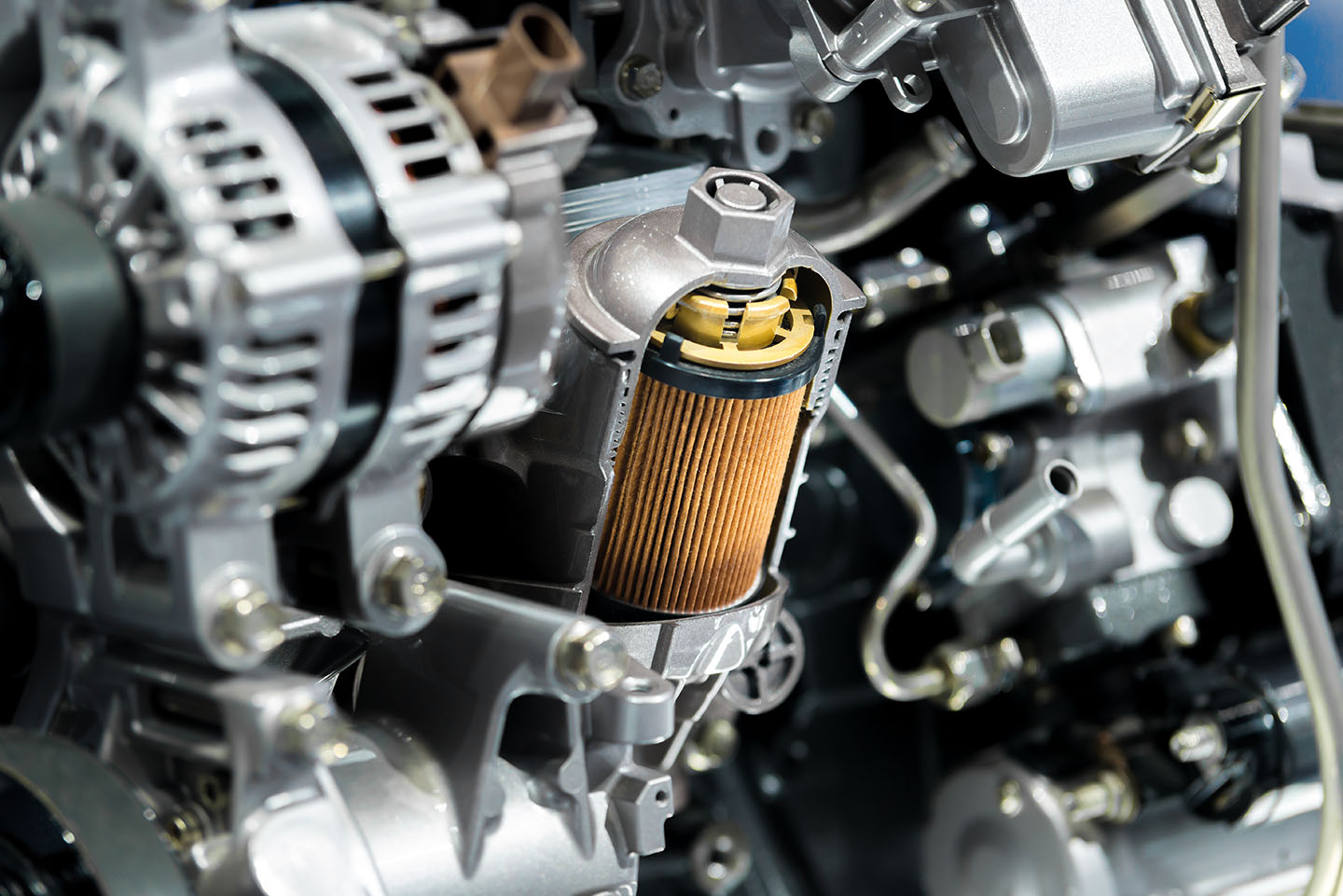
The fuel filter plays a key role in your vehicle’s fuel system. It keeps the fuel clean by trapping dirt and debris. Clean fuel helps the engine run smoothly and lasts longer. A clogged filter can cause many problems. Understanding its role helps you know why replacement matters.
Fuel Filter Function
The fuel filter stops dust, rust, and other particles from reaching the engine. Fuel flows through the filter before entering the engine. The filter catches harmful debris that can cause damage. This keeps the fuel system safe and prevents engine wear. Without a filter, dirt can block fuel injectors and reduce engine life.
Impact On Engine Performance
A clean fuel filter helps the engine get a steady fuel flow. This means better power and smoother running. A dirty filter limits fuel flow and makes the engine work harder. You may notice poor acceleration or rough idling. Fuel efficiency drops because the engine burns more fuel. Replacing the fuel filter keeps the engine healthy and saves fuel.
Credit: www.waynesautocenter.com
Signs Of A Clogged Fuel Filter
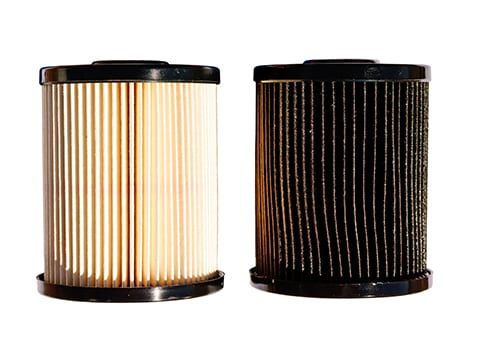
A clogged fuel filter can cause many problems for your car. It stops fuel from flowing freely to the engine. This can hurt your car’s performance and cause damage over time. Watch for signs that the fuel filter needs changing. Catching problems early saves money and keeps your car running smoothly.
Engine Stalling And Hesitation
The engine may stall or hesitate during driving. This happens because the fuel supply is blocked. Your car may struggle to accelerate or jerk unexpectedly. These symptoms often show when the filter is very dirty. The engine does not get enough fuel to run well.
Reduced Fuel Efficiency
A clogged fuel filter reduces fuel flow. Your car uses more fuel to keep running. You notice that your mileage drops quickly. Filling the tank feels less effective than before. This sign means the engine works harder than usual.
Starting Problems
Starting the car becomes difficult or slow. The fuel cannot reach the engine easily. You may need to turn the key several times. Sometimes, the engine may not start at all. This problem often points to a blocked fuel filter.
Recommended Replacement Intervals
Knowing how often to replace your fuel filter helps keep your engine running smoothly. The replacement interval depends on different factors. Follow the recommended schedules to avoid engine problems. This section explains the main guidelines for fuel filter replacement.
Manufacturer Guidelines
Check your vehicle’s manual for specific advice. Manufacturers give clear instructions based on the car’s model. These guidelines ensure the fuel system stays clean and efficient. Ignoring them may cause fuel flow issues and engine damage.
Typical Mileage And Time Frames
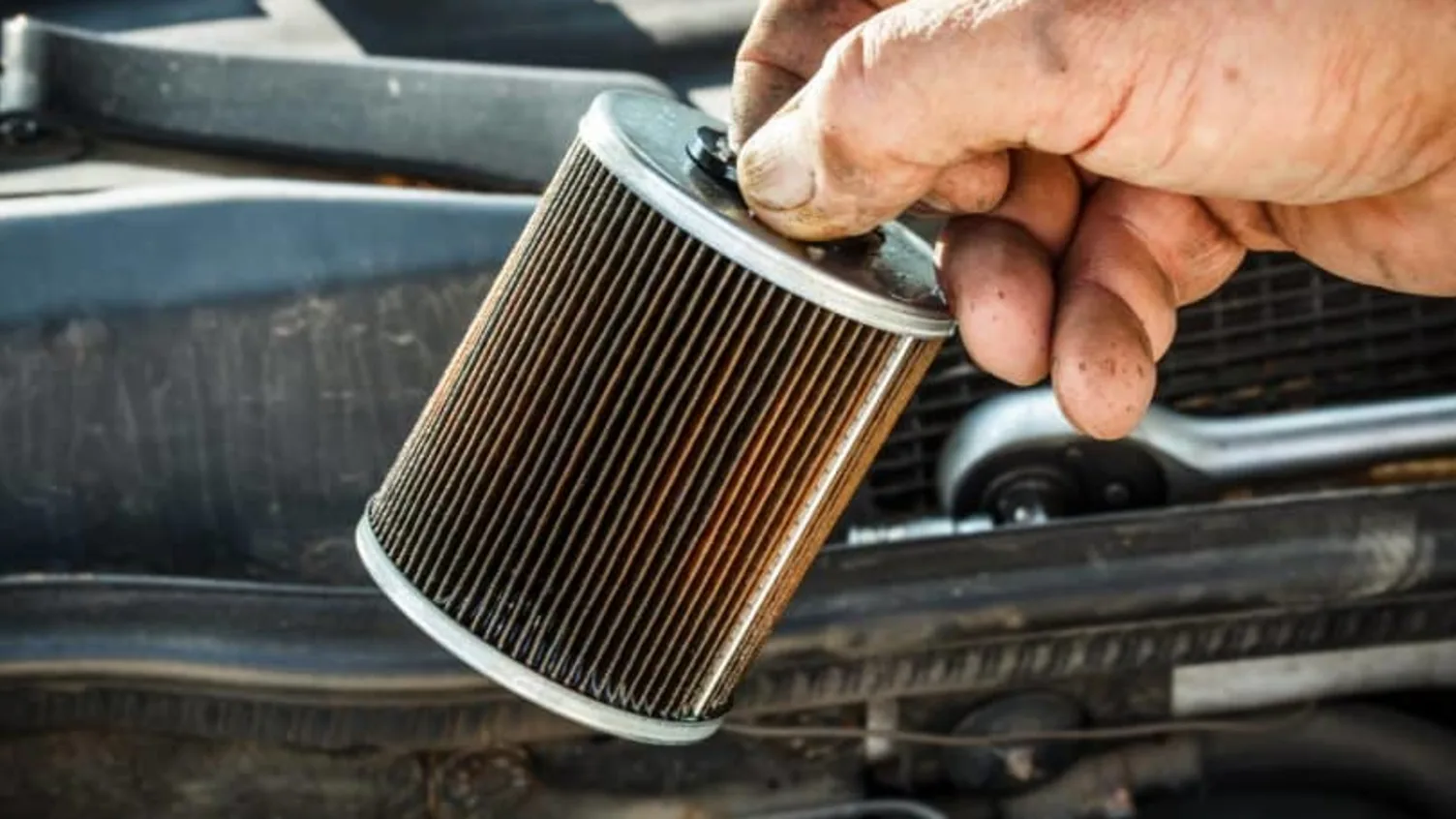
Most fuel filters need changing between 20,000 and 40,000 miles. Some models recommend replacement every 2 years, even with low mileage. Driving in dusty or harsh conditions may require more frequent changes. Regular checks can help spot when a filter is clogged.
Credit: www.bigboxcars.com.au
Factors Affecting Replacement Frequency
The frequency of replacing a fuel filter depends on several important factors. These factors affect how fast the filter gets dirty or clogged. Knowing them helps keep your vehicle running smoothly and avoids engine problems.
Driving Conditions
Driving in dusty or dirty areas clogs the fuel filter faster. Stop-and-go traffic can also increase filter wear. Long highway drives cause less strain on the filter. Harsh conditions need more frequent filter changes.
Fuel Quality
Poor fuel quality contains more dirt and impurities. This dirt blocks the fuel filter quickly. Using high-quality fuel helps the filter last longer. Always check the fuel source to protect the filter.
Vehicle Age And Model
Older vehicles may need filter changes more often. Some car models have larger or better filters. Newer cars often use fuel filters that last longer. Check your vehicle manual for specific recommendations.
Diy Vs Professional Replacement
Deciding between doing a fuel filter replacement yourself or hiring a professional depends on many factors. Your comfort with car maintenance plays a big role. Some find the task simple and rewarding. Others prefer safety and accuracy from experts. Understanding what each option requires helps make a clear choice.
Tools Needed For Diy
To replace a fuel filter, basic tools are required. A wrench set is needed to loosen bolts. Safety gloves protect your hands from fuel. A container catches fuel that may spill. New fuel filter matching your vehicle model is essential. Rags help clean any mess. Always work in a well-ventilated area to avoid fumes.
When To Seek Professional Help
If you notice fuel leaks or engine problems, see a mechanic. Complex fuel systems require special tools and skills. Professionals can handle tight spaces and stubborn parts. They also dispose of fuel safely. Avoid risks if unsure about steps or tools. Trust experts to ensure proper replacement and avoid damage.
Consequences Of Neglecting Fuel Filter Maintenance
Neglecting fuel filter maintenance can lead to serious problems for your vehicle. The fuel filter stops dirt and rust from entering the engine. A clogged or dirty filter can reduce fuel flow and cause engine issues. Understanding the consequences helps you avoid costly repairs and keep your car running smoothly.
Engine Damage Risks
A blocked fuel filter makes the engine work harder. Dirt and debris can reach the engine, causing wear. This can lead to poor engine performance and even engine failure. Fuel injectors may get clogged, causing rough idling or stalling. Over time, ignoring the fuel filter can cause permanent engine damage.
Increased Repair Costs
Delaying fuel filter replacement can lead to expensive repairs. Engine problems caused by dirty fuel can damage other parts. Fixing a damaged engine costs much more than changing a filter. Regular maintenance saves money by preventing complex repairs. Clean fuel filters protect your engine and your wallet.
Additional Fuel System Maintenance Tips
Maintaining your fuel system keeps your engine running smoothly and saves money. Besides replacing the fuel filter, a few simple steps help prevent fuel issues. These tips improve fuel flow and engine performance over time.
Cleaning Fuel Injectors
Fuel injectors spray fuel into the engine. Dirt and deposits can clog them. Clogged injectors reduce fuel efficiency and cause rough idling. Use a fuel injector cleaner every 20,000 miles. It removes buildup and keeps injectors working well. You can add cleaner to your gas tank easily. Regular cleaning helps your engine run cleaner and stronger.
Using Fuel Additives
Fuel additives boost fuel quality and protect your system. Some additives clean the fuel lines and tank. Others prevent rust and corrosion inside the system. Use additives designed for your vehicle type. Follow the instructions on the label carefully. Adding fuel additives every few months keeps your fuel system healthy. It also helps prevent costly repairs later.
Frequently Asked Questions
How Often Should I Replace My Car’s Fuel Filter?
Fuel filters should typically be replaced every 20,000 to 40,000 miles. Check your vehicle’s manual for exact intervals. Regular replacement ensures optimal engine performance and prevents fuel system damage.
What Are Signs Of A Clogged Fuel Filter?
Symptoms include engine misfires, reduced power, stalling, and difficulty starting. Poor fuel flow causes these issues. If you notice these signs, inspect and replace the fuel filter promptly.
Can I Replace The Fuel Filter Myself?
Yes, many fuel filters are user-replaceable with basic tools. However, some vehicles require professional help due to fuel system complexity. Always follow safety precautions when working with fuel components.
Does A Dirty Fuel Filter Affect Fuel Efficiency?
Yes, a clogged fuel filter restricts fuel flow, causing the engine to work harder. This results in decreased fuel efficiency and higher fuel consumption. Regular filter changes help maintain mileage.
Conclusion
Replacing your fuel filter regularly keeps your engine running smooth. Clogged filters reduce fuel flow and lower car performance. Check your owner’s manual for the right replacement schedule. Signs like rough idling or poor acceleration mean it’s time to change.
Clean fuel filters protect your engine and save money on repairs. Keep an eye on your fuel filter to avoid unexpected problems. Routine maintenance helps your vehicle last longer and run better. Don’t wait until issues appear—stay ahead with timely fuel filter changes.