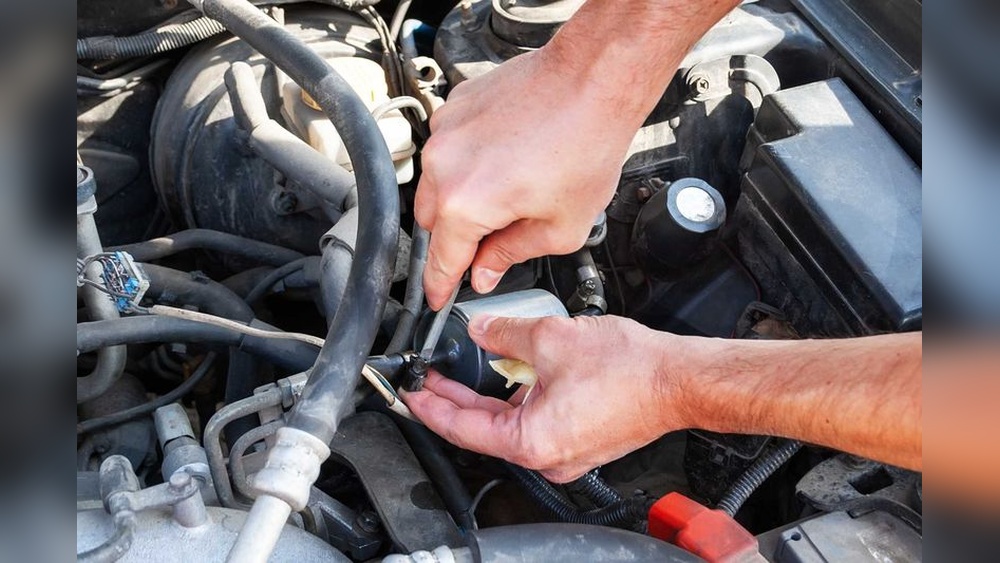
You might not think about your fuel filter very often, but it plays a crucial role in keeping your engine running smoothly. Ignoring it can lead to serious problems that cost you time and money.
So, how often should you replace your fuel filter? Knowing the answer can save you from unexpected breakdowns and improve your car’s performance. Keep reading to find out exactly when and why replacing your fuel filter matters for your vehicle’s health.
Role Of A Fuel Filter
The fuel filter plays a key role in your vehicle’s fuel system. It cleans the fuel before it reaches the engine. This helps the engine run smoothly and last longer. Without a good fuel filter, dirt and rust can clog the fuel system. This may cause poor engine performance or damage.
Purpose In Fuel System
The fuel filter stops dirt, dust, and debris from entering the engine. It protects fuel injectors and carburetors from clogging. Clean fuel means better combustion and less wear on engine parts. The filter also helps keep fuel pumps working well. A dirty filter can reduce fuel flow and lower engine power. Regular filter maintenance keeps the fuel system healthy.
Common Types Of Fuel Filters
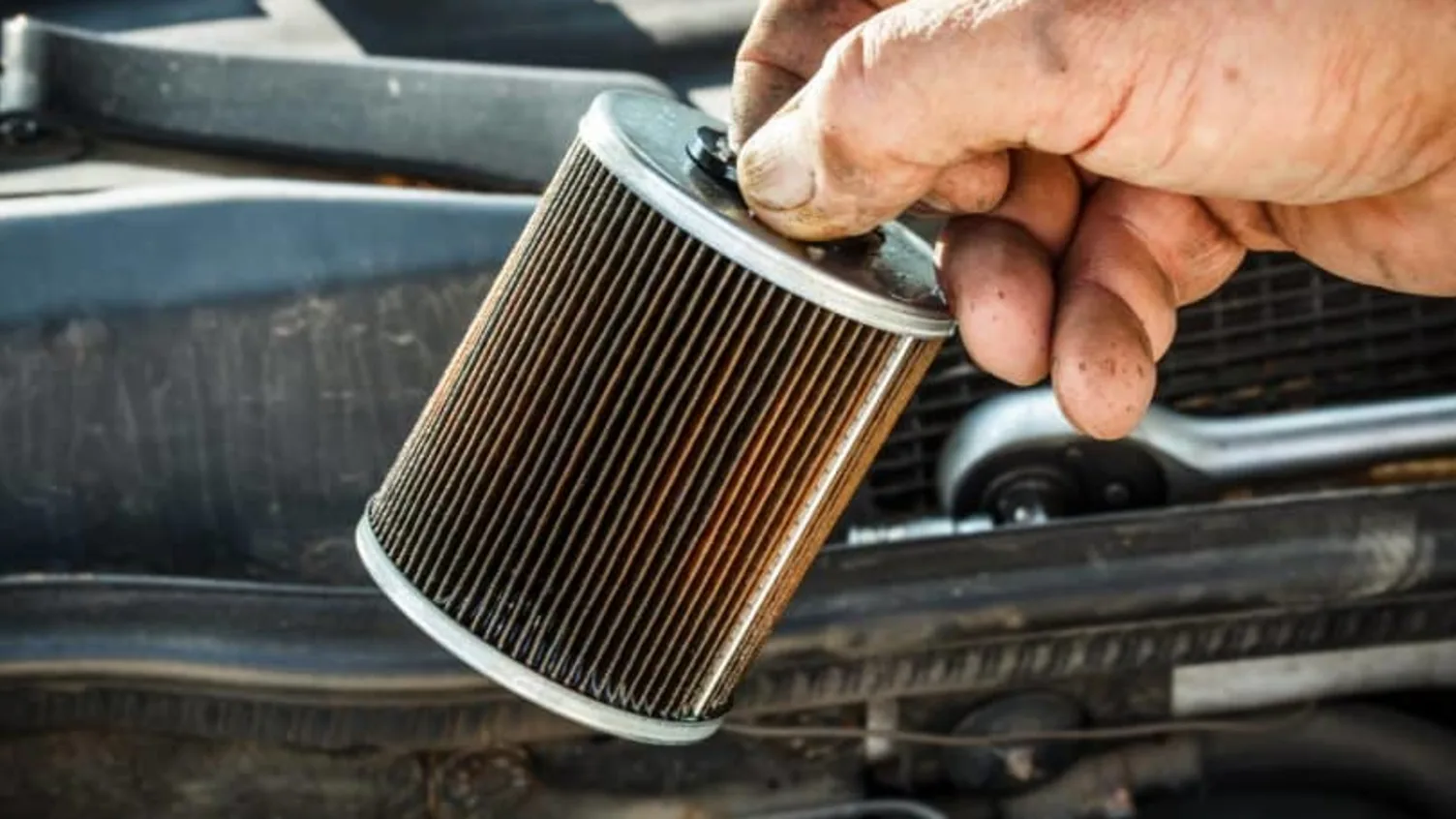
There are several fuel filter types for different vehicles. The most common are inline filters and canister filters. Inline filters sit along the fuel line and are easy to replace. Canister filters are larger and often found in diesel engines. Some cars have fuel filters inside the fuel tank. Each type removes impurities to protect the engine. Choosing the right filter keeps your car running well.
Credit: www.bigboxcars.com.au
Signs Of A Failing Fuel Filter
A fuel filter cleans dirt and rust from the fuel before it reaches the engine. Over time, the filter can get clogged. This causes problems that affect your car’s performance. Recognizing signs of a failing fuel filter helps you replace it on time. This keeps your engine running smoothly and avoids costly repairs.
Engine Performance Issues
A clogged fuel filter reduces fuel flow to the engine. This causes the engine to run rough or stall. You might notice a loss of power when driving uphill or carrying heavy loads. The engine may hesitate or sputter during acceleration. These issues mean the fuel filter is blocking fuel flow.
Fuel Efficiency Drop
A dirty fuel filter makes the engine work harder. This lowers fuel efficiency and increases gas consumption. You may notice you need to fill up the tank more often. A drop in miles per gallon is a common sign of a bad fuel filter. Fixing it restores your car’s fuel economy.
Starting Problems
A blocked fuel filter can stop the engine from starting. The engine may crank but fail to start. This happens because not enough fuel reaches the engine. You might also experience long cranking times before the engine fires up. These starting problems suggest the fuel filter needs replacement.
Recommended Replacement Intervals
Knowing the right time to replace your fuel filter helps keep your vehicle running smoothly. The recommended replacement intervals can vary. These intervals depend on several key factors. Understanding these will help you maintain your car better.
Manufacturer Guidelines
Vehicle makers provide specific advice on fuel filter replacement. Check your owner’s manual for exact details. Most manufacturers suggest changing the fuel filter every 20,000 to 40,000 miles. Some newer cars may have longer intervals. Following these guidelines helps avoid engine problems. Sticking to the schedule keeps fuel flowing cleanly.
Factors Affecting Replacement Frequency
Driving conditions impact how often to replace the fuel filter. Dusty or dirty environments clog filters faster. Frequent short trips can cause fuel buildup. Using low-quality fuel also affects filter life. Older cars usually need more frequent changes. Pay attention to signs like engine hesitation. Adjust replacement based on your driving habits and conditions.
Effects Of Neglecting Replacement
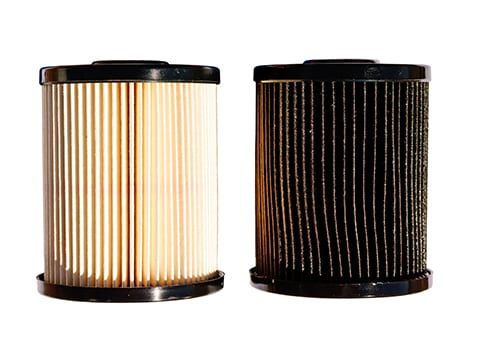
Neglecting to replace your fuel filter can cause many problems. The fuel filter cleans dirt and rust from the fuel. Over time, it gets clogged and stops working well. This can harm your car’s engine and fuel system.
Engine Damage Risks
A dirty fuel filter can stop fuel flow to the engine. The engine may run rough or stall often. Lack of clean fuel can cause engine parts to wear out fast. Repairing engine damage is costly and takes time. Protect your engine by changing the fuel filter regularly.
Fuel System Contamination
A clogged fuel filter lets dirt build up in the fuel system. This dirt can block fuel injectors and pumps. Fuel pumps work harder and may break early. Contaminants reduce fuel efficiency and increase emissions. Clean fuel means a healthy fuel system and better performance.
How To Replace A Fuel Filter
Replacing a fuel filter is a key task to keep your vehicle running smoothly. This part stops dirt and rust from reaching the engine. Changing it regularly helps avoid engine problems and keeps fuel flow steady.
Follow the steps below to replace your fuel filter safely and correctly. You do not need special skills, just some basic tools and care.
Tools Needed
- New fuel filter compatible with your vehicle
- Wrenches or socket set
- Screwdrivers
- Container to catch fuel
- Rags or paper towels
- Safety glasses and gloves
- Jack and stands (if needed for access)
Step-by-step Replacement Process
- Locate the fuel filter. It is usually near the fuel tank or engine.
- Relieve fuel system pressure. This reduces fuel spray.
- Place a container under the filter to catch fuel.
- Loosen the fuel lines connected to the filter. Use wrenches carefully.
- Remove the old filter from its bracket.
- Install the new filter. Check the flow direction arrow.
- Reconnect the fuel lines securely to the new filter.
- Double-check all connections for tightness.
- Start the engine and check for leaks.
Safety Precautions
- Work in a well-ventilated area to avoid fumes.
- Wear safety glasses and gloves to protect yourself.
- Keep away from open flames or sparks during work.
- Use a container to catch any fuel spills.
- Dispose of the old filter and fuel properly.
- Follow your vehicle manual for specific instructions.
Credit: www.waynesautocenter.com
Tips For Maintaining Fuel Filter Health
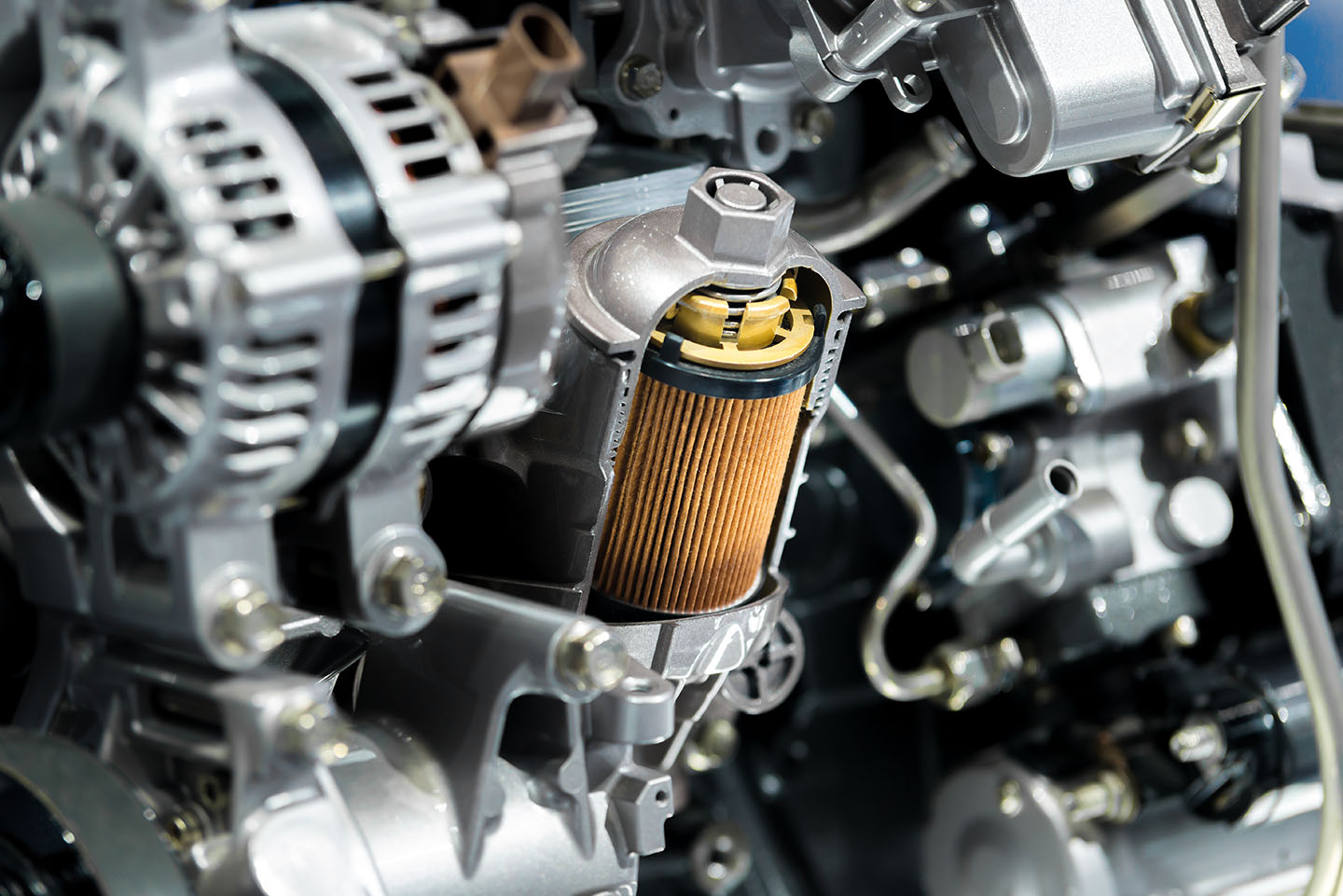
Maintaining the health of your fuel filter helps your vehicle run smoothly. Clean fuel filters stop dirt and debris from reaching the engine. This keeps the engine safe and improves fuel efficiency. Simple habits can extend the life of your fuel filter. Follow these tips to keep your fuel filter in good shape.
Using Quality Fuel
Choose clean, high-quality fuel for your vehicle. Low-quality fuel often contains more dirt and impurities. These particles can clog the fuel filter faster. Using good fuel reduces the chance of damage to the fuel filter. It also helps your engine work better and last longer.
Regular Vehicle Inspections
Check your vehicle regularly to spot fuel filter problems early. Look for signs like rough idling or poor acceleration. These can mean the fuel filter is dirty or clogged. Ask a mechanic to inspect the fuel filter during routine services. Early checks can prevent costly repairs later. Keep your vehicle’s fuel system clean and healthy with regular care.
Credit: bostechauto.com
Frequently Asked Questions
How Often Should I Replace My Fuel Filter?
Fuel filters typically need replacement every 20,000 to 40,000 miles. Check your vehicle’s manual for exact intervals. Regular changes ensure clean fuel flow and prevent engine issues.
What Are Signs Of A Clogged Fuel Filter?
Common signs include engine misfires, stalling, poor acceleration, and reduced fuel efficiency. If you notice these, inspect or replace the fuel filter promptly to avoid damage.
Can I Replace The Fuel Filter Myself?
Yes, with basic tools and knowledge, you can replace the fuel filter. However, always follow safety precautions and consult your vehicle’s manual before starting.
Does A Dirty Fuel Filter Affect Fuel Economy?
Yes, a clogged fuel filter restricts fuel flow, causing the engine to work harder. This reduces fuel efficiency and increases fuel consumption.
Conclusion
Replacing your fuel filter keeps your engine clean and running well. Check your car manual for the recommended schedule. Dirty fuel filters can cause poor performance and damage. Regular changes help avoid costly repairs. Watch for signs like engine misfires or poor fuel economy.
Staying on top of this small task saves time and money. Keep your vehicle healthy with timely fuel filter replacement. Simple steps like this make a big difference. Don’t wait for problems to show up—act early. Your car will thank you with smooth rides and less trouble.