

You want your new car to look shiny and fresh for as long as possible. But how often should you wax it to keep that showroom shine?
Waxing too little might leave your paint unprotected, while waxing too often could be a waste of time and money. You’ll discover the perfect waxing routine that fits your car’s needs and your busy schedule. Keep reading to learn how to make your new car’s finish last longer and turn heads wherever you go.
Credit: www.chipsaway.co.uk
Benefits Of Waxing A New Car
Waxing a new car brings many benefits that keep it looking fresh and protected. It helps maintain the car’s beauty and extends the life of its paint. Regular waxing also makes cleaning easier and keeps the car shining longer. Below are some key benefits of waxing a new car.
Protecting The Paint
Wax forms a strong barrier over the paint. It guards against harmful UV rays that cause fading. Dust, dirt, and pollution also harm the paint, but wax blocks these elements. Small scratches become less visible with a good wax layer. This protection keeps the car’s surface smooth and intact.
Enhancing Shine
Wax adds a deep, glossy shine to the car. It highlights the color and gives the paint a fresh look. A shiny car looks clean and well-cared-for. Wax fills tiny imperfections on the surface, making it smooth and reflective. This shine lasts longer with regular waxing.
Repelling Dirt And Water
Wax causes water and dirt to slide off easily. This reduces water spots and grime buildup. The car stays cleaner for more time after waxing. It also makes washing simpler and faster. Water beads on the surface, carrying dirt away and protecting the paint.
Ideal Waxing Frequency For New Cars
Keeping a new car looking fresh means protecting its paint. Waxing plays a key role in this. Knowing how often to wax your new car helps keep it shiny and safe. It also saves time and effort in the long run.
Waxing frequency depends on several things. Not every car needs the same care. Let’s explore what affects your waxing schedule, how often to wax, and how seasons change the needs.
Factors Affecting Waxing Schedule
The type of wax used changes how long protection lasts. Some waxes last longer than others. Environment also matters. Cars in sunny places need waxing more often. Rain and snow can wear off wax faster. How often you drive your car counts too. More driving means more dirt and damage. Garage parking helps wax last longer. The color of the car paint plays a role. Dark colors show damage quicker, needing more care.
Recommended Waxing Intervals
Most experts suggest waxing a new car every three months. This keeps the paint shield strong. Some synthetic waxes can last up to six months. Natural waxes might only last four to six weeks. Check your wax label for exact times. If your car looks dull or water stops beading, it’s time to wax. Regular waxing keeps paint smooth and clean.
Seasonal Considerations
Summer sun can fade and damage paint quickly. Wax more often in hot months to protect the finish. Winter brings salt and grime that can harm paint. Clean and wax your car before winter starts. Spring rains wash away wax, so check your car then. Fall is a good time to wax before harsh winter weather. Adjust waxing based on your local climate and weather changes.
Types Of Car Wax
Choosing the right car wax helps keep your new car shiny and protected. Different wax types suit various needs and preferences. Understanding the main wax types makes waxing easier.
This section explains natural and synthetic waxes, forms like liquid and paste, and tips for picking the best wax for your car.
Natural Vs Synthetic Waxes
Natural waxes come from carnauba, a plant wax. They give a deep, warm shine and protect paint well. Natural wax wears off faster and needs more frequent reapplication.
Synthetic waxes are man-made chemicals. They last longer and resist dirt and water better. Synthetic waxes can give a slick, glossy finish but may lack natural warmth in shine.
Liquid, Paste, And Spray Options
Liquid wax is easy to apply and spread evenly. It dries quickly and suits most car types. Paste wax offers thicker protection but takes more time to apply and buff.
Spray wax is fastest and best for touch-ups. It provides light protection and shine but does not last as long as liquid or paste waxes.
Choosing The Right Wax For Your Car
Consider your car’s color, age, and how often you wax. Darker cars benefit from natural wax for deeper shine. New cars may need softer wax to avoid damage.
For busy schedules, synthetic liquid wax can save time and last longer. Test a small area first to see how your car reacts to the wax.
Credit: ethoscarcare.com
Preparing Your Car For Waxing
Preparing your car for waxing is an important step. It helps the wax stick better and last longer. The paint must be clean and smooth before applying wax. This process protects your car and gives it a shiny look.
Washing And Drying
Start by washing your car with a gentle car shampoo. Use a soft sponge or cloth to avoid scratches. Rinse the car well to remove all soap. Dry the surface with a clean microfiber towel. Drying prevents water spots on the paint.
Removing Surface Contaminants
Check for any dirt or particles left on the paint. Bugs, tar, and tree sap can stay after washing. Use a special cleaner or degreaser to remove these. This step ensures the surface is clean for waxing.
Clay Bar Treatment
A clay bar removes tiny contaminants stuck in the paint. Gently rub the clay over a lubricated surface. This process makes the paint very smooth. It helps the wax to bond better and protects the paint.
Waxing Techniques For Best Results
Waxing a new car protects its paint and keeps it shiny. Using the right techniques helps get the best results. Careful application and proper buffing make the wax last longer. Avoiding common mistakes saves time and effort. Follow simple steps to keep your car looking great.
Applying Wax Evenly
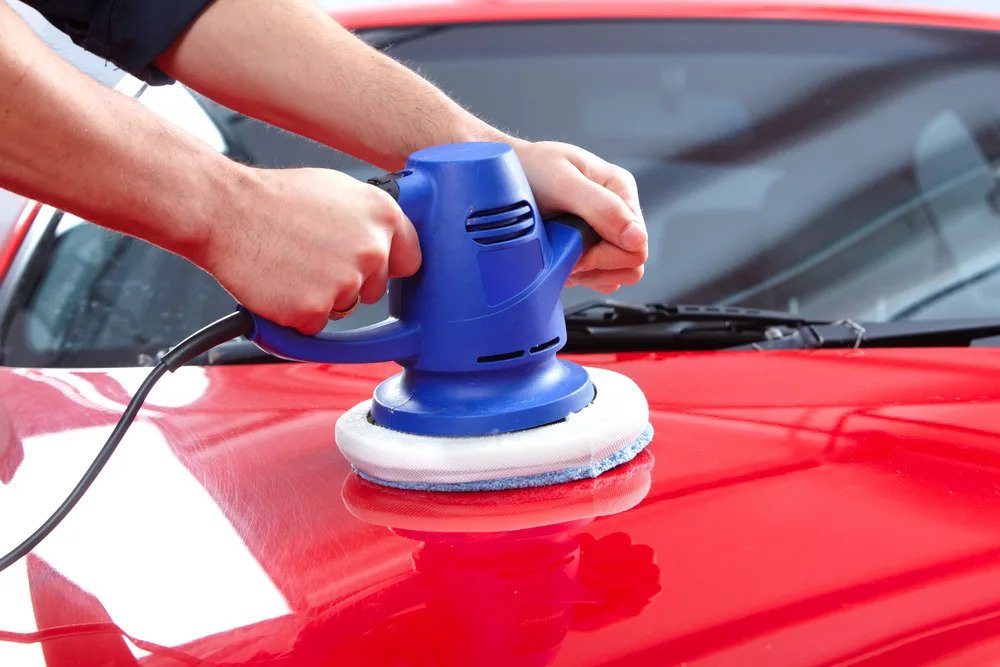
Start with a clean, dry car surface. Use a soft applicator pad to spread wax. Apply thin, even layers in small sections. Use circular motions for better coverage. Avoid thick coats; they take longer to dry. Let the wax haze slightly before buffing.
Buffing To A Shine
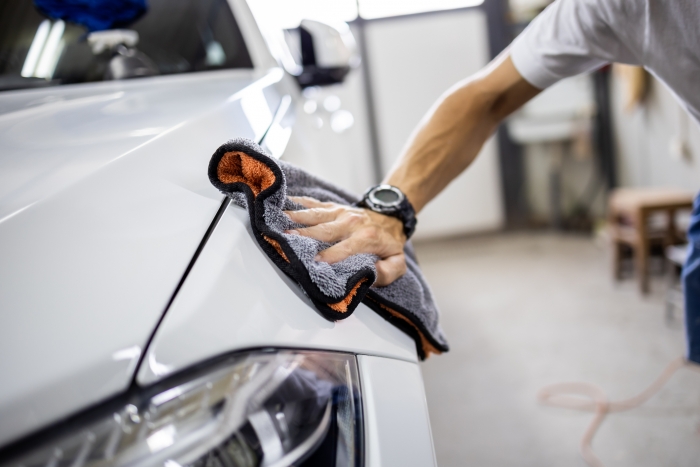
Use a clean, soft microfiber cloth for buffing. Buff in gentle, circular motions to remove wax residue. Work quickly before the wax fully hardens. Keep cloth sections clean to avoid scratches. Buff until the surface shines and feels smooth.
Common Waxing Mistakes To Avoid
Do not wax in direct sunlight; it causes streaks. Avoid rushing the process; wax needs time to set. Never use dirty cloths; they can scratch paint. Do not apply wax on a wet or dusty car. Skip waxing if the paint is damaged or peeling.
Maintaining Wax Protection Between Applications
Maintaining wax protection on a new car keeps its shine and shields the paint. Wax does not last forever. Dirt, rain, and sun wear it down over time. Taking simple steps between wax jobs helps the wax last longer. These steps keep the car looking fresh and protected.
Regular Washing Tips
Wash the car often to remove dirt and dust. Use a soft sponge or microfiber cloth. Avoid using rough brushes that can scratch the wax layer. Rinse the car with clean water before washing. This removes loose dirt and stops scratches. Dry the car with a soft towel. Do not let water spots stay on the paint. Clean cars help wax work better.
Using Quick Detailers
Quick detailers add a light layer of protection. They refresh wax and enhance shine. Spray a small amount on the car’s surface. Wipe gently with a microfiber cloth. Use quick detailers between washes for extra care. They help keep wax strong until the next full wax.
Avoiding Harsh Chemicals
Harsh chemicals can damage wax and paint. Stay away from strong detergents or cleaners with acids. Use car-specific soaps and gentle cleaners only. Read labels to check ingredients. Protecting wax means choosing the right products. This keeps the car’s surface smooth and safe.
Signs Your Car Needs Waxing
Knowing when to wax your new car keeps it looking fresh and protected. Wax acts like a shield against dirt, sun, and rain. Watch your car closely for signs it needs waxing again. These signs help you keep the paint shiny and safe.
Dull Or Faded Appearance
Your car’s paint loses shine over time. A dull or faded look means the wax layer has worn off. Wax keeps colors bright and glossy. If the surface looks flat or lifeless, it’s time to wax.
Water Spotting
Water spots appear when rain or water dries on your car. Wax helps water slide off quickly. If water leaves hard spots or stains, the wax has worn away. This means your car needs a fresh wax coat.
Reduced Water Beading
Water should bead up and roll off the car’s surface. Beads are small drops that show wax is active. When water spreads out flat, the wax protection is weak. This is a clear sign to apply wax again.

Credit: lambencydetailing.com
Professional Waxing Vs Diy
Deciding between professional waxing and doing it yourself can affect your car’s shine and protection. Both options have strong points. Understanding their differences helps you pick the best way to care for your new car.
Cost And Convenience
DIY waxing usually costs less. You only need to buy wax and some basic tools. You can wax your car anytime at home. It saves time on travel and appointments. Professional waxing costs more because of labor and quality products. You must book an appointment and travel to the shop. But the process is quick and effortless for you.
Quality Of Finish
Professionals use high-grade wax and special equipment. They can reach tough spots and apply wax evenly. This leads to a smoother, longer-lasting finish. DIY waxing depends on your skill and tools. Mistakes can cause streaks or missed areas. But with practice, you can get good results and keep your car shiny.
When To Choose Professionals
Choose professionals if you want top-quality results fast. It’s best for brand-new cars or after repairs. Professionals protect your paint with expert care. Also, pick them if you lack time or tools. DIY suits those who enjoy hands-on car care and want to save money. Assess your needs and skills before deciding.
Frequently Asked Questions
How Often Should I Wax A Brand New Car?
You should wax a new car every three months. Waxing protects the paint and maintains shine. Regular waxing also repels dirt and water, keeping the car cleaner longer.
Can Waxing A New Car Prevent Paint Damage?
Yes, waxing a new car forms a protective layer. It shields the paint from UV rays, dirt, and contaminants. This helps prevent fading, oxidation, and minor scratches.
Is It Necessary To Wax A New Car Immediately?
Waxing immediately isn’t required. Wait about 30 days after purchase for the paint to cure fully. Then, apply wax to maximize protection and shine.
How Does Waxing Benefit A New Car’s Appearance?
Waxing enhances gloss and depth of the paint. It smooths the surface, making dirt removal easier. Wax also adds a hydrophobic effect, causing water to bead and roll off.
Conclusion
Waxing a new car keeps its shine fresh and protects the paint. A good rule is to wax every three months. This helps guard against dirt, sun, and rain damage. Regular waxing also makes washing easier and keeps the car looking new longer.
Remember, too much waxing can cause buildup, so don’t overdo it. Keep your car’s finish smooth and bright with simple, steady care. Your car will thank you with a lasting, glossy look.


