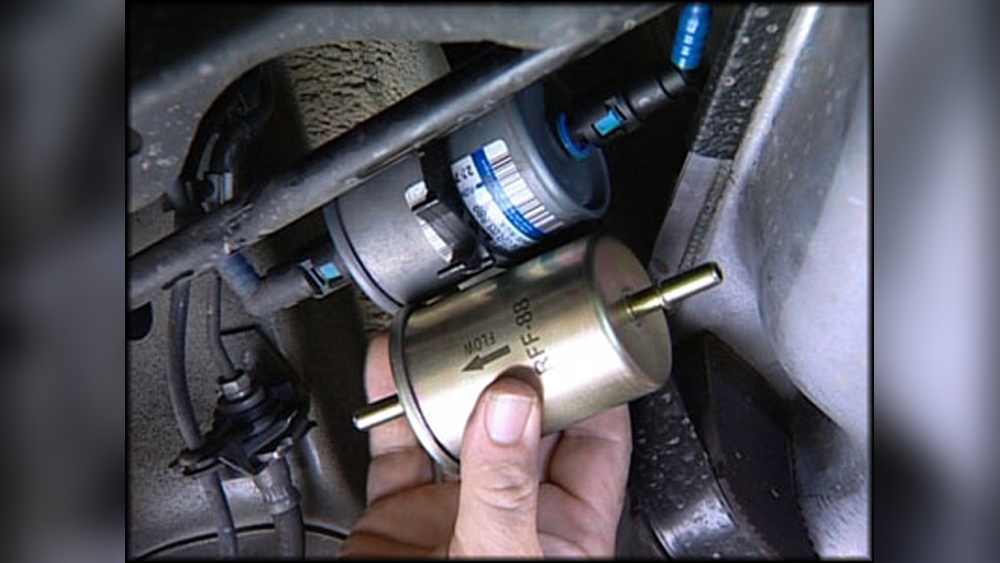
If you drive a diesel vehicle, you might wonder how often you should change your diesel fuel filter. This small part plays a big role in keeping your engine running smoothly.
Ignoring it can lead to poor performance, costly repairs, or even engine failure. You’ll discover exactly when and why changing your diesel fuel filter matters. Keep reading to protect your vehicle and save money in the long run.
Role Of Diesel Fuel Filters
Diesel fuel filters play a key role in keeping your engine healthy. They clean the fuel before it reaches the engine parts. This helps the engine run smoothly and last longer. Understanding their role helps you see why regular changes matter.
Fuel filters stop dirt and water from entering the engine. Over time, these filters get clogged and work less effectively. Changing them at the right time keeps your diesel engine in good shape.
Preventing Contaminants
Diesel fuel often contains dirt, rust, and water. These contaminants can harm the engine. The fuel filter catches these harmful particles. It acts as a barrier, stopping them from passing through. Clean fuel means better engine performance and less damage.
Protecting Engine Components
Engine parts are sensitive and can wear out quickly. Contaminants in fuel cause corrosion and blockages. The filter protects parts like injectors and pumps. Clean fuel keeps these parts working well. This protection reduces repair costs and engine failures.
Signs Of A Clogged Fuel Filter
A clogged diesel fuel filter can cause many problems for your vehicle. It blocks the flow of fuel to the engine. This leads to poor engine performance and other issues. Recognizing the signs early helps avoid costly repairs and keeps your engine running smoothly.
Engine Performance Issues
The engine may run rough or lose power. You might notice hesitation when accelerating. The vehicle could stall or struggle to maintain speed. These happen because the engine does not get enough clean fuel.
Increased Fuel Consumption
A blocked fuel filter forces the engine to work harder. This uses more fuel than normal. You may see a drop in miles per gallon. Fuel economy drops without any other obvious cause.
Starting Problems
The engine may take longer to start or fail to start. This happens because fuel flow is limited. Hard starting is a clear sign the fuel filter needs checking. Ignoring this can leave you stranded.
Factors Affecting Replacement Frequency
Knowing how often to change your diesel fuel filter depends on several key factors. These factors can affect how quickly the filter gets dirty and stops working well. Understanding them helps keep your engine running smoothly and avoids damage.
Type Of Diesel Engine
Different diesel engines have different fuel system designs. Some engines need cleaner fuel than others. High-performance engines often require more frequent filter changes. Older engines may tolerate dirtier fuel but still need regular checks. Always follow the engine manufacturer’s recommendations for filter replacement.
Fuel Quality
Fuel quality greatly affects filter life. Low-quality or contaminated diesel clogs filters faster. Water, dirt, and debris in fuel cause blockages. Using clean, high-grade diesel helps extend filter life. Regularly check for signs of fuel contamination to avoid problems.
Operating Conditions
How and where you use your diesel engine impacts filter wear. Dusty or muddy environments cause faster filter clogging. Short trips with frequent stops may lead to moisture buildup in the fuel system. Heavy-duty or continuous use puts more strain on the filter. Adjust filter change intervals based on your conditions.
Credit: ecogard.com
Recommended Change Intervals
Knowing how often to change your diesel fuel filter is key for engine health. The right interval keeps fuel clean and engine running smooth. Changing too late can cause clogs and damage. Changing too soon wastes money. Here are common recommended intervals to guide you.
Manufacturer Guidelines
Most vehicle makers list fuel filter change intervals in the owner’s manual. These vary by engine type and model. Typical advice ranges from 10,000 to 25,000 miles. Some newer engines use longer intervals due to better filter technology. Always check the manual first for exact recommendations. Following these ensures warranty stays valid and engine performs well.
Common Industry Practices
Many mechanics suggest changing the diesel fuel filter every 15,000 to 20,000 miles. This range fits most diesel engines under normal driving conditions. For heavy-duty use or dusty areas, shorter intervals around 10,000 miles work better. Regular changes prevent dirt buildup and fuel blockages. Staying close to this schedule helps avoid costly repairs.
Steps To Change Diesel Fuel Filter
Changing the diesel fuel filter is important for engine health. Clean fuel keeps the engine running smoothly and saves money on repairs. Follow clear steps to replace the filter safely and correctly. This guide explains what you need and how to do it.
Required Tools And Materials
Gather these tools before starting the task. You will need a new diesel fuel filter made for your vehicle. Have a wrench or socket set ready to remove bolts. Keep a container to catch any spilled fuel. Use gloves and rags to stay clean. A screwdriver may help with clamps or covers.
Safety Precautions
Work in a well-ventilated area to avoid fuel fumes. Wear gloves to protect your skin from diesel. Keep a fire extinguisher nearby. Avoid smoking or open flames during the process. Let the engine cool before starting to prevent burns. Dispose of the old filter and fuel safely.
Step-by-step Procedure
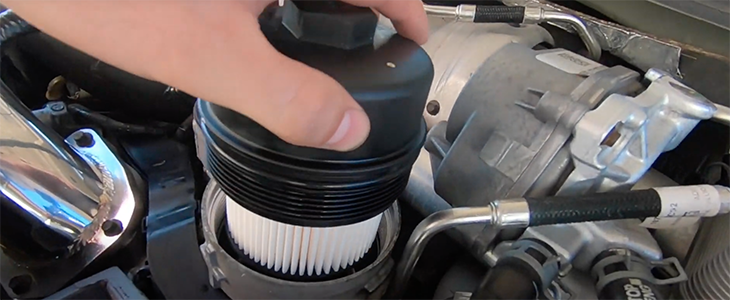
Turn off the engine and open the hood. Locate the diesel fuel filter by checking the manual or labels. Place the container under the filter to catch spills. Use the wrench to loosen the filter bolts or clamps. Remove the old filter carefully. Install the new filter in the same position. Tighten all bolts and clamps securely. Check for leaks by running the engine briefly. Clean any spilled fuel and close the hood.
Credit: www.bigboxcars.com.au
Consequences Of Neglecting Filter Changes
Neglecting to change the diesel fuel filter can cause serious problems for your engine and wallet. The filter traps dirt and debris from the fuel. Over time, it clogs up and stops working well. This leads to several negative effects that can harm your vehicle.
Engine Damage Risks
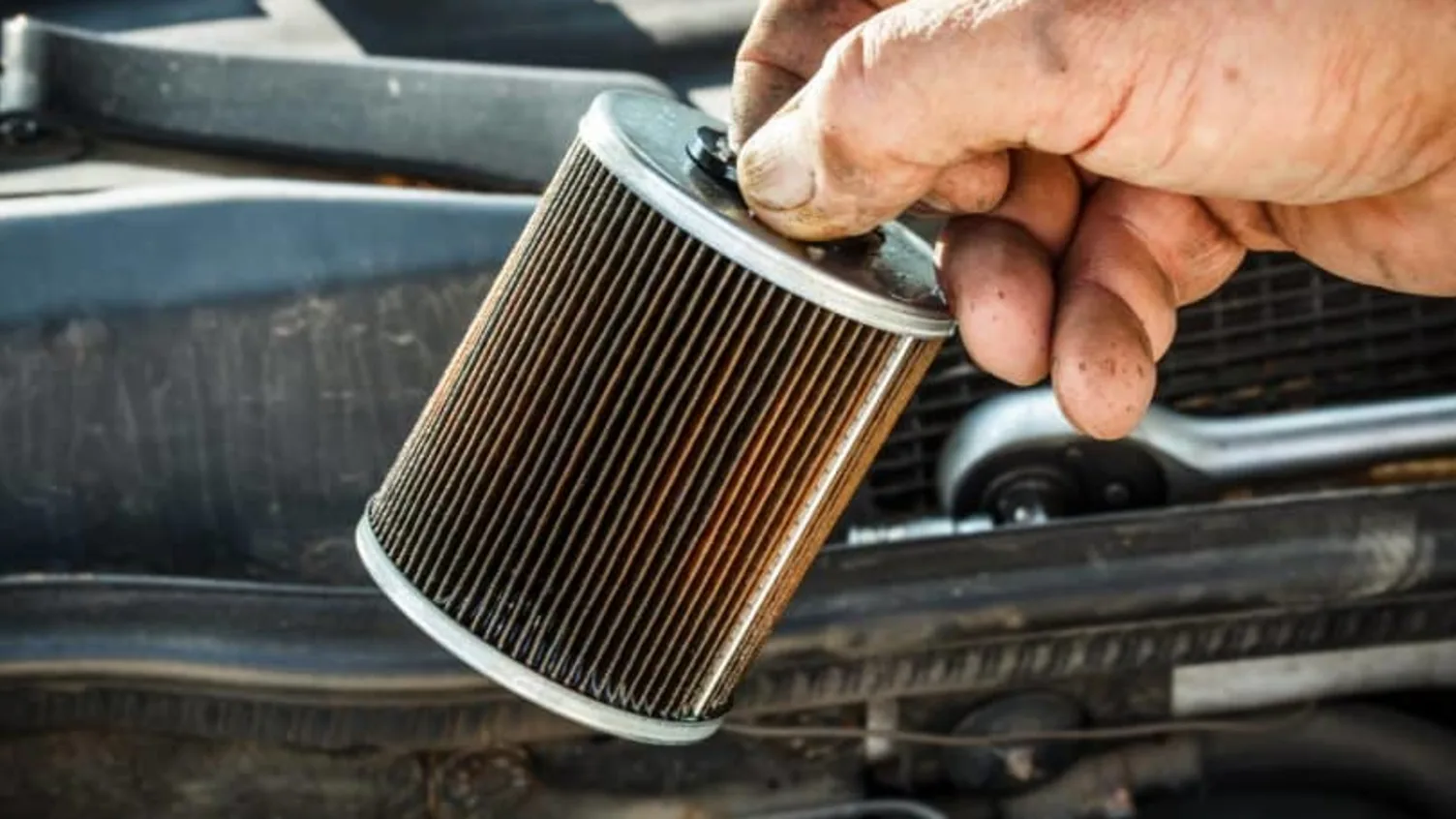
A clogged filter limits fuel flow to the engine. This causes the engine to run poorly or stall. Dirt and debris may reach the engine parts. These particles cause wear and tear inside the engine. Over time, this damage can lead to engine failure. Replacing the filter regularly helps avoid costly engine damage.
Reduced Fuel Efficiency
Dirty fuel filters make the engine work harder. The engine uses more fuel to produce the same power. This lowers your vehicle’s fuel efficiency. You will spend more money on fuel over time. Clean filters help the engine run smoothly and save fuel.
Costly Repairs
Ignoring filter changes can lead to expensive repairs. Engine parts wear out faster due to dirty fuel. Fixing or replacing these parts costs a lot. Regular filter changes prevent damage and reduce repair bills. It is a small step to protect your vehicle and budget.
Tips To Extend Fuel Filter Life
Extending the life of your diesel fuel filter helps keep your engine running smoothly. A longer-lasting filter saves money and reduces the risk of breakdowns. Simple habits can protect your fuel system and improve filter performance.
Focus on clean fuel and regular checks. These steps keep dirt and water out of the filter. Clean fuel means less clogging and better engine health.
Using Quality Fuel
Good fuel is the first step to a healthy filter. Low-quality diesel contains dirt and water. These contaminants block the filter quickly. Always choose fuel from trusted sources. Avoid cheap fuel with unknown origins. Clean fuel keeps the filter clear longer. It also protects the engine parts from damage.
Regular Maintenance Checks
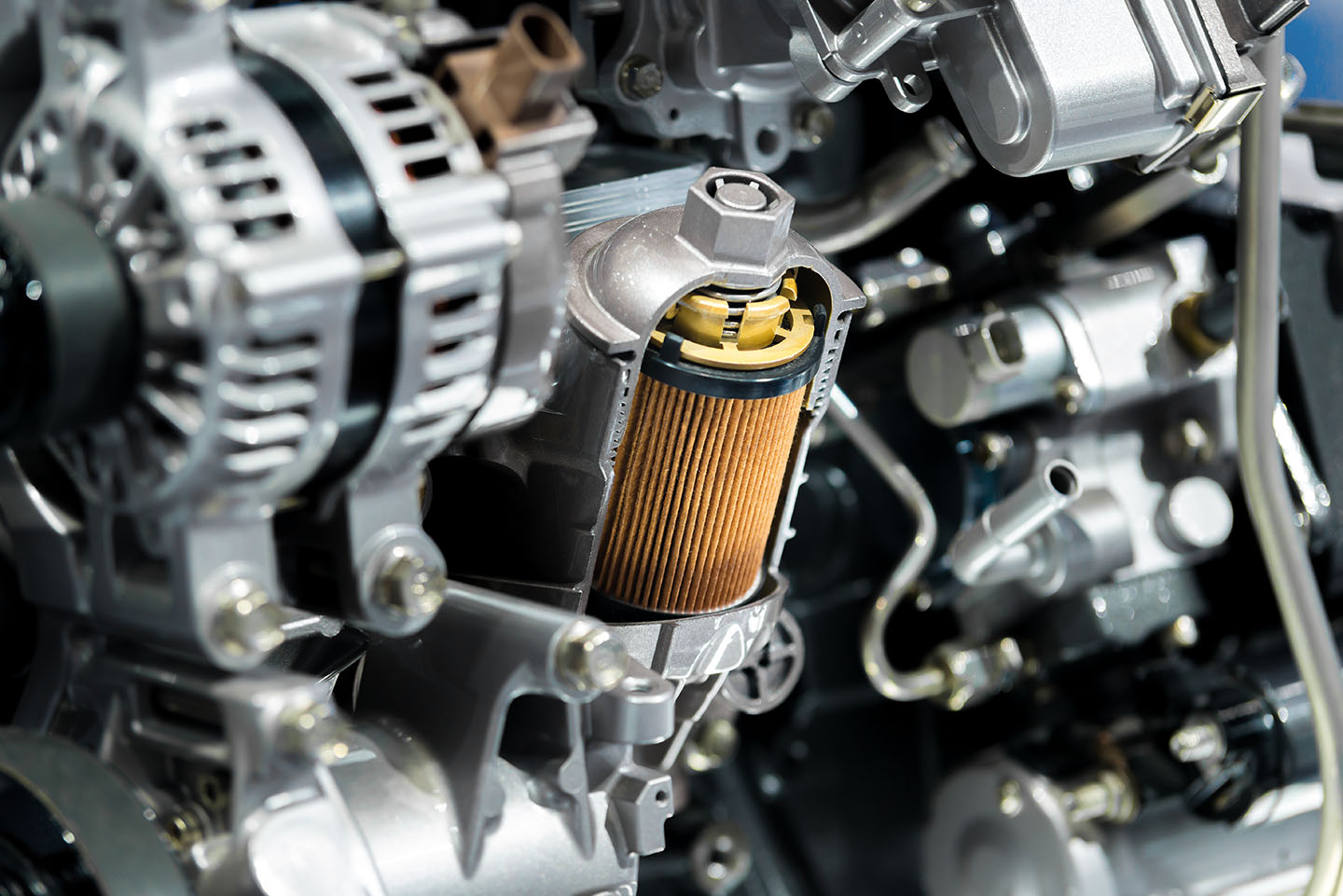
Check the fuel filter often for signs of wear. Look for dirt buildup or water in the filter bowl. Replace the filter if it looks clogged or dirty. Follow your vehicle’s maintenance schedule closely. Regular checks catch problems before they grow worse. Simple inspections keep fuel flowing smoothly. This prevents costly repairs later on.
Credit: bostechauto.com
Frequently Asked Questions
How Often Should Diesel Fuel Filters Be Changed?
Diesel fuel filters should be changed every 10,000 to 25,000 miles. Check your vehicle’s manual for specific intervals. Regular changes prevent clogging and maintain engine performance.
What Are Signs Of A Clogged Diesel Fuel Filter?
Common signs include engine misfires, reduced power, stalling, and difficulty starting. If you notice these, inspect or replace the fuel filter promptly to avoid damage.
Can A Dirty Fuel Filter Affect Diesel Engine Performance?
Yes, a dirty fuel filter restricts fuel flow, causing poor acceleration and reduced fuel efficiency. Timely replacement ensures smooth engine operation and longer engine life.
Is It Necessary To Replace The Diesel Fuel Filter Annually?
Not always. Replacement depends on mileage, fuel quality, and vehicle usage. Annual checks are recommended, but follow manufacturer guidelines for replacement frequency.
Conclusion
Changing your diesel fuel filter regularly keeps your engine healthy. Dirty filters block fuel flow and reduce power. Most experts suggest changing it every 10,000 to 15,000 miles. Check your vehicle manual for exact advice. Clean filters improve fuel efficiency and lower repair costs.
Don’t wait for problems to appear. A small step like this saves big money later. Keep your diesel engine running smooth and strong. Simple maintenance goes a long way. Stay on schedule for the best results.