Have you ever wondered how often you should replace your fuel filter? If you want your vehicle to run smoothly and avoid costly repairs, knowing the right timing is crucial.
Your fuel filter plays a hidden but vital role in keeping dirt and debris from clogging your engine. Ignoring it could lead to poor performance or even breakdowns. Keep reading to discover exactly when and why you need to change your fuel filter to keep your car in top shape.
Role Of A Fuel Filter
The fuel filter plays a key role in keeping your vehicle’s engine healthy. It cleans the fuel before it reaches the engine. Dirt, rust, and other particles can harm engine parts. The fuel filter catches these impurities. This helps the engine run smoothly and last longer.
Without a good fuel filter, the fuel system can clog or break. This causes poor engine performance and can lead to costly repairs. The fuel filter works quietly but is very important for your car’s health.
Purpose In The Fuel System
The fuel filter’s main job is to trap dirt and debris. Fuel travels from the tank to the engine through fuel lines. The filter removes harmful particles during this trip. Clean fuel means better combustion and less wear on engine parts.
It also protects the fuel injectors and carburetor. These parts are sensitive and need clean fuel to work well. A blocked filter can cause poor fuel flow, leading to engine stalling or rough idling. The filter keeps the fuel system running efficiently and saves money on repairs.
Common Types Of Fuel Filters
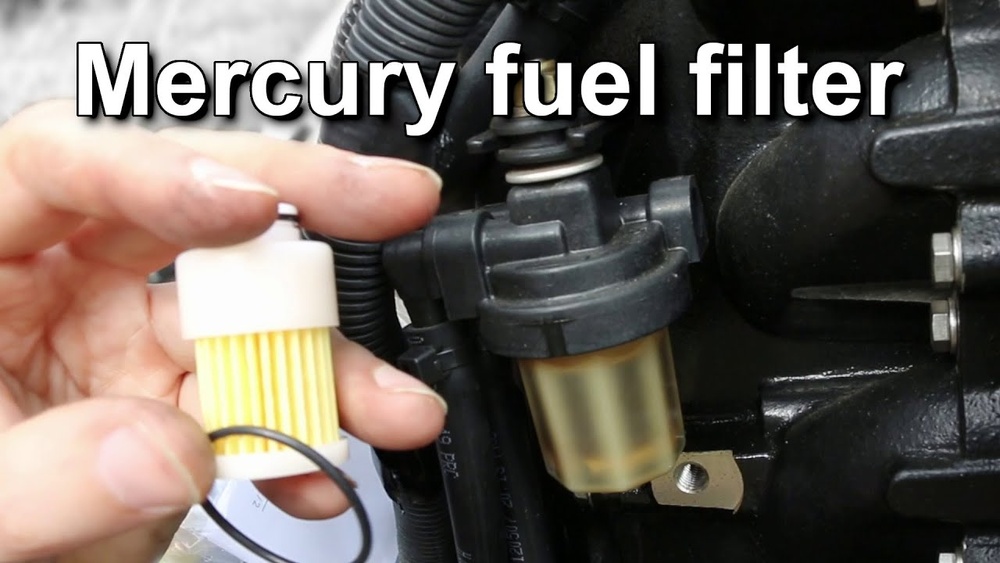
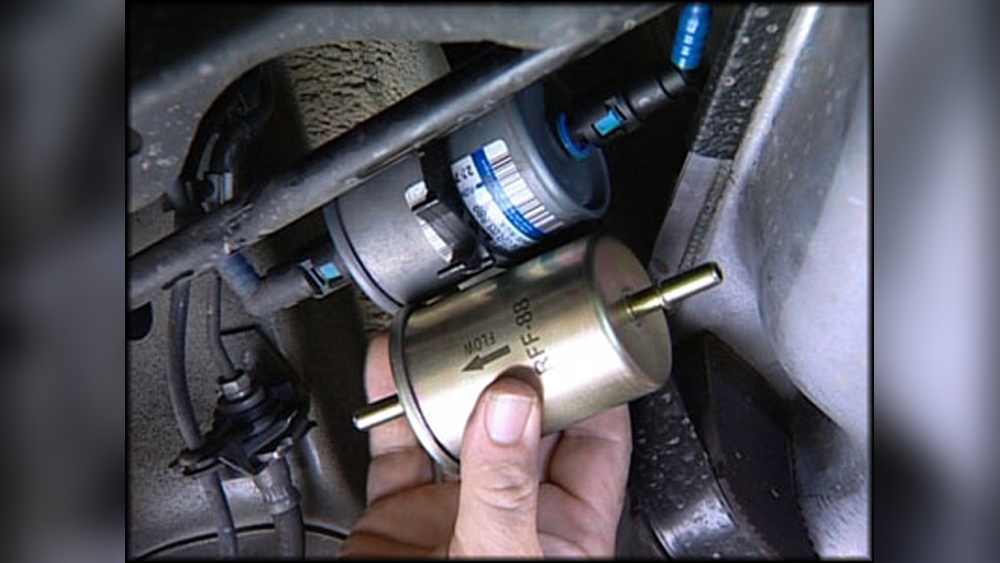
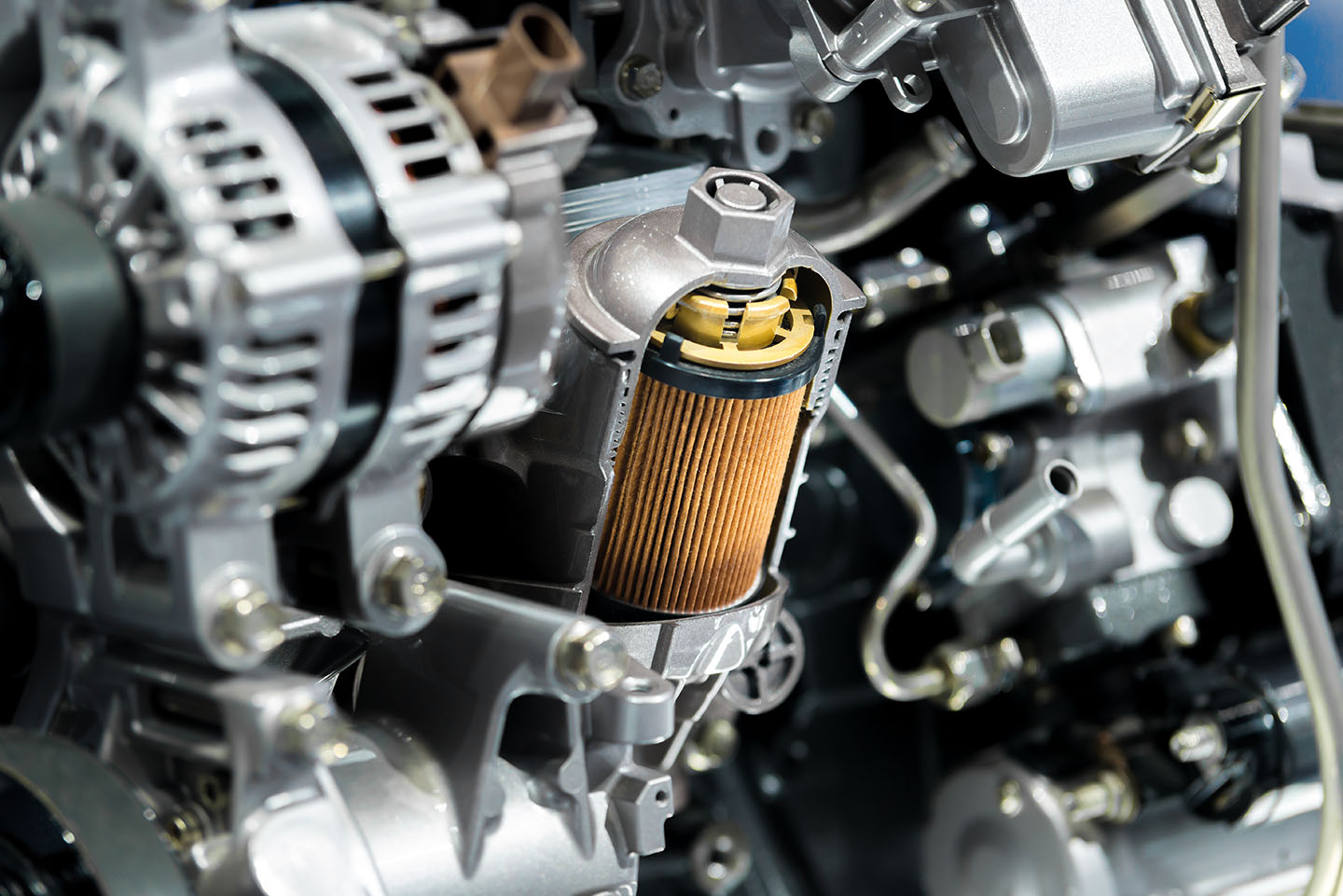
There are several types of fuel filters, each with a simple design. The most common type is the inline filter. It is placed along the fuel line and filters fuel before it reaches the engine. This type is easy to replace and widely used.
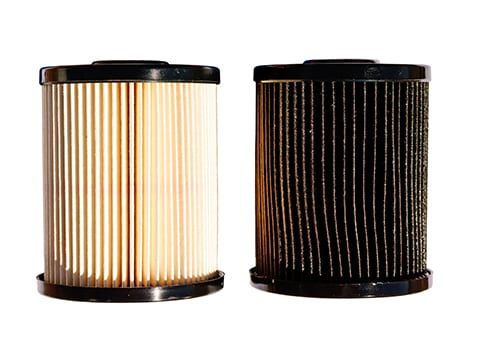
Another type is the cartridge filter. It sits inside a housing and is often found in newer cars. This filter is also easy to change but needs special care during replacement. Some vehicles use a mesh filter inside the fuel tank, which catches larger particles before fuel leaves the tank.
Each type serves the same purpose: keeping fuel clean. Choosing the right filter depends on your vehicle’s design and fuel system.
Credit: www.waynesautocenter.com
Signs Of A Clogged Fuel Filter
A clogged fuel filter affects your vehicle’s performance. Dirt and debris block the fuel flow. This causes problems that you can notice while driving. Watch for these signs to know when to replace the filter.
Engine Performance Issues
The engine may run rough or stall often. It struggles to get enough fuel. Acceleration feels weak or slow. The car might hesitate when you press the gas pedal. These are common signals of a clogged fuel filter.
Fuel Efficiency Drops
Your car uses more fuel than usual. The engine works harder to pull fuel through the filter. This wastes gas and lowers miles per gallon. A sudden drop in fuel efficiency points to filter trouble.
Starting Problems
The vehicle takes longer to start or won’t start at all. Fuel can’t reach the engine easily. You might hear the starter running but the engine won’t fire up. These problems often mean the fuel filter is blocked.
Replacement Intervals
Replacing the fuel filter is key to keeping your engine healthy. Knowing how often to change it helps avoid engine problems and poor performance. Replacement intervals vary depending on different factors. Understanding these helps you maintain your car better.
Manufacturer Recommendations
Car makers give specific advice on fuel filter replacement. These recommendations appear in the owner’s manual. Most suggest changing the filter every 20,000 to 40,000 miles. Some newer models use filters that last longer. Following the manual keeps your car running smoothly.
Factors Affecting Replacement Frequency
Driving conditions change how fast the filter clogs. Dusty or rough roads fill the filter quicker. Frequent short trips can also reduce filter life. Using low-quality fuel adds dirt and debris. Regular maintenance and clean fuel help the filter last longer.
Diy Vs Professional Replacement
Deciding between DIY and professional fuel filter replacement depends on your comfort and skills. Changing a fuel filter can save money when done at home. But it needs the right tools and care to avoid damage. Professionals bring experience and the right equipment to do the job safely. Weighing the options helps you choose the best path for your vehicle’s health.
Tools Needed For Diy
Start with basic tools like wrenches and screwdrivers. You will also need a new fuel filter that fits your car model. Fuel line clamps help stop fuel flow during the change. Safety glasses and gloves protect you from fuel spills. A container to catch leaking fuel is important. Having a repair manual for your car can guide the process step-by-step. These tools make the task easier and safer.
When To Seek Professional Help
Choose a mechanic if you lack the right tools or knowledge. Fuel systems can be complex and risky to handle. Signs of fuel leaks or engine problems need expert attention. Professionals can spot hidden issues during replacement. They also dispose of old filters safely. If your car has a complicated fuel system, a professional is best. Trusting experts reduces risk and ensures proper work.
Consequences Of Delayed Replacement
Delaying the replacement of your fuel filter can lead to serious problems. The fuel filter stops dirt and rust from entering the engine. Over time, the filter gets clogged and fails to do its job. This causes trouble for the engine and your wallet. Understanding the consequences helps you see why timely changes matter.
Engine Damage Risks
A dirty fuel filter can starve the engine of fuel. This causes the engine to run rough or stall. Dirt and debris can reach the engine parts, causing wear and tear. Over time, this damage reduces engine performance. Severe damage may require engine rebuild or replacement.
Increased Repair Costs
Ignoring the fuel filter can lead to costly repairs. Fixing engine damage costs much more than changing a filter. You may face expenses for fuel system cleaning or part replacement. Regular filter changes keep repair bills low. Small savings on maintenance prevent big spending later.
Credit: www.bigboxcars.com.au
Tips For Maintaining Your Fuel Filter
Maintaining your fuel filter is key to keeping your vehicle running smoothly. A clean fuel filter helps your engine get the right amount of fuel. This keeps your car efficient and prevents damage.
Simple steps can extend the life of your fuel filter. These tips save money and avoid costly repairs.
Regular Inspection
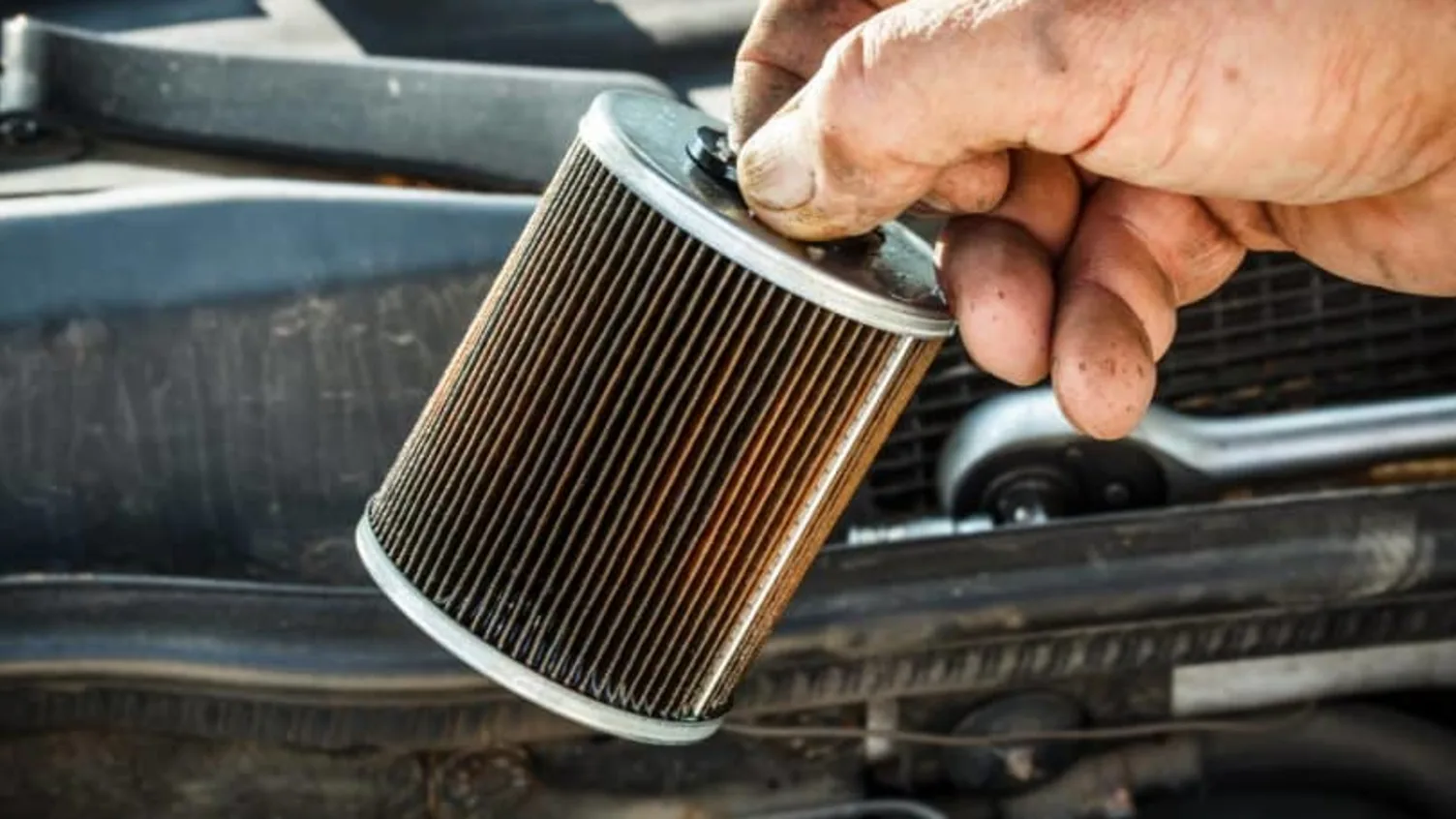
Check your fuel filter regularly. Look for dirt or damage. A quick look can catch problems early. Replace the filter if it looks clogged or worn. Regular checks keep fuel flowing well and protect the engine.
Using Quality Fuel
Use clean and good-quality fuel. Poor fuel clogs the filter faster. Fuel with fewer impurities helps the filter last longer. Choose fuel from trusted stations. This reduces the chance of dirt and water entering the system.
Credit: bostechauto.com
Frequently Asked Questions
How Often Should I Replace My Car’s Fuel Filter?
Most experts recommend replacing the fuel filter every 20,000 to 30,000 miles. Check your vehicle’s manual for specific guidance. Regular replacement ensures clean fuel flow and engine efficiency.
What Are Signs Of A Clogged Fuel Filter?
Common signs include engine misfires, poor acceleration, and difficulty starting. A clogged filter restricts fuel flow, causing performance issues and potential engine damage.
Can A Dirty Fuel Filter Cause Engine Problems?
Yes, a dirty filter limits fuel supply, leading to rough idling and stalling. Timely replacement prevents costly engine repairs and maintains smooth operation.
Is Fuel Filter Replacement Necessary For All Vehicles?
Yes, all vehicles with combustion engines require fuel filter changes. The interval varies by make and model, so consult your owner’s manual for details.
Conclusion
Replacing your fuel filter keeps your engine clean and efficient. Check your vehicle’s manual for the recommended interval. Usually, changing it every 20,000 to 40,000 miles works well. Dirty fuel filters can cause poor performance and fuel issues. Regular replacement helps avoid costly repairs later.
Pay attention to signs like engine hesitation or rough idling. A simple fuel filter change can save you trouble and money. Stay on top of this small task to keep your car running smoothly.