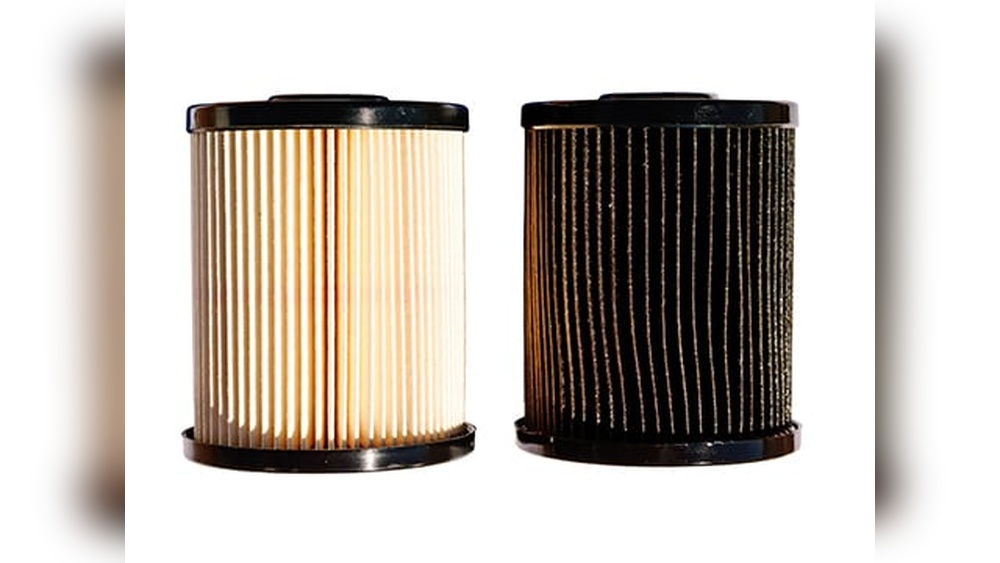
Have you ever wondered how often you should change the fuel filter in your car? If you want your vehicle to run smoothly and avoid costly repairs, knowing the right time to replace this small but vital part is crucial.
Ignoring your fuel filter can lead to poor engine performance, reduced fuel efficiency, and even breakdowns when you least expect them. You’ll discover clear signs and expert tips on when and why changing your fuel filter is essential. Keep reading to protect your car and save money in the long run.
Role Of Fuel Filter
The fuel filter plays a key role in keeping your car’s engine healthy. It stops dirt, rust, and other particles from reaching the engine. Clean fuel helps the engine run smoothly and last longer.
Without a good fuel filter, harmful debris can clog the fuel system. This causes poor engine performance and may lead to costly repairs. Understanding the fuel filter’s job helps you know why regular changes matter.
Fuel Filter Function
The fuel filter cleans the fuel before it reaches the engine. It traps small particles that come from the fuel tank or gas station. This keeps the fuel system clear and protects engine parts.
The filter works like a sieve, blocking dirt but letting fuel flow. Over time, the filter gets dirty and can block fuel flow. Changing it regularly keeps fuel moving freely and prevents engine problems.
Impact On Engine Performance
A clean fuel filter ensures steady fuel flow to the engine. This helps the engine run efficiently and use less fuel. A clogged filter can cause the engine to sputter or lose power.
Bad fuel flow affects acceleration and can cause stalling. It also increases stress on fuel pumps and injectors. Regular filter changes keep the engine strong and save money on repairs.

Credit: www.mercedesbenzportland.com
Signs Of A Clogged Fuel Filter
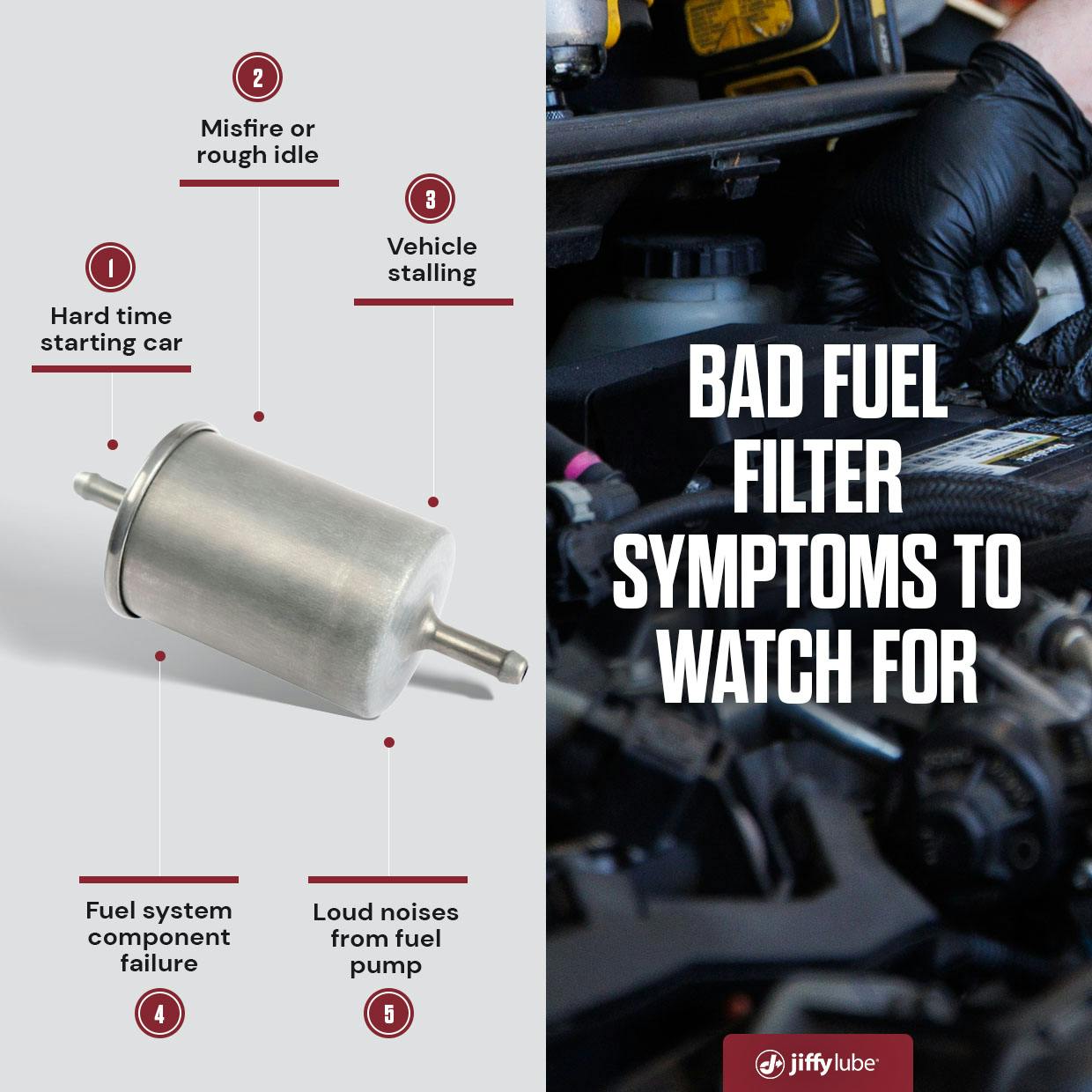
A clogged fuel filter can cause many problems for your car’s engine. It blocks fuel flow and reduces engine performance. Recognizing the signs early helps you avoid costly repairs. Here are common signs that show your fuel filter might be clogged.
Engine Misfires And Stalling
When the fuel filter clogs, fuel flow to the engine slows down. The engine may misfire or stall unexpectedly. This happens because the engine does not get enough fuel to run smoothly. You might notice jerking or shaking while driving. These symptoms often signal a fuel delivery problem, usually from a dirty filter.
Reduced Fuel Efficiency
A clogged fuel filter forces the engine to work harder. This extra effort uses more fuel than normal. You may see a drop in miles per gallon. Poor fuel efficiency means you spend more on gas. Checking the fuel filter can help restore normal fuel use and save money.
Difficulty Starting The Car
Starting the car takes longer when the fuel filter is blocked. The engine struggles to get enough fuel to start quickly. You might need several tries to turn on the engine. This delay is a clear sign the fuel filter may need replacement. Fixing this saves time and frustration.
Recommended Change Intervals
Knowing the right time to change your car’s fuel filter keeps the engine running smoothly. Changing it too late can cause poor engine performance. Changing it too soon can waste money. Follow the recommended intervals to save costs and maintain your car’s health.
Manufacturer Guidelines
Car makers provide specific advice on fuel filter changes. Check your owner’s manual for exact details. These guidelines consider your car’s model and engine type. Following them helps avoid unnecessary repairs and ensures your warranty stays valid.
Typical Mileage Recommendations
Most cars need a fuel filter change every 20,000 to 40,000 miles. Some newer models may last longer. Older cars might need changes more often. Regular mileage checks help you track when to replace the filter.
Factors Influencing Frequency
Driving conditions affect how often to change the fuel filter. Dusty roads or rough terrain can clog the filter faster. Using low-quality fuel may also reduce filter life. Frequent short trips or stop-and-go traffic can impact the filter, too.
Credit: www.ievilenergy.com
Types Of Fuel Filters
Fuel filters keep dirt and rust out of your car’s fuel system. They protect the engine and help it run smoothly. There are different types of fuel filters. Each type fits different car models and fuel systems.
Knowing the types helps you understand when and how to change them. Let’s look at the main fuel filter types found in cars.
In-line Fuel Filters
In-line fuel filters sit directly in the fuel line. They filter fuel before it reaches the engine. These filters are easy to replace. You can find them under the car or in the engine bay. They catch dirt and debris well. Most older cars use in-line filters.
Cartridge Fuel Filters
Cartridge fuel filters have a replaceable core inside a housing. The housing stays in the car while you change the cartridge. They offer good filtration and last longer than in-line filters. Many modern cars use cartridge filters. They are simple to service and cost-effective.
Lifetime Filters
Lifetime filters are built to last the car’s life. They do not need regular replacement. These filters use advanced materials to trap dirt for a long time. Some are washable and reusable. Lifetime filters are common in newer, high-end cars. They reduce maintenance but still need inspection sometimes.
Diy Vs Professional Replacement
Changing a fuel filter keeps your car running smoothly. You can do it yourself or hire a professional. Each option has its pros and cons. Knowing the right approach saves time and money. It also avoids damage to your car.
Steps For Diy Replacement
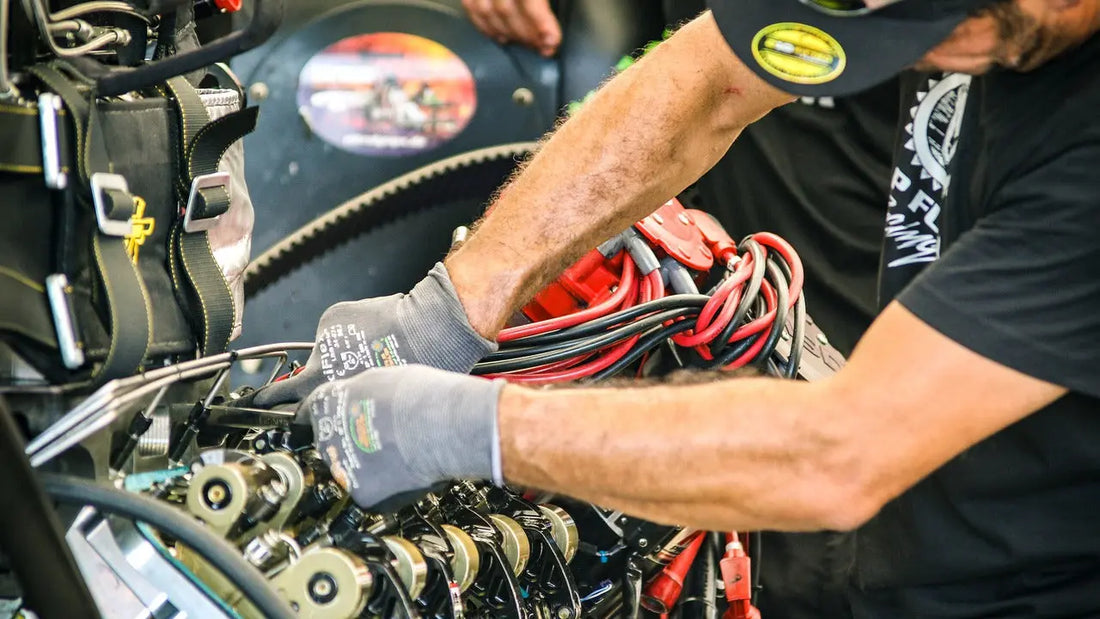
First, find the fuel filter location. Usually, it is near the fuel tank or engine. Next, relieve fuel system pressure. This stops fuel from spraying out. Then, disconnect the battery to be safe.
Use a wrench to remove the old filter. Note the fuel flow direction on the filter. Install the new filter the same way. Tighten clamps but avoid over-tightening. Finally, reconnect the battery and start the engine. Check for leaks and proper function.
When To Seek Professional Help
Choose a mechanic if the fuel filter is hard to reach. Professionals have tools and experience. They handle fuel system pressure safely. Also, if your car has a complex fuel system, call a pro. Signs like fuel smell or engine stalling need expert care.
Professionals prevent mistakes that cause costly repairs. They also inspect related parts for wear. This ensures your car stays reliable after the replacement.
Credit: www.jiffylube.com
Consequences Of Ignoring Fuel Filter Maintenance
Neglecting fuel filter maintenance can cause serious problems for your car. The fuel filter keeps dirt and debris out of the engine. Over time, it clogs and loses its ability to protect. This leads to poor engine performance and may cause damage. Understanding the risks helps you avoid costly repairs and keep your car running smoothly.
Engine Damage Risks
A clogged fuel filter restricts fuel flow to the engine. This causes the engine to run lean, which means it gets less fuel than needed. Running lean can cause overheating and damage engine parts. Fuel injectors may clog or fail. The engine can misfire or stall, leading to rough driving. Over time, serious damage to pistons and valves may occur.
Increased Repair Costs
Ignoring a dirty fuel filter leads to more expensive repairs. Replacing an engine or fuel injectors costs much more than changing a fuel filter. Small problems turn into big repairs without early care. Your car’s fuel system may need cleaning or part replacement. Regular fuel filter changes help avoid these high costs and keep repair bills low.
Tips To Extend Fuel Filter Life
Extending the life of your car’s fuel filter saves money and protects your engine. Small steps can keep the filter cleaner longer and improve fuel flow. Follow these simple tips to help your fuel filter last and keep your car running smoothly.
Using Quality Fuel
Choose fuel from trusted stations. Cheap or low-quality fuel may contain dirt and water. These impurities clog the fuel filter faster. Clean fuel reduces filter wear and keeps the engine healthy. Always check for clean, fresh fuel to protect the fuel system.
Regular Vehicle Maintenance
Keep up with scheduled car checks. Change the fuel filter as recommended by the manufacturer. Regular oil and air filter changes help the engine run well. A well-maintained vehicle puts less stress on the fuel filter. This extends its life and improves car performance.
Frequently Asked Questions
How Often Should I Change My Car’s Fuel Filter?
Typically, change your car’s fuel filter every 20,000 to 40,000 miles. Check your owner’s manual for specific intervals. Regular replacement ensures clean fuel flow and prevents engine issues.
What Are Signs Of A Clogged Fuel Filter?
Common signs include engine misfires, poor acceleration, stalling, and difficulty starting. A clogged filter restricts fuel flow, causing performance problems and reduced efficiency.
Can I Change The Fuel Filter Myself?
Yes, if you have basic mechanical skills and tools, you can replace it. Follow safety precautions and consult your vehicle manual for the exact procedure.
Why Is Fuel Filter Maintenance Important?
Fuel filters remove dirt and debris from fuel. Proper maintenance prevents engine damage, improves fuel efficiency, and extends vehicle life.
Conclusion
Changing your car’s fuel filter regularly keeps the engine clean. It helps the car run smoothly and saves you money. Most experts suggest changing it every 20,000 to 30,000 miles. Check your car manual for exact advice. Signs like rough idling or poor acceleration mean it’s time to change.
Clean fuel filters prevent damage and improve fuel efficiency. Don’t wait until problems start. Take care of your fuel filter to keep your car healthy and strong. Simple maintenance goes a long way.