

If you drive a diesel vehicle, you already know how important it is to keep your engine running smoothly. One key part that often gets overlooked is the fuel filter.
You might be wondering, “How often should I change my diesel fuel filter? ” Getting this right can save you from costly repairs and keep your engine healthy for miles to come. You’ll discover the ideal schedule for changing your fuel filter and why sticking to it matters more than you think.
Keep reading to protect your engine and boost your vehicle’s performance.
Fuel Filter Role In Diesel Engines
The fuel filter plays a key role in diesel engines. It cleans the fuel before it reaches the engine. Diesel fuel often has tiny dirt and water. These impurities can harm the engine. The fuel filter stops these harmful particles. It helps the engine run smoothly and last longer.
Without a good fuel filter, the engine parts can get damaged. The filter also helps the engine use fuel better. Knowing the fuel filter’s role helps you see why regular changes matter.
Protecting Engine Components
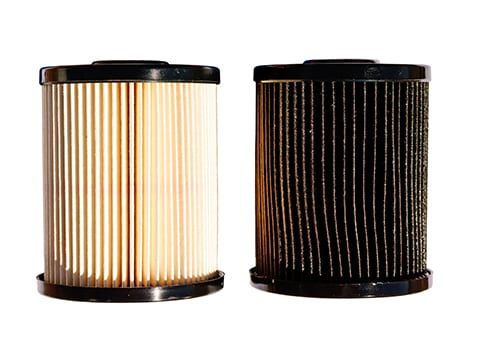
The fuel filter catches dirt and rust from the fuel tank. It stops these particles from entering the engine. This protects sensitive parts like injectors and pumps. Clean fuel means less wear and tear on the engine. A clogged filter lets dirt pass, causing damage. Regular filter changes keep engine parts safe.
Impact On Fuel Efficiency
A clean fuel filter allows smooth fuel flow. This helps the engine burn fuel more fully. Better fuel burning means more power and less waste. A dirty filter blocks fuel flow. The engine works harder and uses more fuel. Changing the fuel filter helps save fuel and money.
Signs Of A Clogged Filter
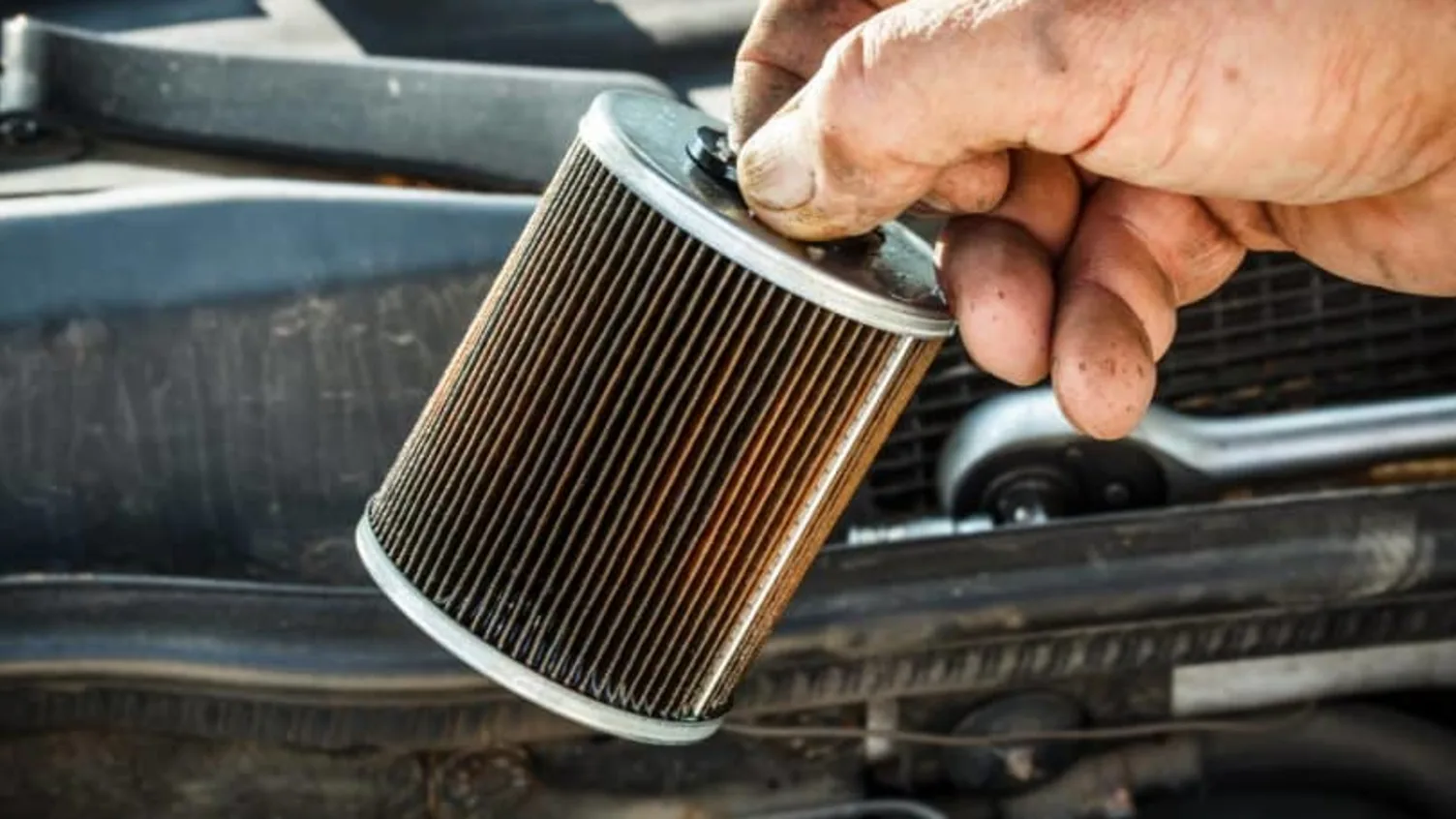
Watch for engine problems like rough idling or slow start. The engine might lose power or stall suddenly. Fuel smell or black smoke from exhaust can show a clog. Poor fuel economy also signals a dirty filter. Spotting these signs early prevents bigger engine issues.
Credit: www.bigboxcars.com.au
Recommended Change Intervals
Knowing the right time to change your diesel fuel filter helps keep your engine healthy. Changing the fuel filter on time stops dirt and water from harming the system. The recommended change intervals depend on several factors. Understanding these helps avoid costly repairs and keeps your vehicle running smoothly.
Manufacturer Guidelines
Each vehicle maker sets specific fuel filter change rules. These guidelines appear in the owner’s manual. Following them ensures your engine gets proper care. Most manufacturers suggest changing the fuel filter every 20,000 to 40,000 miles. Some models may require more frequent changes. Always check the manual for the exact recommendation.
Influence Of Driving Conditions
Driving habits and road conditions affect fuel filter life. Dusty roads and rough terrain cause faster filter clogging. Short trips and stop-and-go traffic also add stress. In such cases, change the fuel filter more often than usual. Cleaner driving environments may allow longer intervals between changes.
Mileage Vs. Time Considerations
Fuel filters degrade over time, even if mileage is low. Many experts advise changing the filter every 12 months. This prevents dirt and water buildup inside the fuel system. If you drive less than the recommended miles, still follow the time-based interval. Replacing the filter by time and mileage keeps the fuel clean and engine safe.
Factors Affecting Filter Life
Several factors affect how long a diesel fuel filter lasts. Understanding these helps you know when to change it. The filter’s life depends on the fuel quality, environment, and engine use. Each factor can shorten or extend the filter’s service time.
Fuel Quality Variations
Diesel fuel quality varies a lot. Some fuels have more dirt and water. Contaminants clog the filter faster. Using low-quality fuel means changing the filter more often. Clean, high-quality fuel helps the filter last longer.
Environmental Conditions
Dusty or dirty environments affect filter life. More dust means the filter traps more particles. Cold weather can cause fuel to gel. This clogs the filter and reduces its life. Clean air and moderate temperatures help the filter work better.
Engine Usage Patterns
How you use the engine changes filter life. Long trips at steady speeds cause less clogging. Short trips and stop-and-go driving fill the filter faster. Heavy loads and high RPMs push the filter harder. Regular checks keep the filter in good shape.
Credit: universalautospares.com.au
Consequences Of Delayed Replacement
Delaying the replacement of a diesel fuel filter can cause serious problems. The filter’s job is to keep dirt and water out of the engine. Over time, it gets clogged and stops working well. This affects the engine and the whole vehicle. Understanding these risks helps keep your diesel engine healthy.
Engine Performance Issues
A clogged fuel filter reduces fuel flow to the engine. The engine may run rough or stall often. You might notice less power during acceleration. Starting the engine can become difficult. Poor engine performance wastes your time and causes frustration.
Increased Fuel Consumption
A dirty filter makes the engine work harder. The engine uses more fuel to keep running. This increases your fuel costs over time. You spend more money on diesel than needed. Changing the filter on time saves money and fuel.
Risk Of Engine Damage
Contaminants in the fuel can reach the engine. This causes wear and damage to engine parts. Repairing engine damage is expensive and time-consuming. Delaying the filter change puts your engine at risk. Regular filter replacement protects your engine’s life.
Diy Vs. Professional Replacement
Changing a diesel fuel filter can be done in two ways: by yourself or by a professional. Each method has its own pros and cons. Doing it yourself saves money but needs care and the right tools. A professional can do the job fast and safely but costs more. Understanding the process helps you decide the best option for you.
Tools Needed For Diy
Gather these tools before starting:
- New diesel fuel filter
- Wrenches or socket set
- Drain pan for old fuel
- Gloves to protect your hands
- Rags for spills
- Screwdriver, if needed
- Safety glasses
Step-by-step Replacement Process
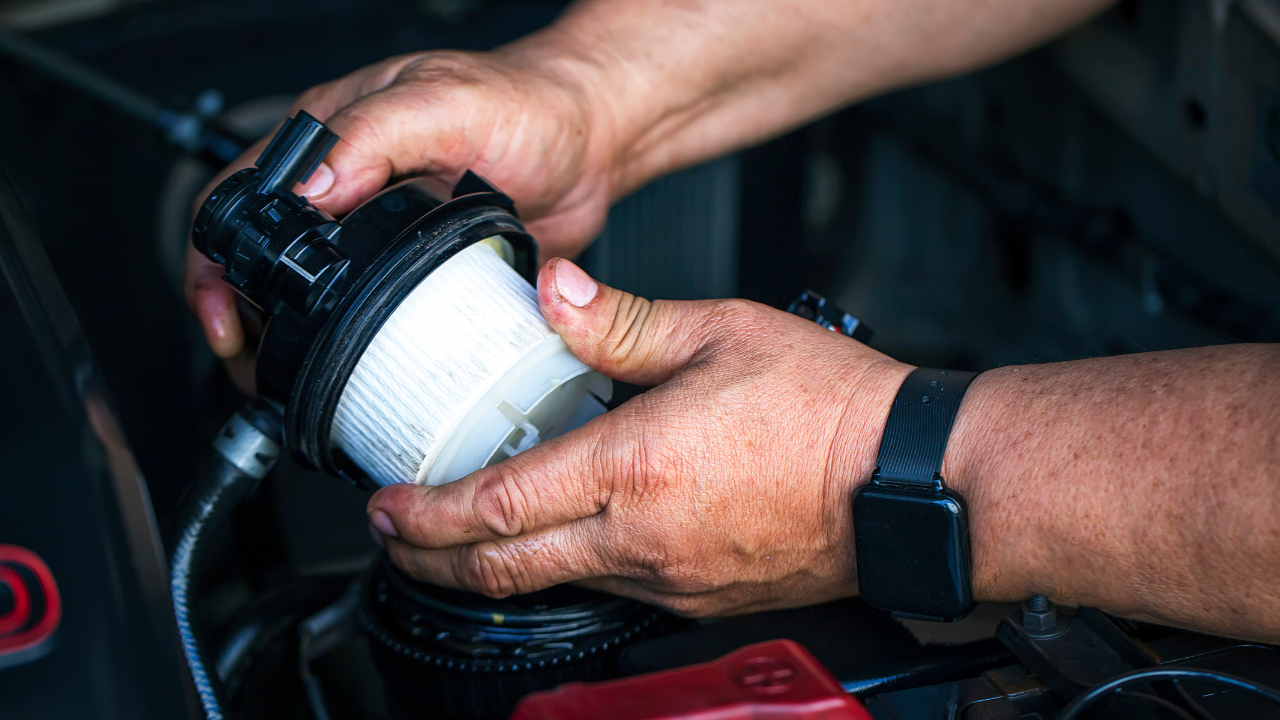
First, park your vehicle on a flat surface and turn off the engine. Open the hood and locate the diesel fuel filter. Place the drain pan under the filter to catch fuel. Use the wrench to loosen the filter carefully. Remove the old filter and clean the filter holder. Install the new filter by hand and tighten it with the wrench. Prime the fuel system if your vehicle requires it. Start the engine and check for leaks. Dispose of the old filter properly.
When To Seek Professional Help
Choose a professional if you notice fuel leaks after replacement. Call an expert if the fuel filter is hard to reach. Seek help when your vehicle has a complex fuel system. Professionals can spot other fuel system issues early. If you lack tools or confidence, hiring a pro is safer. Regular maintenance by a professional keeps your diesel engine healthy.
Maintenance Tips For Longevity
Proper maintenance of your diesel fuel filter helps your engine run smoothly. It also prevents costly repairs and extends the life of your vehicle. Follow these simple tips to keep your fuel filter and fuel system in top shape.
Regular Inspections
Check the fuel filter regularly for dirt and damage. Look for signs of clogging or leaks. Early detection helps avoid engine problems. Set a schedule to inspect the filter every few thousand miles.
Using Quality Fuel Filters
Choose fuel filters from trusted brands. Cheap filters may not clean fuel well. Good filters catch more dirt and water. This protects the fuel pump and injectors from damage.
Fuel System Cleaning
Clean the fuel system to remove built-up debris. Use fuel additives designed for diesel engines. Cleaning keeps fuel flowing freely and improves performance. Schedule cleaning during regular service visits.
Credit: www.waynesautocenter.com
Frequently Asked Questions
How Often Should I Change A Diesel Fuel Filter?
Diesel fuel filters should be changed every 15,000 to 25,000 miles. Check your vehicle’s manual for exact intervals. Regular changes prevent clogs and protect the engine from contaminants.
What Happens If I Don’t Change The Fuel Filter?
A dirty fuel filter can cause engine misfires, poor performance, and increased fuel consumption. It may also damage fuel injectors and lead to costly repairs. Timely replacement keeps your diesel engine running smoothly.
Can I Change The Diesel Fuel Filter Myself?
Yes, changing a diesel fuel filter is possible with basic tools and safety precautions. Ensure the engine is cool, relieve fuel pressure, and follow your vehicle’s manual instructions carefully to avoid leaks and damage.
Why Is Diesel Fuel Filter Maintenance Important?
Fuel filters remove dirt and water from diesel fuel, protecting the engine’s fuel system. Proper maintenance improves engine efficiency, reduces emissions, and extends the lifespan of your diesel engine components.
Conclusion
Regularly changing the diesel fuel filter keeps your engine running smooth. Dirty filters slow down fuel flow and harm engine parts. Most experts suggest changing it every 20,000 to 40,000 miles. Check your vehicle manual for exact timing. Clean filters improve fuel efficiency and reduce breakdown risks.
Don’t wait for problems to show up. Small maintenance saves big repair costs later. Stay on top of fuel filter changes for a healthy diesel engine. Simple steps make your vehicle last longer and perform better.


