

If you drive a diesel vehicle, you might wonder how often you should change your fuel filter. This small part plays a huge role in keeping your engine running smoothly and avoiding costly repairs.
Ignoring it can lead to poor performance, higher fuel consumption, and even engine damage. So, knowing the right time to replace your fuel filter can save you money and keep your diesel engine healthy. You’ll discover clear, simple answers to help you take the best care of your vehicle.
Keep reading to find out exactly when and why you should change your diesel fuel filter.
Role Of Fuel Filter In Diesel Engines
The fuel filter plays a key role in diesel engines. It cleans the fuel before it reaches the engine. Clean fuel helps the engine run smoothly and last longer. Dirt and water in fuel can cause serious damage. The fuel filter stops these harmful particles from entering the engine. It keeps the fuel system safe and efficient.
Fuel Contaminants And Engine Impact
Diesel fuel often contains dirt, rust, and water. These contaminants can clog fuel injectors and damage engine parts. Water in fuel causes corrosion and poor engine performance. Dirt blocks fuel flow and lowers engine power. Contaminated fuel can lead to costly repairs. The fuel filter catches these particles to protect the engine. A clean fuel filter helps maintain engine health and performance.
How Fuel Filters Work
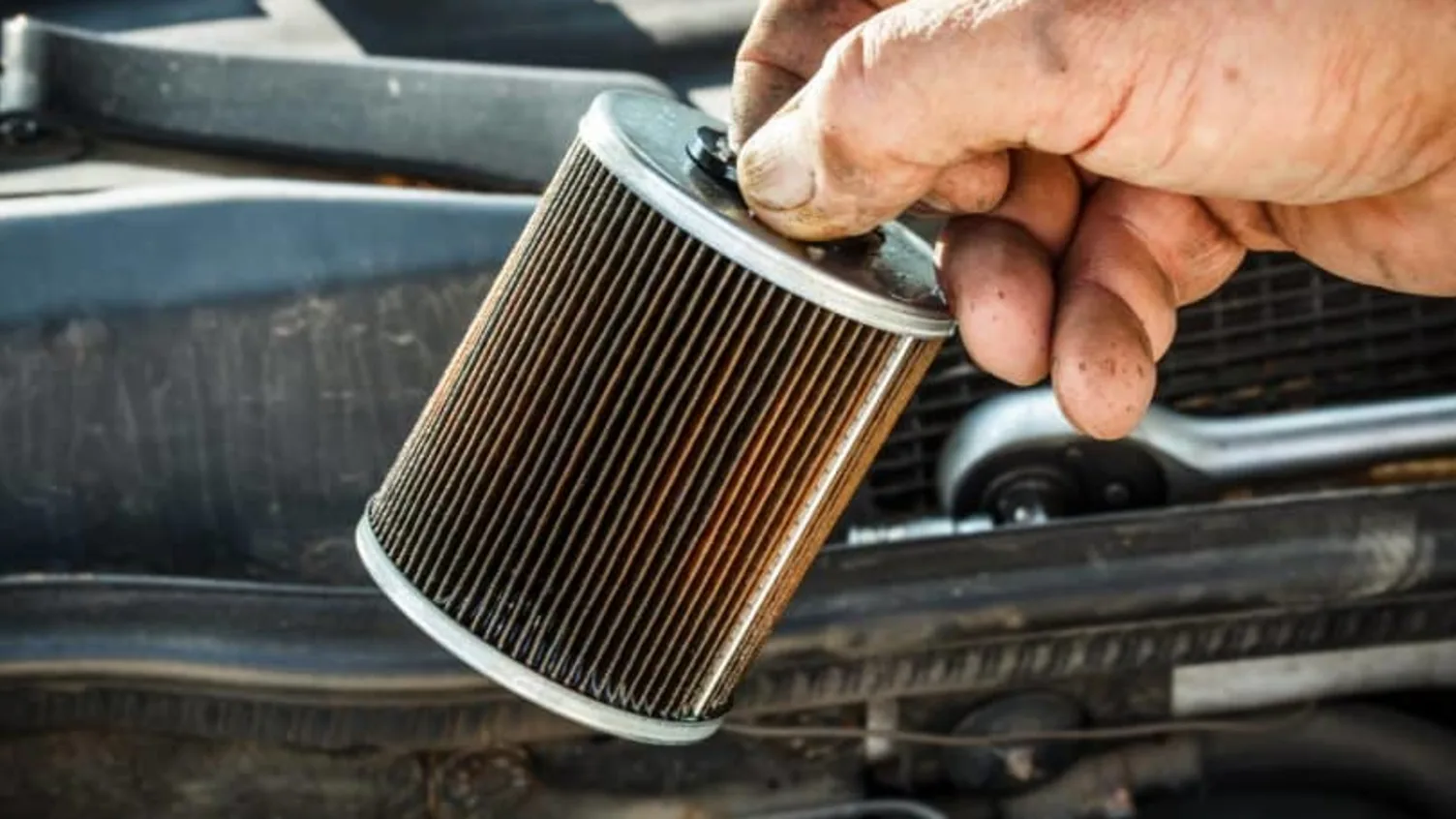
The fuel filter traps dirt and water from the fuel. It has a fine mesh or paper element inside. Fuel passes through this element and leaves contaminants behind. Water separators in some filters remove water from fuel. The filter needs regular changing to stay effective. A clogged filter reduces fuel flow and engine power. Changing the fuel filter keeps the engine clean and running well.

Credit: www.youtube.com
Signs You Need To Change Your Fuel Filter
Knowing the signs of a bad fuel filter can save your diesel engine from damage. It helps keep your vehicle running smooth and strong. Watch for these key signs to know when it’s time to change the fuel filter.
Ignoring these signals can lead to costly repairs and poor engine health. Stay alert to keep your diesel engine in top shape.
Engine Performance Issues
Your engine might hesitate or stall during acceleration. It may also struggle to start or run unevenly. These problems often show when the fuel filter clogs. The engine gets less fuel, causing poor performance.
Fuel Economy Drops
You may notice your diesel vehicle uses more fuel than usual. A clogged fuel filter makes the engine work harder. This extra effort burns more fuel. Keeping the fuel filter clean helps maintain good fuel economy.
Unusual Noises And Smoke
Strange sounds from the engine can mean a dirty fuel filter. You might hear knocking or sputtering noises. Also, dark smoke from the exhaust is a warning sign. These noises and smoke show the engine struggles to get clean fuel.
Recommended Fuel Filter Change Intervals
Knowing when to change your diesel fuel filter keeps your engine running well. A clean fuel filter stops dirt and water from reaching the engine. Changing the filter on time avoids costly repairs and poor performance.
Manufacturer Guidelines
Most car makers suggest fuel filter changes every 10,000 to 25,000 miles. Check your vehicle’s manual for exact numbers. Sticking to these guidelines helps keep your engine healthy. Some newer models may have longer intervals, but always follow the manual advice.
Driving Conditions Influence
Harsh driving conditions shorten fuel filter life. Dusty roads, heavy traffic, and stop-and-go driving cause faster filter clogging. In such cases, change the filter more often. Regular checks are important if you drive in tough environments.
Fuel Quality Considerations
Poor diesel fuel can harm your fuel filter quickly. Low-quality fuel may contain more dirt and water. Using clean fuel extends filter life and protects your engine. Always buy fuel from trusted sources to avoid problems.
Steps To Change A Diesel Fuel Filter
Changing the diesel fuel filter is key to keeping the engine running well. It stops dirt and water from damaging the fuel system. Knowing the right steps helps prevent mistakes and saves money. Follow these clear steps to change your diesel fuel filter safely and correctly.
Tools And Safety Precautions
Gather a new fuel filter, wrenches, a container for old fuel, and clean rags. Wear gloves and eye protection to avoid contact with fuel. Work in a well-ventilated area away from open flames. Keep a fire extinguisher nearby. Turn off the engine and let it cool before starting.
Removing The Old Filter
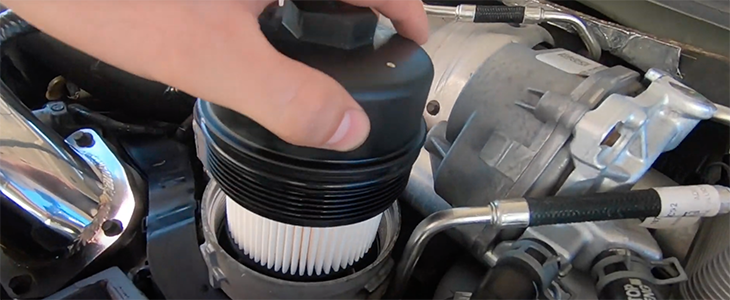
Locate the fuel filter on the engine. Place the container under the filter to catch any fuel spills. Use the wrench to loosen the filter carefully. Remove the filter and drain any fuel left inside. Check the filter housing for dirt and clean it with a rag.
Installing The New Filter
Compare the new filter with the old one to ensure a match. Lubricate the rubber seal of the new filter with clean diesel fuel. Screw the new filter into place by hand until tight. Use the wrench to tighten it securely, but do not over-tighten. Wipe away any spilled fuel.
Bleeding Air From The System
Air trapped in the fuel lines can cause engine problems. Use the hand primer pump to push fuel through the filter. Pump until you see clear fuel without bubbles. Check for leaks around the filter and tighten if needed. Start the engine and let it run for a few minutes to clear air fully.
Consequences Of Neglecting Fuel Filter Replacement
Neglecting to replace the fuel filter in a diesel engine can cause serious problems. The fuel filter removes dirt and debris from the fuel before it reaches the engine. Over time, the filter clogs and stops working well. This can harm the engine and affect your vehicle’s performance. Knowing the risks helps you avoid costly repairs and keeps your diesel engine running smoothly.
Engine Damage Risks
A clogged fuel filter reduces fuel flow to the engine. This causes the engine to run poorly or stall. Dirt and debris can enter the fuel system, damaging fuel injectors and pumps. These parts are expensive to fix or replace. Poor fuel flow may cause the engine to overheat or misfire, leading to long-term damage.
Increased Maintenance Costs
Ignoring fuel filter changes leads to bigger repair bills. Damaged fuel system parts cost more than a simple filter replacement. The engine may use more fuel due to poor combustion. This increases your fuel expenses. Fixing engine problems caused by dirty fuel is expensive and time-consuming.
Reduced Vehicle Reliability
A dirty fuel filter can cause the engine to stall unexpectedly. Your vehicle may lose power or hesitate during acceleration. This makes driving unsafe and frustrating. Regular fuel filter changes improve engine performance and reliability. Your diesel vehicle starts easily and runs smoothly every time.
Credit: www.bigboxcars.com.au
Tips For Maintaining Your Diesel Fuel System
Maintaining your diesel fuel system is key to keeping your engine running smoothly. A clean fuel system helps your vehicle perform better and last longer. Simple steps can prevent costly repairs and improve fuel efficiency.
Regular care protects your diesel engine from dirt and water in the fuel. It also helps avoid clogged filters and injector problems. Follow these tips to keep your diesel fuel system in top shape.
Regular Inspections
Check your fuel filter regularly for dirt or damage. Look for signs of leaks or cracks in the fuel lines. Early detection of issues prevents bigger problems later. Inspecting often saves money and time.
Using Quality Fuel
Choose clean, high-quality diesel fuel to reduce contaminants. Poor fuel can clog filters and harm engine parts. Buy fuel from trusted stations to ensure its purity. Clean fuel helps your engine run cleaner and smoother.
Professional Servicing
Have a mechanic check your fuel system during routine service. Professionals can spot hidden problems and replace filters on schedule. Regular servicing ensures your diesel system works efficiently. Trust experts to keep your engine healthy.
Credit: boodmo.com
Frequently Asked Questions
How Often Should Diesel Fuel Filters Be Replaced?
Diesel fuel filters should be changed every 10,000 to 15,000 miles. Check your vehicle manual for exact intervals. Regular changes prevent clogging and engine damage. Harsh conditions may require more frequent replacements. Always use high-quality filters for best performance.
What Signs Indicate A Clogged Diesel Fuel Filter?
A clogged fuel filter causes poor engine performance, difficulty starting, and reduced power. You may notice rough idling or stalling. Black smoke or unusual noises can also appear. If you experience these signs, inspect and replace the fuel filter promptly.
Can Neglecting Fuel Filter Changes Harm Diesel Engines?
Yes, neglecting fuel filter changes can damage diesel engines. Dirty filters reduce fuel flow, causing injector wear and engine misfires. This leads to costly repairs and reduced fuel efficiency. Regular maintenance ensures cleaner fuel delivery and protects engine components.
Is It Necessary To Change The Fuel Filter Annually?
Changing the fuel filter annually is advisable for most diesel vehicles. This prevents dirt buildup and maintains optimal fuel flow. However, the exact timing depends on driving conditions and manufacturer recommendations. Regular checks help determine if earlier replacement is needed.
Conclusion
Changing your diesel fuel filter regularly keeps your engine healthy. Most experts suggest changing it every 10,000 to 15,000 miles. Clean filters stop dirt from damaging engine parts. Ignoring this can cause poor performance and costly repairs. Check your owner’s manual for exact times.
Watch for signs like engine trouble or slow starts. Simple maintenance saves money and stress later. Keep your diesel running smoothly by staying on top of fuel filter changes. Small steps make a big difference.


