
You want your car to look its best, right? A shiny, well-protected finish doesn’t just make your vehicle stand out—it also keeps the paint safe from damage.
But how often should you get your car waxed to maintain that fresh, glossy look? If you’ve ever wondered whether waxing every month is overkill or if waiting too long could harm your car’s appearance, you’re in the right place.
Keep reading, and you’ll discover the perfect waxing schedule to keep your car shining and protected all year round.
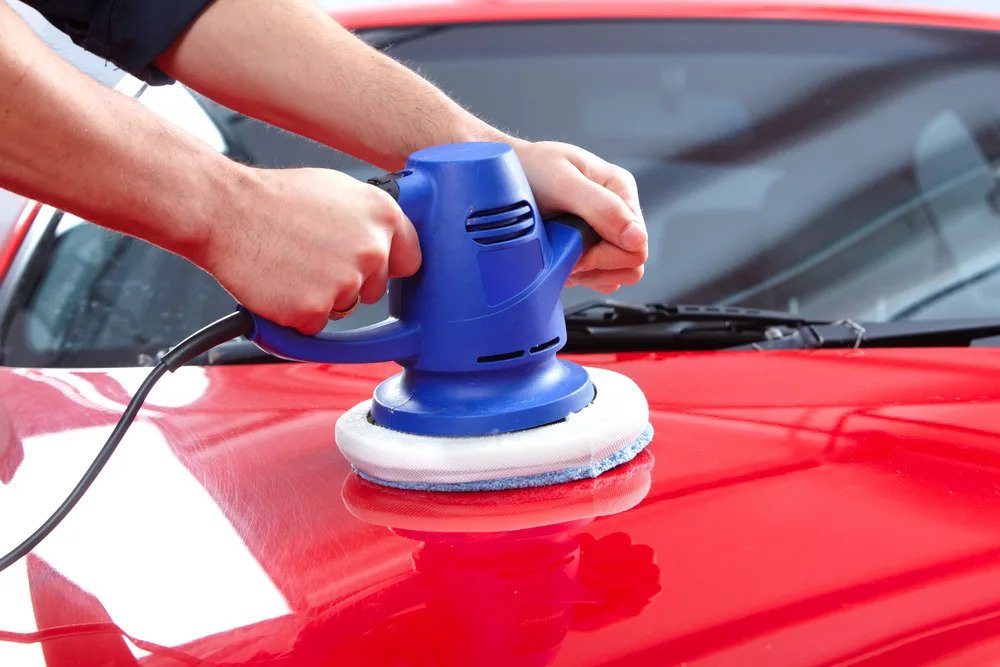
Credit: ethoscarcare.com
Benefits Of Car Waxing
Car waxing offers several important benefits that help keep your vehicle looking its best. It protects, shines, and makes cleaning easier. Regular waxing preserves your car’s appearance and value over time.
Protecting Paintwork
Wax forms a protective layer on your car’s paint. It shields the surface from harmful UV rays, preventing fading. Wax also guards against minor scratches and dirt damage. This layer helps stop rust and corrosion from developing.
Enhancing Shine
Waxing adds a deep, glossy shine to your car’s paint. It smooths out tiny imperfections, creating a polished look. This shine makes your car look newer and well cared for. A shiny car stands out on the road.
Repelling Dirt And Water
Wax causes water to bead and roll off the surface. This effect helps dirt and grime slide away easily. Waxed cars stay cleaner longer and require less frequent washing. Water spots and stains become less noticeable too.
Factors Affecting Waxing Frequency
Several factors influence how often you should wax your car. These factors affect the protection and shine wax provides. Knowing them helps you keep your car’s paint in good condition. The right waxing schedule depends on your specific situation.
Climate And Weather Conditions
Hot sun can wear off wax faster. Cars in dry, sunny places need waxing more often. Rain and snow also affect wax durability. Moisture can break down the wax layer. Salt used on icy roads can damage your paint. In areas with harsh weather, wax every few months.
Driving Habits
How and where you drive changes wax needs. Frequent highway driving exposes your car to wind and dust. Off-road driving adds dirt and scratches. Short trips cause less wear on wax. The more you drive, the quicker wax wears off. Adjust waxing frequency based on your driving style.
Type Of Wax Used
Different waxes last different times. Synthetic waxes often protect longer than natural ones. Carnauba wax gives a deep shine but may need frequent reapplication. Some waxes last three to six months. Check the product details for durability. Choose a wax that fits your needs and time.
Recommended Waxing Intervals
Knowing how often to wax your car helps keep its paint fresh and shiny. Waxing protects the surface from dirt, sun, and water damage. Different schedules work for different needs and climates. Choose the right interval to keep your car looking great.
Monthly Waxing
Waxing every month offers the best protection. It builds a strong layer against dirt and sun. Frequent waxing keeps the paint very smooth and shiny. This schedule suits cars parked outside daily. It also works well in harsh weather areas.
Quarterly Waxing
Waxing every three months suits most car owners. It balances protection and effort well. The wax layer stays effective for about 12 weeks. This timing keeps the paint safe from moderate sun and rain. It fits cars used regularly but kept in a garage sometimes.
Biannual Waxing
Waxing twice a year is the minimum for paint care. It helps keep a basic shield on the surface. This schedule fits cars stored indoors or driven less often. It still protects against dust and light weather damage. For best results, clean the car well before waxing.
Signs Your Car Needs Waxing
Knowing when your car needs waxing helps keep its paint fresh and protected. Wax shields your car from dirt, sun, and rain. Watch for signs that show the wax is wearing off. These signals tell you it’s time to wax again.
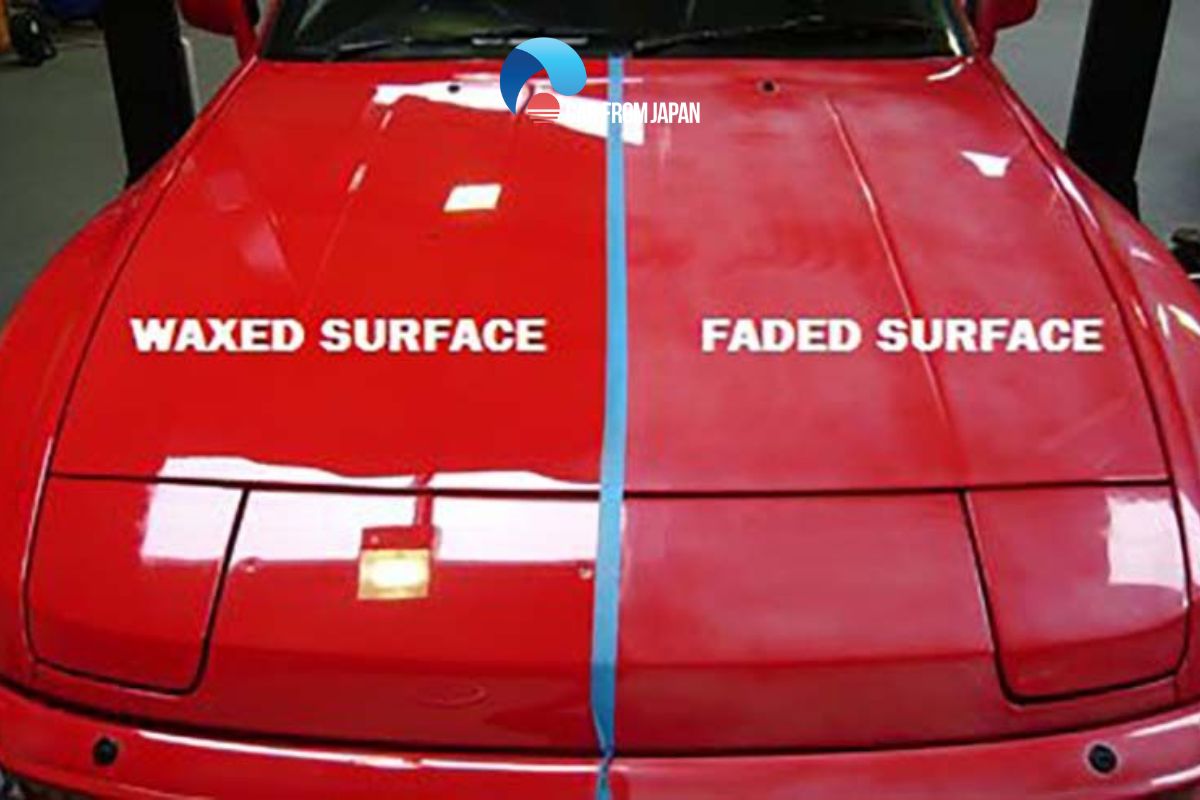
Dull Or Faded Paint
Car paint looks shiny when waxed well. If the paint looks dull or faded, wax may be gone. Sun and weather wear down the wax layer. A dull surface means the paint needs more protection. Waxing restores the shine and guards paint.
Water Spots And Streaks
Water beads on a waxed car surface. Drops roll off, leaving no marks. If water leaves spots or streaks, wax has worn off. These stains can damage paint over time. Wax creates a smooth surface that repels water.
Surface Contamination
Dirt, dust, and bugs stick more without wax. A clean car with wax repels grime easily. Sticky or rough spots show wax loss. Contaminants can cause scratches and damage paint. Wax protects your car by keeping dirt away.
Choosing The Right Wax
Choosing the right wax is key to protecting your car’s paint. It keeps the shine bright and shields against dirt and weather. Different waxes suit different needs and paint types. Understanding these options helps you pick the best one for your vehicle.
Natural Vs Synthetic Waxes
Natural waxes come from carnauba, a plant wax. They give a deep, warm shine. These waxes last a few weeks and need careful application.
Synthetic waxes are made in labs. They last longer, up to several months. They are easier to apply and provide strong protection.
Choose natural wax for a rich shine. Pick synthetic for longer-lasting defense.
Paste, Liquid, And Spray Options
Paste wax is thick and solid. It offers the best protection but takes time to apply. Use a soft cloth to rub it on evenly.
Liquid wax spreads easily and dries fast. It balances protection and ease of use well.
Spray wax is the quickest to apply. It gives a light shine and is good for quick touch-ups.
Pick paste for deep protection. Use liquid for regular waxing. Spray works well for fast shine.
Wax For Different Paint Types
Metallic paint needs wax that highlights its sparkle. Look for waxes labeled for metallic finishes.
Matte paint requires special waxes that protect without adding shine. Regular wax can damage matte finishes.
Glossy paint benefits from most waxes, but synthetic options last longer on this type.
Match your wax to your paint for best results and lasting protection.
Credit: carfromjapan.com
Diy Waxing Tips
Waxing your car at home saves money and keeps it shining. Doing it right protects the paint and extends the wax’s life. Follow simple steps to get the best results.
Preparing The Surface
Start with a clean car. Wash it well to remove dirt and grime. Dry the car completely before waxing. Check for any scratches or chips. Fix small problems to avoid sealing dirt under the wax.
Applying Wax Correctly
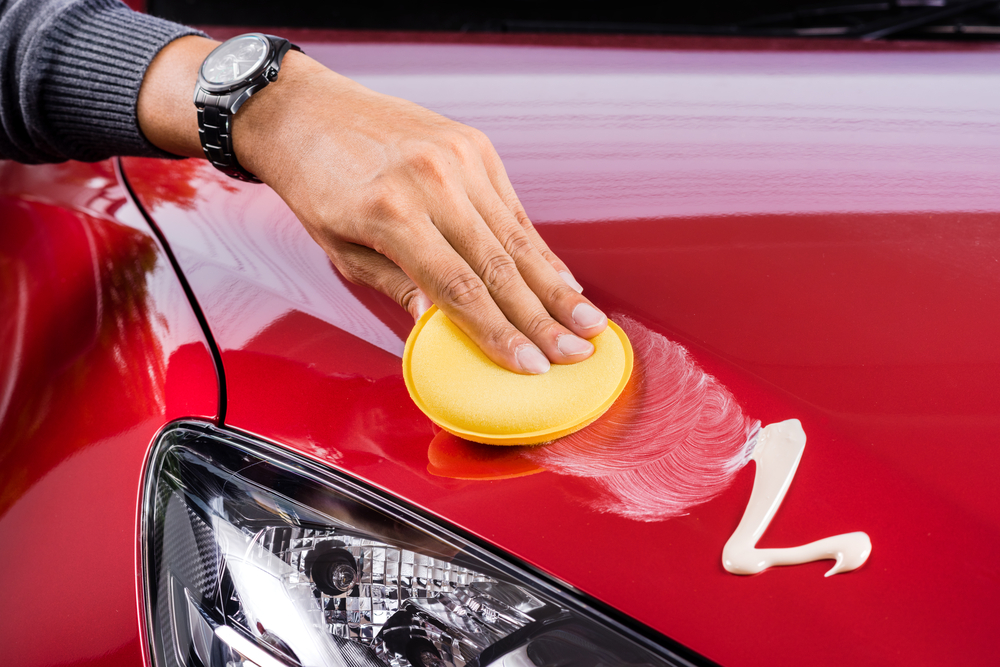
Use a soft applicator pad for an even spread. Apply a thin, even layer of wax in small sections. Move in circular motions to cover all areas. Avoid thick layers; they take longer to dry.
Buffing For Best Results
Let the wax dry until it looks hazy. Use a clean microfiber cloth to buff the surface gently. Use light pressure and circular motions to bring out the shine. Buffing removes excess wax and smooths the finish.
Professional Waxing Services
Professional waxing services offer a thorough and lasting shine for your car. Experts use quality products and tools to protect your vehicle’s paint. This service can extend the life of your wax and keep your car looking newer for longer. Choosing professional waxing can save time and effort, especially for busy car owners.
When To Seek Experts
Choose professional waxing if you want a deep, even coat. If your car’s paint shows signs of wear, experts can restore its shine. Professionals handle hard-to-reach areas better than DIY methods. Also, if you lack the right tools or space, professionals are a smart choice.
Cost And Benefits
Professional waxing costs more than doing it yourself. Prices vary based on car size and service quality. The benefit is a longer-lasting finish and better protection against dirt and UV rays. Professionals also remove minor scratches and imperfections during waxing.
What To Expect
The process starts with washing and drying your car carefully. Then, the expert applies wax evenly using special tools. After application, the wax is buffed to a smooth shine. The whole process can take one to two hours depending on the car size.
Credit: www.peoriavw.com
Frequently Asked Questions
How Often Should I Wax My Car For Best Protection?
Wax your car every three months for optimal paint protection. This frequency shields against dirt, UV rays, and moisture effectively. Regular waxing maintains shine and prevents paint damage, extending your car’s lifespan. Adjust based on weather and usage for best results.
Can Waxing Frequency Vary By Climate Or Location?
Yes, waxing frequency depends on your local climate. Hot, sunny areas may require waxing every 6-8 weeks. Humid or rainy regions might need it more often to prevent water damage. Tailor your waxing schedule to your environment for maximum protection.
Does Frequent Waxing Damage My Car’s Paint?
No, frequent waxing does not damage paint if done properly. Using quality wax and proper techniques keeps the paint safe. Over-waxing with harsh products may cause buildup, so follow recommended intervals and use gentle waxes.
Is Professional Waxing Better Than Diy Waxing?
Professional waxing offers expert application and longer-lasting protection. They use high-quality products and tools for a flawless finish. DIY waxing is cost-effective but may lack durability. Choose based on your budget, time, and desired results.
Conclusion
Regular car waxing keeps your vehicle shiny and protected. Most experts suggest waxing every three months. This schedule helps fight dirt, sun, and water damage. If you live in harsh weather, wax more often. Clean your car well before applying wax.
This routine saves money on paint repairs later. A well-waxed car looks newer and lasts longer. Protect your investment with simple, regular care. Waxing is easy and worth the effort. Keep your car looking its best all year.


