

You want your car to look shiny and new, right? Waxing your car is one of the best ways to protect its paint and keep it gleaming.
But how often should you wax your car at a car wash to get the best results? If you’re unsure about the right timing, you’re not alone. This simple question can make a big difference in how your car looks and lasts over time.
Keep reading, and you’ll discover the perfect waxing schedule that fits your routine and keeps your car looking its absolute best.
Benefits Of Waxing
Waxing your car regularly brings many benefits. It keeps your vehicle looking fresh and new. Wax acts as a shield against dirt and damage. It helps maintain the car’s value over time.
Protecting Paint
Wax forms a thin layer on the car’s surface. This layer protects the paint from harmful elements. Sunlight, rain, and dust can cause paint to fade. Wax stops these elements from reaching the paint. It also prevents scratches and minor chips.
Enhancing Shine
Wax gives your car a deep, rich shine. It smooths the surface, making it glossy and bright. A shiny car looks clean and well cared for. Wax helps highlight the car’s true color. It makes your vehicle stand out on the road.
Preventing Damage
Wax helps stop damage from salt, bird droppings, and bugs. These substances can eat into the paint. Wax creates a barrier that is easy to clean. It reduces the chance of rust and stains. Regular waxing keeps your car stronger for longer.
Credit: www.fbitn.com
Factors Influencing Wax Frequency
Knowing how often to wax your car depends on several key factors. These factors affect how quickly the wax wears off and how often you need to reapply it. Understanding them helps keep your car’s paint protected and shiny for longer.
Climate Impact
Weather plays a big role in wax frequency. Hot sun can fade wax faster. Rain and snow can wash it away. Humid areas may cause wax to break down sooner. Dry climates might let wax last longer. Adjust waxing time based on your local weather.
Driving Habits
How often you drive matters too. Long trips expose your car to more dirt and debris. City driving means more stops and starts, which can scratch the paint. Off-road or rough roads increase wear. The more you drive, the more often you should wax.
Car Color And Finish
Light colors hide scratches better but may need wax often for shine. Dark colors show swirl marks easily and lose shine fast. Glossy finishes need regular waxing to stay smooth. Matte finishes require special care and less frequent waxing.
Recommended Waxing Intervals
Knowing the right time to wax your car helps keep its shine and protection strong. Waxing too often can waste time and money. Waxing too little can leave your car exposed to dirt and damage. Follow these recommended waxing intervals for best results.
Monthly Waxing
Monthly waxing works well for cars exposed to harsh weather daily. It keeps the paint smooth and guards against dirt buildup. This frequent waxing helps maintain a deep shine on your vehicle. Use a quality wax at your local car wash for best results.
Seasonal Waxing
Seasonal waxing means applying wax every three to four months. This schedule suits most drivers and climates. It offers good protection against rain, sun, and dust. Waxing at the start of each season keeps your car looking fresh and clean.
Waxing For New Cars
New cars benefit from a fresh wax coat soon after purchase. Waxing within the first two months seals the paint and enhances shine. After that, follow a seasonal waxing routine to protect the new finish. This simple step extends your car’s beauty and value.

Credit: ethoscarcare.com
Types Of Car Wax
Car wax comes in different types. Each type offers unique benefits for your vehicle. Understanding these can help you choose the best wax for your car. This choice affects how your car looks and how long the shine lasts.
Some waxes are easy to apply. Others take more time but last longer. Knowing about natural and synthetic waxes, spray wax, and paste or liquid wax will guide your decision. Let’s explore these types in detail.
Natural Vs Synthetic
Natural wax often contains carnauba, a plant-based ingredient. It gives a deep, warm shine. Natural wax protects paint but may need frequent reapplication. Synthetic wax is made from polymers. It forms a strong shield on the car’s surface. Synthetic wax lasts longer and repels water better than natural wax.
Spray Wax
Spray wax is quick and easy to use. It works well for a light shine between washes. You spray it on and wipe off with a cloth. Spray wax does not last as long as paste or liquid wax. It is perfect for touch-ups and fast shine.
Paste And Liquid Wax
Paste wax is thick and solid. It takes more effort to apply but gives a strong, long-lasting shine. Liquid wax is easier to spread than paste. It offers good protection and shine but usually wears off faster than paste. Both types need buffing to bring out the best gloss.
Waxing At A Car Wash
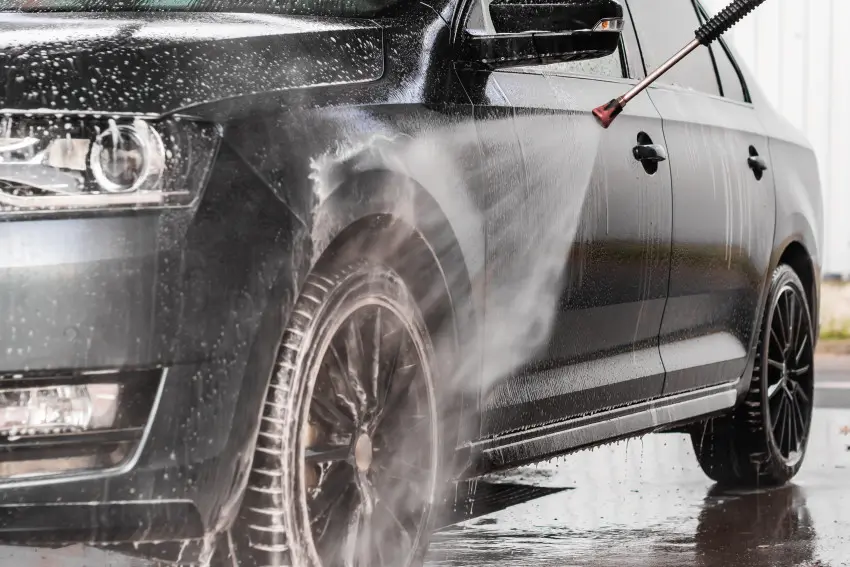
Waxing at a car wash helps keep your car shiny and protected. Regular waxing shields your car’s paint from dirt, sun, and water damage. Many car washes offer waxing services that save time and effort. Understanding the options at car washes helps you choose the best care for your vehicle.
Professional Services
Car washes often provide professional waxing as part of their service. Experts use quality wax products and tools for even coverage. This service usually includes cleaning and drying before waxing. Professionals can apply wax quickly and efficiently. Your car gets a smooth, glossy finish that lasts weeks.
Diy Waxing Options
Some car washes have self-service wax stations. You can apply wax yourself using provided machines or spray bottles. This option is cheaper but needs more effort. Follow instructions carefully for best results. DIY waxing helps maintain your car’s shine between professional waxes.
Cost Considerations
Waxing prices vary at different car washes. Professional waxing costs more than DIY options. Check if waxing is included in your wash package. Regular waxing might save money by preventing paint damage. Choose a waxing option that fits your budget and needs.
Signs Your Car Needs Waxing
Knowing when your car needs waxing helps keep it looking great. Wax protects your paint from dirt and sun damage. It also makes your car shine and look new. Watch for signs that show your car’s wax is wearing off. These signs tell you it is time for a wax at the car wash.
Dull Appearance
When your car’s shine fades, it looks dull and tired. The paint may lose its gloss and seem rough. A dull finish means the wax layer has worn away. Wax adds a smooth, shiny surface. Without it, your car looks older and less cared for.
Water Beading Reduction
Wax causes water to bead and roll off your car. If water spreads out and sticks to the surface, wax is gone. Lack of water beading shows the protective layer is missing. This means dirt and water can harm the paint more easily.
Surface Contamination
Wax helps stop dirt, dust, and grime from sticking. If your car feels sticky or rough after washing, wax may be gone. Surface contamination builds up faster without wax. This makes your car harder to clean and can damage the paint.
Waxing Tips For Best Results
Waxing your car at a car wash keeps its shine and protects the paint. Following simple tips helps get the best results. These tips cover how to prepare the surface, apply wax correctly, and avoid common mistakes. Proper care makes your wax last longer and your car look great.
Proper Surface Preparation
Clean the car thoroughly before waxing. Dirt and dust can cause scratches during waxing. Use soap and water to wash the car well. Dry the car completely with a soft towel. Make sure the surface is cool and shaded. Warm surfaces make wax hard to spread.
Application Techniques
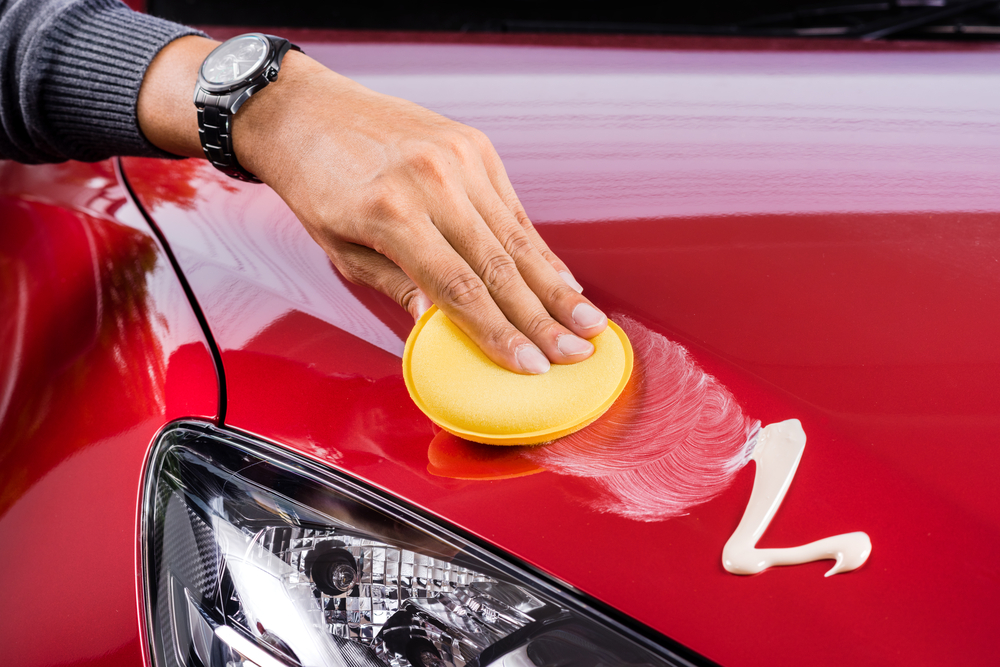
Apply wax in small sections for better control. Use a soft applicator pad or cloth. Spread wax evenly in circular motions. Let the wax dry until it looks hazy. Wipe off the wax with a clean microfiber cloth. Buff the surface gently to bring out the shine.
Avoiding Common Mistakes
Do not wax a dirty or wet car. Avoid applying too much wax at once. Too much wax makes it hard to remove. Skip waxing under direct sunlight or on hot surfaces. Do not use harsh chemicals or abrasive tools. These can damage the paint and reduce shine.
Credit: www.peoriavw.com
Frequently Asked Questions
How Often Should I Wax My Car At A Car Wash?
You should wax your car every 3 to 4 months at a car wash. This frequency protects the paint and maintains shine. Regular waxing helps prevent dirt buildup and weather damage.
What Are The Benefits Of Waxing At A Car Wash?
Waxing at a car wash protects your car’s paint from UV rays and pollutants. It enhances shine and makes cleaning easier. Wax also adds a protective layer that repels water and dirt.
Can Frequent Waxing Damage My Car’s Paint?
No, frequent waxing won’t damage your car’s paint if done properly. Using high-quality wax and a professional car wash ensures safe application. Over-waxing can be avoided by following recommended intervals.
Is Waxing Necessary After Every Car Wash?
Waxing is not needed after every car wash. Washing removes dirt, while waxing adds protection. Wax every few months or as needed, depending on exposure and weather conditions.
Conclusion
Waxing your car every few months keeps its paint safe and shiny. Regular waxing protects from dirt, rain, and sun damage. It also makes washing your car easier. Avoid waxing too often to prevent build-up. Choose a good quality wax for the best results.
A clean, waxed car looks better and lasts longer. Remember, a little care goes a long way. Keep your car looking fresh with proper waxing habits. Simple steps make a big difference in car care.

