

Have you ever wondered how often you should replace the fuel filter in your vehicle? Ignoring this simple part can lead to costly repairs and poor engine performance.
Your fuel filter plays a crucial role in keeping your engine clean and running smoothly by trapping dirt and debris. But how do you know when it’s time for a change? You’ll discover the signs to watch for, the risks of waiting too long, and easy steps to keep your car’s fuel system in top shape.
Keep reading to make sure your vehicle stays reliable and efficient every time you hit the road.
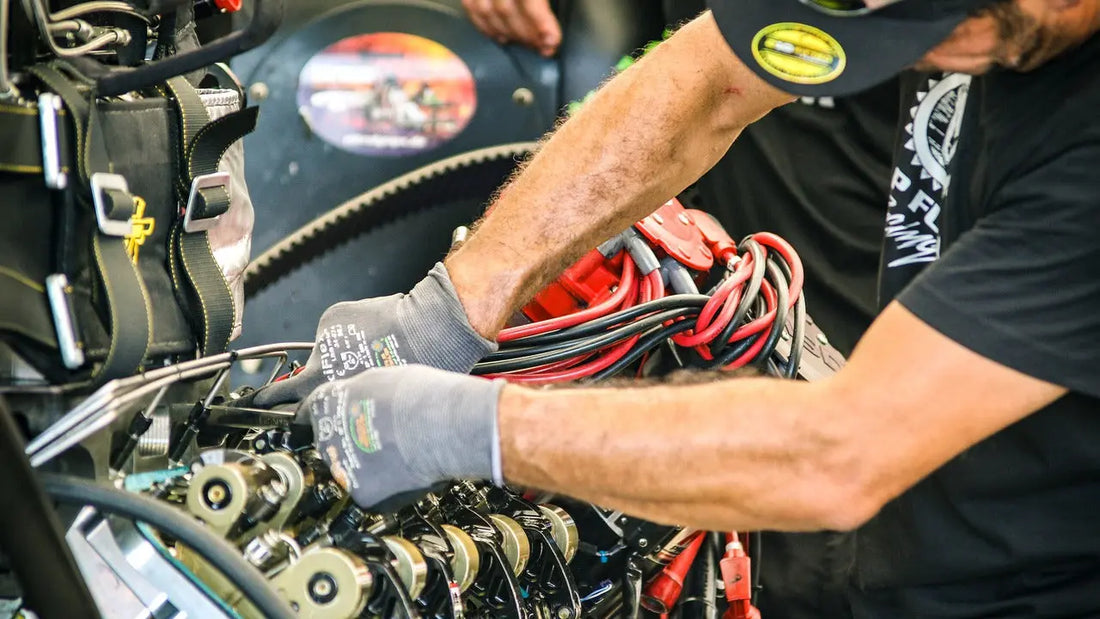
Credit: www.ievilenergy.com
Role Of A Fuel Filter
The fuel filter plays a key role in your vehicle’s fuel system. It keeps the fuel clean by trapping dirt and debris. This protects the engine from damage and helps it run smoothly. Understanding the fuel filter’s role helps you know why replacing it matters.
Fuel Filter Function
The fuel filter cleans the gasoline before it reaches the engine. Fuel can have dust, rust, or other small particles. The filter blocks these impurities from entering the engine. This prevents clogs and wear inside the fuel injectors and engine parts.
Without a clean fuel filter, dirty fuel can cause engine problems. The filter helps maintain fuel flow and engine health. It acts as a shield, keeping harmful particles out of the engine’s fuel system.
Impact On Engine Performance
A clogged fuel filter reduces fuel flow to the engine. This causes poor engine performance and less power. The engine may hesitate or stall during driving. Fuel efficiency also drops, leading to higher fuel costs.
Replacing the fuel filter regularly keeps the engine running well. It helps maintain smooth acceleration and steady power. Clean fuel means better combustion and less engine strain. This supports long-term engine reliability and saves money on repairs.
Signs Of A Clogged Fuel Filter
A clogged fuel filter can cause several issues with your vehicle. It stops fuel from flowing smoothly to the engine. This can hurt your car’s performance and cause damage over time.
Recognizing the signs of a clogged fuel filter helps you fix problems early. Your car may show different symptoms as the filter gets dirtier. Pay attention to these signs to keep your engine running well.
Reduced Engine Power
Your car might feel weak or slow. It may not accelerate as fast as before. This happens because the engine is not getting enough fuel. A clogged fuel filter limits fuel flow and reduces power.
Starting Problems
The engine may take longer to start or fail to start. This happens when fuel cannot reach the engine quickly. A dirty fuel filter blocks the fuel supply, causing starting troubles.
Engine Misfires
The engine may run unevenly or jerk while driving. This is called misfiring and can damage the engine. A clogged fuel filter can cause misfires by disrupting fuel flow.
Recommended Replacement Intervals
Knowing the right time to replace your fuel filter helps keep your engine running smoothly. The fuel filter stops dirt and debris from reaching the engine. Over time, it clogs and needs changing. Replacing it on time avoids engine problems and saves money on repairs. The replacement schedule depends on various factors. Understanding these helps you care for your vehicle better.
Manufacturer Guidelines
Car makers provide a recommended schedule for fuel filter changes. This schedule is based on tests and engine needs. Usually, it is every 20,000 to 40,000 miles. Check your owner’s manual for exact numbers. Following these guidelines keeps your warranty valid. It also helps your car run efficiently. Skipping this advice can cause engine damage over time.
Driving Conditions Influence
Driving habits and environment affect how often you change the fuel filter. Dusty or rough roads clog the filter faster. Short trips that don’t warm the engine fully can also cause buildup. Heavy traffic with frequent stopping wears the filter more. If you drive in these conditions, change the filter sooner. Regular checks help spot problems early. Adjust your replacement schedule to match your driving style.
Factors Affecting Fuel Filter Life
The life of a fuel filter depends on many factors. These factors can change how often you need to replace it. Knowing them helps keep your vehicle running smoothly. It also prevents damage to the engine.
Fuel Quality
Fuel quality has a big impact on fuel filter life. Dirty or low-quality fuel clogs the filter faster. High-quality fuel contains fewer impurities. Clean fuel means the filter works longer. Using poor fuel requires more frequent filter changes.
Environmental Conditions
Dusty or dirty environments affect the fuel filter. Driving in dusty areas fills the filter with dirt quickly. Wet or humid conditions can cause rust inside the filter. Clean, dry areas help the filter last longer. Tough environments need more attention to filter care.
Vehicle Type
Different vehicles use different filters. Some have larger filters that last longer. Others need smaller, more frequent replacements. Diesel engines usually need more filter changes than gasoline engines. Heavy-duty trucks face more strain on fuel filters. Understanding your vehicle helps plan filter replacement.
Steps To Replace A Fuel Filter
Replacing the fuel filter is a key part of car care. It keeps the fuel clean and the engine running well. The process is simple but needs care and the right tools. Follow these steps to change your fuel filter safely and correctly.
Tools Needed
Gather these tools before starting. You will need a wrench set, screwdrivers, and a new fuel filter. Also, have a container to catch fuel and some rags for spills. Gloves and safety glasses protect your hands and eyes. A jack and stands might be required to lift the car.
Safety Precautions
Work in a well-ventilated area to avoid fuel fumes. Turn off the engine and let it cool down. Disconnect the battery to stop sparks. Keep fire sources away from the work area. Wear gloves and glasses to protect your skin and eyes from fuel.
Replacement Procedure
Locate the fuel filter under the car or near the engine. Use the wrench to loosen the fuel lines connected to the filter. Be ready to catch any leaking fuel. Remove the old filter carefully. Install the new filter in the same position. Tighten the fuel lines securely. Reconnect the battery and start the engine. Check for leaks and proper fuel flow.
Consequences Of Neglecting Replacement
Neglecting to replace the fuel filter can lead to serious problems for your vehicle. The fuel filter keeps dirt and debris out of the engine. Over time, it gets clogged and stops working well. This causes many issues that affect your car’s performance and safety.
Engine Damage Risks
A dirty fuel filter can cause poor fuel flow. This makes the engine run lean, causing overheating and damage. Small particles can enter the engine and scratch vital parts. Engine damage is costly and reduces vehicle life.
Fuel System Issues
Clogged filters put extra stress on the fuel pump. This can cause the pump to fail early. Fuel injectors may also get clogged, leading to rough idling and poor acceleration. Fuel system problems reduce driving comfort and efficiency.
Increased Repair Costs
Ignoring the fuel filter leads to bigger, more expensive repairs. Fixing the engine or fuel system costs much more than replacing a filter. Regular filter changes prevent costly breakdowns and save money over time.
Tips To Extend Fuel Filter Life
Extending the life of your fuel filter helps your car run smoothly. It also saves money on repairs. Small actions can make a big difference. Follow these tips to keep your fuel filter working longer.
Each tip focuses on easy habits anyone can do. These habits protect your fuel system and improve engine performance.
Regular Maintenance
Change your fuel filter as the car manual suggests. Regular changes stop dirt from building up. Keep the fuel system clean by following the service schedule. Regular oil and air filter changes also help the fuel filter last longer.
Using Quality Fuel
Choose fuel from trusted gas stations. Good fuel has fewer impurities that harm the filter. Avoid cheap or low-quality fuel. Clean fuel reduces clogging and keeps the filter working well. This protects your engine from damage.
Timely Inspections
Check the fuel filter during routine car checks. Look for signs of wear or clogging. A quick inspection can catch problems early. Replace the filter if you notice rough engine running or poor acceleration. Early action extends the filter’s life and prevents bigger issues.
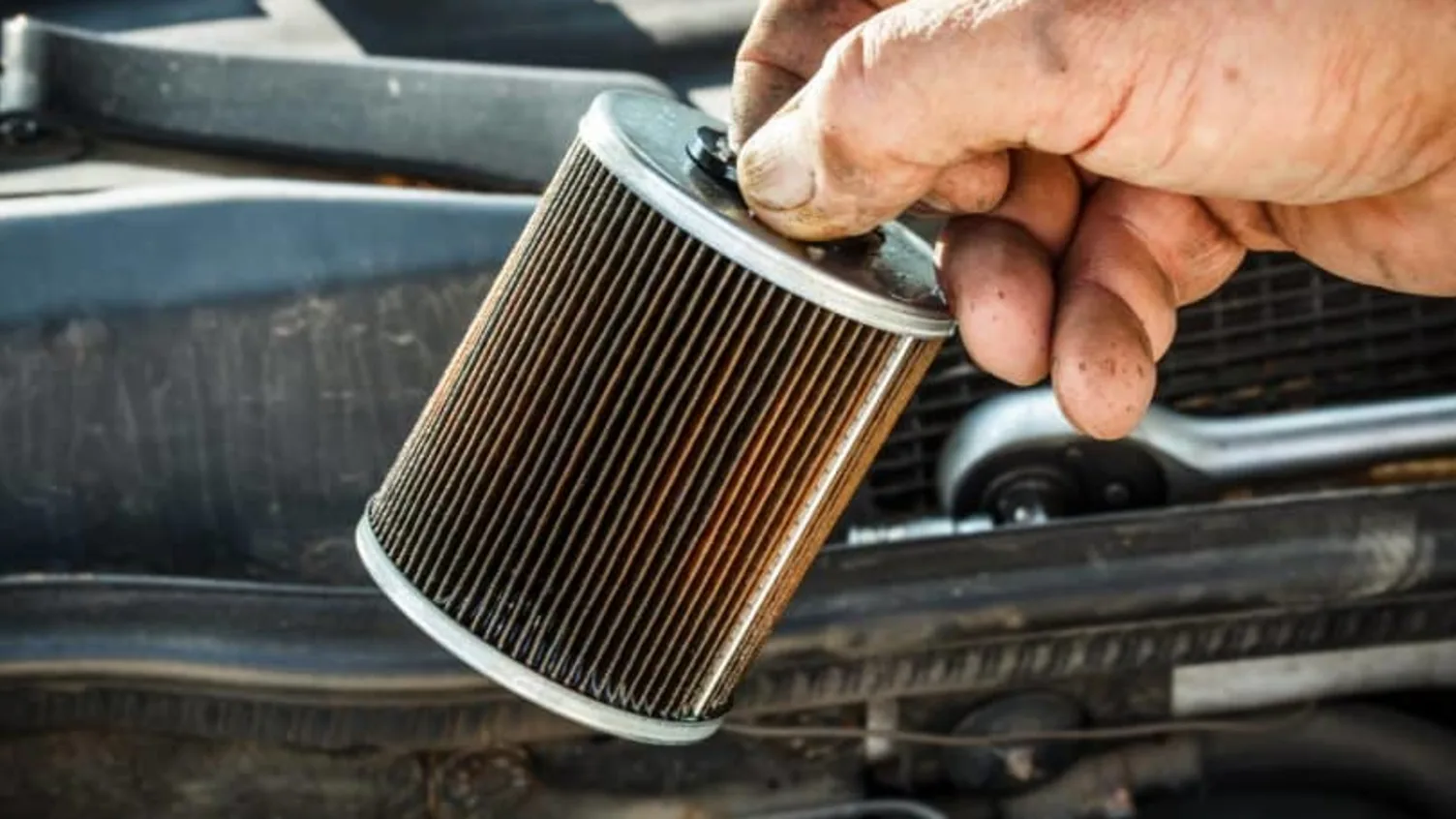
Credit: www.bigboxcars.com.au

Credit: www.mercedesbenzportland.com
Frequently Asked Questions
How Often Should You Replace A Fuel Filter?
Replace your fuel filter every 20,000 to 40,000 miles. Check your vehicle’s manual for specific intervals. Regular replacement prevents clogging and maintains engine performance.
What Are Signs Of A Clogged Fuel Filter?
Common signs include engine misfires, poor acceleration, and difficulty starting. You might also notice reduced fuel efficiency. These indicate your fuel filter needs replacement.
Can A Dirty Fuel Filter Damage My Engine?
Yes, a dirty filter restricts fuel flow, causing engine strain. This can lead to misfires and reduced power. Timely replacement protects your engine from damage.
Is Fuel Filter Replacement Diy Or Professional?
Fuel filter replacement can be DIY if you have mechanical skills. However, professional service ensures proper installation and safety. Check your vehicle’s design before attempting.
Conclusion
Replacing the fuel filter keeps your engine clean and running well. Dirty filters block fuel flow and cause problems. Check your car manual for the right replacement time. Regular changes help save money on repairs later. Clean fuel filters improve fuel efficiency and engine life.
Don’t wait for signs of trouble to act. Keep your vehicle healthy with timely fuel filter changes. Simple steps can prevent big issues down the road. A well-maintained fuel filter means smoother rides ahead.


