

If you want your lawn mower to run smoothly and last longer, knowing when to change the fuel filter is key. Ignoring this small part can lead to big problems, like poor performance or even engine damage.
You might wonder how often you really need to replace it to keep your mower in top shape. You’ll discover simple tips and clear answers that save you time, money, and frustration. Keep reading to find out exactly when and why changing your fuel filter matters for your lawn mower’s health.
Signs Of A Dirty Fuel Filter
A dirty fuel filter can cause many problems for your lawn mower. It blocks fuel flow and reduces engine power. Recognizing the signs early helps keep your mower running smoothly.
Watch for changes in how your mower performs. Small issues can signal a clogged filter. Acting fast can prevent bigger damage and expensive repairs.
Engine Performance Issues
A clogged fuel filter limits fuel to the engine. Your mower may run roughly or stall often. You might notice a loss of power on hills or thick grass. The engine can sputter or hesitate during use.
Starting Problems
Dirty fuel filters make starting the mower hard. The engine may crank but fail to start. Sometimes it takes several tries to get the engine going. This happens because the fuel flow is blocked or weak.
Fuel Efficiency Drop
A bad fuel filter affects how well fuel burns. Your mower will use more fuel than usual. You may need to refill the tank more often. Poor fuel flow causes the engine to work harder, wasting fuel.

Credit: www.youtube.com
Recommended Replacement Intervals
Knowing the right time to change the fuel filter on a lawn mower helps keep it running well. Changing the filter too late may cause engine problems. Changing it too early can waste money and resources. Follow clear guidelines for the best results.
Manufacturer Guidelines
Check the mower’s manual for fuel filter replacement advice. Most makers suggest changing it every 25 to 50 hours of use. Some models need replacement once every season. Always follow the specific instructions for your mower model.
Usage-based Timing
The more you use the mower, the sooner the filter clogs. Heavy use means changing the filter more often. Light or occasional use allows for longer intervals. Track your mowing hours to plan filter changes well.
Seasonal Considerations
Fuel filters may clog faster in dusty or wet seasons. Change the filter before and after the mowing season. This prevents dirt buildup and fuel contamination. Proper timing helps your mower start easily each season.
Choosing The Right Fuel Filter
Choosing the right fuel filter for your lawn mower is important. A good filter keeps dirt and debris out of the engine. This helps the mower run smoothly and last longer. Picking the correct filter saves you time and money on repairs.
Filter Types
Fuel filters come in several types. The most common are inline filters and cartridge filters. Inline filters fit directly into the fuel line. Cartridge filters sit inside a casing near the engine. Each type works well but check your mower’s manual for the best match.
Compatibility With Lawn Mower Models
Every lawn mower model has specific filter needs. Using a wrong filter can cause damage or poor performance. Check the mower’s brand and model number before buying. Many stores list filters by mower compatibility. This helps avoid mistakes and ensures a proper fit.
Quality And Brand Options
Quality matters when choosing a fuel filter. Cheap filters may clog quickly or break. Trusted brands often use better materials and testing. This means longer filter life and engine protection. Consider spending a little more for a reliable filter that lasts.
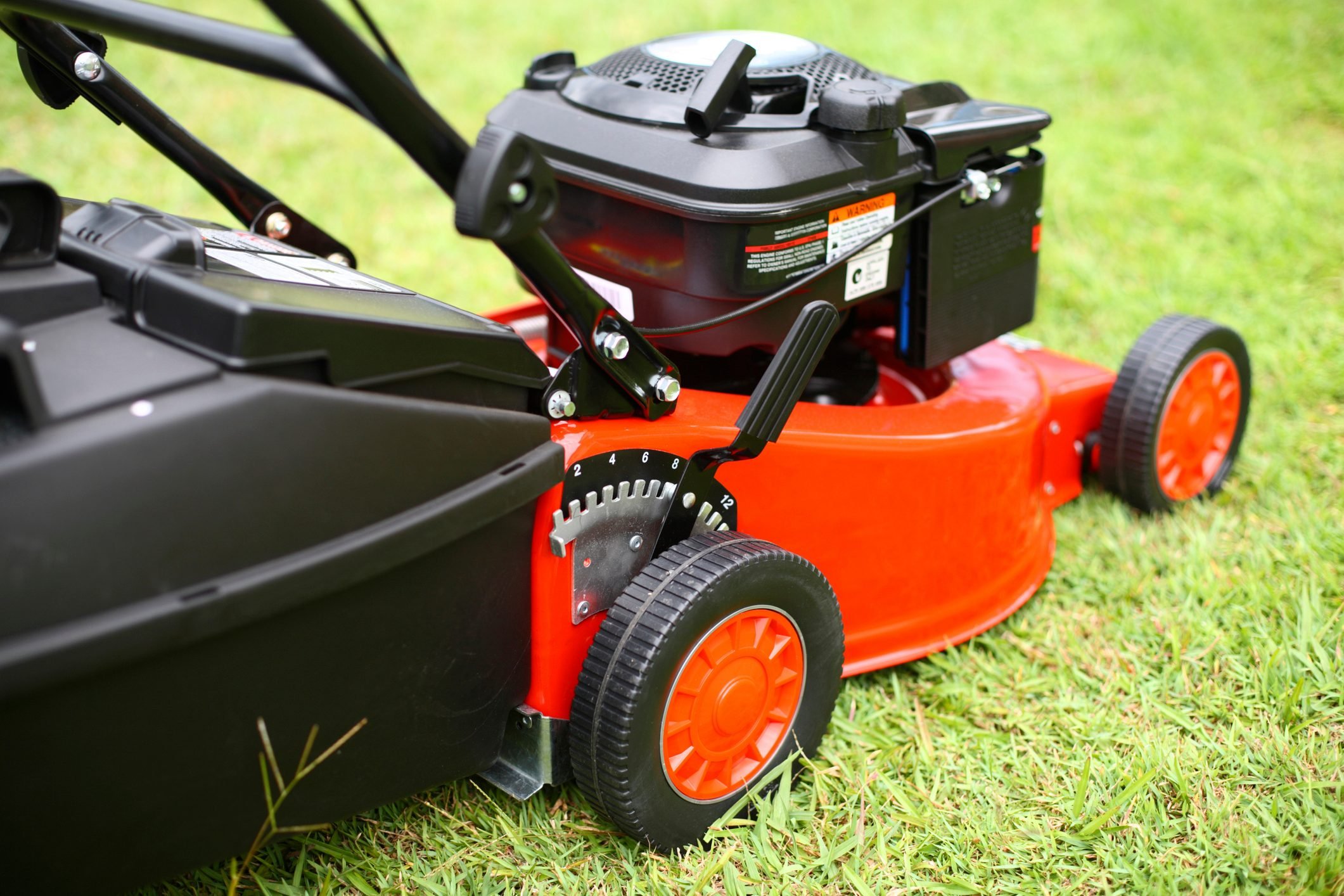
Credit: www.familyhandyman.com
Step-by-step Replacement Process
Changing a lawn mower’s fuel filter involves a few easy steps. First, remove the old filter carefully. Next, install the new filter and secure it tightly. Regular replacement keeps the mower running smoothly and prevents engine issues.
Changing the fuel filter on your lawn mower keeps the engine running smoothly. A clean fuel filter stops dirt and debris from reaching the engine. This step-by-step guide makes the replacement easy and clear.
Follow each step carefully to avoid mistakes and damage. The process is simple and does not take much time.
Tools Needed
- Screwdriver (flathead or Phillips)
- Pliers
- New fuel filter
- Rag or paper towels
- Container to catch fuel
Removing The Old Filter
Turn off the lawn mower and disconnect the spark plug wire. This stops accidental starting.
Locate the fuel filter along the fuel line. Use pliers to loosen clamps holding the filter.
Place a container under the filter to catch any spilled fuel. Carefully remove the old filter from the fuel line.
Use a rag to clean any spilled fuel and dirt around the area.
Installing The New Filter
Check the arrow on the new filter. It shows fuel flow direction.
Insert the new filter into the fuel line. Make sure it fits snugly.
Tighten the clamps with pliers to secure the filter. Avoid overtightening to prevent damage.
Reconnect the spark plug wire. Your lawn mower is ready to use.
Safety Precautions
Always work in a well-ventilated area. Fuel fumes can be harmful.
Wear gloves to protect your hands from fuel and dirt.
Keep sparks and open flames far from the work area. Fuel is highly flammable.
Dispose of the old filter and any spilled fuel properly. Follow local regulations.
Maintenance Tips For Fuel System
Keeping your lawn mower’s fuel system clean is key to its good performance. Proper maintenance prevents engine problems and extends mower life. Simple daily habits help maintain fuel quality and system health.
Fuel Quality
Use fresh fuel to protect the engine. Old fuel can cause clogs and poor running. Buy fuel from trusted sources only. Avoid using fuel with high ethanol content. Ethanol can damage small engines quickly.
Storage Practices
Store fuel in clean, sealed containers. Keep fuel away from heat and sunlight. Drain fuel from the mower before long storage. This prevents varnish and gum buildup. Use fuel stabilizer if fuel stays longer than 30 days.
Regular Inspections
Check the fuel filter often for dirt and damage. Replace the filter if it looks clogged or worn. Inspect fuel lines for cracks or leaks. Clean the fuel tank and carburetor yearly. Regular checks keep fuel flowing smoothly.
Troubleshooting Fuel Filter Issues
Troubleshooting fuel filter issues helps keep your lawn mower running smoothly. Fuel filters stop dirt and debris from reaching the engine. Over time, they can get clogged or dirty. This causes the mower to run poorly or not start at all. Knowing how to spot and fix these problems saves time and money. It also prevents bigger engine damage.
Common Problems
A clogged fuel filter is the most common issue. It blocks fuel flow and makes the engine sputter or stall. Another problem is fuel leaks around the filter. This can cause fuel smell and loss of power. Sometimes, the filter gets damaged or cracked. This lets dirt pass through and harms the engine. Dirty fuel filters also cause rough idling and hard starting.
When To Seek Professional Help
Call a professional if the mower still runs poorly after changing the filter. Complex fuel system issues need expert tools and knowledge. If you notice fuel leaks that you cannot fix, get help. Mechanics can safely replace parts and check for other problems. Seek help for strange noises or smoke from the engine. Early professional care keeps your mower healthy and reliable.
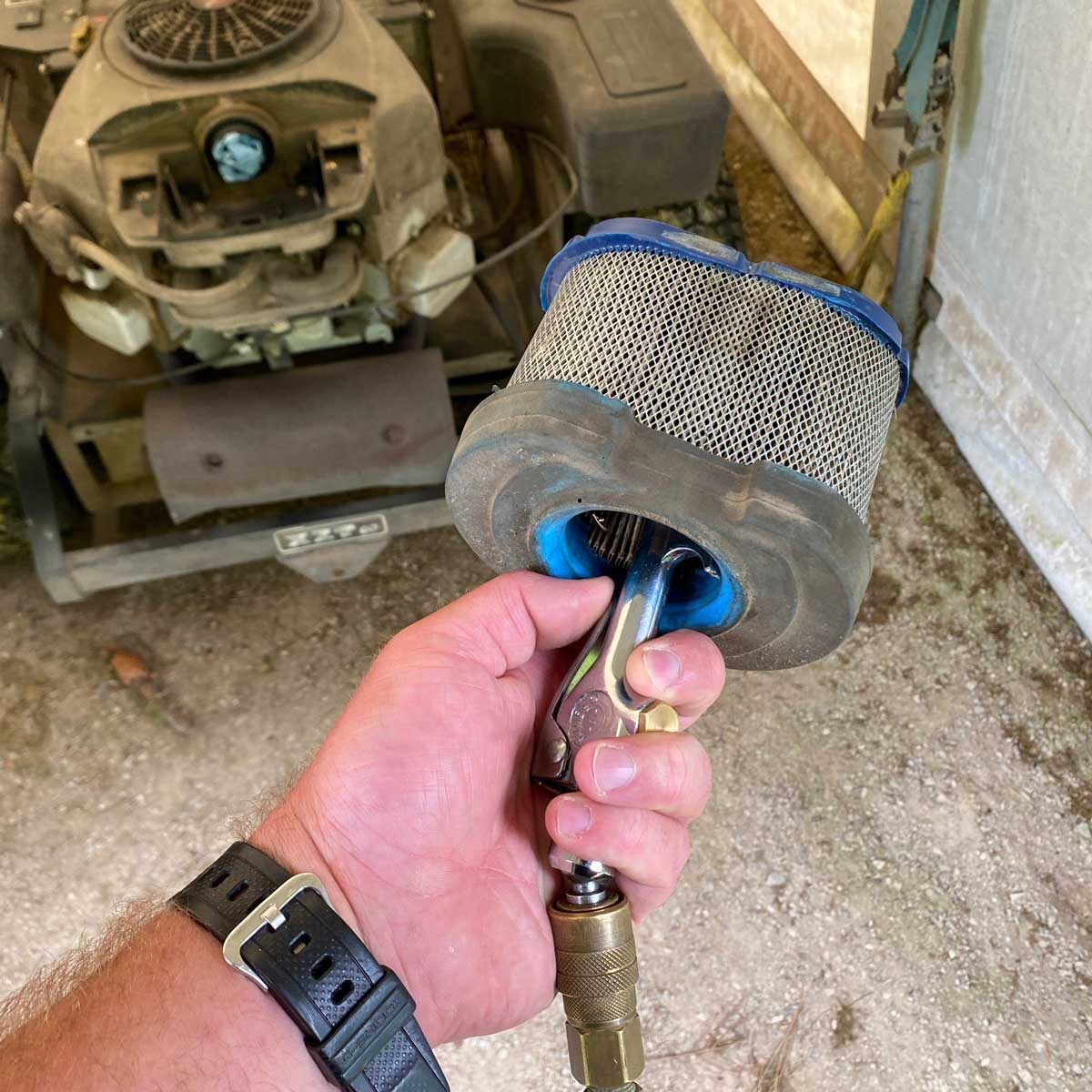
Credit: www.familyhandyman.com
Frequently Asked Questions
How Often Should I Change A Lawn Mower Fuel Filter?
Change the fuel filter every 25 to 50 hours of mowing. This keeps fuel clean and prevents engine issues. Check your mower manual for specific recommendations. Regular changes improve engine performance and extend mower life.
What Happens If I Don’t Change The Fuel Filter?
A clogged fuel filter restricts fuel flow, causing poor engine performance. It can lead to hard starting, stalling, or engine damage. Replacing it regularly ensures smooth operation and prevents costly repairs.
Can I Clean The Lawn Mower Fuel Filter Instead?
Some filters are reusable and can be cleaned with solvent and air drying. However, most fuel filters are disposable and should be replaced. Always follow manufacturer guidelines for best maintenance practices.
How Do I Know When To Replace The Fuel Filter?
Signs include engine sputtering, reduced power, or difficulty starting. Visual inspection may show dirt or damage on the filter. Regular replacement intervals also help avoid these issues.
Conclusion
Changing the fuel filter keeps your lawn mower running smooth. A clean filter stops dirt from harming the engine. Check it every 25 hours or once a season. Replace it sooner if you mow in dusty areas. A fresh filter saves fuel and prevents breakdowns.
Taking care of this small part helps your mower last longer. Simple steps, big benefits. Keep your mower ready for work anytime.


