

How often should you wash or wax your car? It’s a question many car owners wonder about but often overlook.
Keeping your car clean isn’t just about looks—it protects your investment, saves you money, and keeps your ride feeling fresh. But washing or waxing too much or too little can actually harm your car’s finish. If you want to keep your car shining and in top shape without wasting time or money, you need to know the right schedule.
Read on to discover simple tips that will help you care for your car the smart way.
Credit: www.fbitn.com
Car Washing Frequency
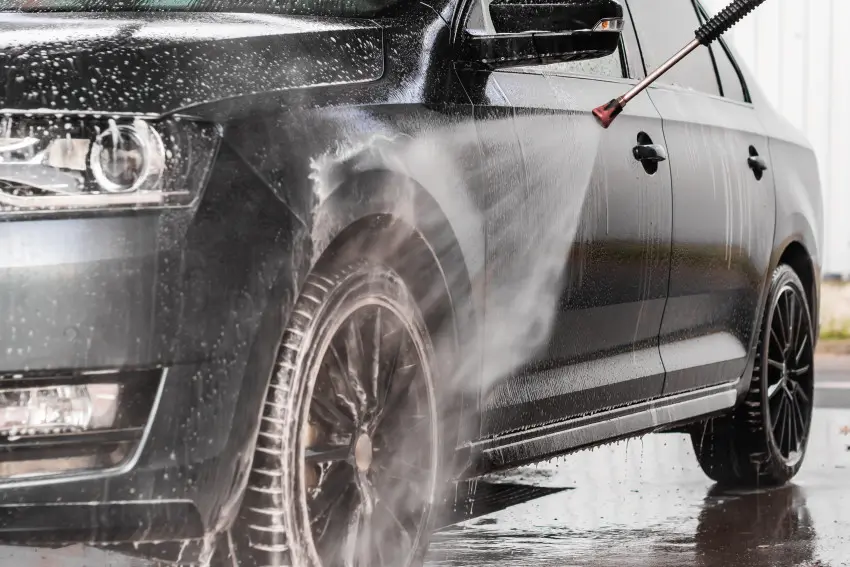
Car washing frequency depends on many things. Regular washing keeps your car clean and protects its paint. Dirt, dust, and grime can build up quickly. Washing removes these harmful elements. It also helps keep your car looking new and shiny.
Factors Affecting Wash Frequency
Several factors decide how often you should wash your car. These include where you live, how you drive, and the type of car you own. Each factor plays a role in how dirty your car gets. Knowing these helps you set the best washing schedule.
Weather And Environment
Weather has a big effect on car cleanliness. Rain can leave water spots and dirt on the paint. Snow and ice bring salt that can damage metal parts. Dusty or windy areas cause dust to settle on the car. Cars in sunny places may need more frequent washing to remove bird droppings and tree sap.
Driving Habits
How and where you drive also matters. City driving exposes your car to pollution and grime. Off-road driving adds mud and dirt quickly. Long highway trips can bring bugs and road debris. Frequent short trips may not dirty the car much but still need regular cleaning.
Type Of Vehicle And Paint
Different cars need different care. Dark-colored cars show dirt more than light colors. Matte finishes require special cleaning products. Older cars may have fragile paint that washes can harm. New cars with clear coat paint need gentle washing to avoid scratches.
Benefits Of Regular Washing
Washing your car regularly keeps it looking fresh and new. It helps protect the vehicle’s surface from damage. Clean cars also hold their value better over time. Simple care steps lead to long-term benefits.
Regular washing removes harmful elements and maintains the car’s shine. It prepares the surface for waxing, which adds extra protection. This routine care saves money on costly repairs later.
Protecting Paint And Finish
Dirt and grime can scratch the paint when left too long. Regular washing removes these particles gently. It prevents fading and dull spots caused by sun and pollution. Clean surfaces reflect light better, keeping the paint vibrant.
Removing Dirt And Debris
Dust, bird droppings, and bugs build up quickly on cars. These substances can eat into the paint if not cleaned. Washing stops buildup and keeps the surface smooth. Clear windows and mirrors improve safety and visibility.
Preventing Rust And Corrosion
Salt and moisture cause rust spots on metal parts. Washing removes these harmful substances before they cause damage. Regular care slows down corrosion and extends the car’s life. It helps protect undercarriage areas often missed by quick rinses.
Car Waxing Frequency
Car waxing is a key part of vehicle care. It keeps your car looking shiny and new. Knowing how often to wax your car helps protect its paint. Waxing too little or too much can affect its performance. Here, you will learn about wax benefits, timing, and types.
How Wax Protects Your Car
Wax creates a thin barrier on your car’s paint. This barrier shields against dirt, water, and UV rays. It prevents paint from fading and cracking. Wax also repels dust and grime, making cleaning easier. It adds a glossy finish that enhances the car’s look. Regular waxing keeps the paint smooth and strong.
Recommended Waxing Intervals
Most experts suggest waxing your car every three months. This schedule maintains good protection and shine. Cars parked outside may need waxing more often. Harsh weather can wear down wax faster. A quick test: sprinkle water on the car. If it beads up, the wax is still good. If water spreads out, it’s time to wax again.
Types Of Wax And Their Durability
Car wax comes in natural and synthetic forms. Natural wax, like carnauba, gives a deep shine but lasts less. Synthetic wax lasts longer but may not shine as much. Some waxes protect for two to six months. Choose wax based on how often you can apply it. A durable wax saves time and keeps your car safe longer.

Credit: ethoscarcare.com
Best Practices For Washing
Washing your car correctly keeps it looking fresh and protects the paint. Proper washing removes dirt and grime that can damage the surface. Clean cars also help your wax last longer. Following good practices helps avoid scratches and spots. Here are some important tips to wash your car the right way.
Choosing The Right Cleaning Products
Select car-specific soaps, not household detergents. Car soaps are gentle and protect the paint. Use soft sponges or microfiber cloths to clean. Avoid abrasive brushes that can scratch the surface. Choose products that rinse off easily without leaving residue.
Proper Washing Techniques
Start by rinsing your car to remove loose dirt. Wash in sections from top to bottom. Use gentle, circular motions with your sponge or cloth. Rinse each section before it dries. Dry the car with a soft towel to avoid water spots.
Avoiding Common Mistakes
Do not wash your car under direct sunlight. It causes soap and water to dry too fast. Avoid using dirty cloths or sponges that trap grit. Never use dish soap as it strips wax and oils. Do not skip drying; air drying leaves marks.
Waxing Tips And Techniques
Waxing your car keeps its paint shiny and safe from dirt and damage. Proper waxing also makes washing easier. Follow these simple tips and techniques to get the best results. Good waxing protects your car longer and keeps it looking fresh.
Preparing The Surface
Clean your car well before waxing. Use soap and water to remove dirt and grime. Dry the car completely to stop water spots. Check for any scratches or stains. Fix small problems to avoid sealing them with wax. Make sure the surface is cool and out of direct sunlight.
Applying Wax Correctly
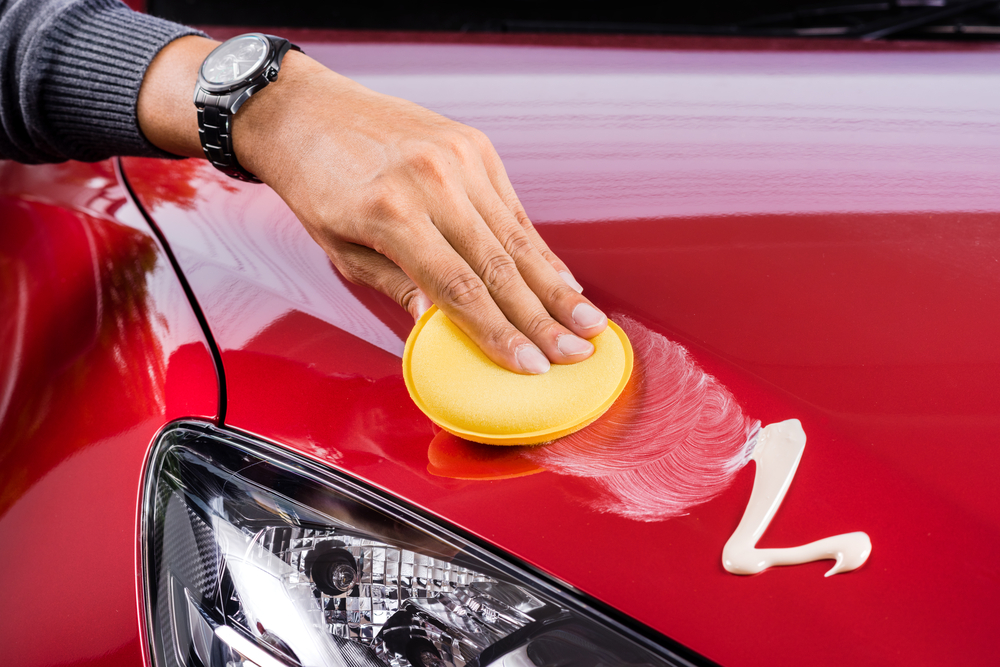
Use a clean, soft cloth or foam applicator. Apply wax in small, circular motions. Cover one section at a time. Follow the product instructions for the right amount. Let the wax dry to a haze before buffing. Use a clean microfiber towel to buff gently. This brings out a smooth, shiny finish.
Maintaining Wax Protection
Wash your car regularly to keep wax strong. Avoid harsh chemicals that can strip wax away. Use car soap designed for waxed surfaces. Reapply wax every three to four months for best results. Touch up wax after heavy rain or rough weather. Keep your car covered or in shade to protect the wax.
Special Considerations
Special considerations affect how often you wash or wax your car. Weather, water quality, and care type change your car’s needs. Paying attention to these factors keeps your car looking great longer. Clean and protect your vehicle right for the conditions it faces.
Washing And Waxing In Different Seasons
Summer heat can dry dirt fast. Wash more often to avoid buildup. Wax protects paint from sun damage. In winter, salt and snow harm the paint. Wash quickly to remove salt. Waxing before winter adds a protective layer. Spring calls for deep cleaning to remove winter grime. Fall is good for waxing to prep for cold months.
Dealing With Hard Water And Pollutants
Hard water leaves spots on your car. Use soft water or rinse well. Pollutants like bird droppings and tree sap can damage paint. Clean these off quickly to avoid stains. Frequent washing helps reduce damage. Wax adds a barrier against pollutants and hard water marks.
Professional Vs. Diy Care
DIY washing and waxing save money and give control. It suits regular maintenance. Professional care offers deep cleaning and expert waxing. Professionals use better tools and products. Choose professionals for tough stains or yearly deep care. For simple upkeep, DIY works well. Balance both for best results.
Credit: www.peoriavw.com
Frequently Asked Questions
How Often Should I Wash My Car To Protect The Paint?
Wash your car every two weeks to remove dirt and contaminants. Frequent washing prevents paint damage and maintains shine. If you drive in harsh conditions, wash more often to protect the paint effectively.
When Is The Best Time To Wax My Car?
Wax your car every three months for optimal protection. Waxing creates a barrier against UV rays and dirt. Regular waxing keeps your car’s finish glossy and extends the paint life.
Does Frequent Washing Harm My Car’s Wax Coating?
Frequent washing can strip wax if harsh soaps are used. Use pH-balanced car shampoo to protect the wax layer. Gentle washing preserves wax and maintains your car’s shine longer.
Can Waxing Improve My Car’s Resale Value?
Yes, waxing enhances your car’s appearance and protects paint. A well-maintained exterior can increase resale value. Regular waxing shows buyers the car was cared for properly.
Conclusion
Washing your car regularly keeps it clean and protects the paint. Waxing adds a shiny finish and shields from dirt and sun. Aim to wash your car every two weeks or after heavy dirt. Wax it every three months to maintain the shine.
These simple steps help your car look great longer. Clean and waxed cars also keep their value better. Take care of your car, and it will take care of you. Simple habits make a big difference in the long run.


