

You want your car to look shiny and new for as long as possible, right? Waxing is a key step to protect your paint and keep that fresh, glossy finish.
But how often do you really need to wax your car to get the best results? Too often, and you might waste time and money. Too little, and your car’s paint could suffer. You’ll discover the simple truth about car waxing frequency, so you can keep your ride looking its best without any guesswork.
Ready to unlock the secret to a stunning, well-protected car? Let’s dive in.
Benefits Of Waxing
Waxing your car does more than just make it look nice. It helps keep the car’s surface safe and clean. Regular waxing adds a strong layer of protection. It also makes the car shine and helps dirt slide off easily. Here are some key benefits of waxing your car.
Protecting The Paint
Wax creates a shield over the paint. This shield guards against sunlight, dust, and pollution. It stops small scratches and chips from harming the paint. Wax helps prevent fading caused by UV rays. This keeps the car’s color bright and fresh for longer.
Enhancing Gloss
Wax adds a deep shine to the car’s surface. It smooths out tiny rough spots on the paint. This smoothness reflects light better, making the car look glossy. A shiny car always looks newer and well cared for. Wax keeps the surface smooth and bright.
Repelling Dirt And Water
Wax causes water to bead up and roll off the car. This stops water spots from forming. It also makes dirt less likely to stick to the surface. A waxed car stays cleaner longer. Washing becomes easier and quicker with regular waxing.
Factors Affecting Wax Frequency
Knowing how often to wax your car depends on several important factors. These factors change how quickly the wax wears off. Understanding them helps keep your car shiny and protected for longer.
Climate Conditions
Hot and sunny weather breaks down wax faster. UV rays damage the paint and cause fading. Rain and snow also wash away wax quickly. Humid areas can make wax less effective. Cold, dry climates help wax last longer.
Parking Environment
Cars parked outside lose wax faster than those in garages. Trees can drop sap or bird droppings that harm wax. Parking under shade slows wax wear. Busy city streets with pollution also wear down wax faster.
Car Usage
Frequent driving exposes your car to dirt and debris. This wears off wax more quickly. Long trips on highways add stress to the finish. Short drives in clean areas keep wax intact longer. Washing your car often can also remove wax.
Types Of Car Wax
Car wax comes in different types. Each type offers unique benefits and protection levels. Choosing the right wax affects how often you need to wax your car. Understanding these types helps you keep your car shiny and safe.
Natural Waxes
Natural waxes are made from carnauba, a plant-based ingredient. They give a deep, warm shine that many car lovers prefer. Natural waxes protect paint by creating a smooth layer. They usually last about 4 to 6 weeks. These waxes are safe for all paint types.
Synthetic Waxes
Synthetic waxes use man-made chemicals instead of natural ingredients. They form a hard, durable shield on the car’s surface. Synthetic waxes last longer, often 2 to 3 months. They resist dirt and water better than natural waxes. These waxes are easy to apply and remove.
Hybrid Waxes
Hybrid waxes combine natural and synthetic ingredients. They balance shine and protection for your car. Hybrid waxes last longer than natural waxes but less than synthetic types. These waxes are popular for their smooth application and good durability. They suit drivers who want both gloss and strength.

Credit: lambencydetailing.com
Recommended Waxing Intervals
Waxing a car protects its paint and keeps it shiny. The right waxing schedule depends on many things. These include your car’s age, the wax type, and where you live. Here are some common waxing intervals to help you decide how often to wax your car.
Monthly Waxing
Monthly waxing offers strong protection and shine. It works well for cars parked outside a lot. This frequent waxing helps fight dirt, rain, and sun damage. It takes more time but keeps your car looking fresh.
Quarterly Waxing
Waxing every three months suits most car owners. It balances effort and protection well. This schedule keeps the paint safe from weather and pollution. Many car experts recommend quarterly waxing for good upkeep.
Seasonal Waxing
Waxing four times a year, once each season, is another option. It fits drivers with mild weather changes. This timing helps prepare the car for summer heat or winter cold. Seasonal waxing keeps the paint guarded year-round.
Signs Your Car Needs Waxing
Knowing when to wax your car keeps it looking shiny and new. Wax protects the paint and stops damage. Watch your car’s surface for signs it needs waxing again. These signs help you decide the right time to wax.
Dull Appearance
The paint looks faded or lacks shine. This means the wax has worn off. Without wax, sunlight and dirt dull the surface. A dull car needs waxing to restore its glow.
Water Spots And Beading
Water no longer beads on the paint. Instead, it forms spots or spreads out flat. Wax creates a smooth layer that repels water. Water spots and poor beading show the wax layer is gone.
Surface Contaminants
Dust, dirt, and grime stick easily to the paint. Wax forms a protective barrier to keep contaminants off. If the surface feels rough or dirty quickly, your car needs wax. Waxing keeps the paint clean and smooth.
Credit: cleantools.net
Waxing Tips For Best Results
Waxing your car protects its paint and keeps it shining longer. Applying wax the right way ensures the best results. Follow these tips for a smooth and effective waxing process.
Preparing The Surface
Start with a clean car. Wash it well to remove dirt and grime. Dry the car fully with a soft towel. Check for bird droppings and tree sap. Remove them carefully. A clean surface helps wax stick better.
Applying Wax Correctly
Use a soft applicator pad for wax application. Apply wax in small, circular motions. Work on one section at a time. Spread a thin, even layer of wax. Avoid thick layers; they take longer to dry. Let the wax haze before buffing.
Polishing Techniques
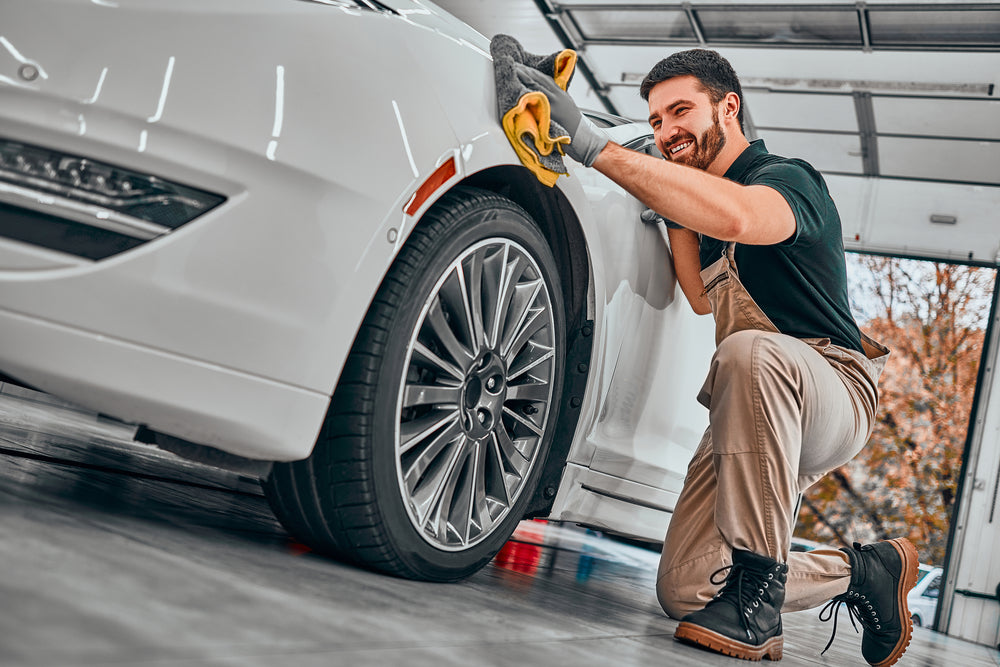
Use a clean microfiber cloth to polish. Buff gently in small circles. Remove all wax residue for a smooth finish. Apply light pressure to avoid scratches. Polishing brings out the shine and protects the paint.
Common Waxing Mistakes To Avoid
Waxing your car is essential for protecting its paint and keeping it shiny. Yet, many people make common mistakes that reduce wax effectiveness. Avoiding these errors helps your car look its best longer and saves you time and money. Below are some frequent waxing mistakes to watch out for.
Over-waxing
Applying wax too often can harm your car’s paint. Wax layers build up and create a cloudy look. This buildup also attracts dirt and makes cleaning harder. Experts suggest waxing every three months for best results. Stick to this schedule to keep the paint healthy and shiny.
Using The Wrong Products
Not all waxes suit every car type. Using the wrong product can leave streaks or damage the paint. Avoid harsh chemicals and choose wax made for your car’s paint type. Check product labels carefully before buying. Testing on a small area first is always wise.
Waxing In Direct Sunlight
Waxing under the hot sun dries the wax too fast. This causes uneven application and hard-to-remove residue. It also risks overheating the paint, leading to damage. Always wax in a shaded area or during cooler parts of the day. This keeps the wax smooth and easy to buff.
Alternative Protection Methods
Waxing a car often protects its paint, but other options exist. These alternatives provide different levels of protection and last longer. They can save time and effort compared to regular waxing. Understanding these options helps you choose the best for your car’s needs.
Sealants
Sealants are synthetic products that protect car paint. They form a hard, durable layer on the surface. Sealants last longer than wax, often up to six months. They resist dirt, water, and UV rays well. Applying sealants is easy and keeps your car shiny.
Ceramic Coatings
Ceramic coatings create a strong, glass-like shield over paint. This shield lasts for years with proper care. It repels water, dirt, and chemicals very effectively. Ceramic coatings make cleaning easier and keep the paint glossy. Professionals usually apply these coatings for best results.
Paint Protection Films
Paint protection films are clear, thick layers applied to the car’s surface. They protect against scratches, chips, and stains. These films are nearly invisible and keep the paint safe. They last several years and need little maintenance. Films are a good choice for high-impact areas.

Credit: www.bowmanchevy.com
Frequently Asked Questions
How Often Should I Wax My Car For Best Protection?
You should wax your car every 3 to 4 months. This frequency keeps the paint protected from UV rays, dirt, and water. Regular waxing maintains shine and prevents damage effectively.
Can Waxing Frequency Depend On Car Usage?
Yes, frequent driving or exposure to harsh weather means waxing more often. For such conditions, waxing every 6 to 8 weeks is ideal to maintain protection and appearance.
Does Car Color Affect Waxing Frequency?
Darker cars may need waxing more often as they show scratches and fading faster. Light-colored cars can usually go longer between waxes, but protection is always necessary.
What Are Signs My Car Needs Waxing Again?
If water doesn’t bead on the surface or paint looks dull, it’s time to wax. These signs indicate the wax layer has worn off and needs reapplication.
Conclusion
Waxing your car regularly keeps its paint bright and safe. Most cars need waxing every three months. Driving in harsh weather means waxing more often. A clean car helps the wax stick better. Waxing protects against dirt, sun, and rain damage.
It also makes washing easier and faster. Remember, a little care goes a long way. Keep your car shiny and protected with simple, regular waxing. Your car will thank you with a fresh, smooth look every time.


