

You want your black car to shine like new every time you take it out. But how often should you wax it to keep that deep, glossy finish?
Waxing too little can leave your paint vulnerable to damage, while waxing too often might wear it down. Finding the right balance is key to protecting your investment and making your car look stunning. Keep reading to discover the perfect waxing schedule for your black car and learn simple tips to keep it looking its best all year round.

Credit: www.drbeasleys.com
Benefits Of Waxing A Black Car
Waxing a black car brings many benefits. It keeps the car looking shiny and new. Regular waxing helps maintain the paint’s beauty and strength. It also protects the car from daily wear and tear. Here are the main benefits of waxing a black car.
Enhancing Paint Depth
Wax adds a rich shine to black paint. It makes the color look deeper and more vibrant. The glossy finish catches light better. This gives the car a fresh and polished appearance. A well-waxed black car looks like it just left the showroom.
Protecting Against Elements
Wax forms a shield on the car’s surface. This shield protects against sun damage and UV rays. It also repels water, dirt, and bird droppings. Without wax, these elements can dull and stain the paint. Waxing helps keep the black paint safe and clean.
Reducing Scratches And Swirls
Wax creates a smooth layer that fills small scratches. This reduces the look of swirl marks on black paint. It also makes washing easier, which lowers the risk of new scratches. Wax protects the paint from light damage caused by daily driving.
Factors Affecting Wax Frequency
Waxing a black car keeps its paint shiny and protected. The frequency depends on several key factors. Understanding these helps you decide how often to wax your vehicle. These factors include the climate, how often you use your car, and the type of wax applied.
Climate And Weather Conditions
Climate greatly affects how fast wax wears off. Hot sun can dry and fade wax quickly. Rain and snow wash away wax layers. Salt from roads in winter harms the paint and wax. Humid weather may cause wax to break down faster. Cars in mild climates need less frequent waxing.
Car Usage And Exposure
Daily drivers face more dirt, dust, and debris. These particles wear down the wax coating. Cars parked outside are exposed to sun, rain, and pollution. Garage-kept cars stay cleaner and need wax less often. Long trips on highways expose cars to bugs and grime. All these factors reduce wax life and need more frequent waxing.
Type Of Wax Used
Different waxes last for different times. Synthetic waxes last longer than natural ones. Carnauba wax gives a deep shine but fades faster. Spray waxes are easy to apply but offer short protection. Paste waxes provide strong protection but need more effort. Choose wax based on how often you want to wax your car.
Recommended Waxing Schedule
Keeping a black car shiny takes regular care. Waxing is a key part of this care. The right waxing schedule helps protect the paint and keeps the car looking new. Different driving habits and environments change how often waxing is needed. Below are simple guidelines to help decide your waxing routine.
Monthly Waxing For Regular Drivers
Cars driven every day face dust, dirt, and pollution. Wax builds a strong shield against these elements. Monthly waxing keeps the paint safe and glossy. It also helps remove small scratches and water spots. Regular waxing saves money by avoiding costly paint repairs later.
Seasonal Waxing For Occasional Use
Cars used only on weekends or short trips need less waxing. Waxing every three to four months is enough. This schedule protects the paint from sun damage and dust. Seasonal waxing keeps the black color deep and rich. It also stops dirt from sticking too hard to the surface.
Adjusting Frequency For Harsh Environments
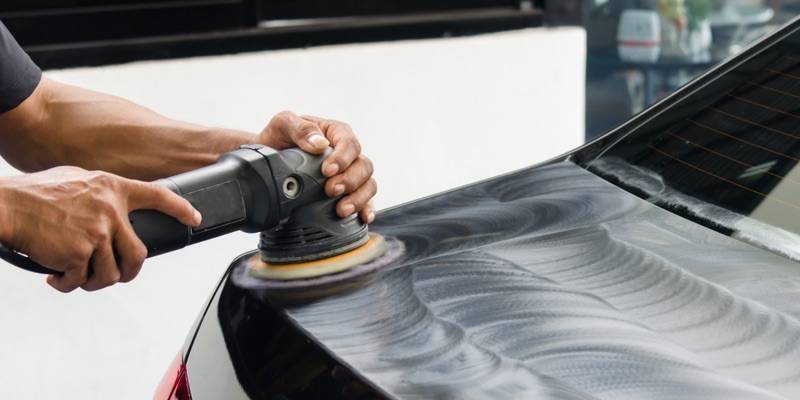
Hot sun, salty air, and heavy rain wear wax faster. Drivers in harsh climates must wax more often. Every two to three weeks might be necessary. Extra waxing keeps the paint safe from fading and corrosion. Adjust the schedule to match the local weather and driving conditions.
Credit: www.torquedetail.com
Signs Your Black Car Needs Waxing
Knowing the signs your black car needs waxing helps keep its shine and protection. Waxing keeps the paint smooth and guards against damage. Watch for changes in your car’s look and feel. These signs tell you when it’s time to wax again.
Dull Or Faded Appearance
A black car should look deep and glossy. If the paint looks dull or faded, waxing is needed. Sun, dirt, and rain can wear down the shine. Wax restores the rich, dark color and adds a bright finish.
Water Beading Loss
Water beads on a waxed car’s surface like small balls. If water spreads out instead of beading, wax may be gone. This means the protective layer is thin or missing. Wax helps water roll off, protecting the paint from damage.
Surface Contaminants And Stains
Dust, bird droppings, and tree sap can stick to your car. Wax creates a smooth surface that resists these contaminants. If your car’s surface feels rough or stained, it might need waxing. Wax makes cleaning easier and protects paint from stains.
Choosing The Right Wax For Black Cars
Choosing the right wax for black cars is key to keeping the paint shiny and protected. Black paint shows dirt, scratches, and swirl marks easily. The wax you pick can either hide these flaws or make them worse. Different wax types suit different needs. Understanding these options helps in making the best choice for your car.
Paste Vs Liquid Wax
Paste wax usually lasts longer on the paint. It gives a deep shine and strong protection. Applying paste wax takes more time and effort. Liquid wax is easier and faster to apply. It spreads smoothly and dries quickly. However, liquid wax may need to be applied more often. Both types work well. Choose based on your time and patience.
Synthetic Vs Natural Wax
Synthetic waxes contain man-made chemicals. They often last longer and resist water well. Synthetic wax gives a glossy finish but may lack the warmth of natural wax. Natural waxes, like carnauba, come from plants. They provide a rich, warm shine. Natural wax might wear off faster than synthetic. Pick synthetic for durability or natural for a classic look.
Specialized Products For Black Paint
Black cars need wax made for dark colors. Specialized waxes reduce swirl marks and enhance depth. These products often include fillers to hide scratches. Some waxes contain UV protection to prevent fading. Using a wax designed for black paint improves appearance. It also keeps the paint looking fresh longer.
Waxing Tips For Best Shine
Waxing a black car can bring out its deep, rich color. The right steps make a big difference. Proper care ensures a smooth, glossy finish that lasts longer.
Focus on how you prepare, apply, and finish the wax. These simple tips help your black car shine like new.
Proper Surface Preparation
Clean the car thoroughly before waxing. Dirt and dust can cause scratches. Use car shampoo and water to wash the surface well.
Dry the car completely with a soft towel. Check for any spots that need extra cleaning. A clean surface helps the wax stick better.
Application Techniques
Apply wax in small sections for even coverage. Use a soft applicator pad or microfiber cloth. Spread the wax in thin, circular motions.
Work under shade or in a cool area. Avoid direct sunlight to prevent wax from drying too fast. Let the wax dry until it looks hazy.
Buffing And Finishing
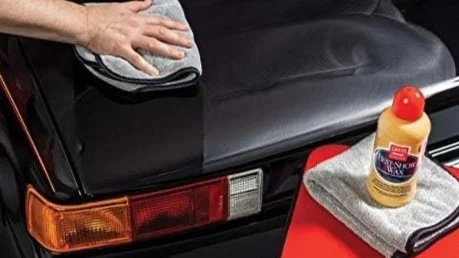
Use a clean microfiber towel to buff the wax. Wipe gently in circular motions to remove residue. Buffing brings out a deep shine and smooth feel.
Check the surface for missed spots. Repeat buffing if needed. The final finish should be glossy with no streaks.
Common Waxing Mistakes To Avoid
Waxing a black car keeps it looking shiny and new. But many car owners make common mistakes during waxing. These errors can harm the paint or reduce the wax’s effectiveness. Avoiding these mistakes helps your car stay protected and beautiful longer.
Over-waxing And Build-up
Waxing too often can cause wax layers to build up on the paint. This build-up looks dull and uneven. It can trap dirt and make the car harder to clean. Waxing every 6 to 8 weeks is usually enough for black cars. Follow product instructions to avoid over-waxing.
Waxing In Direct Sunlight
Waxing your car under the hot sun can make the wax dry too fast. This causes streaks and spots that are hard to remove. The heat may also damage the paint during waxing. Always wax in the shade or when the car is cool.
Ignoring Paint Condition
Waxing a car with damaged or dirty paint reduces wax effectiveness. Dirt and scratches block the wax from sticking properly. Clean and fix any paint problems before waxing. This improves shine and protects your car better.
Credit: www.fresh-layer.com
Frequently Asked Questions
How Often Should You Wax A Black Car?
You should wax a black car every 6 to 8 weeks. This frequency protects the paint and maintains shine. Regular waxing prevents swirl marks and enhances color depth. Adjust based on climate and driving conditions.
Does Waxing Protect Black Car Paint From Fading?
Yes, waxing forms a protective layer against UV rays. It prevents oxidation and paint fading. Wax also repels dirt and contaminants, keeping the paint fresh and vibrant longer.
Can Waxing Reduce Swirl Marks On Black Cars?
Waxing can minimize the appearance of swirl marks. It fills minor scratches and smooths the surface. However, deep scratches require polishing before waxing for best results.
Is It Necessary To Wash Before Waxing A Black Car?
Yes, washing removes dirt and grime that can scratch paint. Clean surfaces allow wax to bond properly. Always dry the car before applying wax for even coverage.
Conclusion
Waxing a black car every two to three months keeps it shining bright. This schedule protects the paint from sun and dirt damage. Regular waxing also makes cleaning easier and keeps the car looking new. Pay attention to weather and driving habits to adjust waxing frequency.
A well-waxed black car always stands out on the road. Simple care goes a long way in preserving its beauty. Keep your car glossy and protected with regular wax.


