

Is your car’s engine feeling sluggish or having trouble starting? A clogged fuel filter could be the hidden culprit.
Changing your fuel filter might sound tricky, but with the right steps, you can do it yourself and save both time and money. In this guide, you’ll discover a simple, clear way to replace your fuel filter safely and effectively.
Keep reading—you’re just a few easy steps away from boosting your car’s performance and avoiding costly repairs.
Why Fuel Filters Matter
Fuel filters play a key role in keeping your car’s engine running smoothly. They clean the fuel before it reaches the engine. Without a clean fuel filter, dirt and debris can enter the engine. This can cause damage and reduce engine performance. Understanding why fuel filters matter helps you take better care of your vehicle.
Role In Engine Health
The fuel filter stops dirt, rust, and other particles from entering the engine. Clean fuel helps the engine burn fuel efficiently. This means better power and less wear on engine parts. A good fuel filter also protects the fuel pump and injectors. These parts can be costly to fix if damaged by dirty fuel.
Signs Of A Clogged Filter
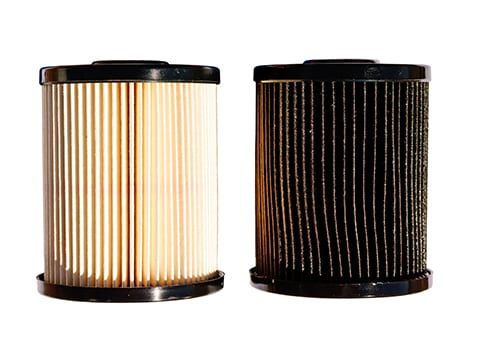
A clogged fuel filter can cause several problems. The engine may start to run rough or stall. You might notice a loss of power, especially when going uphill. The car could also have trouble starting or idle unevenly. Paying attention to these signs helps you replace the filter before bigger problems occur.
Tools And Materials Needed
Changing your fuel filter requires some basic tools and materials. Having the right items makes the task easier and safer. Prepare everything before starting to avoid interruptions.
Essential Tools
You need a wrench set to remove bolts and clamps. A screwdriver will help with hose clamps. Use pliers to disconnect fuel lines safely. A container to catch fuel is important. Also, have a new fuel filter ready for replacement.
Safety Gear
Wear gloves to protect your hands from fuel and dirt. Safety glasses keep your eyes safe from splashes. Use old clothes or a protective apron to avoid stains. Work in a well-ventilated area to prevent inhaling fumes.
Preparing Your Vehicle
Preparing your vehicle before changing the fuel filter is essential. It ensures safety and makes the process smoother. Taking simple steps saves time and avoids problems.
Locating The Fuel Filter
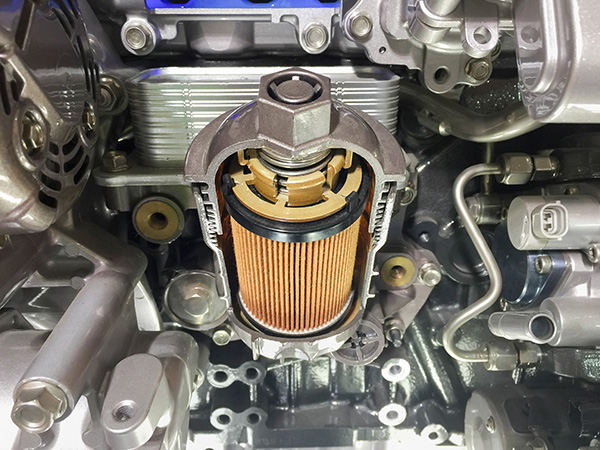
Start by finding the fuel filter in your vehicle. It is usually near the fuel tank or along the fuel line. Check your car manual for exact location. The filter looks like a small cylinder or canister. Knowing its place helps you prepare the tools you need.
Relieving Fuel System Pressure
Fuel systems are under pressure, which can be dangerous. Releasing this pressure lowers the risk of fuel spray. First, disconnect the fuel pump fuse or relay. Then, start the engine and let it run until it stops. This empties the fuel line pressure. Always work in a well-ventilated area. Wear safety glasses and gloves for protection.
Credit: www.waynesautocenter.com
Removing The Old Fuel Filter
Removing the old fuel filter is a key step in keeping your vehicle running smoothly. This process needs care to avoid fuel spills and damage. Follow these simple steps to safely take out the old filter.
Disconnecting Fuel Lines
Start by relieving fuel pressure. This prevents fuel from spraying out. Use a wrench to loosen the fuel line fittings. Pull the fuel lines gently off the filter. Be ready with a cloth to catch any drips. Avoid twisting the lines too hard. This protects the connectors from damage.
Removing Mounting Clips
Locate the clips holding the fuel filter in place. Use pliers to squeeze and release the clips. Slide the clips away from the filter. Keep the clips safe for reinstallation. Carefully remove the filter from its bracket. Check for any leftover fuel and wipe it clean.
Installing The New Fuel Filter
Installing the new fuel filter is a key step in keeping your car running smoothly. This part cleans the fuel before it reaches the engine. Proper installation ensures good fuel flow and engine health.
Take your time to fit the new filter correctly. Small mistakes can cause leaks or poor engine performance. Follow the steps carefully and check your work as you go.
Positioning The Filter Correctly
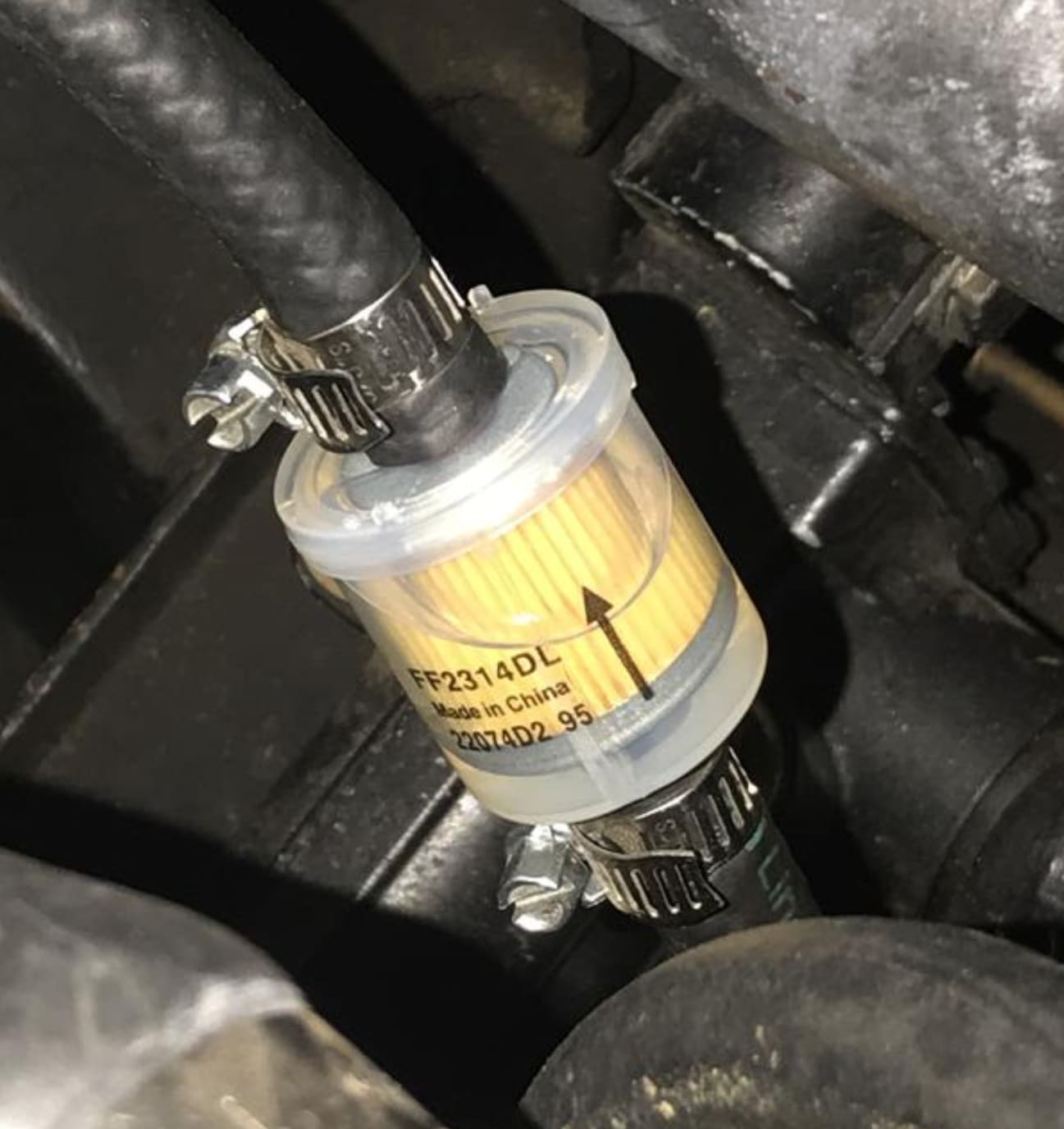
Place the new fuel filter in the same direction as the old one. Most filters have an arrow. This arrow shows the flow of fuel. It must point toward the engine. Incorrect positioning can block fuel flow and damage the engine.
Make sure the filter fits snugly in its holder. Check for any signs of wear or damage around the mounting area. The filter should not move or wobble once installed. A tight fit helps prevent leaks and vibration noise.
Securing Fuel Lines
Attach the fuel lines firmly to both ends of the filter. Push the connectors until they click or fit tightly. Use clamps if your vehicle requires them. These clamps keep the lines secure during driving.
Double-check the connections for leaks. A loose line can cause fuel to spill. This is dangerous and wastes fuel. Make sure all clips and clamps are tight. Test the system by turning on the ignition without starting the engine. Watch for any fuel leaks around the filter.
Credit: www.spacecenterautomotive.com
Testing After Replacement
Testing the fuel filter after replacement is important. It ensures the filter works properly and your vehicle runs smoothly. This step helps catch any problems early. It also confirms the fuel system is sealed and safe.
Checking For Leaks
Start by inspecting the fuel filter area. Look closely at the connections and hoses. Watch for any signs of fuel dripping or wet spots. Tighten clamps or fittings if you see leaks. Never skip this step. Fuel leaks can cause serious damage or fire.
Starting The Engine
Turn the key to start the engine. Listen carefully to the sound. The engine should run smoothly without hesitation. If it struggles or stalls, the filter may be blocked or installed wrong. Let the engine run for a few minutes. Check again for leaks or odd smells. This confirms the new fuel filter works well.
Maintenance Tips
Proper maintenance is key to keeping your fuel system in good shape. Regular care helps your vehicle run smoothly and saves money on repairs. Follow these simple tips to maintain your fuel filter and fuel system effectively.
When To Replace Your Fuel Filter
Check your vehicle manual for replacement intervals. Most fuel filters need changing every 20,000 to 40,000 miles. Signs of a clogged filter include engine misfires, poor acceleration, and stalling. Don’t wait for problems to start. Replace the filter before issues worsen.
Keeping Your Fuel System Clean
Use high-quality fuel to reduce dirt buildup. Avoid filling up at low-quality gas stations. Add fuel system cleaner occasionally to remove deposits. Clean fuel lines and injectors improve performance. A clean system helps your engine breathe and saves fuel.
Credit: www.autozone.com
Frequently Asked Questions
How Often Should I Change My Fuel Filter?
You should change your fuel filter every 20,000 to 40,000 miles. Check your vehicle’s manual for exact intervals. Regular replacement ensures clean fuel flow and optimal engine performance.
What Tools Are Needed To Change A Fuel Filter?
Basic tools include wrenches, screwdrivers, and a fuel line disconnect tool. Safety gloves and eye protection are also recommended. Having a container to catch fuel is helpful to avoid spills.
Can I Change The Fuel Filter Myself Safely?
Yes, you can change it yourself with proper tools and safety measures. Work in a well-ventilated area and relieve fuel system pressure before starting. Follow your vehicle’s guide closely for best results.
What Are Signs Of A Clogged Fuel Filter?
Symptoms include engine misfires, poor acceleration, and difficulty starting. You may also notice reduced fuel efficiency or engine stalling. These signs indicate it’s time to replace the fuel filter.
Conclusion
Changing your fuel filter keeps your engine clean and running well. It helps stop dirt from entering the fuel system. A clean filter improves fuel flow and saves money on repairs. You can do this job with basic tools and some care.
Take your time and follow each step carefully. Regular filter changes protect your vehicle and boost performance. Keep your car healthy by checking the fuel filter often. Simple maintenance like this can extend your car’s life. Try it yourself and enjoy smoother drives ahead.


