

You want your black car to look sleek and shiny every time you step outside. But how often should you wax it to keep that deep, glossy finish?
Waxing too little can leave your paint vulnerable to damage, while waxing too often might waste your time and money. You’ll discover the perfect waxing routine tailored just for your black car. Keep reading to unlock simple tips that will make your car stand out and protect your investment effortlessly.
Benefits Of Waxing A Black Car
Waxing a black car offers many benefits. It improves the car’s look and helps keep it safe. Regular waxing keeps the paint fresh and clean. It also makes car care easier and saves money on repairs.
Enhancing Shine And Depth
Wax makes the black paint shine brighter. It adds a smooth layer that reflects light well. This makes the car look newer and cleaner. The depth of the black color looks richer and fuller. A shiny car always attracts more attention.
Protecting Against Environmental Damage
Wax forms a shield on the car’s surface. It protects the paint from sun damage and fading. Dust, dirt, and bird droppings cause less harm. Rain and salt water do not damage the paint easily. This protection keeps the car looking good longer.
Easing Dirt And Water Removal
Wax creates a smooth surface that repels dirt and water. Mud and dust do not stick easily. Water beads up and rolls off quickly. Cleaning the car takes less effort and time. This helps keep the car clean between washes.
Factors Affecting Waxing Frequency
Several factors affect how often you should wax your black car. These factors influence the protection and shine that wax provides. Understanding them helps maintain your car’s look and paint quality longer.
Climate And Weather Conditions
Sun exposure fades car paint fast, especially black paint. Hot and dry climates cause wax to break down quickly. Rain and snow wash wax away, reducing its life. Salt on roads in winter can damage paint without enough wax protection. Frequent waxing helps protect your car in harsh weather.
Driving Habits And Exposure
Daily driving exposes your car to dirt, dust, and pollutants. Parking under trees can lead to sap and bird droppings on the paint. Long trips on highways expose your car to bugs and debris. Cars driven less often or kept in garages need waxing less often.
Type Of Wax Used
Natural carnauba wax usually lasts about 4-6 weeks. Synthetic waxes can protect your car for 3-4 months. Some sealants offer longer protection but may lack the deep shine of carnauba. Choosing the right wax affects how often you need to reapply it.
Recommended Waxing Intervals
Knowing the right time to wax your black car helps keep its shine and protect its paint. Waxing creates a barrier against dirt, sun, and water. The frequency depends on how you use your car and where you live. Here are the recommended waxing intervals to keep your black car looking great.
Monthly Waxing For Optimal Protection
Waxing your black car every month offers the best protection. This schedule helps maintain a deep shine and guards against harsh weather. It prevents dirt and dust from sticking to the paint. Monthly waxing keeps your car looking fresh and new for longer.
Seasonal Waxing For Moderate Care
Wax your car four times a year for good upkeep. This routine fits well if you drive less or park in a garage. Seasonal waxing shields the paint from rain, sun, and cold. It also helps reduce minor scratches and water spots.
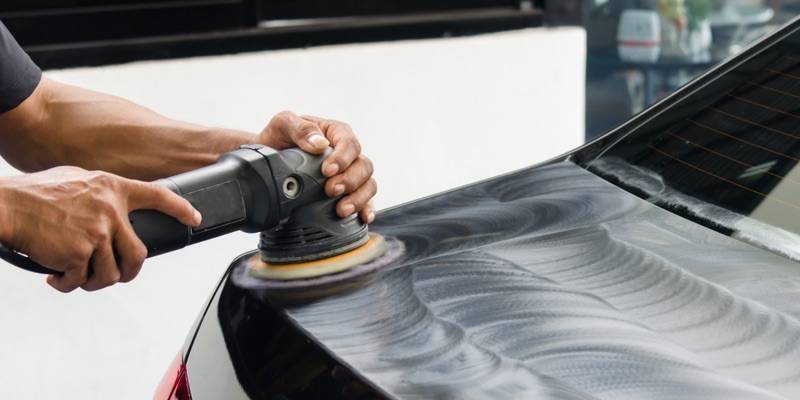
Waxing After Special Events
Wax your black car after special events or long trips. Road trips, outdoor festivals, or bad weather can dirty the paint. A quick wax removes grime and restores shine. This keeps your car protected until the next regular waxing.
Credit: www.torquedetail.com
Signs Your Black Car Needs Waxing
Knowing when your black car needs waxing helps keep its shine and protection. Waxing your car at the right time avoids damage and keeps the paint looking fresh. Here are clear signs that show your car needs a new wax coat soon.
Dull Or Faded Appearance
A black car looks best when shiny and deep in color. A dull or faded surface means the wax has worn off. The paint loses its glossy shine and looks flat. This happens because dirt and sun damage remove the protective wax layer.
Water Beading Reduction
Wax creates a water-repellent surface on your car. Water forms small beads and rolls off easily. When water spreads out or stays flat on the surface, waxing is needed. This means the wax layer is thin or gone. Water spots and stains can form without wax protection.
Visible Surface Contaminants
Dust, dirt, and other grime stick to a car without wax. After washing, if contaminants remain or feel rough, wax is missing. Wax helps make the surface smooth and easier to clean. Visible spots or roughness show that your car needs waxing soon.
Waxing Techniques For Black Cars
Waxing black cars requires special care and the right techniques. The deep color shows every swirl and scratch more clearly. Proper waxing protects the paint and keeps the shine strong. Using the right tools and steps makes a big difference. Avoiding common errors saves time and effort. Follow these tips for the best results on your black car.
Choosing The Right Application Tools
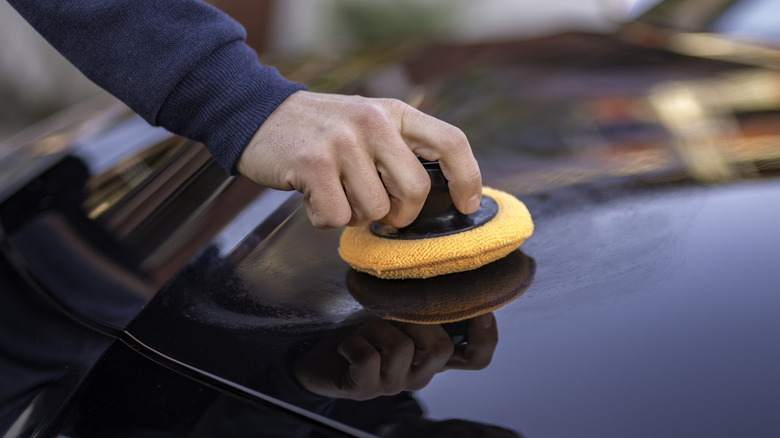
Soft foam applicators work best for black cars. They spread wax evenly without scratching the surface. Microfiber cloths help remove wax gently and polish the paint. Avoid rough sponges or old towels that can cause marks. Use clean tools to prevent dirt from damaging the paint.
Step-by-step Waxing Process
Start with a clean, dry car. Apply a small amount of wax on the applicator. Spread wax in thin, even circles on one small section. Let the wax dry to a haze, usually a few minutes. Buff the area with a microfiber cloth using light pressure. Repeat on the whole car, working panel by panel.
Avoiding Common Mistakes
Do not wax in direct sunlight. The heat dries wax too fast, causing streaks. Avoid using too much wax; it creates buildup and dullness. Skip waxing over dirt or dust to prevent scratches. Take your time to ensure full coverage and a smooth finish.
Credit: www.jalopnik.com
Alternative Protective Options
Black cars need special care to keep their shine and color deep. Waxing is popular, but other options protect your car well. These alternatives last longer and can save time. Understanding each helps you pick the best one for your black car.
Sealants Vs. Waxes
Sealants offer stronger protection than wax. They last longer, often several months. Sealants create a hard barrier that repels dirt and water. Waxes give a warmer shine but fade faster. Wax may need reapplying every few weeks. Sealants suit those who want less frequent care. Both improve shine but differ in durability and ease.
Ceramic Coatings For Long-term Care
Ceramic coatings bond to the paint for deep protection. They form a tough, clear layer that resists scratches and stains. This coating lasts years with proper care. It reduces the need for frequent washing and waxing. Ceramic coatings keep black paint looking glossy and new. Application requires skill or professional help. They offer a strong shield against weather and chemicals.
Paint Protection Films
Paint protection films are thin, clear sheets applied over paint. They guard against chips, scratches, and minor impacts. Films are nearly invisible, keeping the car’s look intact. They can cover high-risk areas like bumpers and hoods. Films last several years and can be removed without damage. This option suits drivers who want maximum defense. They add physical protection beyond wax or sealants.
Maintaining Wax Between Applications
Maintaining the wax on your black car between applications keeps its shine strong. Wax protects the paint from dirt, sun, and water. Proper care helps the wax last longer. This means fewer wax jobs and a better look every day.
Regular Washing Tips
Wash your car often to remove dust and grime. Use a gentle car shampoo made for waxed surfaces. Avoid harsh soaps that can strip wax away. Rinse with clean water and dry with a soft cloth. This stops water spots and keeps the wax layer safe.
Using Quick Detailers
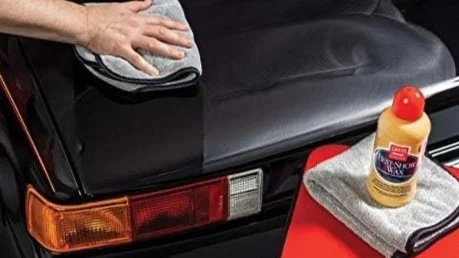
Quick detailers help clean and add shine between washes. Spray a small amount on the car’s surface. Wipe gently with a microfiber cloth. This removes light dirt without harming the wax. Use quick detailers to keep the paint smooth and glossy.
Spot Cleaning Techniques
Remove bird droppings, tree sap, or bugs right away. These can damage the wax and paint. Use a soft cloth and a mild cleaner made for cars. Dab the spot gently until clean. Regular spot cleaning protects the wax and keeps the car looking fresh.
Credit: www.fresh-layer.com
Frequently Asked Questions
How Often Should I Wax My Black Car?
Wax your black car every 6 to 8 weeks. This frequency protects the paint and maintains its glossy finish. Regular waxing prevents dirt buildup and reduces swirl marks, keeping your black car looking sleek and shiny.
What Factors Affect Waxing Frequency For Black Cars?
Waxing frequency depends on exposure to sun, rain, and dirt. Frequent washing, harsh weather, and parking outdoors may require waxing every 4-6 weeks. Indoor or garage parking can extend the interval to 8 weeks or more.
Can Waxing Prevent Scratches On Black Car Paint?
Yes, waxing adds a protective layer that reduces minor scratches. It fills micro-scratches and smooths the surface, making scratches less visible. Waxing also helps repel dirt and debris, which can cause paint damage over time.
Is There A Best Time To Wax A Black Car?
Wax your car in a shaded, cool area to avoid streaks. Avoid waxing under direct sunlight or on hot surfaces. Early morning or late afternoon are ideal times for waxing your black car.
Conclusion
Waxing your black car every two to three months keeps it shiny and protected. Regular waxing stops dirt and sun damage from harming the paint. It also makes washing easier and keeps the car looking new. Pay attention to the weather and how often you drive.
If your car faces harsh conditions, wax more often. Simple care goes a long way in preserving your car’s beauty. Keep a wax routine, and your black car will always stand out on the road.
