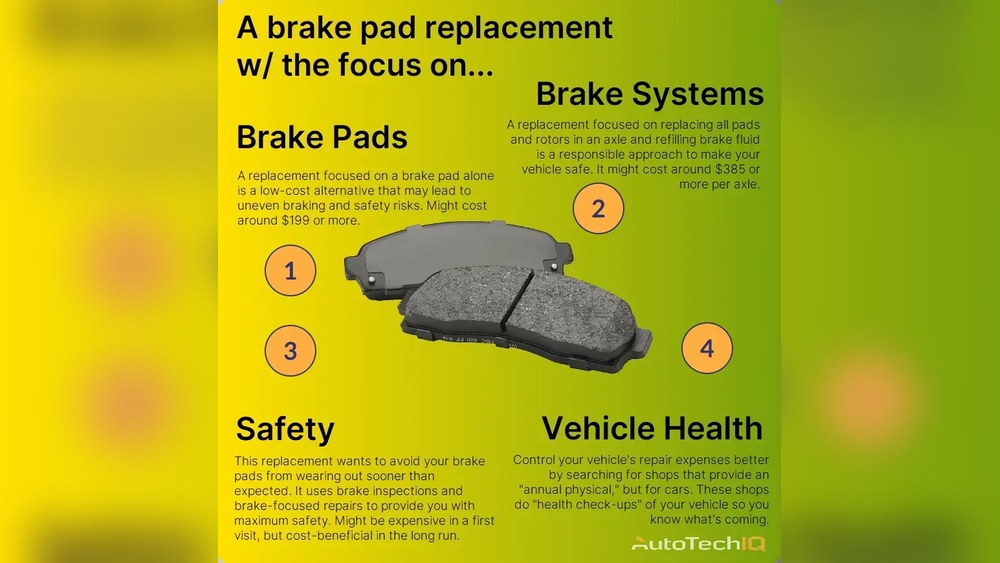
If you’ve just installed new brakes and rotors, you might think you’re ready to hit the road at full speed. But there’s a crucial step you can’t skip: breaking them in properly.
How you handle this process can make a huge difference in your braking performance and the lifespan of your parts. In this guide, you’ll learn exactly how to break in your brakes and rotors the right way. Follow these simple steps, and you’ll avoid common problems like uneven wear, noise, and poor stopping power.
Ready to get the most out of your new brakes? Let’s dive in.
Why Brake Break-in Matters
Breaking in brakes and rotors is a key step after installing new parts. It helps the brakes work better and last longer. Skipping this process can cause problems and reduce safety. Let’s explore why brake break-in matters.
Impact On Performance
Proper break-in improves brake grip. It allows pads and rotors to match perfectly. This reduces noise and vibration during braking. The brakes respond faster and smoother. Your car stops more reliably every time.
Preventing Damage
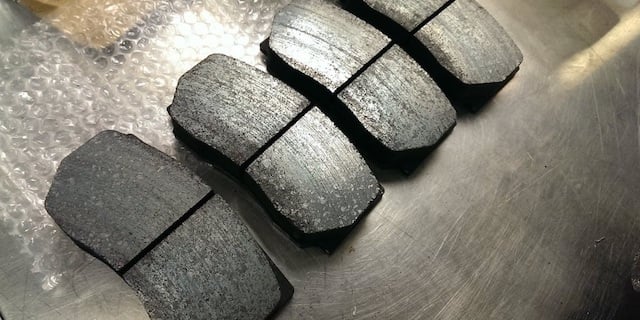
New brakes have rough surfaces that need time to settle. Breaking them in gently avoids uneven wear. It stops warping and cracking of rotors. This saves money on repairs and replacements. Your brakes stay strong and last longer.
Enhancing Safety
Well-broken-in brakes give consistent stopping power. They reduce the risk of brake fade on long drives. This means safer driving on highways and hills. Proper break-in also lowers the chance of accidents. It helps you stay in control during sudden stops.
Credit: www.buybrakes.com
Tools And Materials Needed
Breaking in new brakes and rotors requires the right tools and materials. These items help you do the job safely and correctly. Proper preparation protects your brake system and improves performance. Here is a list of what you need to get started.
Brake Pads And Rotors
Start with high-quality brake pads and rotors designed for your vehicle. New parts perform best when installed properly. Ensure they match your car’s specifications. Using correct parts prevents damage and ensures smooth braking.
Cleaning Supplies
Clean new rotors before installation to remove oils and debris. Use brake cleaner spray and clean cloths. Avoid touching rotor surfaces after cleaning. Dirt or grease can cause brake noise and reduce effectiveness.
Protective Gear
Wear gloves and safety glasses during the brake break-in process. Brake dust can irritate skin and eyes. Use a mask if you work in a dusty area. Safety gear keeps you protected throughout the job.
Preparing Brakes For Break-in
Preparing brakes for break-in is a crucial step for better performance and safety. Proper preparation helps the brakes last longer and work more effectively. Taking time to get everything ready ensures a smoother break-in process.
Inspecting Components
Check all brake parts carefully before starting. Look for cracks, dirt, or any damage on the pads and rotors. Make sure the brake pads are the right type for your rotors. Inspect the calipers and hardware for wear or rust. Replace any damaged parts to avoid problems later.
Cleaning Rotors
Remove all grease and dirt from the rotors. Use brake cleaner spray and a clean cloth to wipe them down. Do not touch the rotor surface with bare hands after cleaning. Clean rotors help the pads grip better and reduce noise. Proper cleaning ensures a smooth and even break-in.
Ensuring Proper Installation
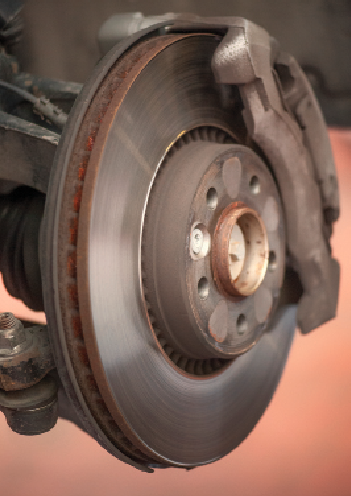
Install the brake pads and rotors carefully. Follow the manufacturer’s instructions step by step. Tighten bolts to the correct torque settings. Check that the rotors spin freely without rubbing. Proper installation prevents uneven wear and improves brake response. Double-check everything before starting the break-in drive.
Credit: www.counterman.com
Step-by-step Break-in Process
The break-in process for brakes and rotors is crucial for safety and performance. It helps parts wear evenly and prevents damage. Follow these steps carefully to ensure your brakes work well.
Initial Gentle Stops
Start by driving at a slow speed. Apply the brakes gently about 10 to 15 times. Each stop should slow the vehicle smoothly without harshness. This step warms the brakes slowly and prevents warping.
Increasing Brake Intensity
Next, increase the brake pressure gradually. Make 5 to 10 stops from a moderate speed. Press the brake pedal harder but avoid full stops. This step helps the brake pads and rotors adjust to each other.
Cooling Periods
Allow the brakes to cool after every few stops. Drive without using the brakes for a few minutes. Avoid parking immediately on hot rotors. Cooling prevents overheating and extends brake life.
Common Mistakes To Avoid
Breaking in brakes and rotors is a careful process. Mistakes can cause damage or poor performance. Avoiding common errors helps your brakes last longer. It also improves safety and driving comfort.
Overheating Brakes
Applying too much brake pressure too fast can overheat the brakes. Overheated brakes lose stopping power. They can also warp the rotors. Cool your brakes between stops to prevent heat build-up.
Skipping Cleaning Steps
New rotors and pads often have protective oils. Skipping cleaning leaves these oils on the surface. Oils reduce friction and cause brake noise. Always clean parts with brake cleaner before installation.
Ignoring Manufacturer Guidelines
Manufacturers provide specific break-in instructions. Ignoring these can cause uneven pad wear. It may also reduce brake efficiency. Follow the recommended number of stops and speeds carefully.

Credit: www.youtube.com
Signs Of A Properly Broken-in Brake System
Knowing the signs of a properly broken-in brake system helps you drive with confidence. Proper break-in improves safety and performance. It also extends the life of your brakes and rotors. Here are key signs to watch for after breaking in new brakes and rotors.
Consistent Stopping Power
Your brakes should stop the vehicle smoothly and predictably. Each stop feels the same as the last. No sudden changes in how hard you must press the pedal. This consistency means the brake pads and rotors have bonded well. It ensures safe and reliable braking in daily driving.
Smooth Brake Feel
The brake pedal should feel firm and steady under your foot. No sponginess or sudden jumps in pressure. The car should slow down evenly without jerking forward or backward. A smooth brake feel shows the break-in process helped the surfaces match perfectly.
Minimal Noise And Vibration
Brake noise and vibration usually happen during early use. After breaking in, these should mostly disappear. You should hear little to no squealing or grinding sounds. The pedal and steering wheel should not shake when braking. This quiet, calm operation confirms a well-broken-in system.
Maintaining Brakes For Longevity
Maintaining brakes for longevity ensures safety and saves money. Proper care keeps brakes working well for a long time. Simple steps can prevent costly repairs and extend the life of brakes and rotors.
Regular Inspections
Check brakes often to find problems early. Look for worn pads, strange noises, or vibration. Inspect rotors for cracks or uneven wear. Early fixes stop small issues from growing.
Proper Driving Habits
Drive smoothly and avoid hard braking. Slow down gradually to reduce brake wear. Avoid riding the brakes on hills. Gentle driving helps brakes last longer and stay cooler.
Timely Replacements
Replace brake pads before they wear out completely. Old pads damage rotors and reduce safety. Change rotors if they are cracked or warped. Use quality parts to keep brakes reliable and strong.
Frequently Asked Questions
How Long Does It Take To Break In Brakes And Rotors?
Breaking in brakes and rotors typically takes 300 to 500 miles. This process ensures optimal performance and longevity. Proper bedding transfers an even layer of brake pad material onto the rotors. It also prevents brake judder and noise, enhancing safety and efficiency.
Why Is Breaking In Brakes And Rotors Important?
Breaking in brakes and rotors ensures even pad material transfer on rotors. This prevents uneven wear, vibrations, and noise. Proper break-in improves braking power and extends component life. Skipping this step can cause poor braking performance and costly repairs.
What Is The Best Method To Break In Brakes And Rotors?
The best method involves gradual braking from moderate speeds. Avoid hard stops during the first 300 miles. Use repeated moderate stops to heat the brakes evenly. Allow cooling periods between stops to prevent overheating. This ensures proper pad material transfer and rotor conditioning.
Can I Drive Normally After Breaking In Brakes And Rotors?
After breaking in, you can drive normally but avoid aggressive braking initially. The brakes will perform optimally after proper bedding. Gradual use helps maintain brake efficiency and extends rotor and pad life. Always monitor brake response during the break-in period.
Conclusion
Breaking in brakes and rotors takes time and care. Follow the steps to help parts last longer. Proper bedding improves stopping power and safety. Avoid hard stops during the break-in period. Keep your driving smooth and steady. This simple process saves money on repairs later.
Your brakes will feel better and work well. Stay patient and pay attention to changes. Good brake care means safer rides every day.