

Your car’s brakes are one of the most important safety features you rely on every day. But how often do you really need to replace your brake rotors?
If you’re unsure, you’re not alone. Worn-out rotors can lead to longer stopping distances and even dangerous driving situations. You’ll discover clear signs your rotors need replacing and learn exactly how often you should check them. Keep reading to protect yourself, your passengers, and your vehicle from unexpected brake problems.
Signs Of Worn Brake Rotors
Worn brake rotors show clear signs. Spotting these signs early helps keep driving safe. Knowing them helps avoid costly repairs and accidents.
Noise And Vibration
Worn rotors often cause strange noises. A high-pitched squeal or grinding sound may occur while braking. Vibrations can be felt in the brake pedal or steering wheel. These vibrations mean the rotors are uneven or warped.
Visible Damage
Look closely at the rotors. Deep grooves or cracks appear on worn rotors. Rust or discoloration might also be visible. These signs show the rotors need attention soon.
Brake Performance Changes
Brake response may slow down with worn rotors. Stopping distance increases, making driving unsafe. The brake pedal might feel soft or spongy. These changes warn that rotors must be checked or replaced.
Factors Affecting Rotor Lifespan
Brake rotors wear out over time. Their lifespan depends on many factors. Knowing these factors helps you maintain your vehicle safely and save money.
Rotors last longer with good care and proper driving. Some conditions speed up rotor wear. Understanding these helps you know when to replace them.
Driving Habits
Aggressive driving wears rotors faster. Frequent hard braking causes more heat and damage. Gentle braking extends rotor life. Avoid sudden stops and rapid acceleration.
Road Conditions
Rough roads increase rotor wear. Gravel and dirt can scratch rotors. Wet or salty roads cause rust and corrosion. Smooth, clean roads help rotors last longer.
Vehicle Type And Usage
Heavy vehicles strain rotors more than light cars. Towing or carrying loads adds extra stress. Daily city driving wears rotors differently than highway driving. Consider your vehicle’s use for rotor care.
Typical Replacement Intervals
Brake rotors wear down over time due to friction and heat. Knowing when to replace them helps keep your vehicle safe. Typical replacement intervals depend on several factors. These include the type of vehicle, driving habits, and rotor quality. Understanding these intervals can prevent costly repairs and maintain brake performance.
Manufacturer Recommendations
Car makers provide specific guidelines for rotor replacement. These recommendations appear in the owner’s manual. They suggest a replacement range based on tests and safety standards. Following these guidelines ensures the vehicle brakes effectively. Ignoring them can lead to uneven wear or brake failure.
Some manufacturers suggest checking rotors every 30,000 miles. Others recommend replacement closer to 70,000 miles. These numbers vary with vehicle type and usage. Regular inspections help confirm if rotors meet the safety criteria.
Average Mileage Estimates
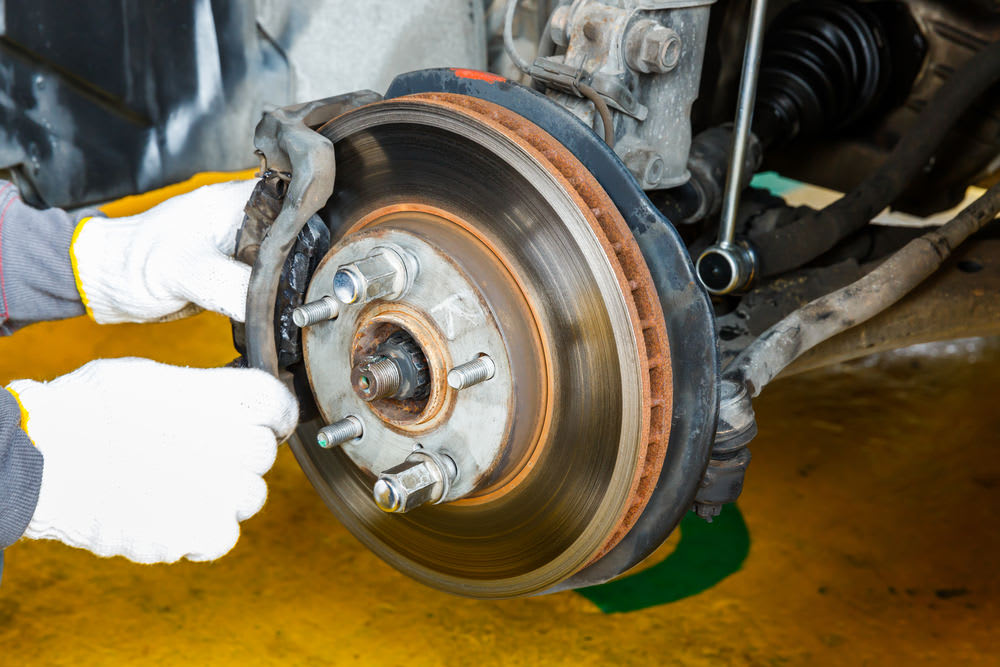
Brake rotors usually last between 30,000 and 70,000 miles. This range fits most driving conditions and rotor types. Normal city driving tends to wear rotors faster. Highway driving causes less wear due to steady speeds.
Heavy braking, towing, and mountainous roads reduce rotor life. High-performance rotors may need earlier replacement. Low-quality rotors wear out sooner. Watching for signs like vibrations or noise helps identify wear.
Credit: www.yourmechanic.com
Inspection And Maintenance Tips
Keeping brake rotors in good condition is key for safe driving. Regular inspection and maintenance help spot problems early. This saves money and prevents accidents. Knowing how to check rotors and when to see a pro keeps your vehicle running well.
Routine Checks
Look at your brake rotors every few months. Watch for deep grooves or cracks on the surface. Listen for unusual noises when braking. A squealing or grinding sound can mean rotor wear. Check if the brake pedal feels different. A soft or pulsing pedal can show rotor issues. Clean the rotors to remove dirt and dust. This helps keep them in good shape.
Professional Inspections
Have a mechanic inspect your rotors at least once a year. They use special tools to measure rotor thickness. Professionals spot damage you might miss. They check rotor warping or uneven wear. Get the rotors checked if you feel vibrations while braking. Early detection helps avoid costly repairs. Trust experts to keep your brakes safe and reliable.
Rotor Replacement Process
The rotor replacement process is an important part of brake maintenance. Rotors work with brake pads to stop your vehicle safely. Over time, rotors wear out or get damaged. Replacing them keeps your brakes working well. Knowing how and when to replace rotors helps avoid bigger problems.
When To Replace
Rotors need replacement if they are too thin or warped. Deep grooves or cracks also mean replacement time. If you hear squealing or grinding sounds during braking, check your rotors. Vibrations in the brake pedal or steering wheel can signal rotor issues. Regular inspections help catch these signs early. Most rotors last between 30,000 and 70,000 miles.
Diy Vs Professional Service
Replacing rotors yourself saves money but requires tools and skills. You need a jack, wrench, and sometimes a special tool to remove rotors. Safety is important. If unsure, it is better to choose a professional service. Mechanics have experience and proper equipment. They also check other brake parts during replacement. This ensures your brakes work safely and smoothly.
Credit: www.reddit.com
Cost Factors For Rotor Replacement
Replacing brake rotors can vary in cost based on several factors. Understanding these factors helps prepare for the expense. Costs depend mainly on parts and labor. The quality of the parts also plays a big role. This section explains the key cost factors involved in rotor replacement.
Parts And Labor
Brake rotors cost differently depending on the vehicle type. Some cars need expensive rotors, while others use cheaper ones. Labor charges vary by mechanic and location. Complex brake systems take more time to fix. This increases labor costs. Always ask for a clear price estimate before repair.
Choosing Quality Components
Low-quality rotors may save money but wear out fast. High-quality parts last longer and perform better. They resist heat and reduce brake noise. Choosing good rotors can prevent frequent replacements. It saves money over time despite a higher initial cost.
Extending Rotor Life
Brake rotors do not last forever. They wear down over time and need replacement.
Taking steps to extend their life saves money and improves safety. Small changes in how you drive and care for brakes make a big difference.
Driving Techniques
Brake rotors wear faster with hard stops. Try to brake gently and early.
Keep a safe distance from cars ahead to avoid sudden braking. Use engine braking on downhill roads instead of relying only on brakes.
Slow down gradually. This reduces heat buildup, which wears rotors quickly.
Proper Brake Care
Check brake pads regularly. Worn pads damage rotors faster.
Have brakes inspected by a professional every 12,000 miles or sooner. Clean brake parts to remove dust and dirt.
Use quality brake pads and fluids. Poor quality parts can shorten rotor life.

Credit: www.hawkperformance.com
Frequently Asked Questions
How Often Should Brake Rotors Be Replaced?
Brake rotors typically need replacement every 30,000 to 70,000 miles. However, this depends on driving habits and rotor quality. Regular inspection helps identify wear and warping early, ensuring safe braking performance.
What Are The Signs Of Worn Brake Rotors?
Common signs include squealing or grinding noises, vibration when braking, and visible grooves or scoring on rotors. These symptoms suggest rotor wear and indicate it’s time for replacement to maintain braking efficiency.
Can Brake Rotors Be Resurfaced Instead Of Replaced?
Yes, rotors can be resurfaced if wear is minor and thickness is sufficient. Resurfacing restores a smooth surface but isn’t suitable for severely warped or thin rotors. Always consult a mechanic for proper evaluation.
Does Driving Style Affect Brake Rotor Lifespan?
Aggressive braking and frequent stop-and-go traffic shorten rotor lifespan. Gentle braking and highway driving reduce wear. Adapting driving habits can extend rotor life and improve overall brake system durability.
Conclusion
Brake rotors wear down over time and need regular checks. Signs like vibrations or squeaking mean it’s time to inspect them. Replacing rotors too late can harm your car’s safety. Keep track of your driving habits and conditions to know when to replace.
Regular maintenance helps you avoid costly repairs. Stay safe by paying attention to your brakes. Simple care keeps your vehicle running smoothly and brakes working well. Don’t wait for big problems; act early for better performance.


