

Are your brakes making strange noises or feeling less responsive? You might be wondering, “How much is it for new brakes and rotors?”
Knowing the cost upfront can save you stress and help you make smart decisions for your safety and budget. You’ll discover the real price range for brake and rotor replacements, what factors affect the cost, and tips to get the best value without compromising quality.
Keep reading to avoid surprises and keep your vehicle running smoothly.
Brake And Rotor Basics
Brakes and rotors are key parts of a car’s stopping system. They work together to slow down and stop your vehicle safely. Understanding their basics helps you know why repairs or replacements cost what they do. This section explains the main types of brakes and rotors found in most cars.
Types Of Brakes
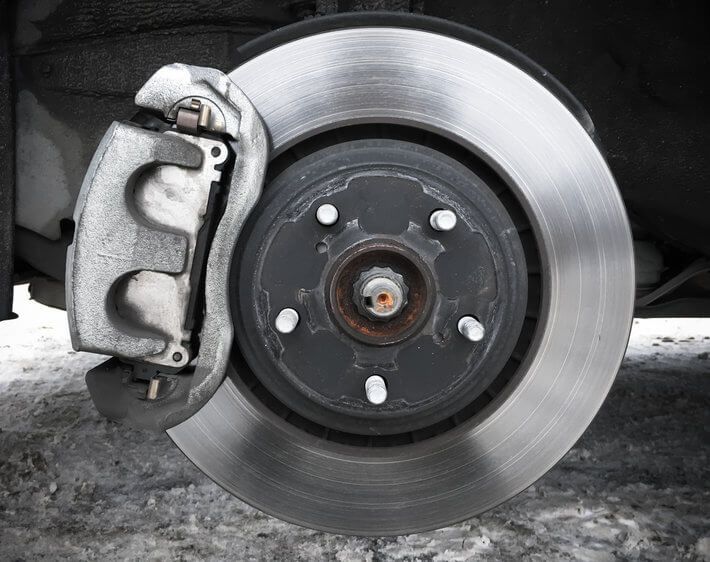
Most cars use two main types of brakes: disc brakes and drum brakes. Disc brakes have pads that squeeze a metal disc to stop the car. They provide strong and quick stopping power. Drum brakes use brake shoes that press against a spinning drum inside the wheel. These are common on older or smaller vehicles. Disc brakes usually cost more to fix but offer better performance.
Rotor Varieties
Rotors come in several styles, each with its own benefits. Solid rotors are plain, flat discs and are the most affordable option. Vented rotors have a hollow space inside to cool down faster. They help prevent brake fade on long drives. Slotted rotors have grooves cut into the surface to remove dust and water. Drilled rotors feature holes to improve cooling and grip. Your choice affects both price and braking quality.
Credit: www.tiresplus.com
Factors Influencing Cost
Several factors affect the total cost of new brakes and rotors. Understanding these can help you plan your budget better. Prices vary widely depending on your vehicle and service choices.
Each part and service comes with its own price tag. Knowing what influences these costs saves surprises at the repair shop.
Vehicle Make And Model
Different cars need different brake parts. Luxury and sports cars often use pricier components. Common models usually have more affordable parts. Some vehicles require special tools or more time to fix brakes. This adds to the overall cost.
Quality And Brand
Brake parts come in various qualities and brands. OEM (original equipment manufacturer) parts cost more but fit perfectly. Aftermarket parts are cheaper but vary in quality. High-quality parts last longer and perform better. Choosing the right balance between price and quality matters.
Labor Charges
Labor costs depend on the shop and location. Dealerships charge more than independent mechanics. Complex brake jobs take longer and cost more labor hours. Always ask for an estimate before service. Labor charges can be a big part of the final bill.
Average Price Ranges
Replacing brakes and rotors is a common car maintenance task. The price varies widely based on quality and brand. Understanding average price ranges helps plan your budget well.
Budget Options
Budget brake and rotor sets cost between $100 and $200. These parts are basic but functional. They suit older cars or those driven less often. Expect standard materials and shorter lifespan. Ideal for drivers needing a low-cost fix.
Mid-range Choices
Mid-range brakes and rotors range from $200 to $400. These offer better durability and performance. They use improved materials and designs. Good for daily drivers wanting reliable stopping power. Often chosen for a balance of cost and quality.
Premium Products
Premium brake and rotor kits can cost $400 or more. They feature high-quality materials like ceramic or carbon composites. These parts provide excellent heat resistance and longer life. Preferred by enthusiasts and those needing top performance. The higher price reflects superior safety and durability.

Credit: www.youtube.com
Signs You Need Replacement
Knowing the signs of worn brakes and rotors helps you stay safe on the road. Brakes wear out over time. Ignoring signs can lead to costly repairs or accidents. Pay attention to sounds, feelings, and stopping power. These clues tell you when replacement is needed.
Brake Squealing And Noise
Squealing brakes are a common warning sign. This noise happens when brake pads wear thin. Metal parts may rub against the rotor. The sound warns you to check your brakes soon. Loud grinding noises mean serious wear and need fast service.
Vibration And Pulsation
Feel vibrations in the brake pedal or steering wheel? Warped rotors cause this problem. Pulsations happen during braking. They make stopping uneven and unsafe. These signs mean rotors may need resurfacing or replacing.
Longer Stopping Distances
Brakes that take longer to stop are dangerous. Worn pads reduce friction and slow response. This means your car needs more distance to stop safely. Notice if you press harder on the pedal. This shows your brakes need attention quickly.
Diy Vs Professional Service
Deciding between doing your brake and rotor replacement yourself or hiring a professional can affect your budget and safety. Both options have clear benefits and risks. Understanding these can help you choose the best path for your car and wallet.
Pros And Cons Of Diy
Doing the job yourself saves money on labor costs. You only pay for parts. This can cut your total expense in half.
Working on brakes requires special tools and skills. Mistakes can lead to unsafe brakes. This risk is serious.
DIY gives a sense of achievement. You learn more about your car. But it takes time and patience.
Parts may come with warranties. Yet, improper installation can void these. Also, some brake systems are complex.
When To Hire A Mechanic
Hire a mechanic if you lack tools or experience. Professionals ensure brakes work safely and correctly.
Complex brake systems need expert knowledge. Mechanics can spot hidden problems and fix them fast.
Mechanic services cost more but save time. They guarantee work and offer peace of mind.
If safety is your priority, trust a professional. Your car stops depend on good brakes.

Credit: www.youtube.com
Ways To Save Money
Replacing brakes and rotors can be costly. There are smart ways to reduce these expenses. Saving money starts with making good choices about parts and services. Careful maintenance also helps keep costs down in the long run.
Choosing Affordable Parts
Select parts that fit your budget but maintain quality. Look for aftermarket parts that meet safety standards. Avoid very cheap parts; they can wear out fast. Compare prices from different sellers before buying. Buying parts online often costs less than local stores.
Finding Reliable Shops
Pick shops with fair prices and good reviews. Ask friends or family for trusted mechanic recommendations. Get multiple quotes to find the best deal. Choose shops that offer warranties on their work. Avoid shops that push expensive replacements you don’t need.
Maintenance Tips
Regularly check brake pads for wear to avoid rotor damage. Keep rotors clean and free from rust. Drive smoothly to reduce brake wear and tear. Avoid sudden stops and heavy braking. Timely maintenance extends the life of brakes and rotors, saving money over time.
Frequently Asked Questions
How Much Do New Brake Pads And Rotors Cost?
New brake pads and rotors typically cost between $250 and $500. Prices vary by vehicle type, brand, and labor fees. High-performance or luxury cars may cost more. Always get a detailed quote before service to avoid surprises.
Can I Replace Brakes And Rotors Myself?
Yes, if you have mechanical skills and proper tools, you can replace brakes and rotors yourself. However, improper installation can be dangerous. For safety, consider professional service unless you are experienced and confident in brake repairs.
How Often Should Brakes And Rotors Be Replaced?
Brakes and rotors generally need replacement every 30,000 to 70,000 miles. Driving habits and road conditions affect this interval. Regular inspections help catch wear early and maintain safety. Follow your vehicle manufacturer’s recommendations for best results.
Do New Rotors Improve Braking Performance?
Yes, new rotors can significantly improve braking performance. Worn or warped rotors reduce stopping power and cause vibrations. Replacing rotors ensures smoother, safer braking and extends the lifespan of brake pads.
Conclusion
Replacing brakes and rotors costs can vary a lot. Many factors affect the price, like car type and part quality. Choosing good parts ensures safety and longer use. Regular checks help avoid big repair bills. Remember, paying a fair price now saves money later.
Keep your brakes in good shape for safe driving. Stay informed and plan your budget well. This helps you make smart decisions about car care.

