

If you drive a diesel vehicle, you might wonder how often you should change your fuel filter. This small part plays a big role in keeping your engine running smoothly.
Ignoring it could lead to costly repairs or poor performance. You’ll discover exactly when and why changing your diesel fuel filter is crucial. By understanding this simple maintenance step, you can save money and keep your engine healthy for the long haul.
Keep reading to learn the signs to watch for and the best schedule to follow for your diesel fuel filter.
Credit: bostechauto.com
Role Of A Diesel Fuel Filter
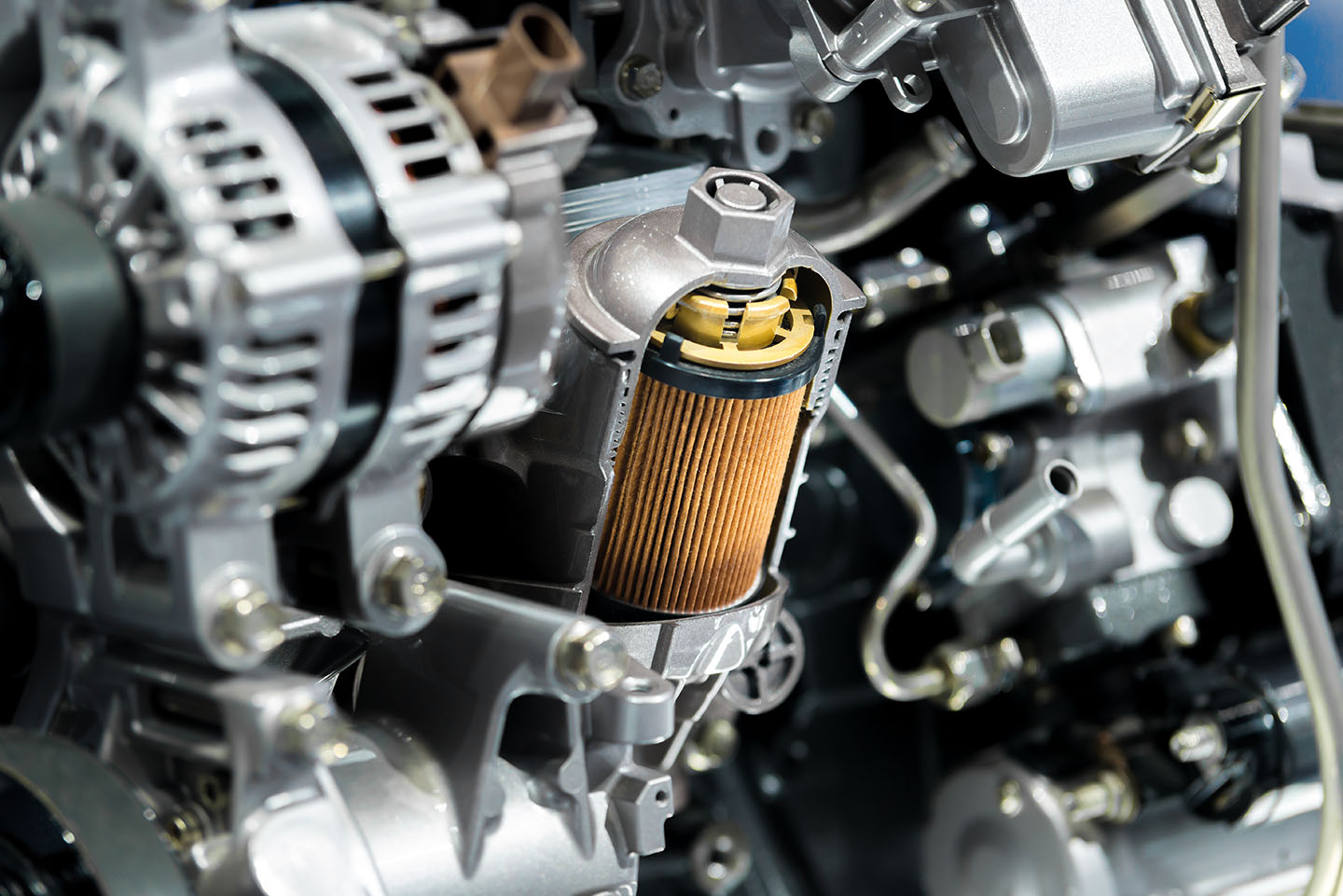
The diesel fuel filter plays a key role in the health of your engine. It cleans the fuel before it reaches the engine parts. This keeps dirt, rust, and other particles out of the engine. Clean fuel helps the engine run smoothly and last longer.
Without a good fuel filter, the engine can get damaged. Dirt can block fuel flow and cause poor performance. The filter also protects fuel injectors from clogging. This makes the engine more efficient and reduces repair costs.
Protecting The Engine
The fuel filter stops harmful particles from entering the engine. Dirt and debris can cause wear and tear on engine parts. The filter also helps prevent corrosion by trapping water in the fuel. This protection keeps the engine running well and saves money on repairs.
Types Of Diesel Fuel Filters
There are several types of diesel fuel filters. Some are simple paper filters that trap dirt. Others use water separation to remove water from fuel. Some filters combine both functions for better protection. Choosing the right filter depends on your engine and fuel quality.
Signs A Fuel Filter Needs Changing
Knowing the signs that your diesel fuel filter needs changing helps prevent engine damage. A clogged filter blocks fuel flow and hurts engine function. Early detection saves money and keeps your vehicle running smoothly. Watch for these common warning signals.
Engine Performance Issues
The engine may lose power or run unevenly. You might notice slower acceleration or stalling. Reduced fuel flow affects combustion, causing poor performance. Pay attention if your diesel feels weak or rough.
Unusual Noises And Smells
Strange sounds like knocking or sputtering can happen. These noises often mean the engine is struggling for fuel. You may also smell diesel or fuel odors near the engine. These signs suggest the filter is dirty or blocked.
Difficulty Starting The Engine
The engine may take longer to start or fail to start. Fuel flow restrictions make ignition harder. Multiple attempts to start the engine signal a possible filter issue. Don’t ignore slow or rough startups in your diesel vehicle.
Recommended Fuel Filter Change Intervals
Knowing the right time to change a diesel fuel filter keeps your engine healthy. Changing it too late can cause problems. Changing it too soon wastes money. The right interval depends on several factors. Understanding these helps maintain your vehicle well and avoid breakdowns.
Manufacturer Guidelines
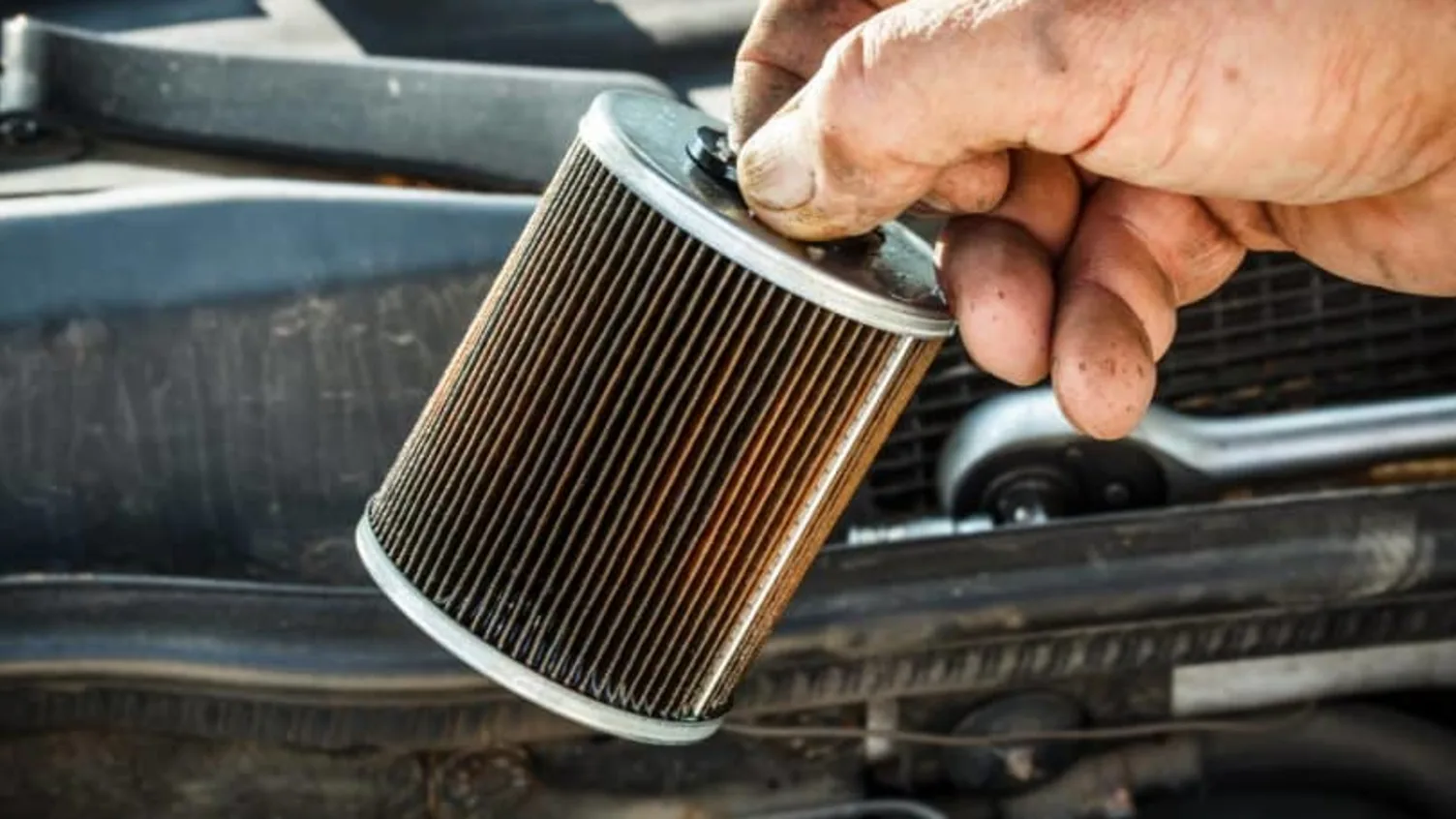
Most diesel engine makers give clear advice on fuel filter changes. These guidelines appear in the vehicle’s manual. Typically, they suggest changing the filter every 10,000 to 25,000 miles. Some newer models may have longer intervals. Always follow these instructions for best results.
Ignoring manufacturer advice can cause engine damage. Using the recommended filter type and brand also matters. This ensures fuel flows cleanly and engine parts stay protected.
Factors Affecting Replacement Frequency
Driving conditions affect how often to change the fuel filter. Dusty or dirty environments clog filters faster. Short trips can cause moisture buildup inside the filter. Poor fuel quality also shortens filter life.
Vehicles that tow heavy loads or drive uphill need more frequent changes. Regular checks help spot filter problems early. Adjust the replacement schedule based on these factors to keep your diesel engine running smoothly.
Credit: www.bigboxcars.com.au
Step-by-step Fuel Filter Replacement
Replacing a diesel fuel filter is a simple task that anyone can do with the right guidance. This step-by-step guide makes the process clear and easy. Changing the fuel filter helps keep your engine clean and running smoothly. Follow these steps to do it safely and correctly.
Tools Needed
- New diesel fuel filter
- Wrench or socket set
- Drain pan
- Rags or paper towels
- Screwdriver (if needed)
- Gloves
Safety Precautions
Work in a well-ventilated area to avoid inhaling fumes. Wear gloves to protect your hands from fuel. Turn off the engine and let it cool before starting. Keep a fire extinguisher nearby just in case. Avoid smoking or open flames near the work area.
Removal Process
Place the drain pan under the fuel filter to catch any fuel. Loosen the fittings or clamps holding the old filter. Carefully remove the filter and let the fuel drain. Clean the filter housing with a rag to remove dirt. Dispose of the old filter properly.
Installing A New Filter
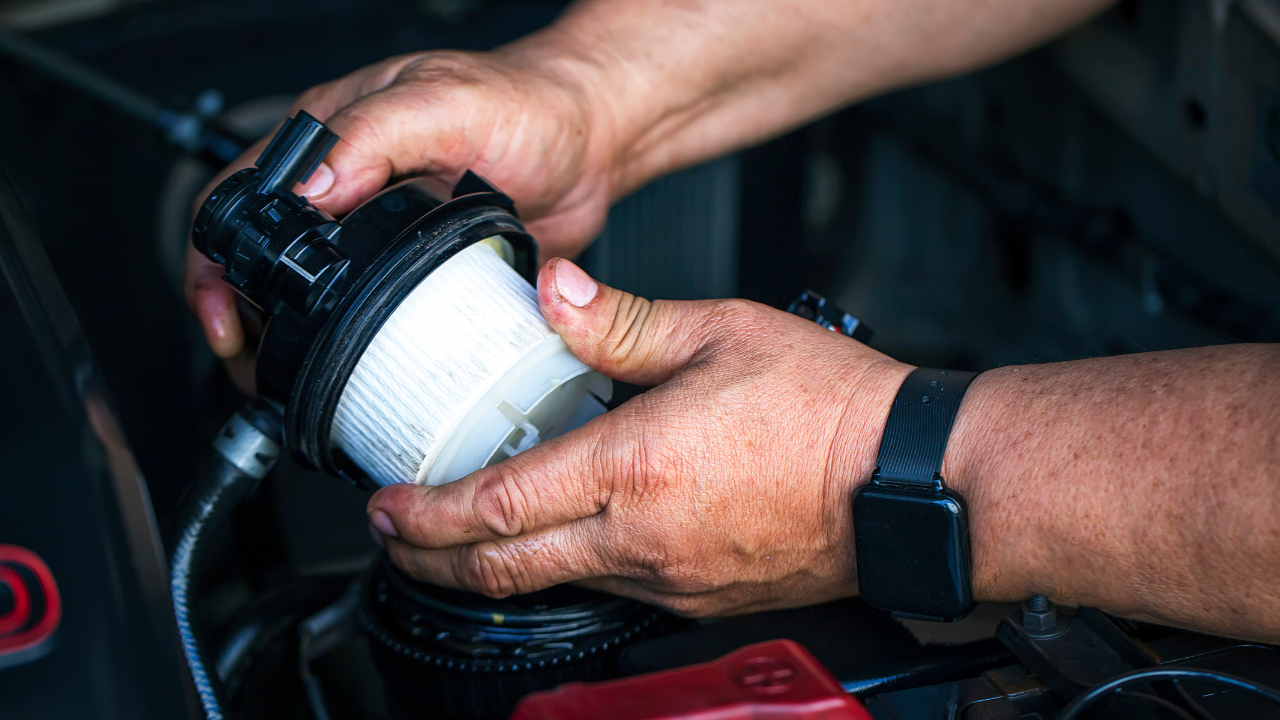
Check the new filter for any damage before installing. Lubricate the rubber gasket with a little clean diesel fuel. Fit the new filter into place and tighten the clamps or fittings. Make sure it is secure but do not overtighten. Start the engine and check for leaks.
Tips To Extend Fuel Filter Life
Extending the life of a diesel fuel filter helps save money and keeps the engine running smoothly. Proper care reduces the need for frequent changes and avoids engine problems. Simple steps can protect the filter from early damage and blockages.
Using Clean Fuel
Always use clean diesel fuel from trusted sources. Contaminated fuel clogs the filter quickly. Avoid filling up at unknown or dirty stations. Store diesel in clean, sealed containers. Avoid letting fuel sit too long, as it can grow bacteria and dirt.
Regular Fuel System Inspections
Check the fuel system regularly for leaks and dirt. Inspect fuel lines and connections for cracks or damage. Clean any visible dirt around the filter area. Replace old or worn parts promptly. Early detection prevents filter overload and engine damage.
Credit: universalautospares.com.au
Common Mistakes To Avoid
Changing a fuel filter in a diesel engine is important for good performance. Many people make mistakes that cause problems and cost more money. Avoiding these common errors helps your engine run smoothly and last longer.
Knowing what to watch for and what to avoid makes maintenance easier. Here are two key mistakes to watch out for when dealing with diesel fuel filters.
Ignoring Warning Signs
Diesel engines give signals when the fuel filter needs change. Ignoring these signs can lead to engine damage. Poor acceleration, rough idling, or difficulty starting are common hints.
Check your vehicle’s manual for specific warnings. Do not wait until the filter is clogged. Early action saves time and money on repairs.
Using Low-quality Filters
Cheap filters may cost less but cause big problems. Low-quality filters let dirt and water into the engine. This can damage fuel injectors and reduce engine life.
Always choose filters from trusted brands. High-quality filters protect the engine better and last longer. Investing in good filters keeps your diesel engine healthy.
Frequently Asked Questions
How Often Should I Change A Diesel Fuel Filter?
Typically, change your diesel fuel filter every 10,000 to 25,000 miles. Check your vehicle’s manual for exact intervals. Regular changes prevent clogging and maintain engine performance.
What Are Signs Of A Clogged Diesel Fuel Filter?
Symptoms include engine hesitation, reduced power, and hard starting. You may also notice increased fuel consumption and rough idling. These signs indicate it’s time to replace the filter.
Can A Dirty Fuel Filter Damage My Diesel Engine?
Yes, a dirty filter restricts fuel flow, causing poor combustion. This leads to engine misfires and potential damage. Regular filter changes protect your engine and improve fuel efficiency.
Is Diy Fuel Filter Replacement Safe For Diesel Vehicles?
Yes, with proper tools and instructions, you can replace it safely. Always relieve fuel system pressure first and dispose of old filters properly. Consult your vehicle manual for specific steps.
Conclusion
Changing your diesel fuel filter regularly keeps your engine healthy. A clean filter stops dirt and water from damaging parts. Most experts suggest replacing it every 10,000 to 15,000 miles. Check your vehicle’s manual for exact advice. Neglecting the fuel filter can cause poor engine performance and higher fuel use.
Stay on schedule to avoid costly repairs and keep your diesel running smoothly. Simple care like this helps your vehicle last longer and saves money over time. Don’t wait for problems—change the filter on time.


