

If you drive a diesel vehicle, you might wonder, “How often should I change my fuel filter?” This question is more important than you think. Your fuel filter plays a big role in keeping your engine clean and running smoothly.
Ignoring it can lead to poor performance, higher fuel costs, or even costly repairs. You’ll discover the right timing for changing your diesel fuel filter and why it matters for your vehicle’s health. Keep reading to protect your engine and save money in the long run.
Role Of Diesel Fuel Filters
Diesel fuel filters keep your engine clean and healthy. They stop dirt and rust from reaching the engine. Clean fuel means the engine runs smoothly and lasts longer.
Fuel filters also protect the fuel injectors. These parts are very small and can get blocked easily. A blocked injector causes poor engine performance and more fuel use.
Purpose In Engine Performance
Fuel filters help maintain strong engine power. They remove tiny particles from diesel fuel. These particles can damage engine parts if not filtered out.
By keeping fuel clean, filters improve combustion. Better combustion means better fuel efficiency and less pollution. Filters also reduce engine wear and tear.
Clean fuel filters prevent engine stalling and rough idling. They help the engine start faster and run quieter.
Types Of Diesel Fuel Filters
There are several types of diesel fuel filters. The most common are cartridge and spin-on filters.
Cartridge filters are easy to replace. They fit inside a housing and trap dirt inside. Spin-on filters screw onto the engine and are disposable.
Some filters include water separators. These remove water from fuel, which can harm the engine. Water separators are important for diesel engines using wet fuel.
Signs Of A Clogged Fuel Filter
A clogged fuel filter can cause several problems in diesel engines. It stops fuel from flowing smoothly to the engine. This can lead to poor engine function and other issues. Recognizing the signs early helps avoid bigger damage and costly repairs.
Engine Performance Issues
Your engine may run rough or lose power. It might hesitate during acceleration. The engine could stall or misfire often. These happen because the fuel flow is blocked. The engine struggles to get the right fuel amount.
Fuel Efficiency Drops
Fuel consumption may rise without clear reason. The engine works harder to compensate for low fuel flow. This leads to using more diesel than normal. Lower fuel efficiency means higher running costs. Watch for sudden changes in your fuel use.
Starting Problems
Diesel engines may take longer to start or fail to start. The clogged filter restricts fuel reaching the engine. This makes ignition difficult or impossible. You might hear the starter motor turning without engine response. Starting troubles are a strong sign of fuel filter issues.
Recommended Replacement Intervals
Knowing the recommended replacement intervals for your diesel fuel filter helps keep your engine healthy. Changing the filter on time prevents dirt and debris from reaching the fuel system. This saves you from costly repairs and ensures smooth engine performance.
Manufacturer Guidelines
Most vehicle makers give clear instructions about fuel filter changes. These guidelines appear in the owner’s manual. They usually suggest replacing the filter every 20,000 to 40,000 miles. Some models may need changes sooner or later. Following these instructions helps maintain warranty and engine efficiency.
Factors Affecting Replacement Frequency
Several factors can change how often you need a new fuel filter. Driving on dusty or dirty roads clogs the filter faster. Frequent short trips may also reduce filter life. Using low-quality diesel fuel causes deposits to build up quicker. Checking the filter regularly helps spot early signs of clogging.
How To Check Your Fuel Filter
Checking your diesel fuel filter is important to keep your engine running well. A clean fuel filter stops dirt and water from reaching the engine. It also helps save fuel and reduce engine wear. You can check the filter yourself with simple steps. This helps you know if it needs changing.
Visual Inspection Tips
Start by finding the fuel filter. It looks like a small cylinder near the engine. Look for cracks, rust, or leaks on the filter body. Check for dirt or water in the clear bowl if your filter has one. A dirty filter looks dark or cloudy. Clear filters mean the fuel is clean. If you see damage or dirt, the filter needs replacing.
Using Diagnostic Tools
Use a fuel pressure gauge to check fuel flow. Low pressure can mean a clogged filter. Connect the gauge to the fuel line. Start the engine and watch the pressure reading. Check your vehicle manual for the correct pressure range. You can also use a scan tool to find error codes. Codes related to fuel system problems may point to filter issues.
Steps To Replace A Diesel Fuel Filter
Replacing a diesel fuel filter keeps your engine clean and running well. It stops dirt and water from entering the fuel system. Changing the filter regularly helps avoid engine problems and saves money on repairs. Follow these simple steps to replace your diesel fuel filter with ease.
Tools And Materials Needed
Gather all necessary tools before starting. You will need a new diesel fuel filter, wrenches, a screwdriver, and a container to catch fuel. Also, have clean rags and gloves ready. Using the right tools makes the job safer and faster.
Safety Precautions
Work in a well-ventilated area to avoid fumes. Wear gloves to protect your hands from fuel. Keep a fire extinguisher nearby in case of emergencies. Avoid smoking or open flames near the fuel system. Always disconnect the battery before starting the replacement.
Replacement Procedure
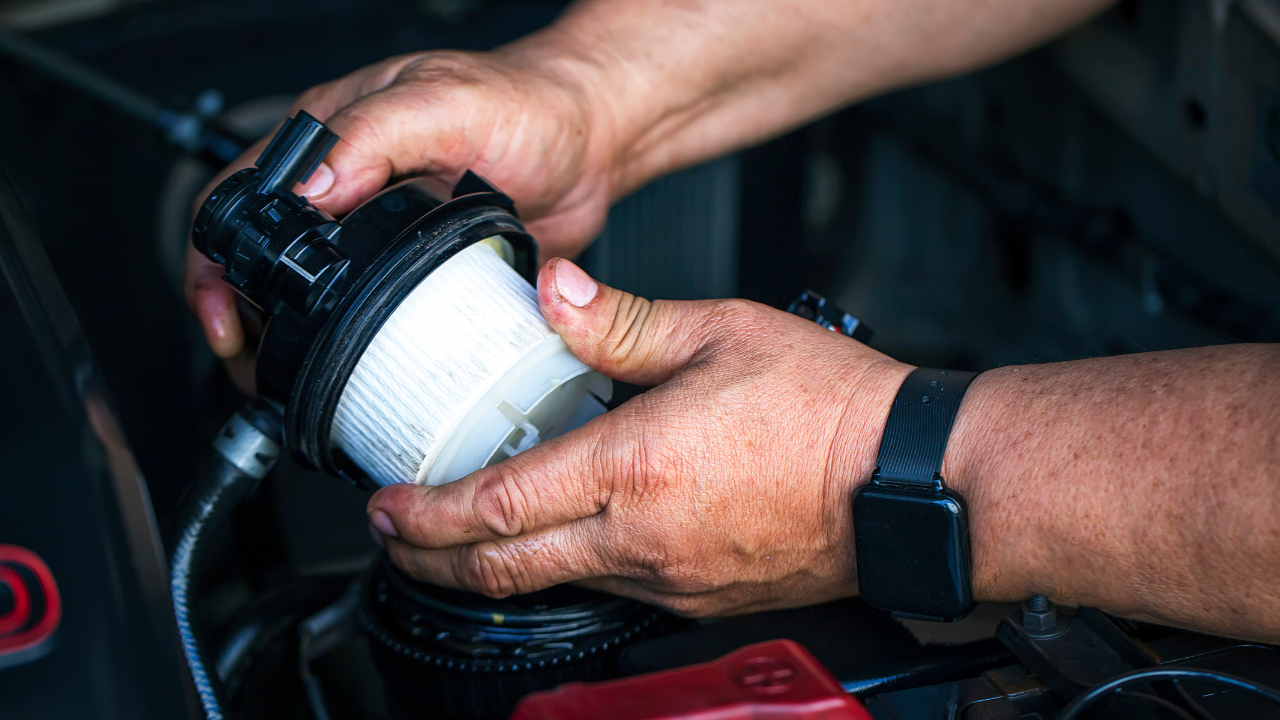
First, relieve the fuel system pressure by loosening the fuel cap. Place the container under the filter to catch any fuel spills. Use the wrench to remove the old fuel filter carefully. Clean the filter housing with a rag. Install the new filter according to the vehicle’s instructions. Tighten the filter securely but do not overtighten. Reconnect the battery and start the engine to check for leaks. Dispose of the old filter safely.
Credit: universalautospares.com.au
Consequences Of Neglecting Fuel Filter Changes
Neglecting to change your diesel fuel filter can cause serious problems for your vehicle. The fuel filter stops dirt and debris from reaching the engine. Over time, it gets clogged and loses its ability to protect the engine. This leads to poor engine performance and other costly issues.
Fuel filters are small but important parts. Ignoring them can cause damage that is hard to fix. Understanding the consequences helps you keep your diesel engine running smoothly.
Engine Damage Risks
A dirty fuel filter lets contaminants pass through. These particles harm the engine’s fuel injectors and cylinders. The engine may run rough or stall often. Over time, engine parts wear out faster. Repairs become necessary sooner than expected. Engine damage reduces the life of your vehicle.
Increased Repair Costs
Failing to replace the fuel filter increases repair bills. Clogged filters strain the fuel pump, causing it to fail. Replacing the fuel pump costs much more than a filter. Repairing engine damage is even more expensive. Regular filter changes save money and avoid headaches.
Maintaining Fuel System Health
Maintaining the health of your diesel fuel system is key for smooth engine performance. Clean fuel helps prevent damage and keeps your vehicle running well. Changing the fuel filter regularly plays a big role in this care.
Along with filter changes, good habits protect the whole fuel system. These habits keep dirt and water out and stop fuel clogs. Simple steps can extend the life of your engine and save repair costs.
Using Quality Fuel
Choose diesel from trusted stations only. Low-quality fuel contains more dirt and water. These impurities harm the fuel system and reduce engine power. Clean fuel helps the filter last longer and keeps injectors clear.
Regular Vehicle Maintenance
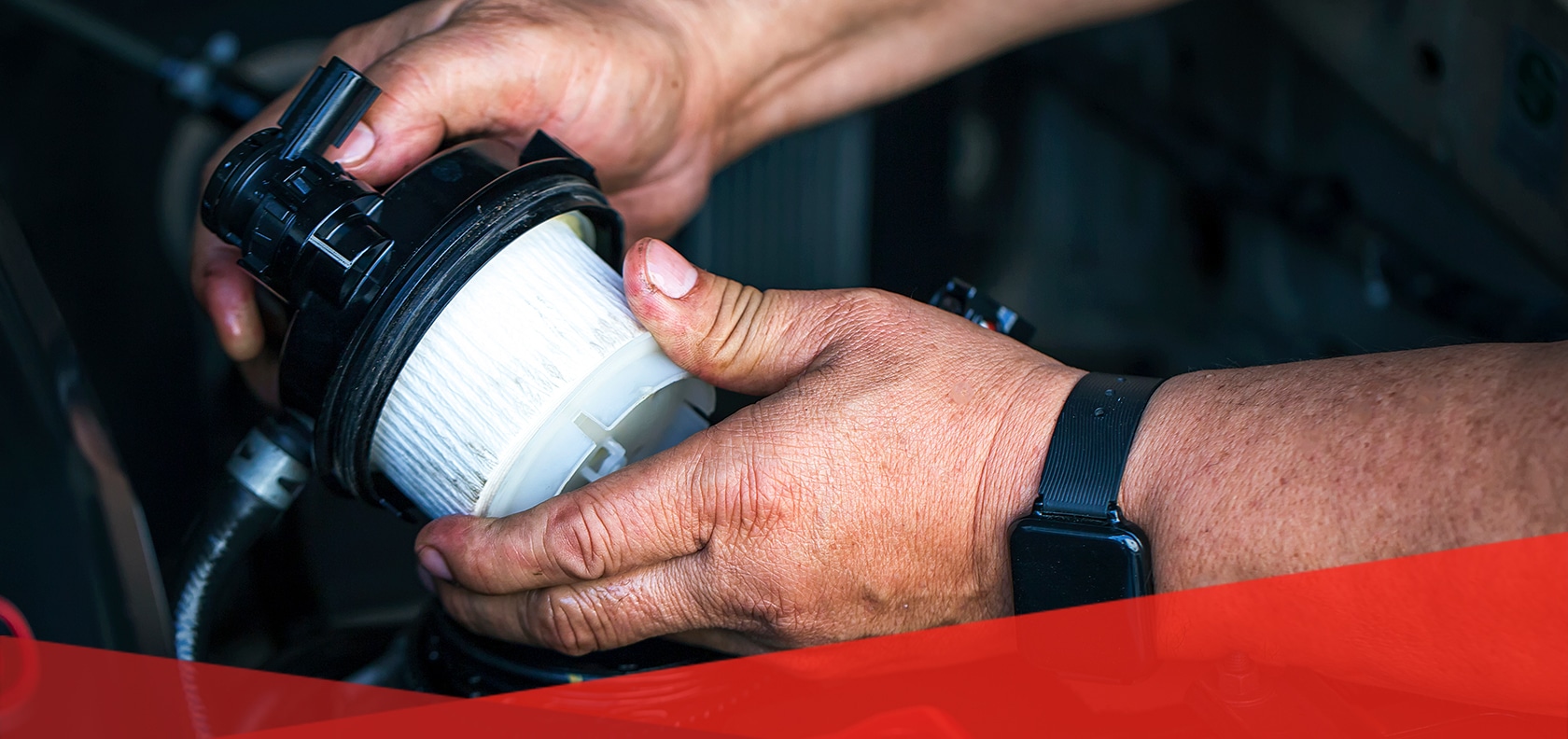
Follow your vehicle’s service schedule closely. Check the fuel filter at every service visit. Replace it according to the manufacturer’s advice or sooner if needed. Also, inspect fuel lines and tanks for leaks or damage. Regular care prevents costly engine problems.

Credit: www.youtube.com
Credit: www.mapfreinsurance.com
Frequently Asked Questions
How Often Should I Replace A Diesel Fuel Filter?
Typically, replace the diesel fuel filter every 20,000 to 40,000 miles. Check your vehicle manual for exact intervals. Regular replacement ensures clean fuel flow and prevents engine damage.
What Are Signs Of A Clogged Diesel Fuel Filter?
Common signs include engine misfires, reduced power, rough idling, and difficulty starting. If you experience these, inspect and replace the fuel filter promptly.
Can I Change A Diesel Fuel Filter Myself?
Yes, with basic tools and safety precautions, you can replace the fuel filter. Follow your vehicle’s guide carefully to avoid fuel leaks and engine issues.
Why Is Changing Diesel Fuel Filter Important?
Changing the fuel filter prevents contaminants from reaching the engine. It maintains fuel efficiency, protects injectors, and extends engine life, reducing costly repairs.
Conclusion
Changing your diesel fuel filter regularly keeps your engine running well. Most experts suggest changing it every 10,000 to 25,000 miles. Dirt and water can clog the filter and harm the engine. Check your vehicle’s manual for exact advice. Clean fuel means better performance and longer engine life.
Don’t wait until you see problems. A small step like this saves you money and trouble later. Keep your diesel engine healthy with timely fuel filter changes. Simple care goes a long way.

