Have you noticed your car’s gas mileage dropping even though you haven’t changed your driving habits? One hidden culprit might be a clogged fuel filter.
When your fuel filter gets blocked, it can quietly sabotage your engine’s efficiency, making you spend more at the pump without realizing why. Understanding how a clogged fuel filter affects gas mileage can save you money and prevent bigger car troubles down the road.
Keep reading to learn what signs to watch for and how to fix this common issue before it drains your wallet.
Fuel Filter Basics
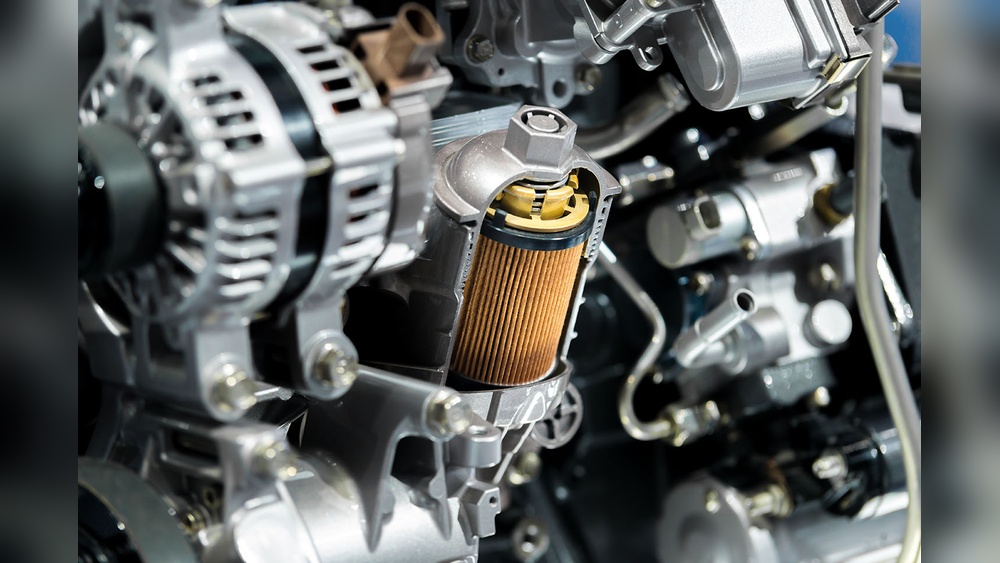
The fuel filter is a small but important part of your car’s engine. It cleans the fuel before it reaches the engine. This helps the engine run smoothly and last longer.
A clean fuel filter stops dirt and rust from clogging the fuel system. It makes sure the fuel flows freely. When the filter clogs, fuel flow slows down. This can cause many problems.
Role In Fuel System
The fuel filter traps dirt, dust, and other particles. These can come from old fuel or the gas tank. Without the filter, these particles reach the engine.
Dirty fuel can harm the engine parts. The filter keeps the fuel clean for better engine performance. It helps the fuel pump work well too.
Common Causes Of Clogging
Fuel filters get clogged from dirt and rust in the fuel tank. Low-quality fuel often has more impurities. Old fuel can also cause buildup inside the filter.
Driving on rough roads can stir up dirt in the tank. Over time, this dirt blocks the filter. A clogged filter reduces fuel flow and hurts gas mileage.

Credit: sealbeachauto.com
Signs Of A Clogged Fuel Filter
A clogged fuel filter blocks fuel flow to the engine. It stops fuel from reaching the engine smoothly. This causes several signs that show the filter needs attention. Recognizing these signs early helps keep your car running well.
Engine Performance Issues
The engine may hesitate or stall. Power drops during acceleration. The car might jerk or run rough. These happen because the engine gets less fuel. A clogged filter restricts fuel supply, causing poor engine response.
Fuel Efficiency Drop
Your car uses more fuel than usual. The engine struggles and burns fuel inefficiently. Reduced fuel flow makes the engine work harder. This leads to lower miles per gallon. Watch for sudden fuel consumption increases.
Starting Problems
The car takes longer to start or fails to start. Fuel struggles to reach the engine at startup. A clogged filter limits fuel flow in the beginning. This causes slow or difficult engine ignition.
How Clogging Reduces Gas Mileage
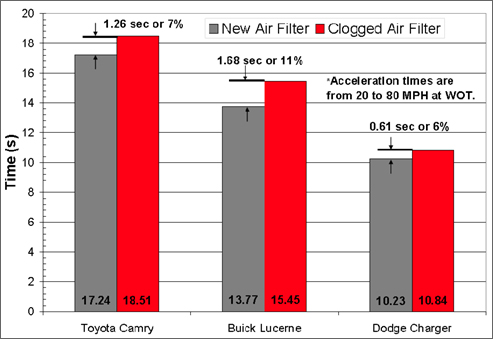
A clogged fuel filter can lower your car’s gas mileage. It stops fuel from flowing smoothly to the engine. This forces the engine to work harder. The harder the engine works, the more fuel it uses. Small blockages can cause big problems for your car’s fuel efficiency.
Understanding how clogging affects your car helps you spot issues early. It also shows why regular maintenance is important. The next sections explain the main ways clogging reduces gas mileage.
Restricted Fuel Flow
A clogged fuel filter blocks fuel from reaching the engine easily. Fuel flow becomes limited and uneven. The engine does not get enough fuel to burn properly. This causes the engine to use extra fuel to keep running. Less fuel reaches the engine, but more is burned inefficiently.
Increased Engine Strain
The engine must work harder to get fuel through the clogged filter. This extra effort burns more fuel than usual. The engine struggles to maintain speed and power. This strain wastes fuel and reduces overall gas mileage.
Incomplete Combustion
A clogged filter causes poor fuel delivery, leading to incomplete combustion. The fuel does not burn fully inside the engine. This incomplete burning wastes fuel and lowers efficiency. More fuel is needed to produce the same power, dropping gas mileage.
Credit: www.pgfilters.com
Long-term Effects On Vehicle
A clogged fuel filter does more than reduce gas mileage. Over time, it can harm your vehicle in serious ways. The blocked filter forces the engine to work harder to get fuel. This extra strain leads to several long-term problems. Understanding these effects helps you protect your car and save money.
Engine Damage Risks
A dirty fuel filter stops clean fuel from reaching the engine. Dirt and debris can enter and damage engine parts. This causes rough idling and poor acceleration. Over time, engine parts wear out faster. Replacing or fixing the engine can cost a lot.
Fuel System Wear
The clogged filter makes the fuel pump work harder. This extra effort wears out the pump early. Fuel injectors can also get clogged or damaged. These parts are expensive and difficult to replace. Wear in the fuel system lowers overall vehicle performance.
Higher Repair Costs
Ignoring a clogged fuel filter leads to bigger problems. Repairing engine damage or fuel system parts is costly. Small filter replacements cost less than major repairs. Regular maintenance avoids unexpected bills. Taking care of the fuel filter saves money long term.
Preventing Fuel Filter Clogs
Preventing fuel filter clogs is key to keeping your car’s gas mileage steady. A clean fuel filter ensures fuel flows smoothly to the engine. This helps the engine run efficiently and saves fuel. Taking simple steps can stop clogs before they start. Here are practical ways to prevent fuel filter issues.
Regular Maintenance Tips
Check your fuel filter regularly. Dirt and debris build up over time. Cleaning or replacing the filter keeps fuel flowing freely. Also, inspect your fuel lines for leaks or damage. Fix problems early to avoid bigger issues. Follow your car’s maintenance schedule closely. Regular check-ups help spot clogged filters fast.
Using Quality Fuel
Choose high-quality fuel from trusted stations. Poor fuel often contains more dirt and water. These impurities clog the fuel filter faster. Using good fuel reduces the risk of blockages. It also improves engine performance and fuel efficiency. Avoid cheap fuel that may harm your filter.
Filter Replacement Intervals
Replace the fuel filter at recommended intervals. Most car makers suggest changing filters every 20,000 to 40,000 miles. Old filters trap more debris and slow fuel flow. Timely replacement keeps the engine running smoothly. Check your owner’s manual for exact guidance. Staying on schedule prevents costly repairs and saves gas.
Fuel Filter Replacement Guide
Replacing a clogged fuel filter is key to keeping your car running well. A clean filter helps fuel flow smoothly. This stops engine problems and saves fuel. Follow this guide for easy replacement steps. No special skills needed.
Careful work means better gas mileage and fewer repairs. Read each step before starting. Make sure you have the right tools and take safety seriously.
Tools Needed
- New fuel filter compatible with your vehicle
- Wrenches or socket set
- Flathead screwdriver
- Container to catch fuel
- Rags for spills
- Protective gloves and safety glasses
Step-by-step Process
- Park your car on a flat surface and turn off the engine.
- Locate the fuel filter under the car or near the engine.
- Place the container under the filter to catch fuel.
- Use wrenches to loosen the fuel line fittings carefully.
- Remove the old fuel filter from its bracket.
- Install the new filter in the same position, following fuel flow direction.
- Tighten the fittings securely but avoid over-tightening.
- Clean any spilled fuel and remove tools.
- Start the engine and check for leaks.
Safety Precautions
- Work in a well-ventilated area to avoid fumes.
- Wear gloves and safety glasses to protect skin and eyes.
- Keep away from open flames or sparks.
- Handle fuel carefully to prevent spills and fires.
- Dispose of the old filter and fuel safely.
- Do not smoke during the replacement process.
Credit: www.energy.gov
Frequently Asked Questions
How Does A Clogged Fuel Filter Reduce Gas Mileage?
A clogged fuel filter restricts fuel flow to the engine. This causes inefficient combustion, leading to higher fuel consumption and reduced gas mileage.
What Are Common Signs Of A Clogged Fuel Filter?
Common signs include engine hesitation, rough idling, and decreased acceleration. These symptoms often indicate fuel flow issues caused by a clogged filter.
Can A Clogged Fuel Filter Damage The Engine?
Yes, a clogged filter can cause fuel starvation. This leads to engine misfires, overheating, and potential long-term damage.
How Often Should You Replace A Fuel Filter?
Typically, replace your fuel filter every 20,000 to 40,000 miles. Check your vehicle’s manual for specific recommendations.
Conclusion
A clogged fuel filter can lower your gas mileage quickly. It blocks fuel flow, making the engine work harder. This wastes more fuel and reduces power. Cleaning or replacing the filter helps your car run better. It saves money by using less gas.
Keep the fuel filter in good shape for smooth driving. Regular checks prevent problems and keep fuel efficiency high. Don’t ignore signs like rough idling or slow acceleration. Simple care keeps your car’s performance strong and fuel costs low.