

If you own a Toyota Camry, you might be wondering how often you need to change the fuel filter. This small part plays a big role in keeping your engine running smoothly and efficiently.
Ignoring it can lead to poor performance, costly repairs, and even breakdowns. You’ll discover exactly when and why you should replace your fuel filter to protect your car and save money. Keep reading to learn how a simple maintenance step can make a huge difference for your Camry’s health and your peace of mind.
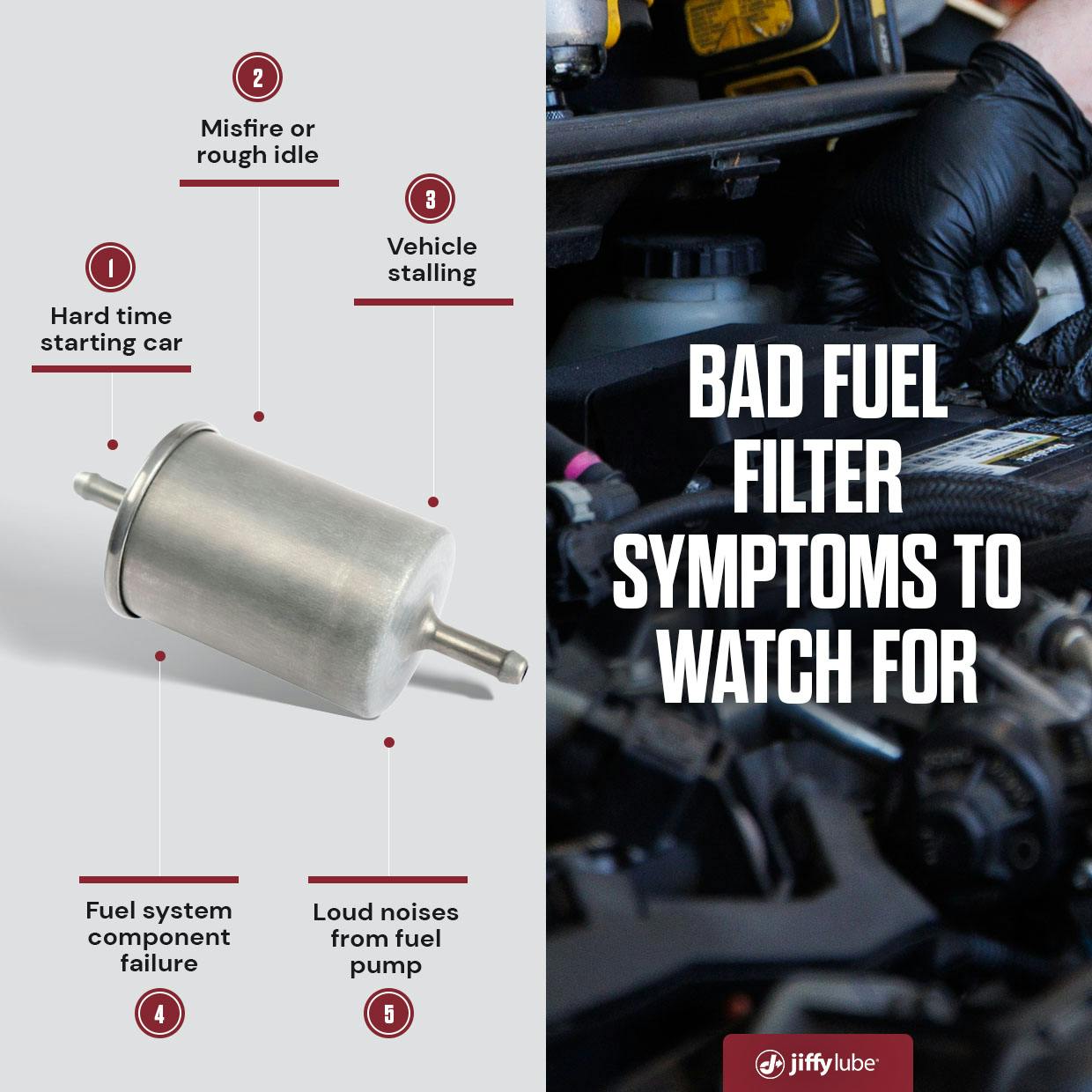
Credit: www.jiffylube.com
Fuel Filter Role
The fuel filter plays a key role in keeping your Toyota Camry’s engine healthy. It stops dirt and debris from reaching the engine. Clean fuel means better engine work and longer engine life. The fuel filter works quietly but is very important.
Purpose In Fuel System
The fuel filter cleans the fuel before it reaches the engine. It traps dust, rust, and small particles. These particles can damage the engine parts. The filter helps the fuel flow smoothly. This keeps the engine safe and running well.
Impact On Engine Performance
A clogged fuel filter reduces fuel flow to the engine. This causes poor acceleration and rough idling. The engine may stall or hesitate during driving. Changing the filter keeps the engine strong and smooth. It improves fuel efficiency and power delivery.

Credit: www.youtube.com
Toyota Camry Fuel Filter Types
The Toyota Camry uses different types of fuel filters to keep the engine running smoothly. These filters clean the fuel before it reaches the engine. Clean fuel helps the engine work well and last longer. Knowing the types of fuel filters helps you maintain your car better. It also helps decide when and how to change the filter.
In-line Filters
In-line fuel filters are separate parts placed along the fuel line. They catch dirt and rust particles in the fuel. These filters are easy to spot and replace. They are common in older Toyota Camry models. You can check them during regular service. Changing them regularly protects the engine from damage.
Integrated Filters
Integrated fuel filters are built into the fuel pump or fuel tank. They are not easy to see or replace. Many newer Toyota Camry models use this type. These filters work quietly and efficiently inside the car. They need special tools and skills to change. Usually, mechanics handle the replacement during major service.
Recommended Replacement Intervals
Knowing when to replace the fuel filter in your Toyota Camry is important. The fuel filter keeps dirt and debris from reaching the engine. Changing it at the right time helps keep your car running smoothly. It also prevents costly repairs. Follow the recommended replacement intervals for best results.
Manufacturer Guidelines
Toyota suggests changing the fuel filter every 30,000 miles. This interval may vary by model year and engine type. Check your owner’s manual for exact details. Sticking to these guidelines helps maintain engine health. It also improves fuel efficiency and performance.
Factors Affecting Frequency
Driving conditions can change how often to replace the fuel filter. Dusty or dirty roads cause the filter to clog faster. Frequent short trips may also reduce filter life. Using low-quality fuel can add debris to the system. Monitor your vehicle’s performance for signs of a clogged filter.
Signs Of A Clogged Fuel Filter
A clogged fuel filter can cause many problems for your Toyota Camry. It stops fuel from flowing easily to the engine. This can make your car run poorly. Knowing the signs helps you fix the issue early. It keeps your car safe and saves money on repairs.
Engine Performance Issues
The engine may struggle to start or stall often. It can feel weak or slow when you press the gas. You might hear strange noises from the engine. Rough idling is another sign. These problems happen because the engine gets less fuel.
Fuel Efficiency Drop
Your car may use more gas than usual. A clogged filter makes the engine work harder. This means it burns fuel faster. You might notice you fill up the tank more often. Lower miles per gallon is a clear sign of trouble.
Diy Fuel Filter Replacement
Changing the fuel filter on a Toyota Camry can save money and keep the engine running smoothly. Doing it yourself is easier than many think. This guide breaks down the process into simple steps. Follow along and get your fuel filter replaced safely.
Tools Needed
- New fuel filter compatible with Toyota Camry
- Wrenches (usually 14mm or 17mm)
- Screwdrivers (flathead and Phillips)
- Fuel line disconnect tool
- Drain pan to catch fuel
- Rags for spills
- Safety glasses and gloves
Step-by-step Process
- Park the car on a flat surface and turn off the engine.
- Release fuel system pressure by removing the fuel pump fuse and starting the engine until it stops.
- Locate the fuel filter under the car near the fuel tank or along the fuel line.
- Place a drain pan beneath the filter to catch any fuel spills.
- Use the fuel line disconnect tool to detach the fuel lines from the old filter.
- Remove the mounting bracket or bolts holding the filter in place.
- Take out the old filter and replace it with the new one, matching the flow direction.
- Reconnect the fuel lines securely.
- Reinstall the mounting bracket or bolts.
- Replace the fuel pump fuse and start the engine to check for leaks.
Safety Tips
- Work in a well-ventilated area to avoid inhaling fumes.
- Wear safety glasses and gloves to protect eyes and skin.
- Keep a fire extinguisher nearby due to flammable fuel.
- Do not smoke or use open flames during the process.
- Dispose of old fuel and filters properly according to local laws.
Professional Service Options
Choosing the right professional service to change your Toyota Camry’s fuel filter is important. Proper service ensures your car runs smoothly and lasts longer. Several options are available, each with its own benefits and costs. Understanding these options helps you make a smart decision.
Dealership Service
Dealerships offer specialized service for Toyota vehicles. They use original parts designed for your Camry. Technicians are trained by Toyota and follow exact guidelines. This service often includes a warranty on parts and labor. Scheduling is usually easy with online booking tools. Dealerships maintain detailed service records for your vehicle.
Independent Mechanics
Independent mechanics provide flexible service at many locations. They often offer lower prices than dealerships. Many have years of experience with various car models. Independent shops may use quality aftermarket parts. Communication tends to be more personal and direct. Choosing a trusted mechanic is key to good service.
Cost Considerations
Dealerships usually charge more for fuel filter replacement. The price covers original parts and certified labor. Independent shops can offer better rates but vary in quality. Parts cost varies between original and aftermarket options. Always ask for a detailed price estimate before service. Balance cost with service quality and warranty coverage.
Maintaining Fuel System Health
Maintaining the health of your Toyota Camry’s fuel system keeps the engine running smoothly. A clean fuel system improves fuel efficiency and reduces harmful emissions. It also prevents costly repairs by avoiding fuel blockages and wear. Simple care steps help protect your fuel filter and other parts for longer life.
Regular Inspections
Check the fuel filter and system regularly for dirt and damage. Look for signs like engine misfires or poor acceleration. These might mean the filter is clogged. Inspect hoses and connections for leaks or cracks. Early detection helps avoid bigger problems down the road. Schedule inspections as part of routine car maintenance.
Using Quality Fuel
Use clean, high-quality fuel to protect the fuel filter. Poor fuel contains dirt and water that harm the system. Filling up at trusted stations reduces the risk of contamination. Quality fuel burns cleaner, helping the engine perform better. It also lowers the chance of fuel system clogs and failures.
Additional Preventive Measures
Replace the fuel filter according to Toyota’s recommended schedule. Avoid letting the fuel tank run too low, which can stir up debris. Keep fuel injectors clean with proper additives if needed. Store your car in a dry place to prevent moisture buildup. Small actions like these keep the fuel system healthy and efficient.

Credit: www.wesleychapeltoyota.com
Frequently Asked Questions
How Often Should I Change My Toyota Camry Fuel Filter?
Toyota recommends changing the fuel filter every 30,000 to 60,000 miles. Regular replacement ensures optimal engine performance and prevents clogging.
What Are Signs Of A Clogged Fuel Filter In Camry?
Common signs include engine misfires, poor acceleration, and difficulty starting. A clogged filter restricts fuel flow, affecting the engine’s efficiency.
Can I Change The Fuel Filter Myself On A Camry?
Yes, if you have basic mechanical skills. However, it’s best to follow the vehicle manual or consult a professional for safety.
Does A Dirty Fuel Filter Affect Toyota Camry Fuel Efficiency?
Yes, a dirty filter reduces fuel flow, causing the engine to work harder. This leads to lower fuel efficiency and higher emissions.
Conclusion
Changing the fuel filter regularly keeps your Toyota Camry running well. Most experts suggest changing it every 30,000 miles or every two years. A clean fuel filter stops dirt from reaching the engine. This helps improve fuel efficiency and prevents engine problems.
Neglecting the fuel filter can cause poor performance and costly repairs. Check your owner’s manual for exact recommendations. Stay on schedule to protect your car and save money. Simple steps like this keep your Camry smooth and reliable. Small care makes a big difference in the long run.


