

If you own a diesel vehicle, you know how important it is to keep it running smoothly. But have you ever wondered how often you should replace your diesel fuel filter?
Ignoring this simple maintenance step can lead to costly repairs and poor engine performance. You’ll discover the signs that tell you it’s time for a change and learn exactly when to replace your diesel fuel filter to keep your engine healthy and your ride reliable.
Keep reading—you don’t want to miss these easy tips that can save you time and money.
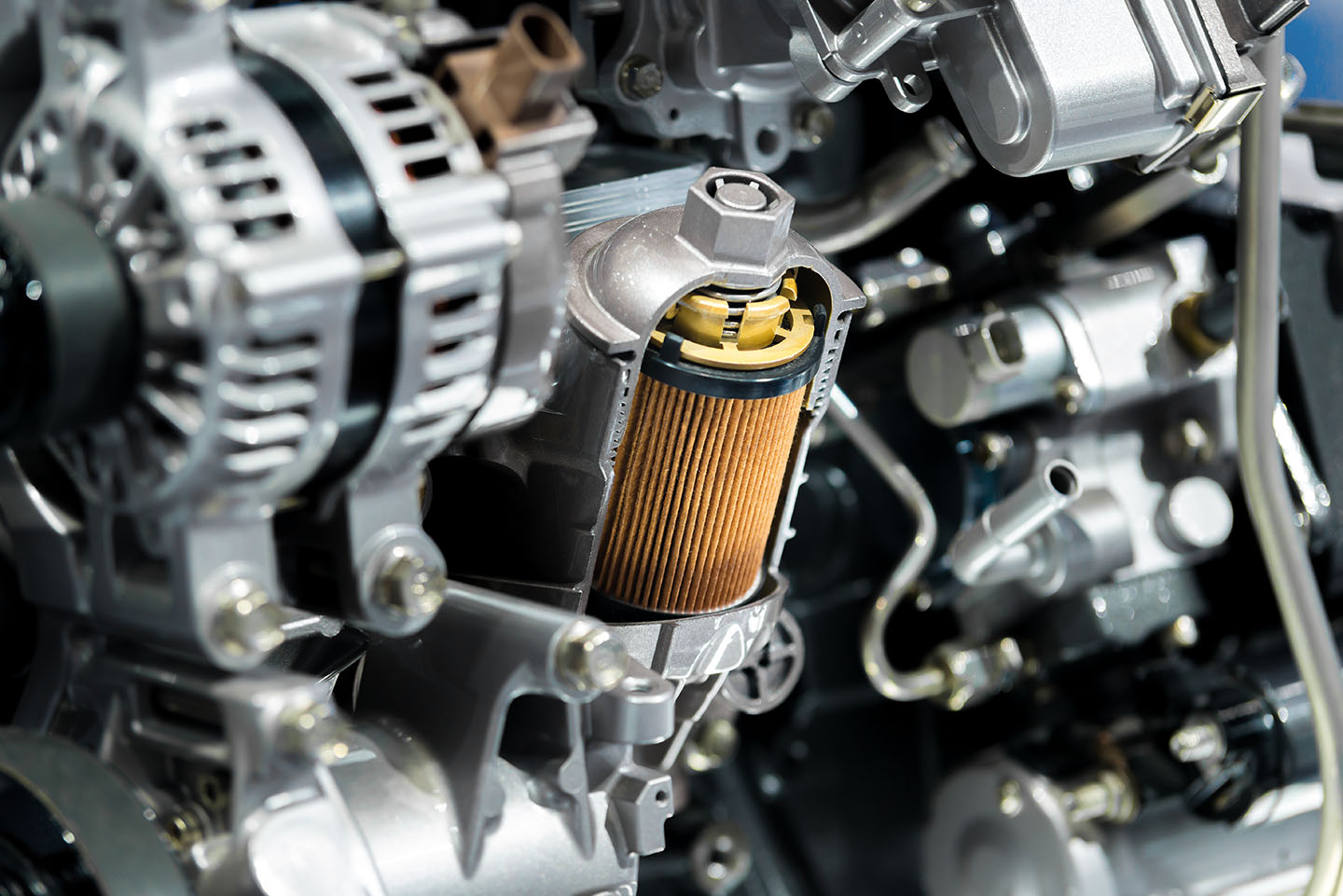
Credit: bostechauto.com
Signs Of A Clogged Diesel Fuel Filter
A clogged diesel fuel filter can cause many problems for your engine. It stops fuel from flowing smoothly. This can lead to different signs that tell you something is wrong. Watch for these signs to avoid bigger engine troubles.
Reduced Engine Performance
Your engine may lose power. It might feel weak during acceleration. The vehicle may struggle on hills or heavy loads. This happens because the filter blocks fuel flow. Less fuel means less power for the engine.
Starting Difficulties
The engine may take longer to start. Sometimes it may not start at all. A clogged filter restricts fuel reaching the engine. This makes it hard for the engine to get the fuel it needs. You might notice multiple attempts before it finally runs.
Unusual Engine Noises
Your engine might make strange sounds. It could sputter, cough, or run roughly. These noises show the engine is not getting enough fuel. The filter’s blockage causes the engine to struggle. Pay attention to any new or odd sounds.
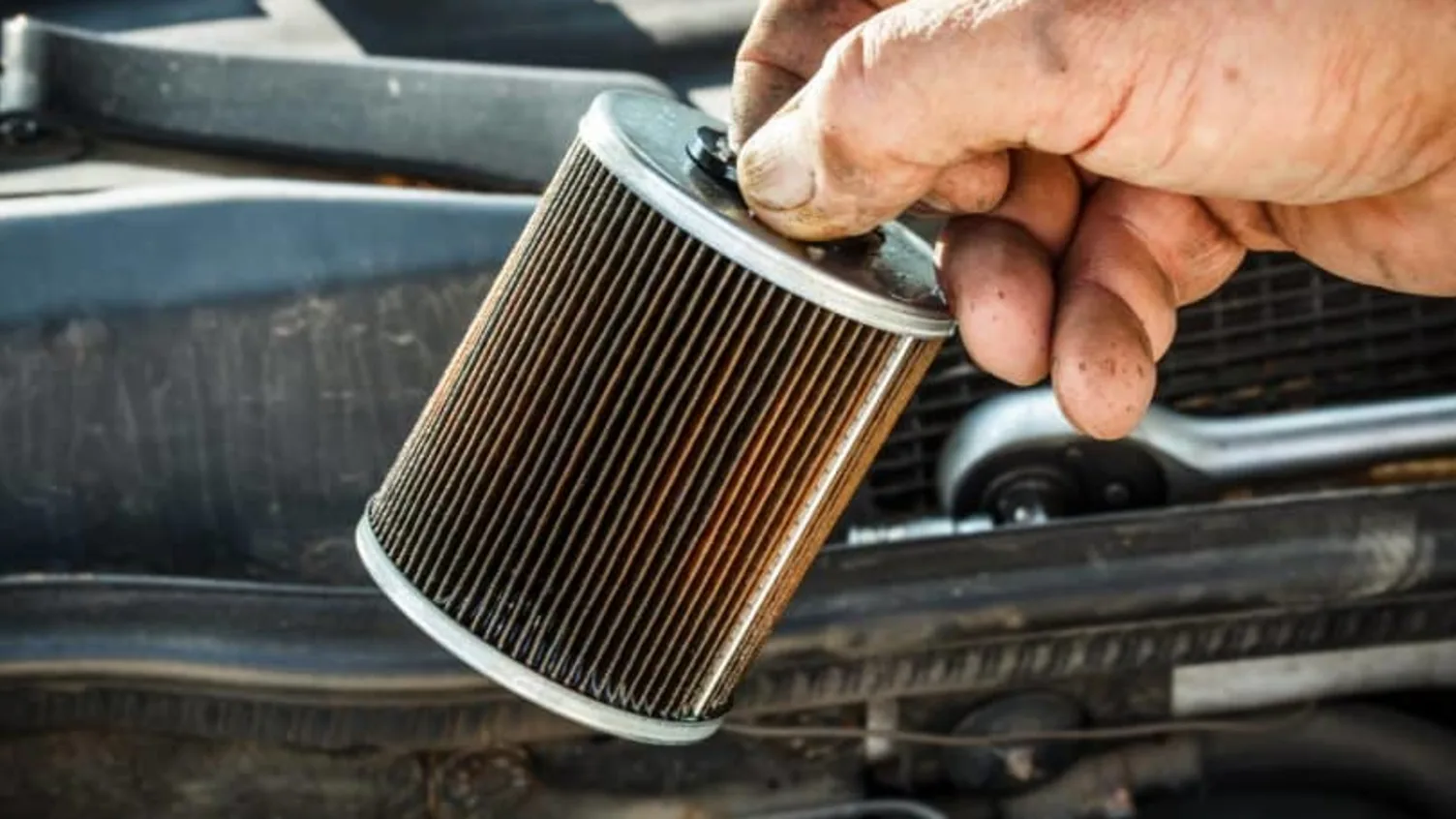
Credit: www.bigboxcars.com.au
Recommended Replacement Intervals
Knowing how often to replace your diesel fuel filter helps keep your engine healthy. Changing the filter at the right time stops dirt and water from reaching the engine. This protects parts and improves fuel efficiency. Replacement intervals depend on several factors. Following the right schedule avoids costly repairs and engine problems.
Manufacturer Guidelines
Every vehicle maker sets a recommended replacement time for diesel fuel filters. This guideline is based on tests and engine design. Usually, the interval ranges from 10,000 to 30,000 miles. Check your owner’s manual for exact numbers. Following these recommendations keeps your engine running smoothly.
Driving Conditions Impact
Driving in rough or dusty areas clogs the fuel filter faster. Short trips and stop-and-go traffic also affect filter life. In such cases, replace the filter more often than usual. This prevents dirt build-up and keeps fuel flowing well. Adjust your schedule to match your driving style.
Fuel Quality Considerations
Low-quality diesel fuel can contain more impurities. These impurities block the fuel filter quicker. Using cleaner fuel helps the filter last longer. If you suspect poor fuel quality, check and replace the filter sooner. Clean fuel and a fresh filter protect your engine better.
Step-by-step Replacement Process
Replacing the diesel fuel filter is important for engine health. This process keeps your engine running smoothly and prevents fuel blockages. Follow these simple steps to change the filter safely and correctly. Each step is easy to follow, even for beginners.
Gathering Necessary Tools
Start by collecting all tools needed. You will need a new diesel fuel filter, a wrench, a container for old fuel, and clean rags. Have gloves ready to protect your hands from fuel. Preparing everything first saves time and avoids mess.
Draining The Old Filter
Locate the old fuel filter under the hood or near the fuel tank. Place the container below it to catch fuel spills. Use the wrench to loosen the filter carefully. Let the old fuel drain completely before removing the filter. Dispose of the old fuel safely.
Installing The New Filter
Check the new filter for any damage before installation. Apply a thin layer of clean diesel to the filter’s rubber seal. Screw the new filter into place by hand. Use the wrench to tighten it, but avoid over-tightening. This ensures a proper seal without damage.
Bleeding Air From The System
Air can block fuel flow after filter replacement. Open the bleed valve on the filter or fuel pump. Use the hand pump or turn the ignition key to move fuel through the system. Close the valve once fuel flows without air bubbles. This step is key to avoid engine stalling.
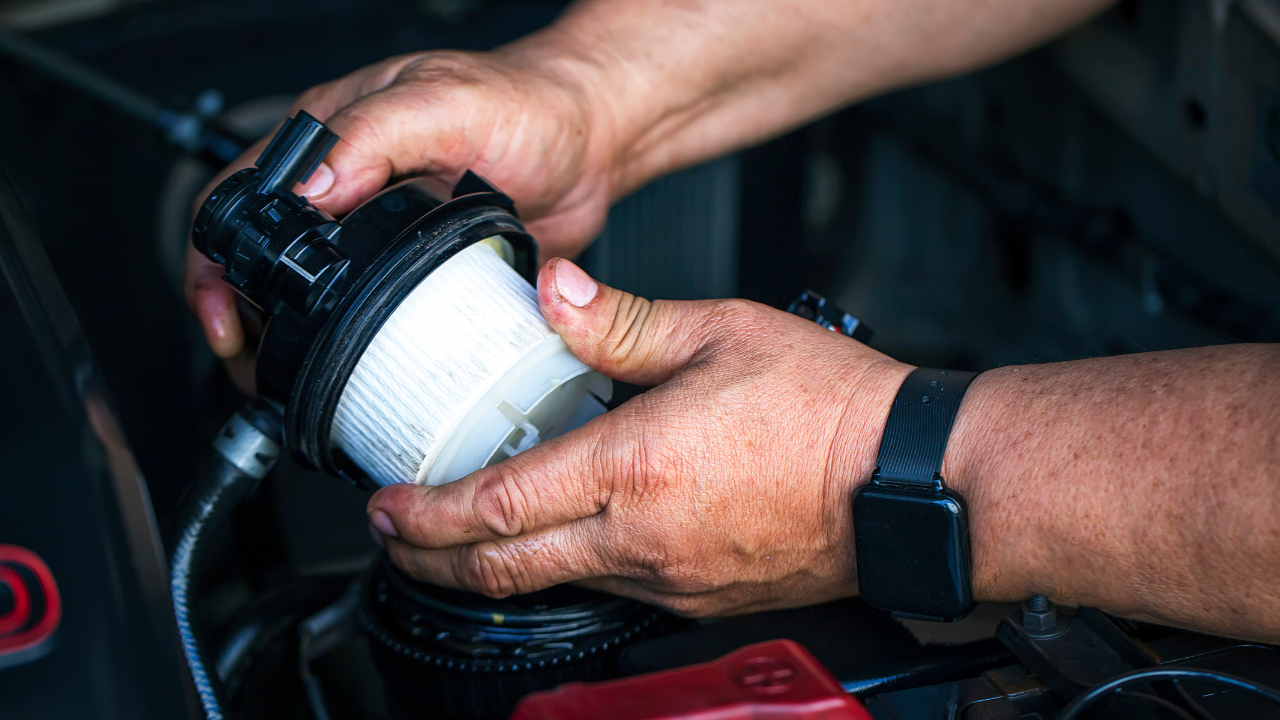
Credit: universalautospares.com.au
Benefits Of Timely Fuel Filter Replacement
Replacing the diesel fuel filter on time keeps your engine running smoothly. It stops dirt and water from reaching the engine parts. Clean fuel means fewer problems and better vehicle performance. This small step saves you money and hassle over time.
Improved Fuel Efficiency
A clean fuel filter helps the engine burn fuel well. Dirt in the filter makes the engine work harder. This wastes fuel and lowers mileage. Changing the filter regularly keeps fuel flow steady. Your vehicle uses less diesel and drives farther.
Extended Engine Life
Fuel filters block harmful particles from entering the engine. Dirty fuel damages engine parts and causes wear. A fresh filter protects the engine from damage. This leads to fewer repairs and longer engine life. Your diesel engine stays strong and reliable.
Reduced Emissions
A clean fuel filter helps the engine burn fuel fully. This lowers harmful smoke and pollutants from the exhaust. Less pollution means cleaner air around you. Timely filter changes help your vehicle meet emission rules. It is better for the environment and public health.
Common Mistakes To Avoid
Replacing the diesel fuel filter is important for engine health. Many people make simple mistakes that harm their vehicles. These mistakes cause poor engine performance and costly repairs. Avoiding these errors keeps your diesel engine running smoothly.
Ignoring Warning Signs
Warning signs show the fuel filter needs attention. Dirty fuel, engine sputtering, or hard starts are alerts. Ignoring these signs leads to clogged filters. A blocked filter stops fuel flow. This causes engine damage and breakdowns.
Using Low-quality Filters
Cheap filters may save money upfront. They often fail faster and let dirt pass through. Low-quality filters harm the fuel system. Always pick good filters made for your diesel engine. Quality filters protect the engine and last longer.
Skipping Regular Maintenance
Regular filter checks prevent engine problems. Skipping maintenance causes dirt build-up inside the filter. This reduces fuel flow and engine power. Follow the vehicle’s service schedule. Change the filter at recommended intervals for best results.
Additional Maintenance Tips For Diesel Engines
Diesel engines need regular care to work well and last long. Besides changing the diesel fuel filter, other steps keep your engine healthy. These tips help avoid costly repairs and improve engine performance.
Simple actions done regularly protect the fuel system and engine parts. These actions save money and time in the long run. Here are some key maintenance tips to follow.
Regular Fuel System Checks
Check the fuel system often. Look for leaks, cracks, or loose parts. Clean or replace parts if needed. This prevents dirt and water from entering the engine. Keep fuel lines and connections tight and clean.
Using Fuel Additives
Fuel additives improve diesel quality. They clean the fuel system and stop buildup. Some additives protect against freezing in cold weather. Use only recommended additives for your engine type. Follow instructions on the product label.
Monitoring Fuel Tank Cleanliness
Keep the fuel tank clean. Dirt and water can settle at the bottom. Drain the tank if you see water or sludge. Use clean fuel to avoid contamination. Check the tank regularly to prevent engine problems.
Frequently Asked Questions
How Often Should I Replace A Diesel Fuel Filter?
You should replace your diesel fuel filter every 10,000 to 25,000 miles. Check your vehicle’s manual for exact intervals. Regular replacement prevents engine problems and maintains fuel efficiency.
What Are Signs Of A Clogged Diesel Fuel Filter?
Common signs include engine misfires, reduced power, rough idling, and difficulty starting. A clogged filter restricts fuel flow, affecting engine performance.
Can I Replace A Diesel Fuel Filter Myself?
Yes, with basic tools and knowledge, you can replace it yourself. Follow safety guidelines and consult your vehicle’s manual for specific instructions.
Why Is Diesel Fuel Filter Replacement Important?
Replacing the filter removes contaminants that damage injectors and engine parts. It ensures clean fuel flow, improving engine longevity and performance.
Conclusion
Replacing the diesel fuel filter regularly keeps your engine healthy. Clean filters stop dirt from harming engine parts. Follow the vehicle manual for the right replacement times. Ignoring this can cause poor fuel flow and engine trouble. Regular checks save you money and avoid breakdowns.
A simple filter change helps your diesel run smooth and last longer. Don’t wait for problems to appear; stay ahead with timely maintenance. Your engine will thank you with better performance and fewer repairs.


