
You’ve just given your car a fresh, flawless paint job. It looks amazing, and you want to keep it that way.
But when can you safely wax your car without damaging that new paint? Waxing too soon might ruin all your hard work, while waiting too long means missing out on that extra shine and protection. If you’re wondering how soon you can wax a car after painting, you’re in the right place.
Keep reading to find out the best timing and tips to keep your car’s finish looking perfect for years to come.
Paint Curing Time
After painting a car, the paint needs time to cure fully. Curing means the paint hardens and bonds well to the surface. This process affects when you can safely wax your car. Waxing too soon can damage the fresh paint. Knowing the right curing time helps protect your car’s finish and keeps it looking great.
Factors Affecting Cure Duration
Many things affect how fast paint cures. Temperature plays a big role; warmer weather speeds up curing. Humidity slows it down because moisture interferes with drying. The thickness of the paint layer matters too. Thicker coats take longer to cure than thin ones. Airflow also helps by removing moisture from the paint surface. The type of paint used changes curing time as well.
Types Of Automotive Paints
Different paints cure at different speeds. Acrylic paints dry fast but may need more time to harden fully. Urethane paints are tough and last longer but take longer to cure. Enamel paints dry slower and can need days before waxing. Some modern paints have additives to speed curing. Always check the paint manufacturer’s instructions for exact times.

Credit: www.drbeasleys.com
Waxing Benefits
Waxing a car after painting offers many benefits that improve the car’s look and protection. Wax creates a barrier that guards the paint from dirt and damage. It also makes the paint look bright and fresh for longer.
Applying wax at the right time helps keep the paint smooth and clean. It also reduces the chance of scratches and stains. Waxing regularly can keep the car looking new and shiny.
Protection And Shine
Wax forms a clear layer on the paint surface. This layer protects the paint from dust, rain, and UV rays. It stops dirt from sticking and makes washing easier. The wax also boosts the shine, making the car look glossy and attractive. A shiny finish gives the car a fresh and cared-for appearance.
Enhancing Paint Longevity
Wax helps extend the life of the paint by shielding it from harmful elements. It slows down fading and cracking caused by sunlight and weather. The wax layer reduces oxidation, which can dull the paint. Regular waxing keeps the paint strong and vibrant. It saves money by reducing the need for frequent repainting or touch-ups.
Recommended Waiting Periods
Knowing the right time to wax a car after painting protects the new paint. Waxing too soon can damage the finish. Waiting lets the paint fully cure and harden. This helps the wax stick properly and keeps the shine lasting longer.
Manufacturer Guidelines
Car paint manufacturers set clear rules on waxing after painting. Most recommend waiting at least 30 days before waxing. This waiting period allows the paint to cure completely. Some paints may need up to 60 days. Always check the paint product label or manual. Following these instructions keeps the paint safe and smooth.
Professional Painter Advice
Experienced painters suggest waiting longer than the minimum time. They often advise 45 to 60 days before waxing. This ensures the paint has hardened well under all conditions. Painters warn that early waxing can cause streaks or dull spots. They recommend cleaning the surface gently before waxing. This helps the wax bond well with the paint surface.
Risks Of Early Waxing
Waxing a car soon after painting might seem like a good idea to protect the fresh paint. Yet, applying wax too early carries risks. The paint needs time to cure fully. Rushing this step can harm the finish and reduce wax effectiveness. Understanding these risks helps keep your car looking great longer.
Paint Damage Potential
New paint is soft and fragile. Waxing before it cures can trap solvents inside the paint. This may cause bubbling or discoloration. The surface can also scratch easily during waxing. Pressing wax or buffing too hard damages the clear coat. This damage may require costly repairs later.
Wax Adhesion Issues
Wax needs a fully hardened surface to stick well. Early waxing can cause poor wax bonding. This means the wax may peel or wash off quickly. Without proper adhesion, wax fails to protect the paint. It also reduces shine and smoothness. Waiting helps wax last longer and keep your paint safe.
Best Waxing Techniques
Waxing a car after painting protects the new finish and keeps it shiny. Using the best waxing techniques helps the wax stick well and last longer. Proper care after painting ensures the paint stays smooth and bright. Below are some tips on choosing the right wax and applying it correctly.
Choosing The Right Wax
Select a wax that suits fresh paint. Avoid harsh chemicals that can damage new paint layers. Carnauba wax offers a natural shine and good protection. Synthetic wax lasts longer and resists dirt better. Pick a wax labeled safe for freshly painted surfaces. This choice keeps the paint safe and glossy.
Application Tips Post-painting
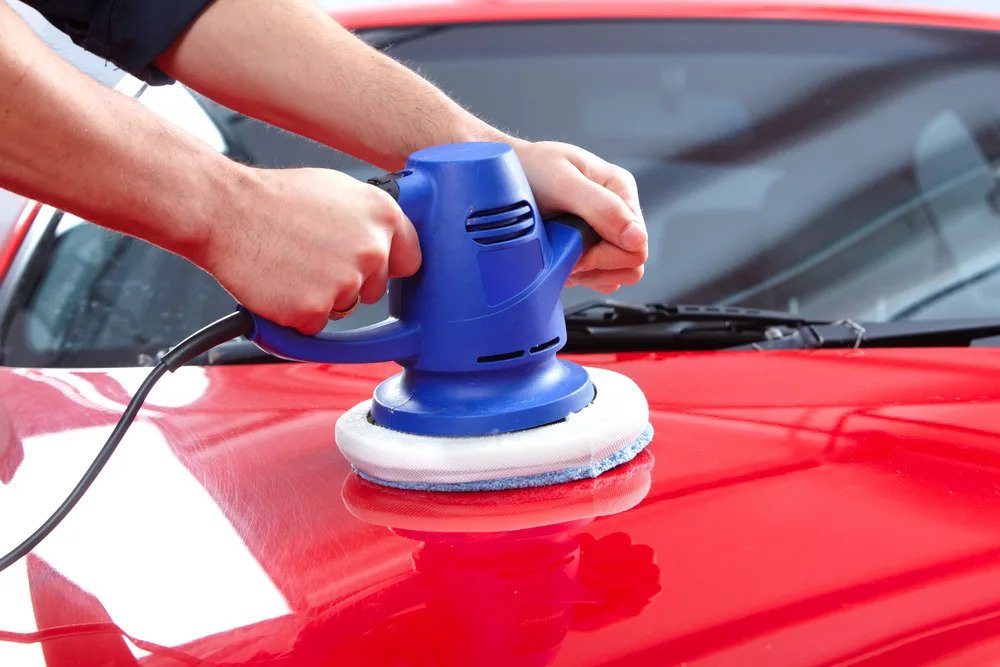
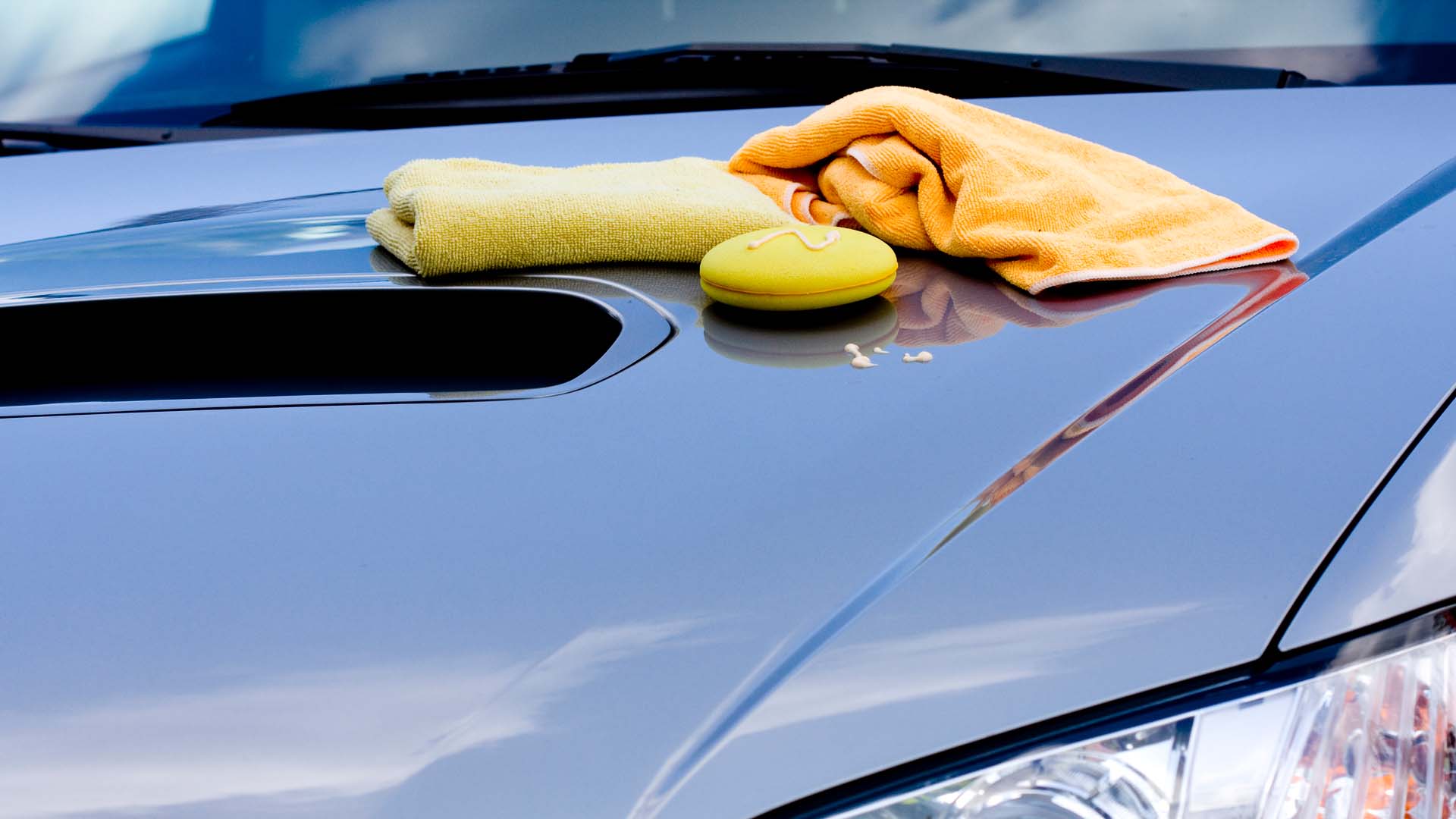
Wait at least 30 days after painting before waxing. This time lets the paint fully cure and harden. Clean the car surface gently before applying wax. Use a soft cloth or foam applicator for smooth application. Apply wax in thin, even layers to avoid buildup. Work in small sections and buff off with a clean cloth. Avoid waxing in direct sunlight or very hot weather. This method helps the wax set properly and protects the paint.
Alternative Protective Options
After painting your car, protecting the new paint is crucial. Waxing is a popular choice, but there are other options too. These alternatives can help shield your car’s surface while the paint fully cures. They vary in durability, ease of use, and protection level.
Sealants Vs. Waxes
Sealants are synthetic products designed to protect paint longer than wax. They form a strong, glossy layer that lasts weeks or months. Sealants resist dirt and water better than wax. They are easy to apply and remove.
Waxes come from natural ingredients like carnauba. They provide a deep shine and smooth feel. Wax protection usually lasts a few weeks. Wax is softer and may need frequent reapplication.
Choosing between sealants and wax depends on your needs. For longer protection, sealants work well. For a rich shine, wax is a good pick.
Temporary Protective Films
Temporary protective films are clear layers applied over fresh paint. They guard against scratches, dirt, and UV rays. These films are thin and almost invisible. They peel off easily without damaging paint.
Films are ideal for new paint waiting to cure fully. They offer instant protection and reduce the risk of damage. Films can cover large areas or just the most vulnerable parts.
This option suits people who want strong protection without waxing right away. Films keep paint safe during the early curing stage.
Maintaining Fresh Paint
Keeping your car’s paint fresh is important after painting. The new paint needs care to stay bright and smooth. Proper maintenance helps protect the paint from damage. It also keeps your car looking new for a longer time.
Regular Cleaning Practices
Clean your car often to keep dirt and dust away. Use a soft cloth and gentle car soap. Avoid harsh scrubbing that can scratch the paint. Rinse the car well to remove all soap. Dry with a soft towel to stop water spots. Regular cleaning helps maintain the shine and finish.
Avoiding Harmful Substances
Keep your car away from bird droppings, tree sap, and bugs. These substances can damage fresh paint quickly. Remove them gently as soon as possible. Avoid parking under trees or near construction. Use a car cover if the car stays outside. Protecting the paint from harsh materials keeps it smooth and bright.
Credit: ethoscarcare.com
Credit: www.thedrive.com
Frequently Asked Questions
How Long Should You Wait To Wax After Car Painting?
You should wait at least 30 days before waxing a freshly painted car. This allows the paint to fully cure and harden, preventing damage or dullness from waxing too soon.
Can Waxing Too Early Damage New Car Paint?
Yes, waxing too early can trap solvents and moisture, causing paint defects or dull spots. It can also interfere with the curing process.
What Happens If I Wax My Car Immediately After Painting?
Waxing immediately may cause paint to soften or peel. It risks trapping contaminants and may lead to uneven finish or reduced paint durability.
Is There A Safer Alternative Before Waxing New Paint?
Yes, using a paint sealant or a paint protection film can protect the surface while the paint cures fully before waxing.
Conclusion
Waxing your car too soon after painting can cause damage. Wait at least 30 days to let the paint fully cure. This helps protect your new paint job and keeps it shiny longer. Clean the surface gently before waxing to avoid scratches.
Regular waxing after the waiting period keeps your car looking fresh. Patience pays off with better results and longer-lasting shine. Taking care of your paint ensures your car stays beautiful for years.


