If you’re planning to install a car lift, one of the most important questions you need to answer is: how thick should your concrete slab be? Getting this right is crucial to ensure safety, durability, and smooth operation.
Too thin, and you risk cracks or even collapse. Too thick, and you might be wasting time and money. You’ll discover exactly how thick your concrete needs to be to support your car lift perfectly. Keep reading to avoid costly mistakes and make your project a success from the ground up.
Concrete Thickness Basics
Concrete for a car lift should be thick enough to support heavy weight safely. Usually, a minimum thickness of 6 inches is recommended for strength and durability. Thicker concrete helps prevent cracks and ensures long-lasting support.
Factors Influencing Thickness
Concrete thickness depends on several key factors. The weight of the car lift plays a big role. Heavier lifts need thicker concrete to support the load. The type of soil under the concrete matters too. Soft or loose soil requires thicker slabs for stability. Climate impacts thickness as well. Areas with freezing temperatures may need thicker concrete to avoid cracks from frost. The frequency of use is important. Lifts used often need stronger, thicker concrete to handle constant pressure. Proper reinforcement with steel bars also affects how thick the concrete should be.
Standard Thickness Recommendations
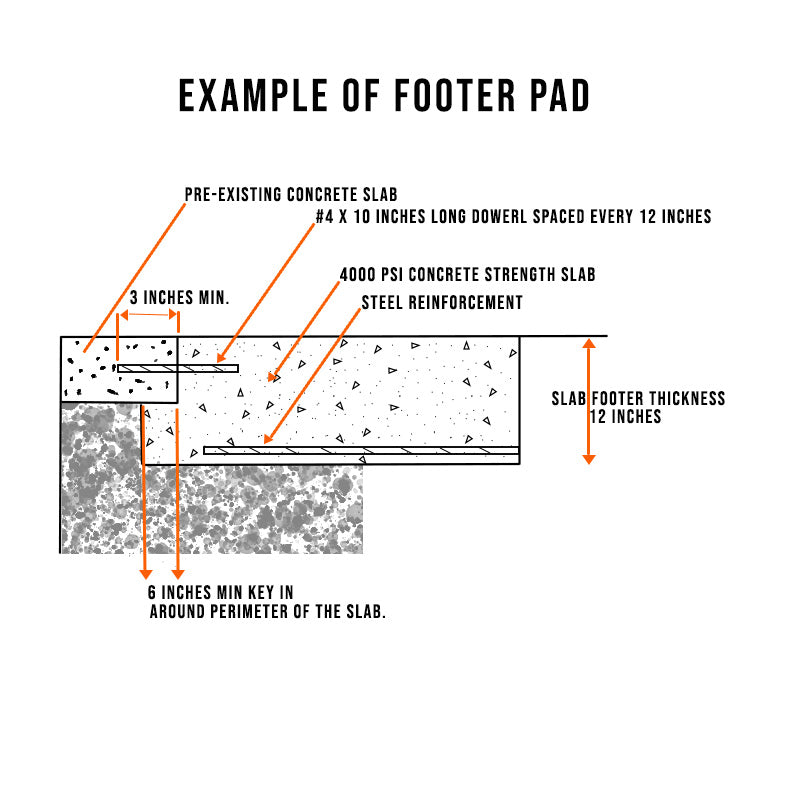
Most car lifts need concrete at least 6 inches thick. This thickness supports common residential lifts. For heavier commercial lifts, 8 to 10 inches is typical. Thicker slabs provide better durability and safety. Concrete with a strength of 4,000 psi or higher is usually recommended. Reinforcing the slab with rebar or wire mesh helps prevent cracking. The surface should be smooth and level to keep the lift stable. Following these standards ensures the concrete can safely hold the lift and vehicles over time.
Car Lift Weight Considerations
Car lifts come in many sizes and styles. Each type has a different weight. This weight affects the concrete thickness needed for a safe installation. Understanding these weight considerations is key. The concrete must hold the lift firmly without cracking or breaking. This ensures safety and long-term use.
Types Of Car Lifts
Car lifts include two-post, four-post, scissor, and in-ground lifts. Each type carries a different load on the concrete slab. Two-post lifts usually weigh less than four-post lifts. Scissor lifts are compact but can be heavy. In-ground lifts have extra weight due to buried parts. The concrete must match the lift type and weight to avoid damage.
Load Capacity And Impact On Concrete
Load capacity means how much weight the lift can hold. It includes the car’s weight plus the lift’s own weight. Higher load capacity needs thicker, stronger concrete. Thin concrete can crack under heavy weight. Proper thickness spreads the load evenly. This prevents sinking and increases safety. Check the lift’s specifications before pouring concrete. This helps choose the right thickness and strength.
Soil And Foundation Impact
The soil under a car lift plays a big role in deciding how thick the concrete slab should be. Strong and stable soil supports weight better. Weak soil might need thicker concrete or extra work. The foundation must hold the lift safely and prevent cracks or sinking. Understanding soil and foundation helps build a long-lasting base for your car lift.
Soil Types And Stability
Different soils have different strengths. Clay soil can hold water and swell. Sandy soil drains well but may shift. Rocky soil is usually stable but uneven. The soil must not move or settle under heavy weight. Testing the soil helps decide the concrete thickness and reinforcement. Stable soil means less risk of cracks or damage.
Preparing The Base For Concrete
Before pouring concrete, prepare the soil base carefully. Remove loose dirt, roots, and debris. Compact the soil to make it firm and even. Sometimes, add gravel or crushed stone for better drainage and support. A well-prepared base stops the concrete from sinking or cracking. Proper base work ensures the car lift stays strong and safe.

Credit: concept-ge.co.uk
Concrete Mix And Strength
Concrete mix and strength play a key role in building a durable car lift base. The concrete must hold heavy weight without cracking or breaking. Choosing the right mix and adding proper reinforcement helps achieve this strength.
Choosing The Right Mix
Select a concrete mix with a high compressive strength. A mix rated at 4000 psi or higher is best for car lifts. This strength ensures the concrete can support heavy vehicles safely. Use a mix with a low water-to-cement ratio to increase durability. Avoid weak or overly wet mixes, as they reduce strength and increase cracking risk.
Consider using concrete with additives like silica fume or fly ash. These improve the concrete’s density and resistance to wear. A well-chosen mix lasts longer and needs less maintenance.
Reinforcement Options
Concrete alone is strong in compression but weak in tension. Reinforcement helps prevent cracks and adds support under heavy loads. Steel rebar is a common reinforcement choice. It provides strength and helps hold the concrete together.
Wire mesh is another option for reinforcement. It distributes loads evenly and reduces cracking. Some builders use fiber reinforcement mixed into the concrete. Fibers increase toughness and reduce shrinkage.
Use reinforcement according to the car lift’s design and expected load. Proper reinforcement extends the life of the concrete and ensures safety.
Installation Tips For Longevity
Installing a concrete base for a car lift needs care and attention. This ensures the lift stays strong and safe for years. Following the right steps during installation helps avoid cracks and damage. It also improves the concrete’s strength and durability. Below are key tips for making your concrete last long.
Proper Curing Techniques
Concrete needs time to harden well. Keep it moist for at least seven days after pouring. Cover the surface with wet burlap or plastic sheets. This stops the concrete from drying too fast and cracking. Avoid walking or driving on the concrete during curing. Proper curing makes the concrete denser and tougher. This helps the car lift support heavy loads safely.
Avoiding Common Mistakes
Do not pour concrete on a weak base. The ground must be compacted and stable. Avoid using too much water in the concrete mix. It weakens the concrete and causes shrinkage. Do not skip adding steel reinforcement bars or mesh. These add strength and prevent cracks. Always check the thickness meets the car lift’s requirement. Thin concrete can break under pressure. Taking these steps protects your investment and keeps your car lift safe.

Credit: www.youtube.com
Maintenance And Inspection
Maintaining and inspecting the concrete for a car lift is important for safety and durability. Regular care helps spot problems early. This keeps the concrete strong and reliable. Small issues can turn into big repairs if ignored. A proper routine saves money and time.
Regular Checks
Check the concrete surface often. Look for any signs of wear or damage. Notice changes in color or texture. Keep an eye on areas near the car lift posts. Look for water pooling or dirt build-up. Regular checks catch problems before they grow.
Repairing Cracks And Damage
Fix cracks as soon as they appear. Small cracks can grow if left alone. Use a concrete patch or filler made for outdoor use. Clean the area before applying repair material. Smooth the surface to prevent water from entering. Repairing damage quickly helps keep the concrete strong.
Credit: automotiveliftexperts.com
Frequently Asked Questions
How Thick Should Concrete Be For A Car Lift?
Concrete for a car lift should be at least 6 inches thick. This thickness ensures it can support the heavy weight of vehicles and lift equipment safely without cracking or settling over time.
What Concrete Strength Is Needed For A Car Lift Slab?
A concrete strength of 4,000 psi is recommended for car lift slabs. This strength provides durability and the ability to withstand the pressure and weight from vehicles and the lift mechanism.
Can I Use Regular Concrete For A Car Lift Foundation?
Regular concrete can be used if it meets thickness and strength requirements. However, using reinforced concrete with steel rebar increases stability and prevents cracking under heavy loads.
How Long Should Concrete Cure Before Installing A Car Lift?
Concrete should cure for at least 28 days before installing a car lift. Proper curing ensures maximum strength and durability to safely support the lift and vehicles over time.
Conclusion
Thick concrete keeps your car lift safe and stable. Usually, 6 to 8 inches works well for most lifts. Thicker concrete holds more weight and lasts longer. Don’t forget to check local rules before you pour. Good preparation helps avoid future problems.
A strong base means your car lift will work smoothly. Take time to get the thickness right. It protects both your vehicle and your investment. Solid concrete makes a big difference in safety. Choose the right thickness and enjoy peace of mind.