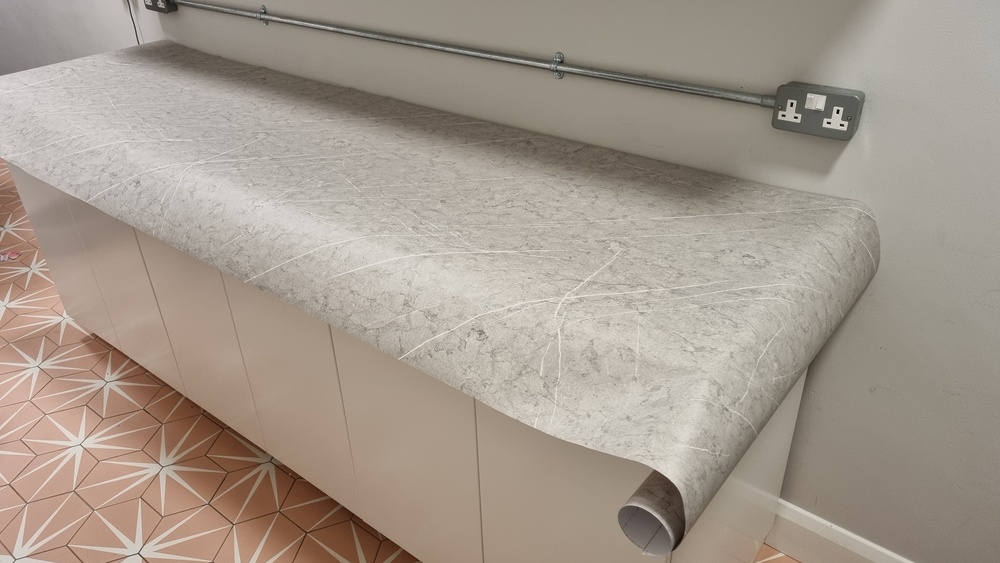
Applying vinyl wrap on a curved surface can feel tricky, but it doesn’t have to be. If you want your project to look smooth and professional, understanding the right techniques is key.
Imagine transforming your car, laptop, or any curved object with a sleek new look—all without bubbles or wrinkles. In this guide, you’ll learn simple steps and insider tips that make wrapping curves easier than you think. Stick with me, and by the end, you’ll have the confidence to handle even the most challenging shapes like a pro.
Ready to get started? Let’s dive in!
Preparing The Surface
Preparing the surface is a key step before applying vinyl wrap on a curved surface. It ensures the wrap sticks well and lasts longer. A clean, smooth surface helps avoid bubbles and wrinkles. Follow these steps carefully to get the best results.
Cleaning And Drying
Start by cleaning the surface with mild soap and water. Remove all dirt, dust, and grease. Use a soft cloth to wipe the area gently. Avoid harsh chemicals that can damage the surface. After cleaning, dry the area completely. Moisture can stop the vinyl from sticking properly.
Removing Old Wraps
Check if there are any old vinyl wraps or adhesives. Peel off old wraps slowly to prevent damage. Use a heat gun or hairdryer to soften the adhesive. This makes removal easier and lessens the chance of tearing. Remove all sticky residue with an adhesive remover. The surface must be clean and smooth before wrapping.
Smoothing The Surface
Inspect the surface for bumps, scratches, or dents. Use fine sandpaper to smooth out rough spots. Fill dents with body filler and sand again once dry. Remove dust with a clean cloth after sanding. A smooth surface helps the vinyl wrap lay flat and look professional.

Credit: www.youtube.com
Choosing The Right Vinyl
Choosing the right vinyl is key for wrapping curved surfaces smoothly. The vinyl must bend and stretch without tearing or wrinkling. It also needs to stick well and last long under various weather conditions. Picking vinyl that matches the surface shape and use makes the job easier and the finish better.
Types Of Vinyl Wrap
There are mainly two types of vinyl: cast and calendared. Cast vinyl is thin and flexible. It works best on curves and complex shapes. Calendared vinyl is thicker and less flexible. It suits flat or gently curved surfaces. For curved surfaces, cast vinyl is the safer choice. It stretches without losing color or strength.
Selecting Adhesive Strength
The adhesive must hold firmly but allow some repositioning. Medium-tack adhesives help during installation on curves. They let you adjust the vinyl before it sticks fully. Strong adhesives bond well but can cause bubbles if placed wrong. Choose vinyl with adhesive designed for the surface type. This ensures long-lasting stick and easy application.
Picking The Right Color And Finish
Vinyl comes in many colors and finishes. Glossy finishes reflect light and look shiny. Matte finishes reduce glare and hide imperfections. Satin is a mix of both. Pick a finish that fits the style and use of the surface. Light colors show dirt less but may fade faster. Dark colors look rich but reveal dust easily. Choose color and finish to match your project needs.
Tools You Need
Applying vinyl wrap on a curved surface needs the right tools. These tools help make the wrap smooth and wrinkle-free. They also protect the vinyl and help it stick well. Here are the essential tools you will need for this task.
Squeegees And Heat Guns
Squeegees push air out and smooth the vinyl. Use soft felt squeegees to avoid scratches. Hard squeegees can damage the vinyl surface.
Heat guns soften the vinyl for curves and edges. Warm vinyl stretches easily without tearing. Move the heat gun evenly to prevent burns.
Cutting Tools
Sharp knives or blades cut vinyl cleanly. Use a utility knife with fresh blades. Blunt blades cause rough edges and tears.
Cut vinyl slightly larger than the surface. Trim carefully after applying to fit perfectly. Always cut on a safe, flat surface.
Measuring Equipment
Accurate measurements stop material waste. Use a tape measure for length and width. Mark the vinyl with a pencil or chalk.
Double-check your measurements before cutting. Correct size vinyl fits better on curves. Precise measuring saves time and effort.
Measuring And Cutting
Measuring and cutting vinyl wrap for a curved surface takes care and precision. The right measurements help avoid waste and ensure a smooth finish. Cutting accurately makes the wrap easier to apply without wrinkles or bubbles. Extra material is important to cover curves fully without stretching the vinyl too much.
Taking Accurate Measurements
Start by cleaning the surface. Use a tape measure or flexible ruler to follow the curves. Measure the widest and tallest points carefully. Write down each measurement clearly. Double-check numbers to avoid mistakes. Take notes of any unusual shapes or angles.
Cutting The Vinyl To Size
Lay the vinyl flat on a clean surface. Use a sharp knife or scissors for smooth cuts. Cut slightly larger than the measurements at first. Keep the edges neat to avoid lifting. Work slowly and avoid rushing. Trim small amounts if needed after fitting.
Allowing Extra Material For Curves
Curved surfaces need extra vinyl to cover bends. Add about 2 to 3 inches around each edge. This helps with stretching and tucking the vinyl. Do not cut too close to the shape. Extra material gives room to adjust during application. It prevents gaps and peeling later.
Applying The Vinyl Wrap
Applying vinyl wrap on a curved surface needs care and patience. The material must fit tightly without wrinkles or bubbles. Each step helps the vinyl stick smoothly and look good. Follow these steps for a neat finish.
Positioning The Vinyl
Place the vinyl carefully on the curved surface. Start at one edge and align it properly. Use light pressure to keep it in place. Avoid stretching too much at this stage.
Using Heat For Flexibility
Heat the vinyl with a heat gun or hairdryer. Warm vinyl becomes soft and easy to shape. Do not overheat or burn the material. Heat helps the vinyl wrap around curves smoothly.
Stretching Around Curves
Gently pull the vinyl around the curve. Work slowly to avoid tears or wrinkles. Use your fingers or a soft tool to press it down. The heat makes stretching easier and safer.
Smoothing Out Air Bubbles
Push air bubbles out toward the edges. Use a squeegee or soft cloth for this. Work from the center to the sides. Small bubbles can be heated and smoothed away.

Credit: www.craft-e-corner.com
Trimming And Finishing
Trimming and finishing are key steps in vinyl wrapping curved surfaces. These steps give your wrap a clean and professional look. Proper trimming avoids peeling and bubbling later. Finishing seals the edges and strengthens the wrap. Follow simple techniques to make your wrap last longer and look smooth.
Cutting Excess Vinyl
Cut excess vinyl carefully using a sharp blade. Trim close to the edge but avoid cutting the surface below. Use gentle, steady movements to follow curves perfectly. Cut small sections instead of large pieces for better control. Keep the blade angle low to prevent damage. Remove scraps as you go to keep the area neat.
Sealing Edges
Seal edges to stop water and dirt from getting under the vinyl. Use a roller or your fingers to press edges down firmly. Apply gentle pressure along all edges, especially around curves and corners. If needed, use edge sealer or adhesive promoter for extra hold. Proper sealing prevents peeling and extends the wrap’s life.
Final Heat Application
Apply heat one last time with a heat gun or hairdryer. Warm the vinyl evenly but do not overheat. Heat softens the vinyl and helps it bond tightly to the surface. Use a soft cloth or roller to press the vinyl as it warms. This step smooths out wrinkles and ensures a tight finish.
Common Mistakes To Avoid
Applying vinyl wrap on curved surfaces can be tricky. Avoiding common mistakes helps get a smooth, lasting finish. Small errors can cause bubbles, wrinkles, or peeling. Pay close attention to these key points for better results.
Overstretching The Vinyl
Pulling the vinyl too hard can damage it. Overstretching makes the material thin and weak. It may cause tears or lose its adhesive power. Stretch gently and evenly to keep the vinyl strong. Let the material relax before sticking it down.
Ignoring Surface Preparation
Cleaning the surface is crucial before applying vinyl. Dirt, dust, or grease stops the vinyl from sticking well. Use soap and water or a special cleaner. Dry the surface fully to avoid bubbles. Skip this step and the wrap won’t last long.
Rushing The Application
Take time during the application process. Moving too fast leads to mistakes like air pockets. Smooth the vinyl slowly with a squeegee or your hand. Work in small sections to control the wrap better. Patience helps create a neat, flat finish.

Credit: www.reddit.com
Maintenance Tips
Maintaining vinyl wrap on curved surfaces keeps it looking fresh and lasting longer. Proper care avoids damage and fading. Small efforts make a big difference in appearance and durability.
Cleaning Wrapped Surfaces
Use a soft cloth or sponge with mild soap and water. Avoid harsh chemicals that can damage the vinyl. Clean regularly to remove dirt and dust. Rinse well and dry with a microfiber cloth. Do not use abrasive brushes or scrapers.
Repairing Small Damages
Check for small tears or bubbles often. Gently lift edges and smooth out air pockets with a squeegee. Use vinyl repair kits for minor scratches or cracks. Act quickly to stop damage from spreading. Avoid DIY fixes with glue or tape that can worsen damage.
Extending Vinyl Lifespan
Park in shaded areas to reduce sun exposure. Avoid pressure washing or high heat near the wrap. Use protective sprays designed for vinyl surfaces. Store wrapped items indoors during harsh weather. Regular inspections catch problems early before they grow.
Frequently Asked Questions
How Do You Prepare A Curved Surface For Vinyl Wrap?
Clean the surface thoroughly to remove dirt and grease. Use isopropyl alcohol for best results. Ensure the surface is dry and smooth before applying the vinyl wrap.
What Tools Are Essential For Wrapping Curved Surfaces?
You need a heat gun, squeegee, and a sharp utility knife. These tools help stretch and smooth the vinyl without wrinkles or bubbles.
How Do You Avoid Bubbles On Curved Vinyl Wraps?
Apply heat evenly and use a squeegee to press the vinyl firmly. Work slowly from the center outwards to push out air bubbles.
Can Vinyl Wrap Stretch Over Tight Curves?
Yes, high-quality vinyl can stretch up to 100%. Use heat to soften the vinyl, allowing it to conform smoothly over tight curves.
Conclusion
Applying vinyl wrap on curved surfaces takes patience and care. Start with a clean surface and use a heat gun to shape the vinyl smoothly. Stretch and press the vinyl gently to avoid bubbles and wrinkles. Take your time to align edges neatly for a clean finish.
Practice helps improve your skill and confidence. With these steps, your wrap will look neat and last longer. Try small projects first and build your way up. Vinyl wrapping curved surfaces can be simple with the right approach.