

Are you looking to give your car, laptop, or any surface a fresh, new look without spending a fortune? Applying vinyl wrap is the perfect way to transform your items quickly and easily.
But if you’ve never tried it before, the idea might feel a bit overwhelming. Don’t worry—this guide will walk you through every step, making the process simple and stress-free. By the end, you’ll have the confidence to wrap like a pro and enjoy a smooth, flawless finish that turns heads.
Ready to get started? Let’s dive in!
Choosing The Right Vinyl Wrap
Choosing the right vinyl wrap is the first step to a successful project. It affects how your wrap looks and lasts. Picking the best type, color, and tools makes the process easier. It also helps you avoid mistakes and extra costs.
Types Of Vinyl Wraps
There are several types of vinyl wraps. Cast vinyl is flexible and lasts longer. It works well on curves and complex shapes.
Calendared vinyl is thicker and cheaper. It suits flat or simple surfaces but may not last as long.
Textured vinyl adds a unique feel. Options like carbon fiber or brushed metal give a special look.
Selecting The Perfect Color And Finish
Color changes the car’s style completely. Choose a color that fits your taste and purpose.
Finishes include gloss, matte, satin, and metallic. Glossy finishes shine and look new. Matte gives a smooth, flat look. Satin blends shine and flatness. Metallic finishes add sparkle and depth.
Think about your environment. Dark colors show dirt more. Light colors hide scratches better.
Tools And Materials Needed
Good tools make wrapping easier and cleaner. You need a squeegee to smooth air bubbles.
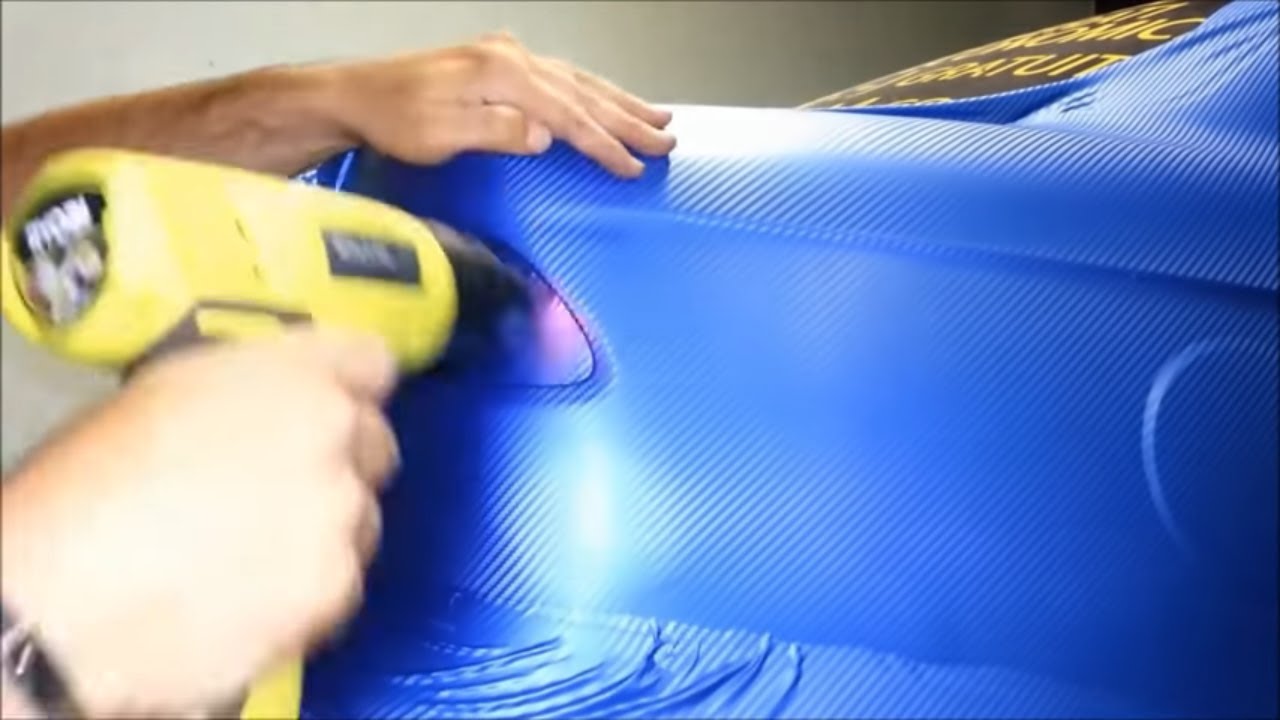
A heat gun helps stretch and shape the vinyl. A sharp knife cuts vinyl precisely.
Use cleaning spray and cloth to prepare the surface. Clean surfaces help the vinyl stick well.
Credit: www.youtube.com
Preparing The Surface
Preparing the surface is the first step to a successful vinyl wrap. A clean and smooth surface helps the vinyl stick well. It also prevents bubbles and wrinkles. Take time to do this right. It will make your wrap look professional and last longer.
Cleaning And Degreasing
Start by washing the surface with soap and water. Use a soft cloth or sponge to remove dirt. Next, apply a degreaser to get rid of oils and grease. Oils can stop the vinyl from sticking properly. Wipe the surface with a clean cloth after degreasing. Make sure the area is dry before moving on.
Removing Old Wraps And Decals
Old wraps and decals can cause bumps under the new vinyl. Peel off any old vinyl carefully. Use a heat gun or hairdryer to soften the adhesive. This makes removal easier and prevents damage. Remove all sticky residue with an adhesive remover. A smooth surface is key for a clean wrap.
Sanding And Repairing Imperfections
Check the surface for scratches, dents, or rust. Lightly sand any rough spots with fine-grit sandpaper. Sanding smooths out the surface and helps the vinyl stick better. Fill dents or holes with body filler. Let the filler dry and sand it flat. Clean the surface again after sanding to remove dust.
Measuring And Cutting The Vinyl
Measuring and cutting vinyl correctly is a vital step in applying a vinyl wrap. It ensures the wrap fits smoothly and looks professional. Careful measurements prevent waste and help avoid mistakes during installation.
Cutting the vinyl with precision makes the application easier. The right layout planning helps place the vinyl perfectly on the surface. Each step builds the foundation for a neat and lasting finish.
Taking Accurate Measurements
Start by cleaning the surface to measure accurately. Use a tape measure or ruler for precise numbers. Measure length and width carefully, noting any curves or edges. Write down all measurements to avoid confusion later. Double-check the numbers before cutting the vinyl.
Cutting Techniques For Precision
Use a sharp utility knife or vinyl cutter for clean edges. Cut on a flat, stable surface to avoid slips. Leave extra material around edges for adjustments. Cut slowly and steadily to maintain control. Avoid jagged or uneven cuts that affect appearance.
Planning The Layout
Lay the vinyl flat and mark the measurements lightly. Visualize how the vinyl will wrap around corners and curves. Plan cuts to minimize seams and overlaps. Position the vinyl so the design or pattern aligns well. Proper layout saves time during the actual application.
Credit: www.youtube.com
Applying The Vinyl Wrap
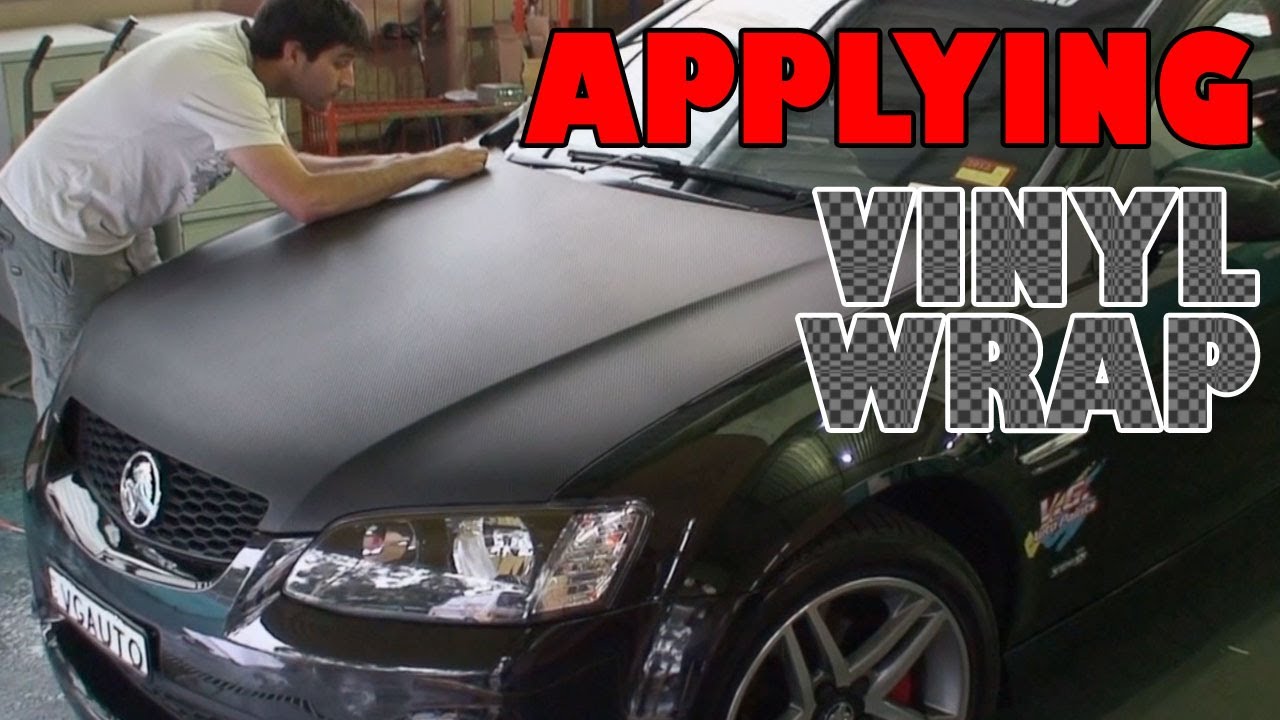
Applying a vinyl wrap takes patience and care. The process starts after you clean and prepare the surface. This part focuses on how to place and stick the vinyl correctly. Follow each step closely for a smooth finish.
Positioning The Vinyl
Place the vinyl on the surface carefully. Align it so it covers the area perfectly. Use magnets or tape to hold it in place. Check the edges and corners to avoid gaps. Positioning well saves time in the next steps.
Using Heat For Flexibility
Use a heat gun or hair dryer to warm the vinyl. Heat makes the material soft and easier to stretch. This helps it fit curves and corners without creases. Heat small sections, not the whole sheet at once. Be careful to avoid overheating and damage.
Smoothing Out Air Bubbles
Use a squeegee to push air bubbles out. Start from the center and move toward the edges. Work slowly and apply firm pressure. Small bubbles can be popped with a pin and smoothed again. Removing bubbles gives a clean, professional look.
Handling Edges And Corners
Pay close attention to edges and corners. Heat these areas to soften the vinyl for better grip. Tuck the vinyl neatly around curves and corners. Trim excess vinyl carefully with a sharp blade. Proper handling prevents peeling and lifts later on.
Finishing Touches
Finishing touches make your vinyl wrap look clean and last longer. These steps protect the edges and keep the wrap smooth. Pay close attention to details for the best results.
Trimming Excess Vinyl
Use a sharp blade to cut away extra vinyl carefully. Trim close to the edges but avoid cutting the surface below. Take your time to ensure straight, clean lines. Small cuts prevent peeling later on.
Sealing The Wrap
Seal edges with heat to make the wrap stick better. Use a heat gun on low heat and press edges firmly. This prevents water and dirt from getting under the vinyl. Strong seals help the wrap last through weather changes.
Curing Time And Care Tips
Let the wrap cure for at least 24 hours before washing. Keep the wrapped surface away from strong water jets at first. Avoid using harsh chemicals that can damage the vinyl. Gentle cleaning and patience keep your wrap looking fresh longer.

Credit: wrapguys.com
Common Mistakes To Avoid
Applying vinyl wrap is a careful process. Avoiding common mistakes helps you get a smooth, lasting finish. Knowing these errors makes your work easier and better.
Wrinkles And Bubbles
Wrinkles and bubbles spoil the look of your wrap. They happen when you stretch the vinyl too much or apply it too fast. Use a squeegee to press the vinyl firmly. Work slowly and smooth out air pockets as you go.
Poor Surface Preparation
Dirt, dust, and grease stop vinyl from sticking well. Clean the surface with soap and water first. Then, use rubbing alcohol to remove oils. Make sure the surface is dry before you start wrapping.
Incorrect Temperature Handling
Temperature affects how vinyl behaves. Cold vinyl is stiff and hard to stretch. Hot vinyl can become too soft and tear easily. Wrap in a room between 60°F and 80°F for best results. Keep your vinyl and tools at the right temperature.
Maintaining Your Vinyl Wrap
Maintaining your vinyl wrap is key to keeping it fresh and vibrant. Proper care makes the wrap last longer and look better. Simple steps can prevent damage and preserve its finish.
Cleaning Guidelines
Use a soft cloth or sponge to clean the wrap. Choose mild soap mixed with water. Avoid harsh chemicals and abrasive tools. Rinse with clean water to remove soap. Dry with a soft towel to prevent water marks. Clean regularly to avoid dirt buildup.
Repairing Minor Damages
Small scratches or tears need quick attention. Use vinyl wrap repair kits found online or in stores. Gently lift the damaged area and apply adhesive. Smooth out bubbles or wrinkles carefully. Replace sections only if damage is severe. Act fast to stop damage from growing.
Extending Wrap Lifespan
Park in shaded areas to reduce sun exposure. Avoid washing with high-pressure water jets. Keep away from sharp objects that can scratch. Apply protective wax designed for vinyl wraps. Check the wrap often for signs of wear. Proper care extends the life of your wrap.
Frequently Asked Questions
What Tools Are Needed To Apply Vinyl Wrap?
You need a squeegee, heat gun, utility knife, and cleaning supplies. These tools help smooth the vinyl and ensure proper adhesion. Having the right tools makes the application easier and prevents damage.
How Do You Prepare A Surface For Vinyl Wrap?
Clean the surface thoroughly to remove dirt, grease, and wax. Use soap and water, then dry completely. A clean surface ensures better vinyl adhesion and a smooth finish.
Can Vinyl Wrap Be Applied On Curved Surfaces?
Yes, vinyl wrap can be applied on curves using heat and stretching techniques. Heat softens the vinyl, making it flexible to conform to shapes. Careful application prevents bubbles and wrinkles.
How Long Does Vinyl Wrap Last On Vehicles?
Vinyl wraps typically last 5 to 7 years with proper care. Longevity depends on quality, installation, and exposure to elements. Regular cleaning extends the wrap’s lifespan.
Conclusion
Applying vinyl wrap takes time and patience. Clean the surface well before starting. Use a heat gun to smooth out bubbles. Work slowly and carefully for best results. Small mistakes can be fixed with practice. Vinyl wrap can change a vehicle’s look easily.
Follow these simple steps for a neat finish. Enjoy your new style with confidence. Keep tools ready and take your time. You can do it yourself and save money. Practice makes the process easier and better.


