Looking to buy a car from a private seller in North Carolina? It can be a smart way to find a great deal, but it also comes with its own set of challenges.
You want to make sure you get the best price without falling into common traps. In this guide, you’ll discover simple, step-by-step tips that will help you navigate the process confidently. By the end, you’ll know exactly what to check, ask, and do to make your car purchase smooth and worry-free.
Keep reading—your perfect car deal is closer than you think.
Credit: legaltemplates.net
Finding Cars From Private Sellers
Finding cars from private sellers in North Carolina offers a chance to get good deals. Private sellers often price their cars lower than dealers. You can also find unique models or well-maintained vehicles. The search takes time but can be rewarding. Knowing where to find these cars helps a lot. Below are the best ways to find cars from private sellers.
Best Websites And Platforms
Several websites list cars from private sellers. Sites like Craigslist and Facebook Marketplace are popular. They let you filter by location and price. You can see photos and contact sellers directly. These platforms update frequently with new listings. Always check the car’s details and ask questions before visiting.
Local Classifieds And Community Boards
Local newspapers and community boards still work well. Many sellers post ads in print or online classifieds. Small towns often have bulletin boards at stores or libraries. These places show cars for sale near you. Ads here may have less competition. It’s a good way to find cars that don’t appear online.
Networking And Word Of Mouth
Tell friends and family you want to buy a car. They might know someone selling a vehicle. Word of mouth leads to trusted sellers and fair prices. Join local groups or clubs related to cars. People there share tips and sometimes offer cars for sale. Networking helps you find cars before others do.
Credit: privateauto.com
Researching The Vehicle
Researching the vehicle is a key step before buying a car from a private seller in North Carolina. It helps you avoid problems and make a smart choice. Take time to learn about the car’s past, condition, and value. This knowledge protects your money and ensures a good purchase.
Checking Vehicle History Reports
Start by checking the vehicle history report. This report shows past accidents, title issues, and service records. Use the car’s VIN to get accurate information. History reports reveal if the car was stolen or had flood damage. This step helps you avoid cars with hidden problems.
Inspecting For Common Issues
Look closely for common problems in the car. Check the engine, brakes, and tires for wear and damage. Listen for strange noises during a test drive. Check for leaks or rust under the car. Spotting these issues early saves you from costly repairs later.
Comparing Market Prices
Compare the price of the car with similar models in your area. Use online sites to see average prices for the year, make, and model. This helps you know if the seller’s price is fair. Avoid paying too much by understanding the car’s market value.
Contacting The Seller
Contacting the seller is the first step after finding a car that interests you. It helps you gather important details and build trust before making a deal. Communicating clearly can save time and avoid misunderstandings. Be polite and direct in your messages or calls. Prepare your questions and know what to expect next.
Questions To Ask
Ask about the car’s history, like accidents or repairs. Request information on the title status—clean or salvage. Inquire about the reason for selling the car. Find out how many owners the vehicle had. Check if the car has any current mechanical issues. Ask for maintenance records or service receipts. Clarify the asking price and if it is negotiable.
Scheduling A Test Drive
Set a date and time that works for both of you. Choose a safe, public place for the test drive. Bring your driver’s license and proof of insurance. Plan to test the car on different road types. Check how the car handles, brakes, and accelerates. Listen for unusual noises during the drive. Keep your phone handy for communication.
Verifying Seller’s Identity
Ask to see the seller’s ID to confirm their name. Match the name on the ID with the car title. Check the seller’s address if possible. Be cautious if the seller seems hesitant to share details. Avoid paying large deposits before verification. Trust your instincts about the seller’s honesty. Verifying identity reduces risk of scams.
Inspecting The Car
Inspecting the car is a key step when buying from a private seller in North Carolina. It helps you avoid costly repairs later. A careful check shows the car’s true condition. This step saves money and stress.
What To Look For During Inspection
Check the car’s body for rust, dents, and scratches. Look under the car for leaks or damage. Open the hood and see if the engine is clean. Check the oil and fluid levels. Look at the tires for wear and tear. Inspect the lights and signals to ensure they work. Inside, test the seats, windows, and controls.
Hiring A Professional Mechanic
Bring a mechanic to inspect the car. They find hidden problems you might miss. Mechanics check the engine, brakes, and transmission. They give a detailed report on the car’s health. This helps you make a smart buying decision. A small fee for inspection can save big costs.
Test Drive Tips
Drive the car on different roads. Listen for strange noises from the engine. Check how the brakes respond. Notice if the steering feels loose or stiff. Test the acceleration and shifting of gears. Make sure all electronics work during the drive. Take your time to feel the car’s performance.
Negotiating The Price
Negotiating the price is an important step when buying a car from a private seller in North Carolina. It helps you pay a fair amount and avoid spending too much. Knowing how to talk about price can save money and make the deal smooth. Here is how to do it well.
Understanding Fair Pricing
Check the car’s market value before starting any talks. Use online tools like Kelley Blue Book or Edmunds. Compare prices of similar cars in NC. Look at the car’s age, condition, and mileage. These details affect the price a lot. Knowing the fair price gives you a strong base for negotiation.
Making An Offer
Start with a price lower than the seller’s asking price. This leaves room to increase your offer if needed. Be polite and clear when you state your offer. Explain why you chose that price using facts about the car. This shows you are serious and have done your homework.
Handling Counteroffers
Sellers often reply with a higher price than your offer. Listen carefully and think before answering. You can agree, suggest a middle price, or ask for extras like a recent inspection. Stay calm and respectful. This helps both sides find a price that feels fair.
Finalizing The Sale
Finalizing the sale is the last step in buying a car from a private seller in North Carolina. This part is important to make sure you get the car legally and safely. You must handle paperwork, payment, and transfer of ownership carefully. This helps avoid future problems and protects your rights as the buyer.
Essential Paperwork In Nc
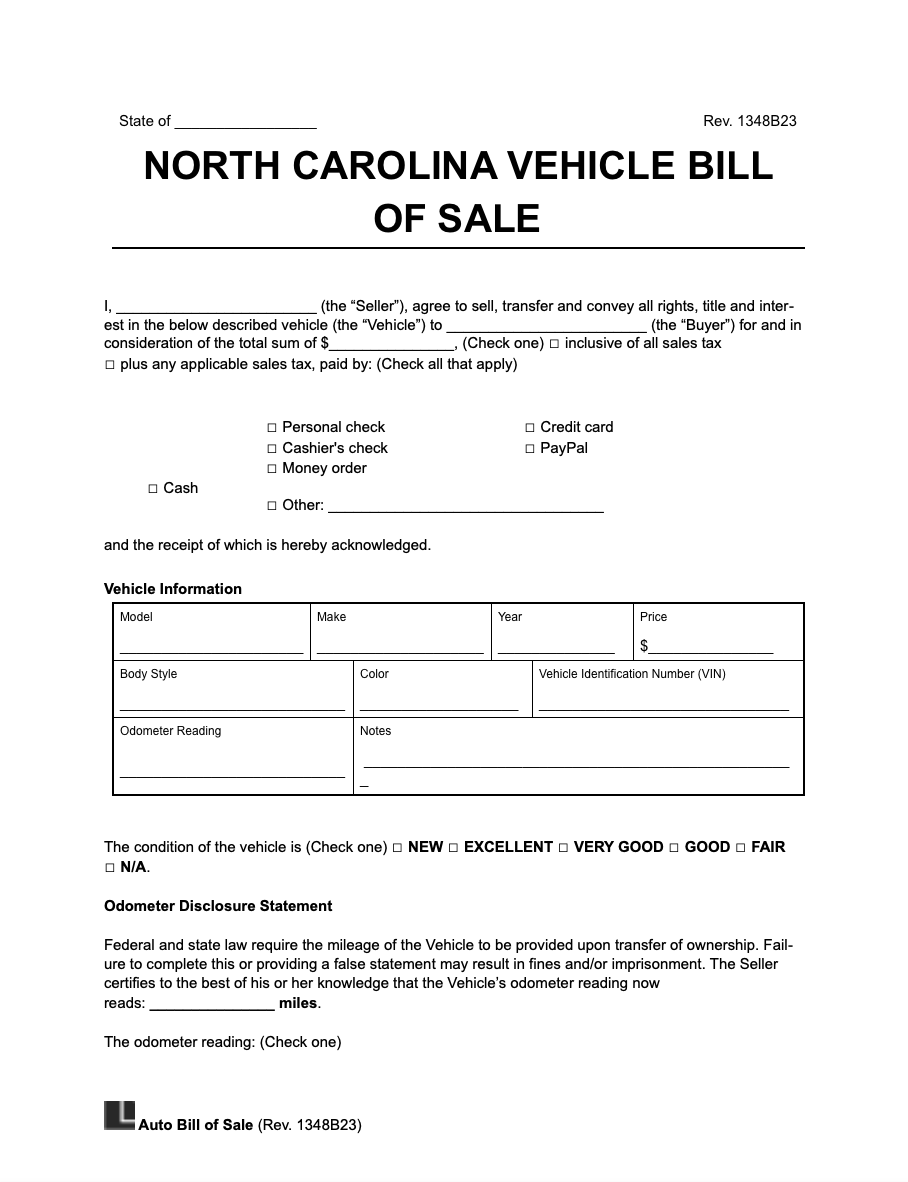
North Carolina requires specific documents to complete a private car sale. The seller must provide the vehicle title, signed over to you. You also need a bill of sale showing the sale price and date. Check the title for any liens or damages. Keep all documents safe for registration and insurance.
Bill Of Sale And Title Transfer
The bill of sale is a written record of the transaction. It includes details about the car, seller, buyer, and price. Both parties should sign it. The title transfer moves ownership from the seller to you. Fill out the back of the title correctly and submit it to the NC DMV within 28 days.
Payment Methods And Safety
Choose secure payment methods like cashier’s checks or money orders. Avoid cash payments to reduce risks. Meet in safe, public places for the exchange. Never pay before seeing and inspecting the car. Keep a receipt of the payment for your records and proof of purchase.
Registering And Insuring The Car
After buying a car from a private seller in North Carolina, you must register and insure it quickly. Registration makes your car legal to drive on the road. Insurance protects you and others in case of accidents. Both steps are essential for every new car owner.
Nc Registration Process
First, visit your local North Carolina Division of Motor Vehicles (DMV) office. Bring the car’s title signed by the seller, your ID, and proof of insurance. You must complete an application for a new registration. Pay the required fees to get your license plates and registration card. The process usually takes less than an hour at the DMV.
Required Insurance Coverage
North Carolina requires all drivers to have liability insurance. This covers injuries and damage you cause to others. Minimum coverage includes $30,000 for injury per person, $60,000 total for injuries per accident, and $25,000 for property damage. You must show proof of this insurance before registering your car. Many providers offer affordable plans to meet these requirements.
Emissions And Safety Inspections
Some counties in North Carolina require emissions tests before registration. These tests check if your car meets pollution standards. Most vehicles also need a safety inspection. This ensures brakes, lights, and tires are in good condition. Complete these inspections at an approved station. Keep the inspection reports; you may need to show them at the DMV.
Credit: www.autotrader.com
Avoiding Common Scams
Buying a car from a private seller in North Carolina can save money. Yet, scams are common. Knowing how to avoid these scams protects your money and peace of mind.
Scammers use tricks to hide problems or steal payments. Being aware of warning signs helps you spot trouble early. Taking safety steps during the sale keeps the process smooth. Also, knowing where to report fraud helps stop scammers from targeting others.
Red Flags To Watch For
Price too low to be true. Sellers who rush you or avoid questions. Missing or altered documents. No chance to test drive or see the car in person. Requests for wire transfers or cash only. Seller unwilling to meet in safe, public places.
Safe Transaction Tips
Meet during daylight hours in public spots. Bring a friend for safety and advice. Inspect the car or hire a mechanic. Verify the vehicle identification number (VIN) on papers and car. Pay with traceable methods like checks or bank transfers. Get a written receipt and signed bill of sale.
Resources For Reporting Fraud
North Carolina Division of Motor Vehicles (DMV) handles title and registration issues. Better Business Bureau (BBB) tracks scams and offers advice. Federal Trade Commission (FTC) accepts complaints about fraud. Local police can help if you suspect theft or fraud.
Frequently Asked Questions
What Documents Are Needed To Buy A Car From A Private Seller In Nc?
You need the vehicle title, bill of sale, and a valid ID. The title must be signed by the seller. A notarized bill of sale helps prove ownership and sale terms.
How Do I Verify A Car’s History Before Buying Privately In Nc?
Use the VIN to check the car’s history report online. Services like Carfax reveal accidents, title issues, and service records. This protects you from hidden problems.
Can I Negotiate The Price When Buying From A Private Seller In Nc?
Yes, private sales often allow price negotiation. Research the car’s market value first. Be polite, reasonable, and ready to walk away if terms don’t suit you.
How Do I Register A Car Bought From A Private Seller In Nc?
Take the signed title, bill of sale, and proof of insurance to the DMV. Pay registration fees and taxes. You’ll receive new license plates and registration documents.
Conclusion
Buying a car from a private seller in NC can save you money. Always check the car’s condition and history carefully. Meet the seller in a safe, public place. Test drive the car before deciding. Make sure all paperwork is correct and complete.
Pay attention to the title transfer process. Taking these steps helps you avoid problems later. Stay patient and ask questions if unsure. A good deal is worth the time spent. Enjoy your new car and drive safely!