

You want your car to shine and stay protected, but how long does it really take to wax a car? If you’ve ever wondered whether it’s a quick task or a time-consuming chore, you’re not alone.
Knowing how much time to set aside can help you plan better and avoid rushing through the process. You’ll discover exactly how long waxing your car takes, step-by-step tips to make the job easier, and how to get the best results without wasting your day.
Keep reading—you’ll be surprised how simple and rewarding waxing your car can be!
Waxing Time Factors
Waxing a car takes different time amounts based on several factors. These factors affect how long the process will last. Understanding them helps plan your waxing session better. Below are key points that change waxing time.
Car Size And Shape
Bigger cars need more time to wax than smaller ones. More surface area means more work. Curvy shapes or many details take extra time too. Simple, flat surfaces are faster to cover.
Type Of Wax
Some waxes dry fast, while others need longer to set. Paste wax usually takes more time than liquid wax. Synthetic waxes can be quicker to apply and buff. Choose wax based on your time and finish preference.
Weather Conditions
Hot weather speeds up wax drying but can make application tricky. Cold weather slows drying and can cause streaks. Wind may blow dust on wet wax, causing imperfections. Aim to wax in mild, dry weather for best results.

Credit: www.youtube.com
Preparation Steps
Preparing your car before waxing is key to getting a smooth, shiny finish. Skipping these steps can cause uneven wax or trapped dirt. A clean and dry surface helps wax stick better and last longer. Use the right tools for easy and even application.
Cleaning The Car
Start by washing your car thoroughly. Use soap made for cars, not household cleaners. Dirt and grime block wax from sticking. Rinse well to remove all soap. Focus on areas with bugs or tar. Clean surfaces give the best wax result.
Drying Completely
After washing, dry your car fully. Use a soft microfiber towel or chamois cloth. Water spots can form if left to air dry. These spots can spoil the wax finish. Pat the car dry gently to avoid scratches. Make sure no moisture stays on the paint.
Choosing The Right Tools
Select soft applicator pads for applying wax. Avoid rough cloths that can scratch paint. Use clean towels to buff wax off. Microfiber towels work best for polishing. Proper tools make waxing easier and better. They protect your car’s surface during the process.
Wax Application Process
Waxing your car is a simple step that protects its paint and makes it shine. The wax application process needs care and attention. Doing it right improves the wax’s effect and your car’s look. Take your time to apply the wax properly. This keeps your car safe from dirt and sun damage.
Follow a clear method for the best results. Each step matters to get an even coat and a smooth finish. Use the right tools and work carefully to make your car look its best.
Applying Wax Evenly
Start by putting a small amount of wax on a clean applicator pad. Spread the wax in a thin, even layer. Use soft, circular motions to cover the surface. Avoid thick spots because they take longer to dry. Even application helps the wax bond well with the paint.
Working In Small Sections
Divide your car into small areas like doors or panels. Focus on one section at a time. This approach keeps the wax from drying too fast. It also makes it easier to control the application. Finish one section before moving to the next for a consistent look.
Avoiding Common Mistakes
Do not wax in direct sunlight. The heat can cause streaks or spots. Avoid pressing too hard with the applicator pad. Gentle pressure spreads the wax better. Never skip wiping off the wax after it dries. Leaving wax on too long can leave haze or residue.
Drying And Buffing Time
Drying and buffing time is a key part of waxing a car. It affects how well the wax protects and shines the paint. Knowing the right drying time helps avoid streaks and smudges. Buffing brings out the deep shine and smooth finish that car owners want.
Waiting For Wax To Haze
After applying wax, wait for it to dry. The wax will start to look hazy or cloudy. This usually takes 5 to 15 minutes, depending on the wax type and weather. Avoid touching the wax before it hazes. This step ensures the wax bonds well with the car’s surface.
Buffing Techniques
Use a clean, soft cloth or a microfiber towel for buffing. Work in small sections to avoid missing spots. Buff with gentle, circular motions. Apply light pressure to remove the haze without scratching. Change cloth sides often to keep dirt off the car. Buffing properly boosts the wax’s shine and durability.
Achieving A Smooth Finish
After buffing, check the car surface under sunlight. The paint should look smooth and glossy. If you see streaks or spots, buff again gently. A smooth finish means the wax layer is even and well set. This finish helps protect your car from dirt and weather.
Speeding Up Waxing
Waxing a car takes time, but there are ways to speed up the process. You can protect your car’s paint without spending hours on it. Using the right products and tools helps finish waxing faster. This saves effort and still gives a great shine.
Using Spray Waxes
Spray waxes work quickly and are easy to apply. Just spray a small amount on the car surface. Then wipe it off with a soft cloth. Spray waxes dry fast and leave a smooth finish. They work best for light protection and quick touch-ups.
Choosing Quick-dry Formulas
Quick-dry wax formulas reduce wait time between steps. They dry in minutes, so you can buff sooner. These waxes often come in liquid or paste form. They spread easily and are less sticky. Quick-dry options help finish waxing in less time.
Tools For Faster Application
Using the right tools speeds up waxing a lot. Foam applicator pads spread wax evenly and fast. Microfiber cloths help buff and remove wax quickly. Some people use electric polishers for large areas. Good tools make waxing smoother and quicker.
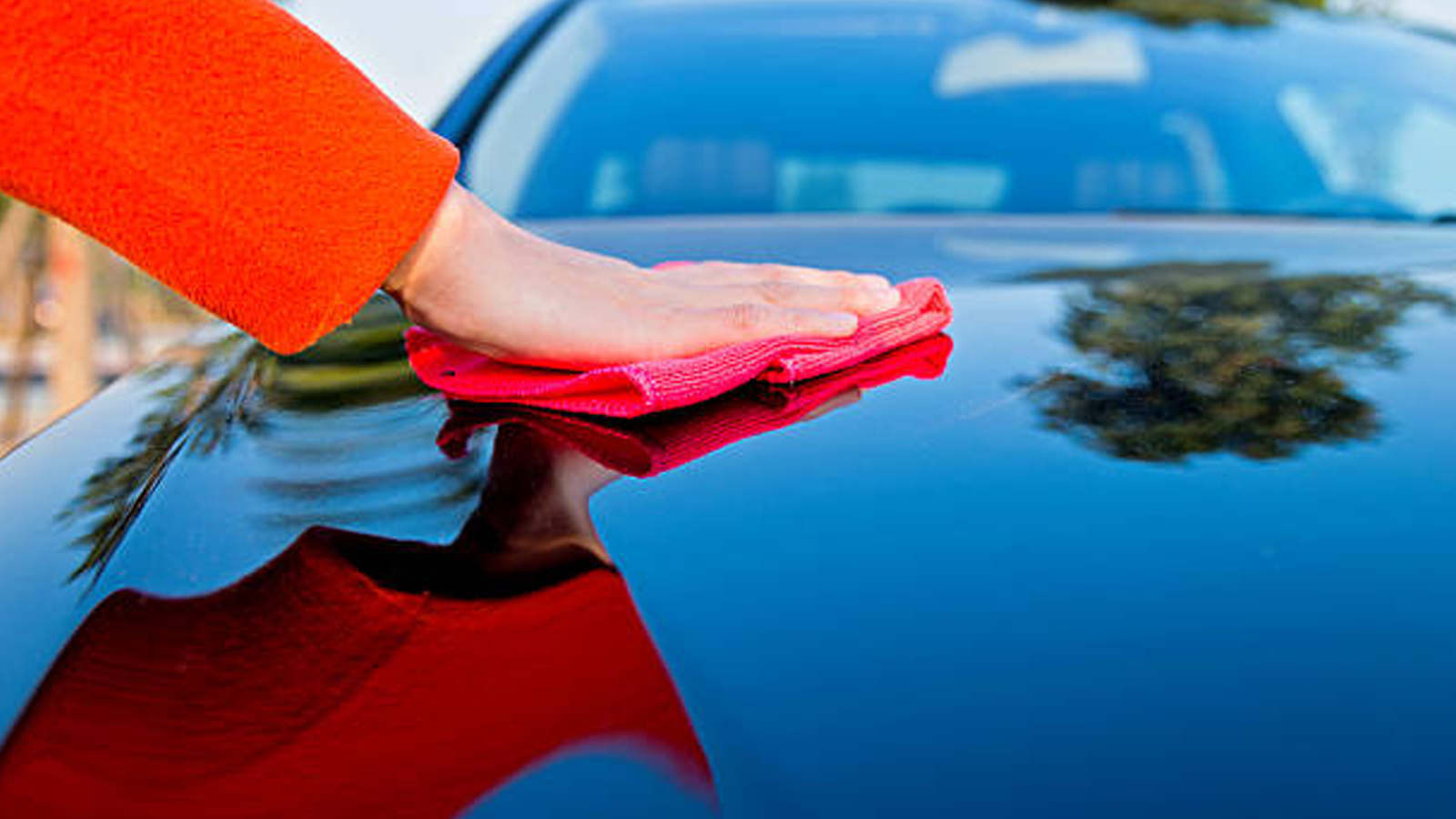
Credit: www.chemicalguys.com
Maintaining Your Shine
Keeping your car’s shine after waxing takes effort but pays off well. A bright, smooth surface not only looks great but also protects your paint. To keep that fresh wax finish, regular care is needed. Small steps help your car stay glossy longer.
Regular Cleaning Tips
Wash your car often with mild soap and water. Avoid harsh detergents that strip wax layers. Use a soft sponge or cloth to prevent scratches. Rinse thoroughly to remove dirt and soap residue. Dry your car with a clean microfiber towel. This stops water spots that dull shine.
Touch-up Waxing
Apply a thin wax layer every few weeks. Focus on areas exposed to sun and rain. Use a small amount and spread evenly. Light buffing brings back the shine quickly. Touch-ups keep wax strong between full waxing sessions.
Protecting Wax Layers
Park in shaded spots to reduce sun damage. Avoid parking under trees to prevent sap and bird droppings. Use a car cover if parking outside for long. Clean off contaminants fast to protect the wax. Gentle care keeps wax layers intact and effective.
Credit: www.torquedetail.com
Frequently Asked Questions
How Long Does It Take To Wax A Car Completely?
Waxing a car usually takes 30 to 60 minutes. The exact time depends on the car’s size and wax type. Proper application and drying time affect the total duration. Regular waxing helps maintain the car’s shine and protection.
How Often Should I Wax My Car?
It is best to wax your car every 3 months. This frequency protects the paint and maintains the shine. Environmental factors may require more frequent waxing. Regular waxing also helps prevent dirt and grime buildup.
Can Waxing A Car Protect Paint From Damage?
Yes, waxing forms a protective layer on the paint. It guards against UV rays, dirt, and water spots. Waxing also helps reduce scratches and oxidation. Regular waxing keeps the paint looking fresh and vibrant.
Does The Type Of Wax Affect Waxing Time?
Yes, different wax types impact the waxing duration. Liquid waxes usually apply faster than paste waxes. Synthetic waxes often dry quicker, speeding up the process. Choose a wax type that balances protection and application time.
Conclusion
Waxing a car usually takes about 30 to 60 minutes. It depends on the car size and wax type. Taking your time ensures an even, shiny finish. Regular waxing protects your car’s paint and keeps it looking fresh. Clean the car well before waxing for best results.
Small steps lead to a great shine. Keep your car waxed every few months to maintain protection. Simple care goes a long way in preserving your car’s look. Try to enjoy the process—it’s rewarding to see the shine grow.


