

Are you ready to bring a stunning burst of color into your home or garden? A Giant Amaryllis can do just that, with its bold, beautiful blooms that catch everyone’s eye.
But to keep your Giant Amaryllis thriving and blooming year after year, you need to know the right care tips. If you want your plant to grow strong and look amazing, this guide is made just for you. Keep reading to discover simple, effective ways to care for your Giant Amaryllis and enjoy its vibrant flowers for a long time.

Credit: www.bloomaker.com
Choosing The Right Spot
Choosing the right spot for your Giant Amaryllis is very important. This plant needs specific conditions to grow strong and bloom beautifully. Picking a good place helps the plant get the right light, temperature, and soil. These factors work together to keep the Amaryllis healthy and colorful.
Light Requirements
The Giant Amaryllis loves bright, indirect sunlight. Too much direct sun can burn its leaves. Too little light makes the plant weak and stop blooming. A spot near a window with filtered light is perfect. South or east-facing windows usually work well.
Ideal Temperature
This plant prefers warm temperatures between 65°F and 75°F. Avoid cold drafts or sudden temperature changes. The Giant Amaryllis does not like cold places below 50°F. Keep it away from heaters and air conditioners for best results.
Soil Preferences
Use well-draining soil for the Giant Amaryllis. It needs soil that holds moisture but does not stay soggy. A mix of potting soil with sand or perlite works well. Good drainage helps prevent root rot and keeps the plant healthy.
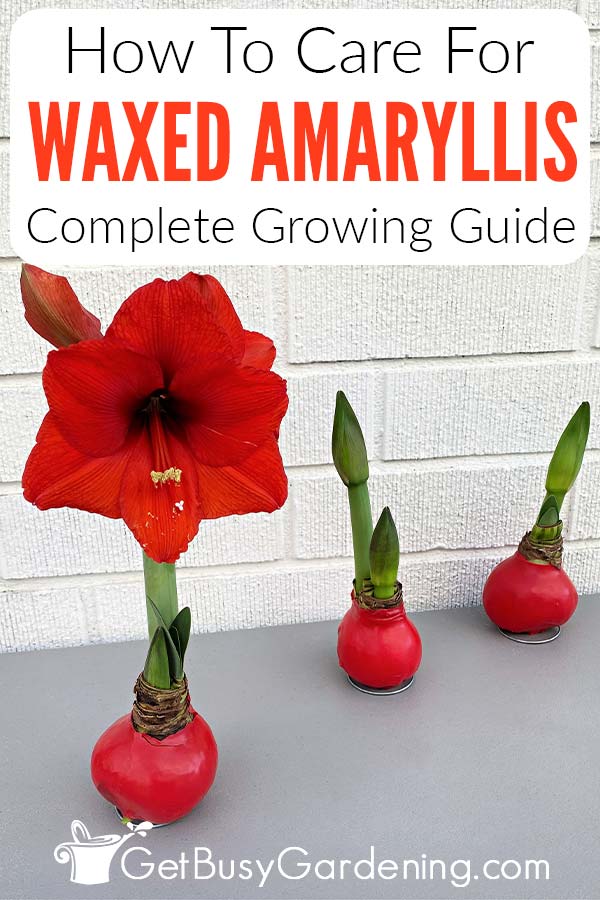
Credit: getbusygardening.com
Planting Your Giant Amaryllis
Planting your giant amaryllis is the first step to growing a stunning flower. Proper planting helps the plant grow strong roots and produce large blooms. Follow these simple steps to set your giant amaryllis up for success.
Selecting Quality Bulbs
Choose large, firm bulbs without soft spots or mold. Healthy bulbs produce bigger flowers and last longer. Avoid bulbs that look shriveled or damaged. Pick bulbs with a clean, dry outer skin.
Potting Tips
Use a pot with drainage holes to prevent water buildup. Fill the pot with well-draining soil, such as a mix of potting soil and sand. Do not overfill the pot; leave space for the bulb’s roots. Keep the bulb’s base just above the soil line.
Planting Depth And Spacing
Plant the bulb so its top third sticks out of the soil. This helps prevent rot and allows the plant to breathe. If planting multiple bulbs, keep at least 6 inches between them. This spacing gives each bulb room to grow and bloom fully.
Watering Techniques
Watering a Giant Amaryllis properly is key to its health and growth. Too little water can dry out the plant, while too much can cause root problems. Understanding the right watering techniques helps your Giant Amaryllis thrive and bloom beautifully.
Frequency And Amount
Water the Giant Amaryllis once a week during its growing season. Give enough water to moisten the soil evenly. Avoid soaking the soil completely. Check the top inch of soil; if it feels dry, it is time to water.
Avoiding Overwatering
Too much water can cause root rot. Make sure the pot has good drainage holes. Remove excess water from the saucer under the pot. Water only when the soil surface feels dry. Healthy roots need air as well as water.
Seasonal Adjustments
Reduce watering in the dormant season, usually after flowering. Water sparingly during winter months. The soil should be barely moist, not wet. Increase watering again when new leaves start to grow.
Feeding For Vibrant Blooms
Feeding your giant amaryllis is key to bright, healthy blooms. Proper nutrients help the plant grow strong leaves and vibrant flowers. Without the right food, the blooms may be dull or sparse.
Fertilizing supports the bulb as it stores energy for the next blooming cycle. Choosing the right fertilizer and feeding it at the right time keeps your amaryllis thriving.
Choosing Fertilizers
Select a balanced fertilizer with equal parts nitrogen, phosphorus, and potassium. This blend supports leaf growth and flower development. A fertilizer labeled 10-10-10 or 20-20-20 works well. Avoid high nitrogen formulas, as they encourage leaves but fewer flowers.
Feeding Schedule
Feed the amaryllis every two to four weeks during the growing season. Start feeding when new leaves appear. Stop feeding once the flowers fade and the plant enters dormancy. Overfeeding can harm the bulb and reduce bloom quality.
Organic Vs. Synthetic Options
Organic fertilizers release nutrients slowly and improve soil health. Options include compost, fish emulsion, and seaweed extract. Synthetic fertilizers provide quick nutrient boosts but can build up salts. Choose organic for gentle, steady feeding or synthetic for fast results.
Encouraging Flowering
Encouraging flowering in giant amaryllis plants requires care and attention. These plants need the right conditions to bloom well. Proper care helps them produce large, beautiful flowers each season. Follow simple steps to keep your amaryllis healthy and blooming.
Triggering Bloom Cycles
Giant amaryllis need a rest period to start blooming again. Stop watering after the leaves die back. Place the bulb in a cool, dark spot for 8 to 10 weeks. After this rest, bring the bulb back to a warm, bright area. Resume watering lightly. This process helps the plant prepare for new flowers.
Deadheading And Pruning
Remove spent flowers by cutting the flower stalk near the base. This stops the plant from wasting energy on seed production. Keep the leaves healthy and green. Do not cut leaves until they turn yellow and die naturally. Healthy leaves feed the bulb for future blooms.
Supporting Heavy Stems
Giant amaryllis flowers can be heavy. Use stakes or supports to keep stems upright. Tie stems gently to the supports with soft ties. This prevents bending or breaking. Strong stems help flowers last longer and look better.
Pest And Disease Control
Giant Amaryllis plants need protection from pests and diseases. These problems can harm the leaves, flowers, and bulbs. Good care helps your plant stay healthy and beautiful. Knowing about common pests and how to stop them is important. Also, treat any problems early to avoid damage.
Common Pests
Spider mites are tiny and cause leaves to yellow. Aphids suck sap and weaken the plant. Mealybugs leave a white, cottony residue on stems and leaves. Scale insects attach to stems and cause yellow spots. These pests spread quickly and reduce the plant’s strength.
Preventive Measures
Keep the area around the plant clean and dry. Remove dead leaves and debris from the soil. Water the plant at the base to avoid wetting the leaves. Check the plant weekly for signs of pests. Use insecticidal soap or neem oil to protect the plant.
Treatment Options
For small infestations, wash the pests off with water. Use insecticidal soap to spray affected areas. Repeat treatment every 5 to 7 days until pests disappear. For severe cases, use a suitable insecticide. Follow the label instructions carefully to avoid harm.
Post-bloom Care
After the giant amaryllis finishes blooming, proper care helps it stay healthy. Post-bloom care focuses on supporting the bulb for next year’s growth. This stage needs attention to keep the plant strong and ready for dormancy.
Bulb Maintenance
Cut off spent flower stalks near the base. Leave the leaves on the plant. They help the bulb gather energy. Water the plant regularly but avoid overwatering. Use a balanced fertilizer every two weeks. This feeds the bulb and encourages root growth.
Preparing For Dormancy
After about 8 to 10 weeks, reduce watering. Let the leaves turn yellow and dry. Stop fertilizing at this time. Cut the leaves once they are fully brown. This signals the bulb to rest. Store the plant in a cool, dry place if needed.
Storing Bulbs
Remove the bulb from the soil gently. Brush off excess dirt but do not wash it. Keep the bulb in a paper bag or mesh sack. Store it in a cool, dark, and dry area. Check the bulb monthly for soft spots or mold. Healthy bulbs can be replanted after dormancy ends.
Troubleshooting Growth Issues
Giant Amaryllis plants are beautiful but sometimes face growth problems. These issues can stop your plant from looking its best. Knowing how to fix these problems helps your plant stay healthy and bloom well. Below are common issues and simple ways to solve them.
Yellowing Leaves
Yellow leaves often mean too much water or poor drainage. Check the soil to see if it feels soggy. Water only when the top inch of soil is dry. Too little light can also cause yellow leaves. Move your plant to a brighter spot with indirect sunlight. Remove yellow leaves to keep the plant healthy.
Lack Of Blooms
No flowers can be frustrating. Giant Amaryllis needs enough light to bloom well. Place it near a sunny window. Feeding the plant with a balanced fertilizer helps too. Avoid too much nitrogen fertilizer; it grows leaves but no flowers. Make sure the plant rests after blooming for better future blooms.
Bulb Rot Prevention
Bulb rot is a serious issue caused by too much water or poor soil. Use well-draining soil to stop water from staying near the bulb. Avoid watering if the soil feels wet. Check the bulb regularly for soft spots or bad smell. Remove any rotten parts and repot if needed. Good air circulation also helps prevent rot.

Credit: yardandgarden.extension.iastate.edu
Frequently Asked Questions
How Often Should I Water A Giant Amaryllis?
Water your giant amaryllis when the top inch of soil feels dry. Avoid overwatering to prevent root rot. During the growing season, water regularly but reduce watering in the dormant phase.
What Is The Best Light For Giant Amaryllis Growth?
Place your giant amaryllis in bright, indirect sunlight. It thrives near east or west-facing windows. Avoid direct harsh sunlight, which can scorch its leaves.
How Do I Fertilize A Giant Amaryllis Properly?
Feed your giant amaryllis with balanced, water-soluble fertilizer every 2-4 weeks during growth. Stop fertilizing during dormancy. This promotes healthy blooms and strong foliage.
When Should I Repot A Giant Amaryllis Bulb?
Repot your giant amaryllis every 2-3 years after flowering. Choose a pot 1-2 inches larger in diameter. Use well-draining soil for best root health.
Conclusion
Caring for a giant amaryllis brings joy and beauty to your space. Keep the soil moist but not too wet. Place the plant where it gets bright, indirect light. Feed it with balanced fertilizer during growth. Remove dead leaves to keep the plant healthy.
Watch the flowers bloom with vibrant colors. Simple steps make a big difference in its health. Enjoy the stunning blooms season after season. Your giant amaryllis will thrive with steady care. Easy and rewarding.

